



Supporting Regional Circulation Using Smart Compost from Yume Misaki Zoo Food Waste
Supporting Regional Circulation Through Smart Compost at Yume Misaki Zoo
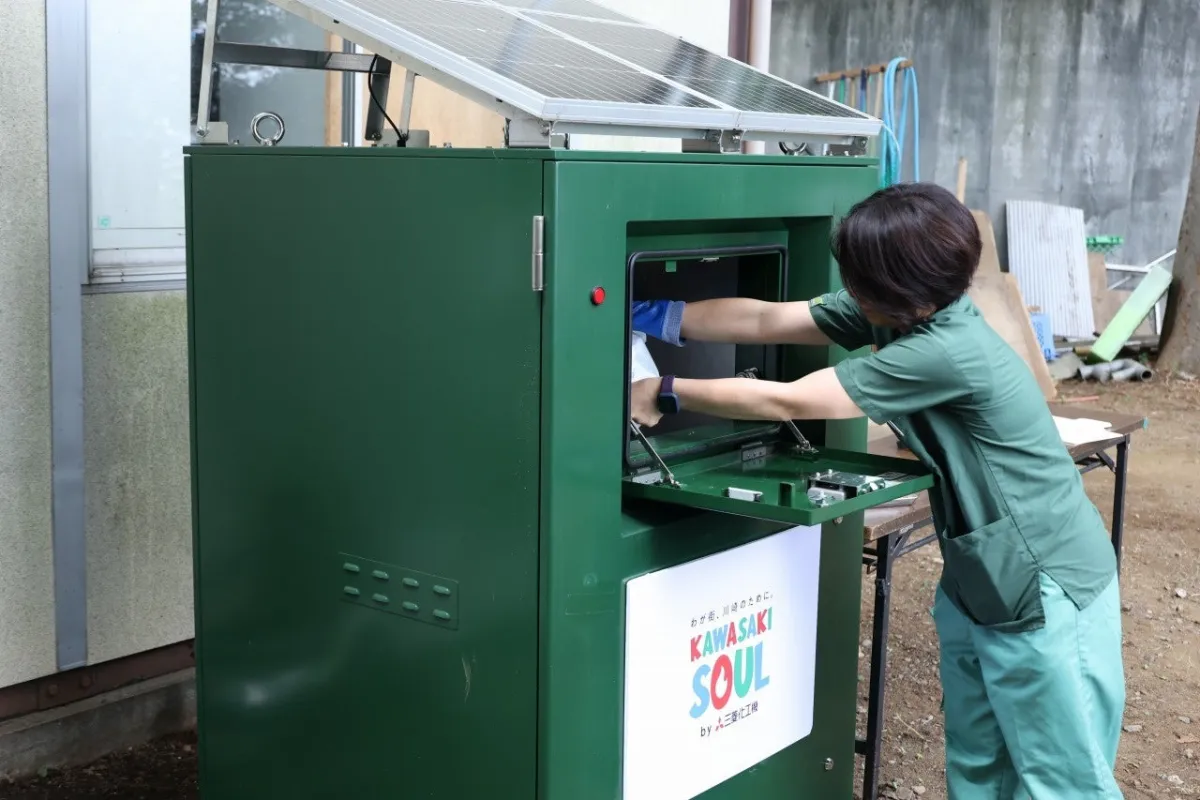
In a significant environmental initiative, Komham Inc., based in Sapporo, Hokkaido, has announced the implementation of its unique waste processing technology, Smart Compost®, at Yume Misaki Zoo in Kawasaki City. This initiative aims to transform food waste generated from the zoo into valuable compost through a collaboration with Mitsubishi Kakoki Co. and Kawasaki City. The program seeks to establish a sustainable regional circulation model that not only utilizes the zoo’s food scraps but also contributes to the local community.
Background of the Project
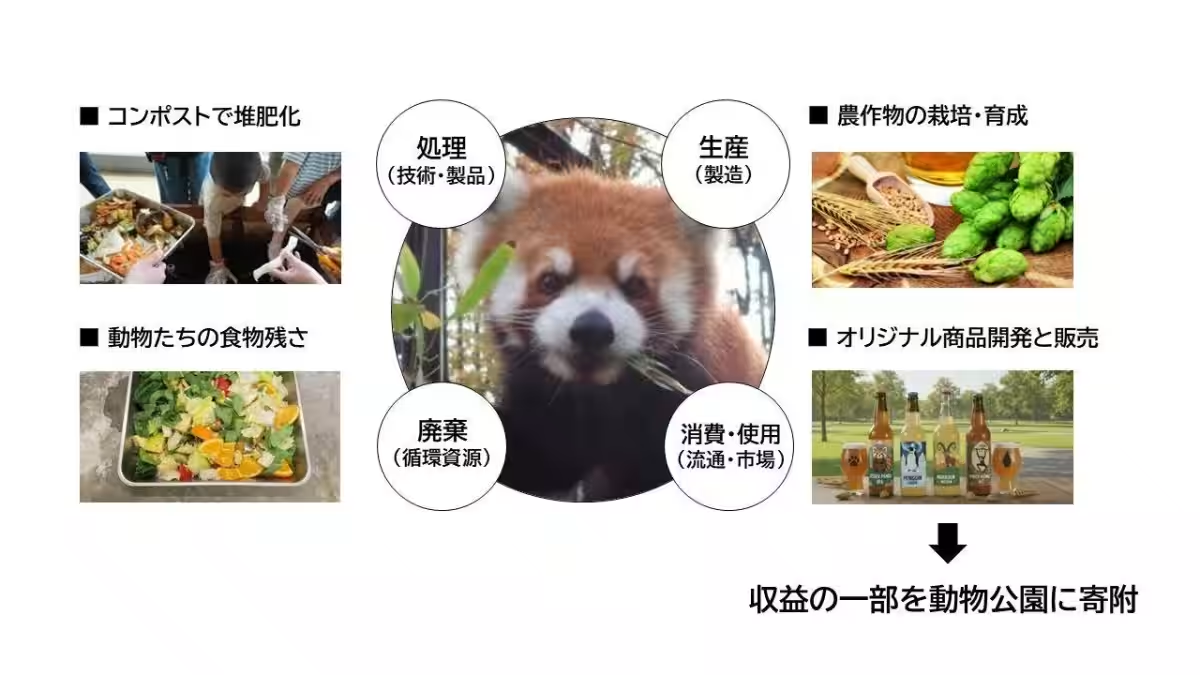
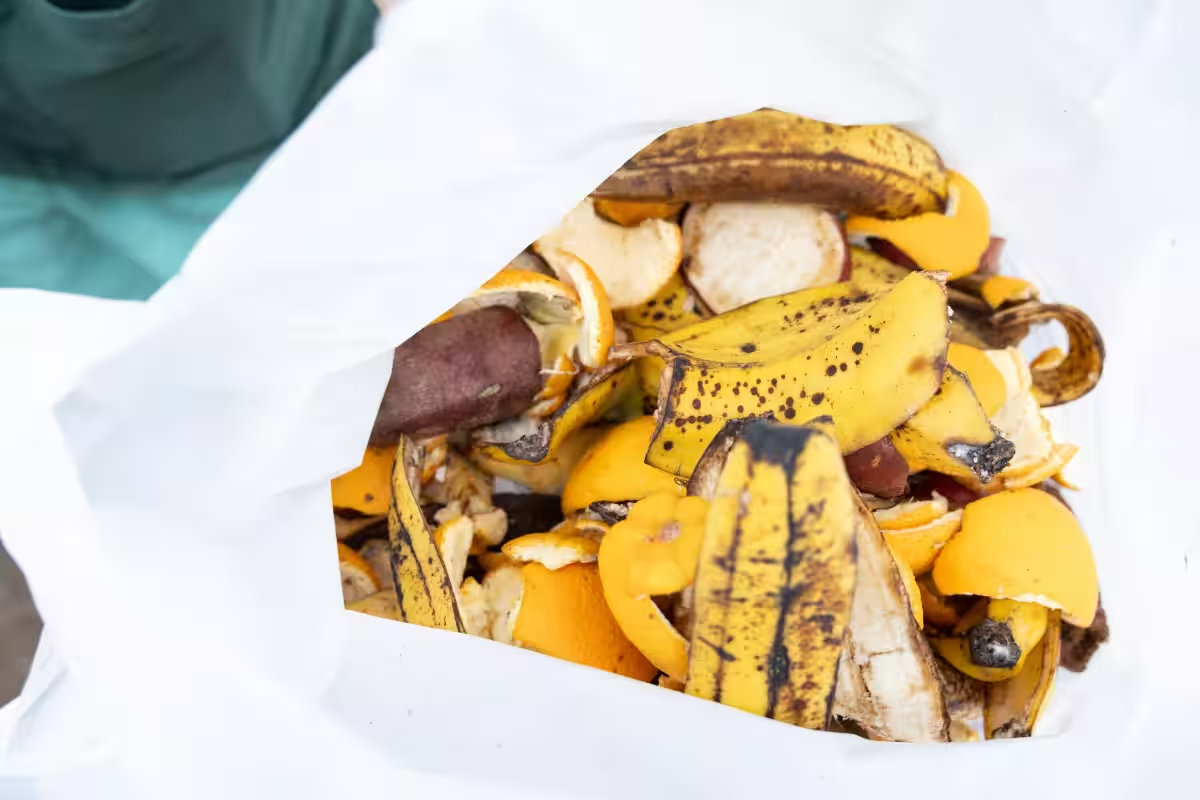
The Yume Misaki Project, launched in partnership with Kawasaki City and Mitsubishi Kakoki, is underpinned by a commitment to developing a circular economy by 2026. This collaboration focuses on utilizing the resources generated by public facilities, particularly food waste, in the local community. By composting food scraps from the zoo—primarily a variety of fruits and vegetables fed to the animals—Komham aims to create high-quality compost that will be used to cultivate local crops such as hops and lemongrass.
The Role of Smart Compost in Food Waste Management
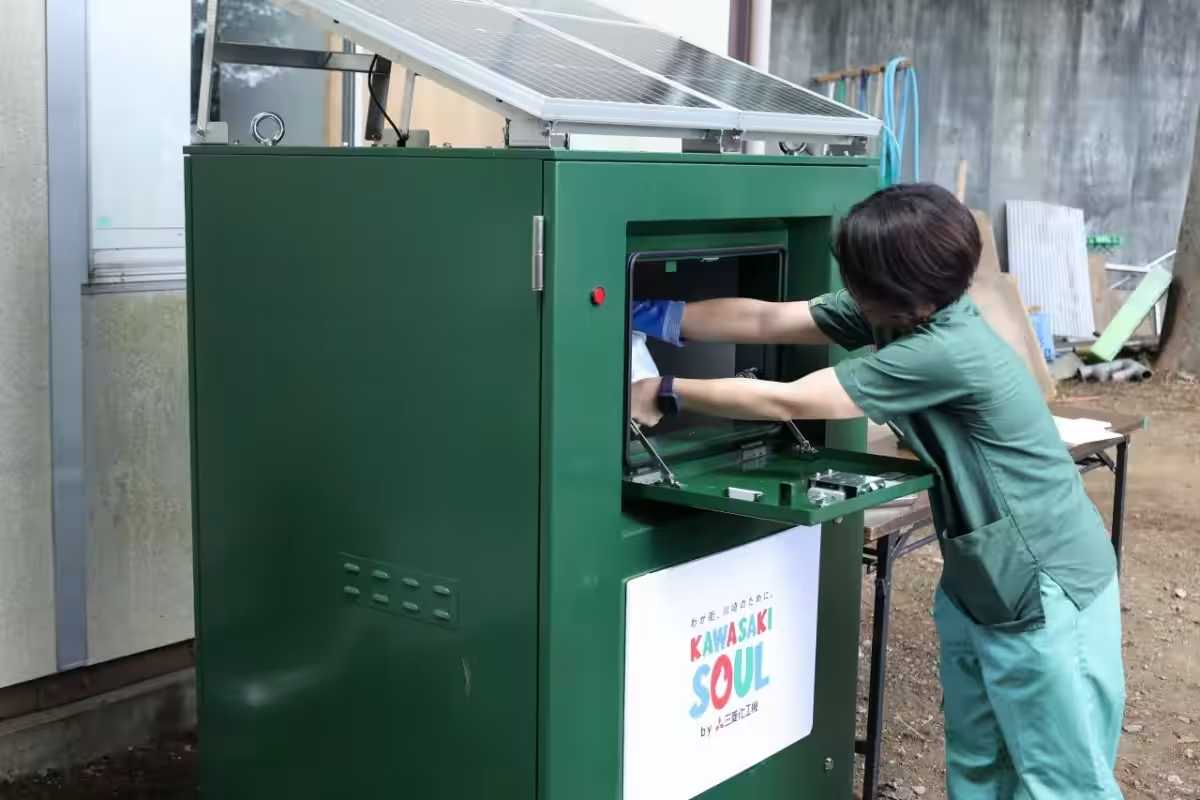
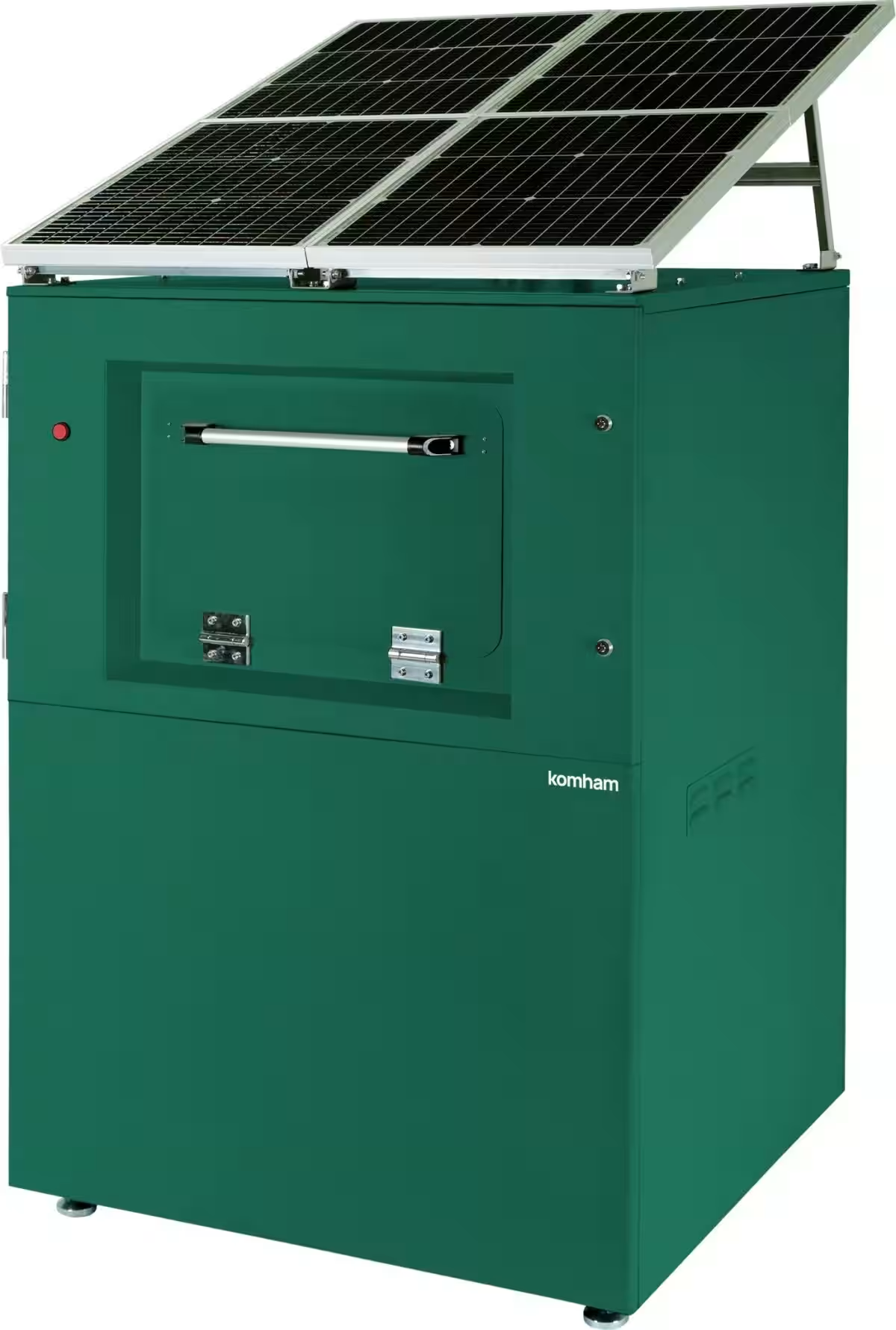
Smart Compost is a cutting-edge food waste processing system that requires no AC power or wastewater treatment, operating instead on solar energy. It incorporates Komham's proprietary microbial consortium, designed to accelerate the decomposition of organic waste, achieving decomposition rates of up to 98% within just one day. Traditional composting methods can take weeks or even months; however, Smart Compost optimizes the process, enabling a quick turnaround from waste to usable compost.
The daily generation of food scraps at the zoo necessitates a robust and efficient waste processing solution. Smart Compost's automatic stirring and cloud-based monitoring systems facilitate consistent operation while minimizing impacts on visitors and zoo operations.
Creating a Circular Economy
The food waste turned compost will serve a dual purpose: sustainable local agriculture and financial support for the zoo’s ongoing operations. The partnership aims to seamlessly connect waste generation, composting, crop cultivation, and product development, thereby laying the groundwork for a comprehensive circular model that benefits both the environment and the local economy.
Komham is not merely introducing a waste processing device; this initiative represents a dedicated approach to resource management and sustainability, verifying how local organic resources can be continually recycled and utilized in community-driven projects.
Wider Implications and Future Vision
This project is not limited to the zoo. Komham envisions expanding its circular economy models to include various sectors such as food factories, commercial establishments, and hospitality services. By cultivating partnerships with waste processing companies, agricultural stakeholders, facility managers, and local governments, Komham aims to address specific community needs and challenges, contributing to broader societal implementations of effective circular economy practices.
Businesses and organizations interested in joining this initiative or learning more are encouraged to reach out through the provided contact link.
About Komham
Founded in January 2020, Komham Inc. is committed to enhancing living environments using microbial technology. Their mission focuses on rapidly decomposing organic waste and establishing biomass recycling systems, striving to create an infrastructure that supports environmentally friendly living without requiring conscious effort from individuals. More information can be found on their official website: Komham.
As environmental sustainability becomes increasingly vital for urban areas, initiatives like the Yume Misaki Project become crucial frameworks for fostering community cooperation, ecological responsibility, and innovative waste management solutions.
Topics Environment)
【About Using Articles】
You can freely use the title and article content by linking to the page where the article is posted.
※ Images cannot be used.
【About Links】
Links are free to use.