



Key Trends Shaping Japan's Rental Market in 2025 Worth Noting
Overview of Japan's Rental Market in 2025
At Home Corporation, a leading real estate information service based in Tokyo, has unveiled its findings regarding the four major news stories in the rental market for 2025. With rent prices surging nationwide, these updates are critical for potential renters and investors alike. The analysis and research were conducted by At Home Lab, a subsidiary of At Home Corp based in Chiyoda, Tokyo.
Key Updates in Rental Market
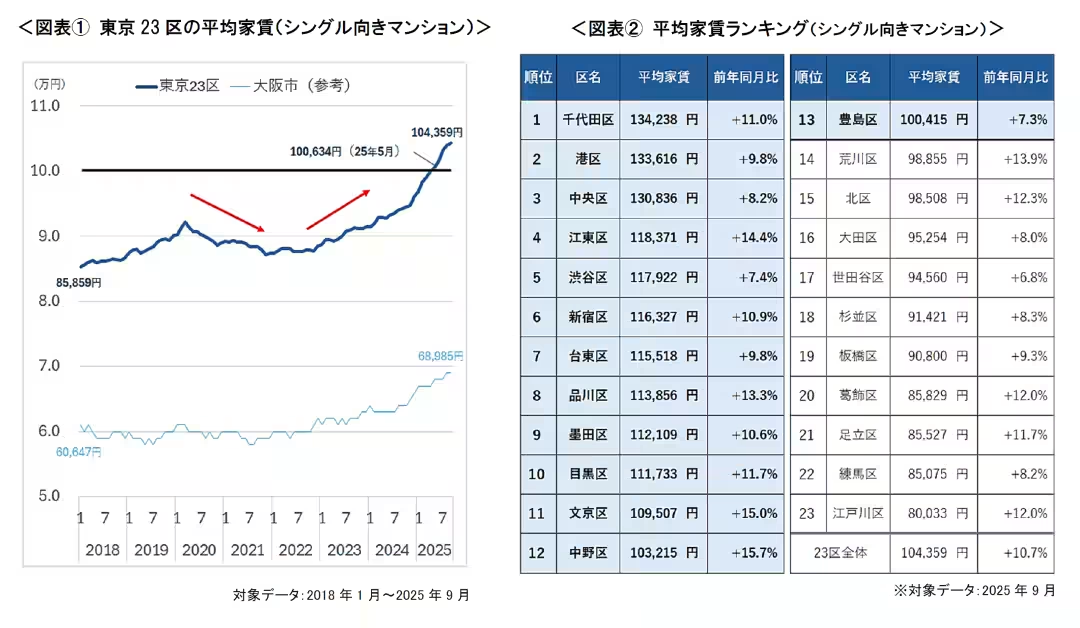
1. Average Rent for Single-Family Apartments in Tokyo Exceeds 100,000 Yen
A pivotal moment occurred in May 2025, when the average rent for single-person apartments in the 23 special wards of Tokyo surpasses 100,000 yen. This surge marks a significant milestone, and the figure has continued to climb, setting new records monthly through September 2025. By this date, 13 out of the 23 wards recorded average rents above this threshold, demonstrating a widespread trend.
2. Growing Interest in Low-Cost Properties
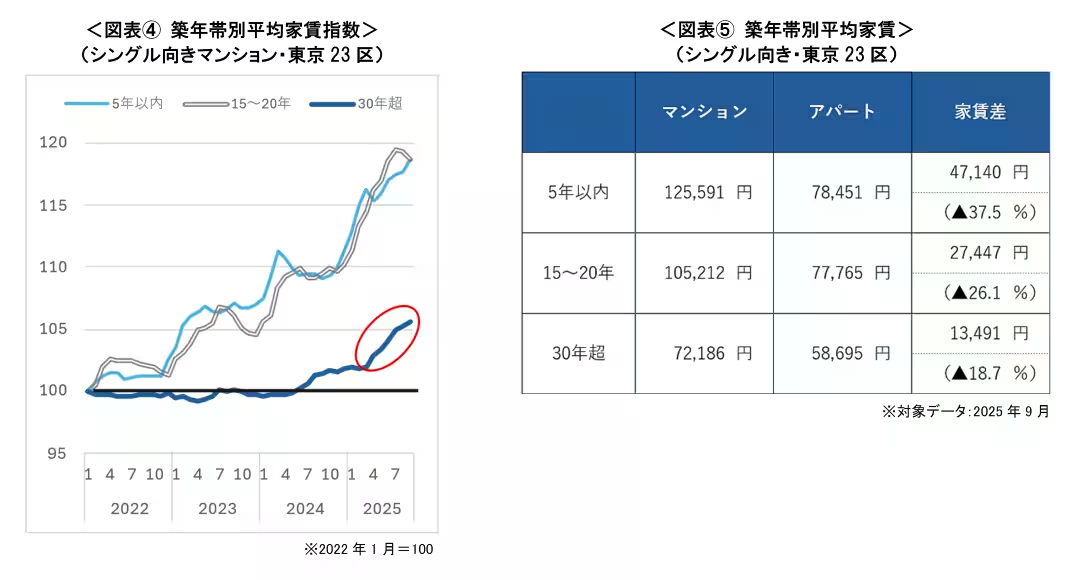
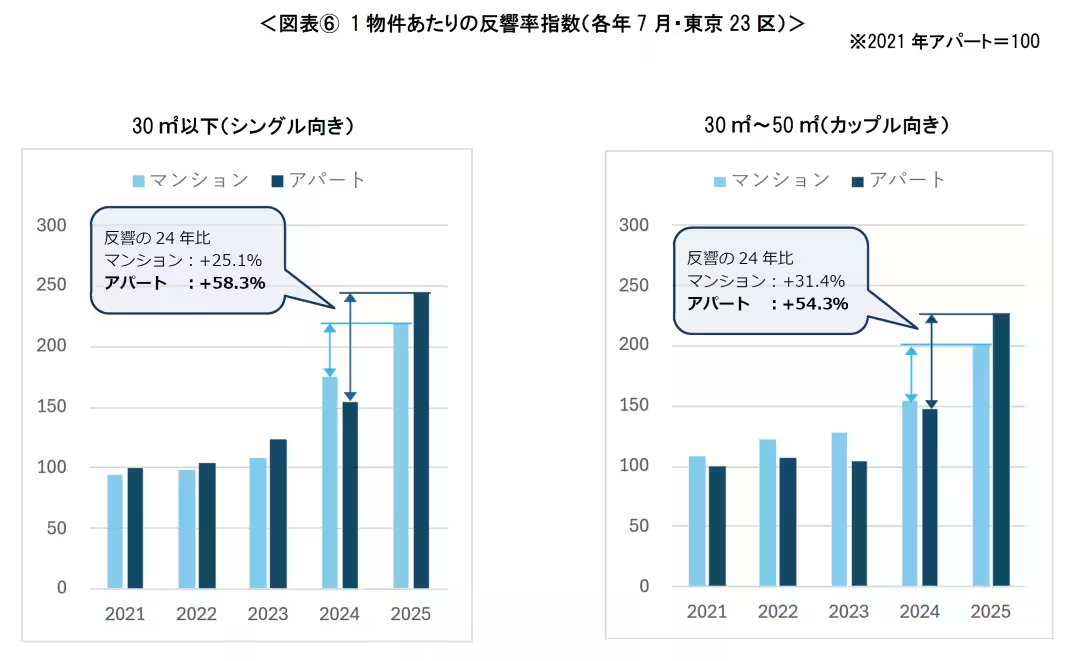
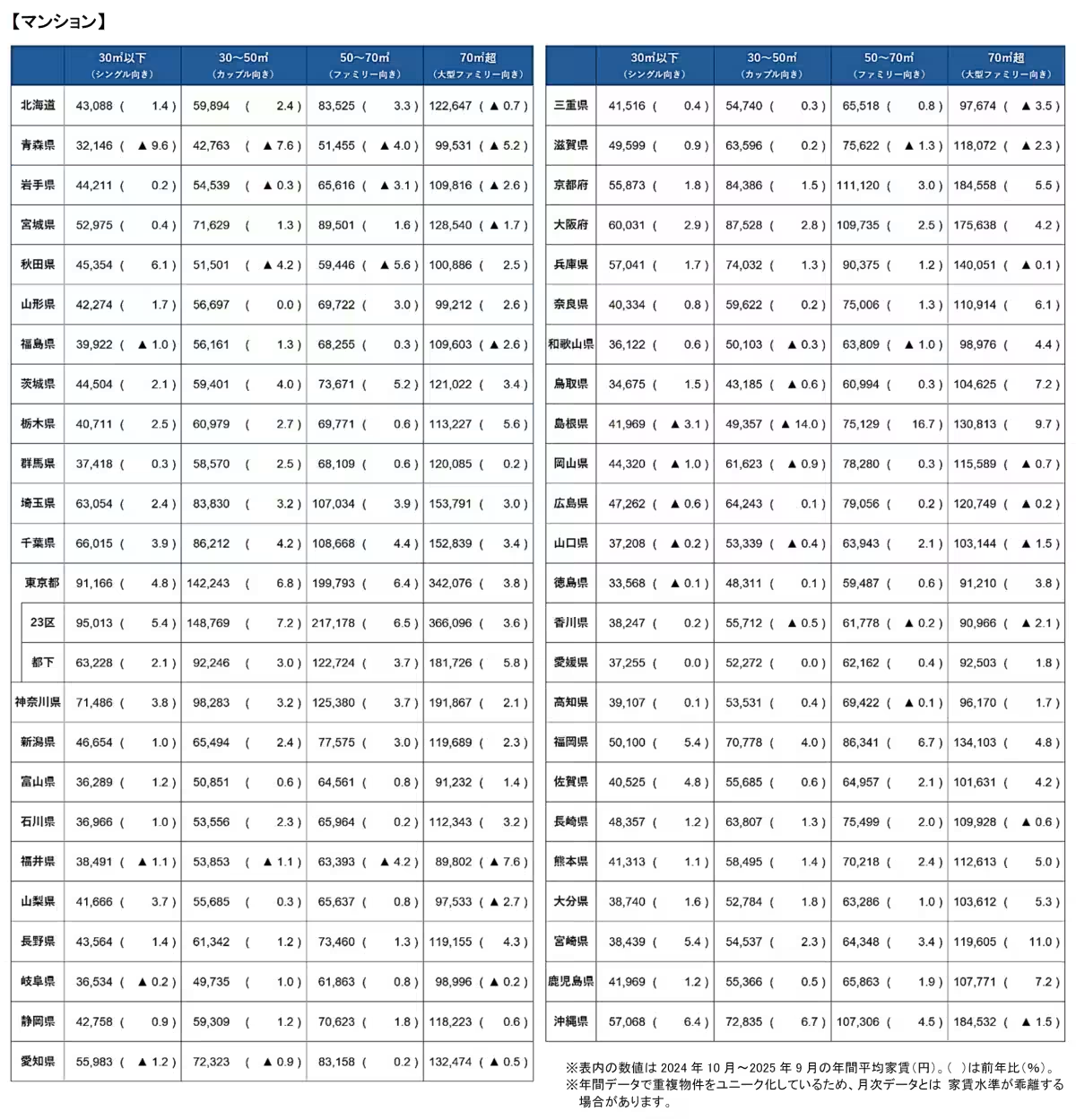
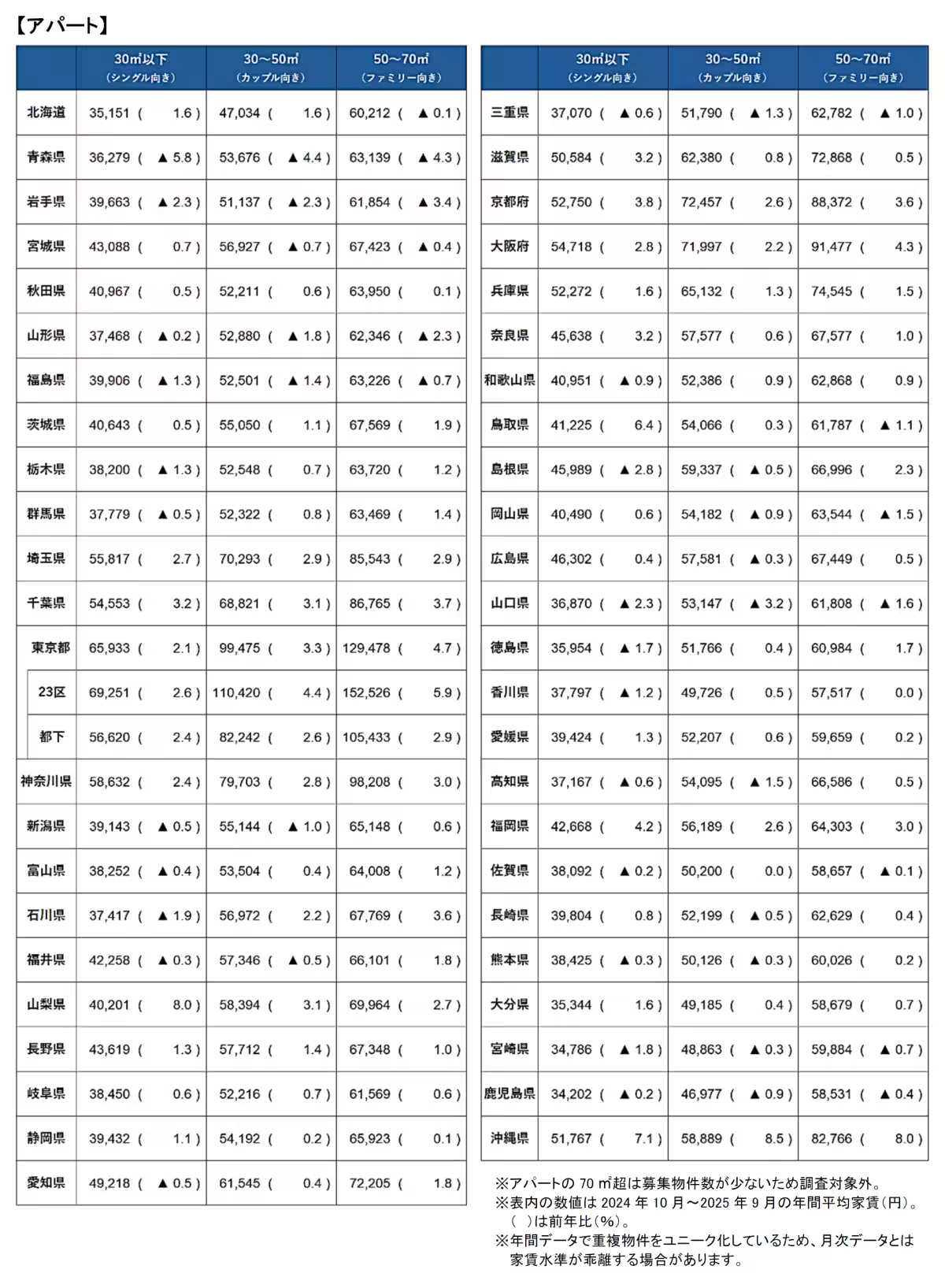
Amid rising rent prices, there has been a noticeable shift in consumer interest towards more affordable options. Properties over 30 years old, long overlooked, began to see increased demand as rent prices escalated. Furthermore, apartment rents are noticeably lower—about 20% to 40% less than condos, making them attractive alternatives for budget-conscious renters. For instance, the response rate for apartments has now exceeded that of condos, indicating a significant shift in consumer behavior.
3. Fukuoka City Rising in the Rankings
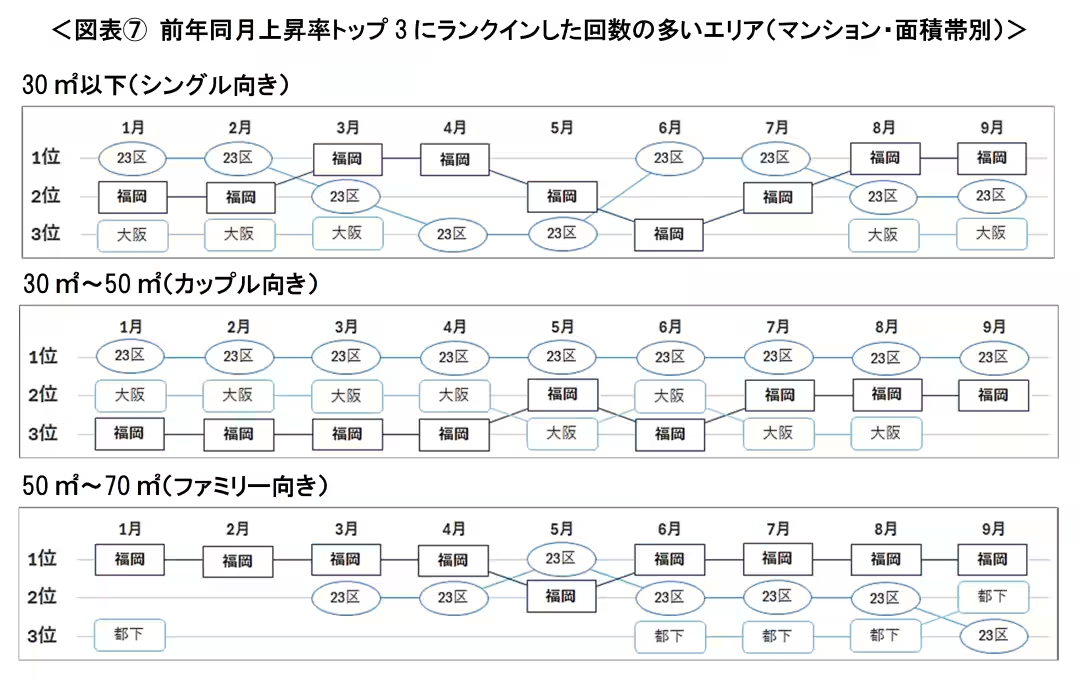
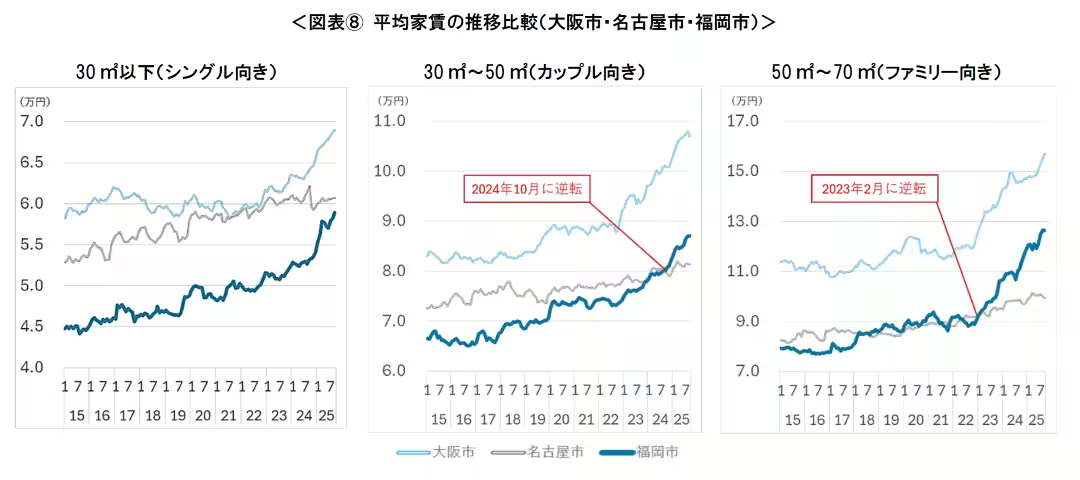
Fukuoka City has emerged as a strong contender in the rental market, frequently landing in the top three cities for rent increases. Notably, it has shown consistent growth across all types of housing, including single-person, couple, and family apartments. The city's strategic location, coupled with recent urban developments, has contributed to its appeal, attracting a diverse population.
4. Increasing Presence of Foreign Residents
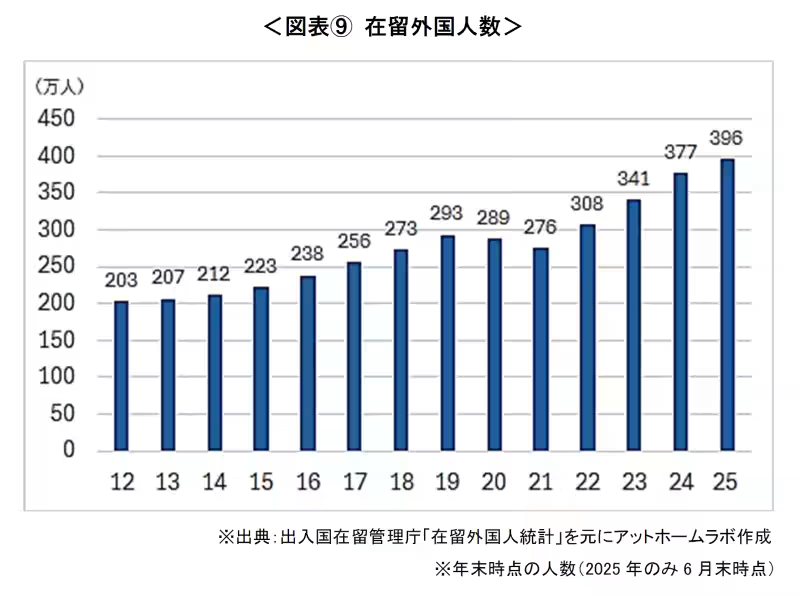
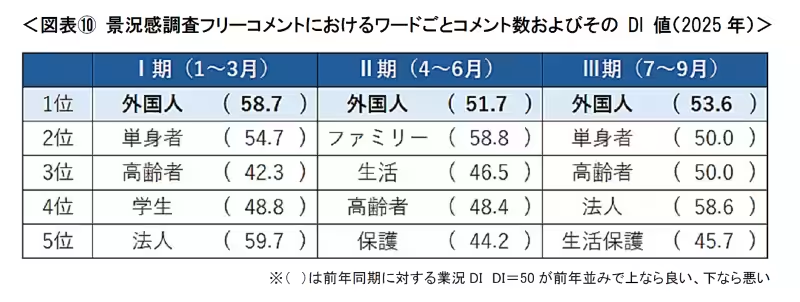
The number of foreign residents in Japan has been on a steady rise, marking a significant trend influencing the rental market. As more companies seek foreign talent amid labor shortages, this demographic is contributing positively to the rental industry. Real estate agents report a noticeable increase in foreign tenants, particularly in corporate contracts and properties leased by affluent individuals. While landlords face challenges with differing lifestyles and cultural nuances, many express readiness and adaptability in working with this diverse tenant base.
Conclusion
The dynamics of Japan's rental market in 2025 reveal significant trends and shifts in tenant preferences and demographics. As rising rents continue to challenge traditional notions of affordability, it remains essential for prospective renters and industry stakeholders to stay informed of these changes. The evolving landscape heralds both opportunities and challenges, hinting at a need for flexible solutions in an increasingly diverse rental environment.
Future Considerations
As we look ahead to 2026, the continuation of rent increases seems inevitable unless there are significant changes in real estate prices and income growth. Understanding these nuanced dynamics will be crucial for navigating the rental market's future in Japan.
Topics Consumer Products & Retail)
【About Using Articles】
You can freely use the title and article content by linking to the page where the article is posted.
※ Images cannot be used.
【About Links】
Links are free to use.