



Navigating the Diplomatic Challenges of Japan as a Small Power Amid Global Giants
The Geopolitics of Small Powers
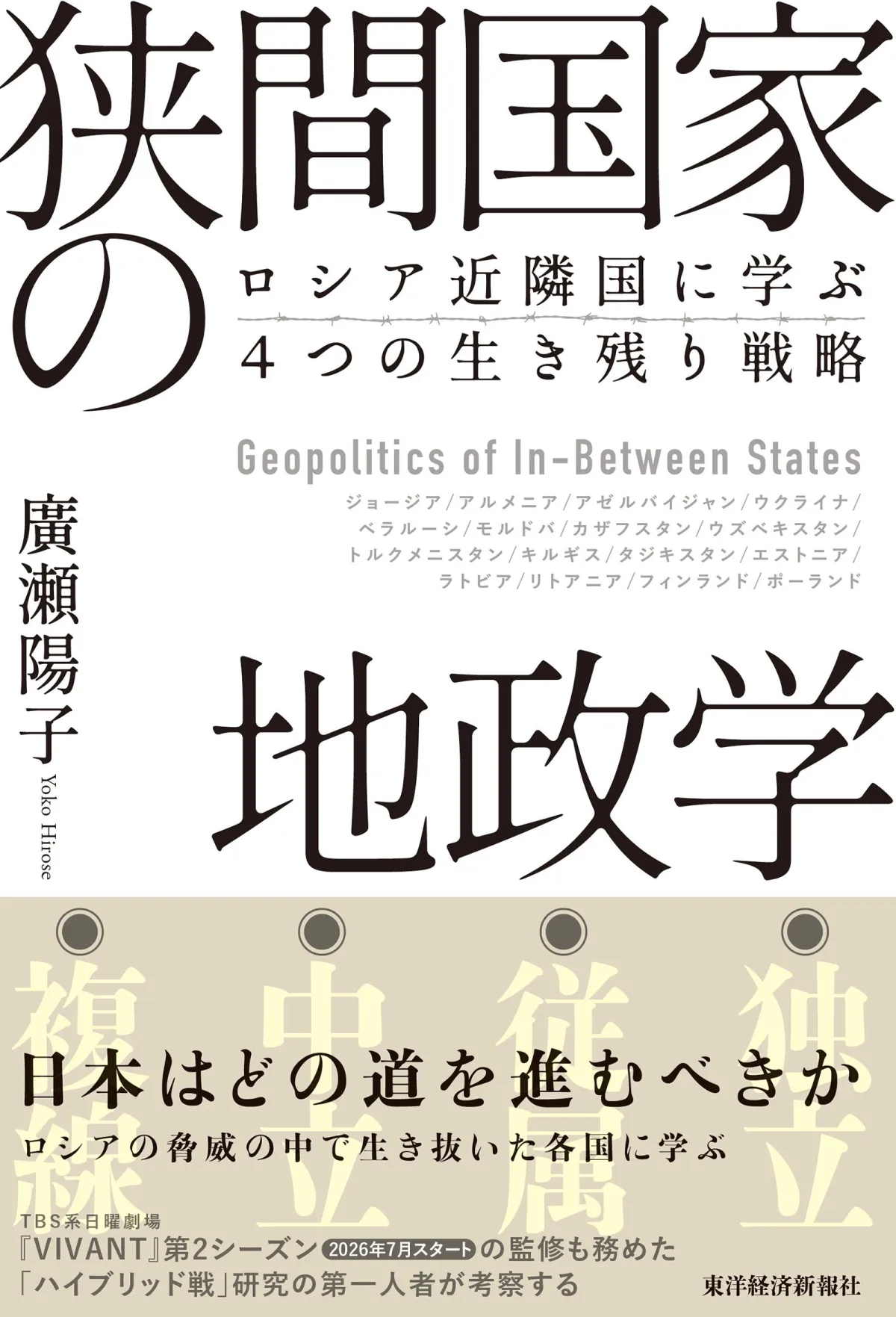
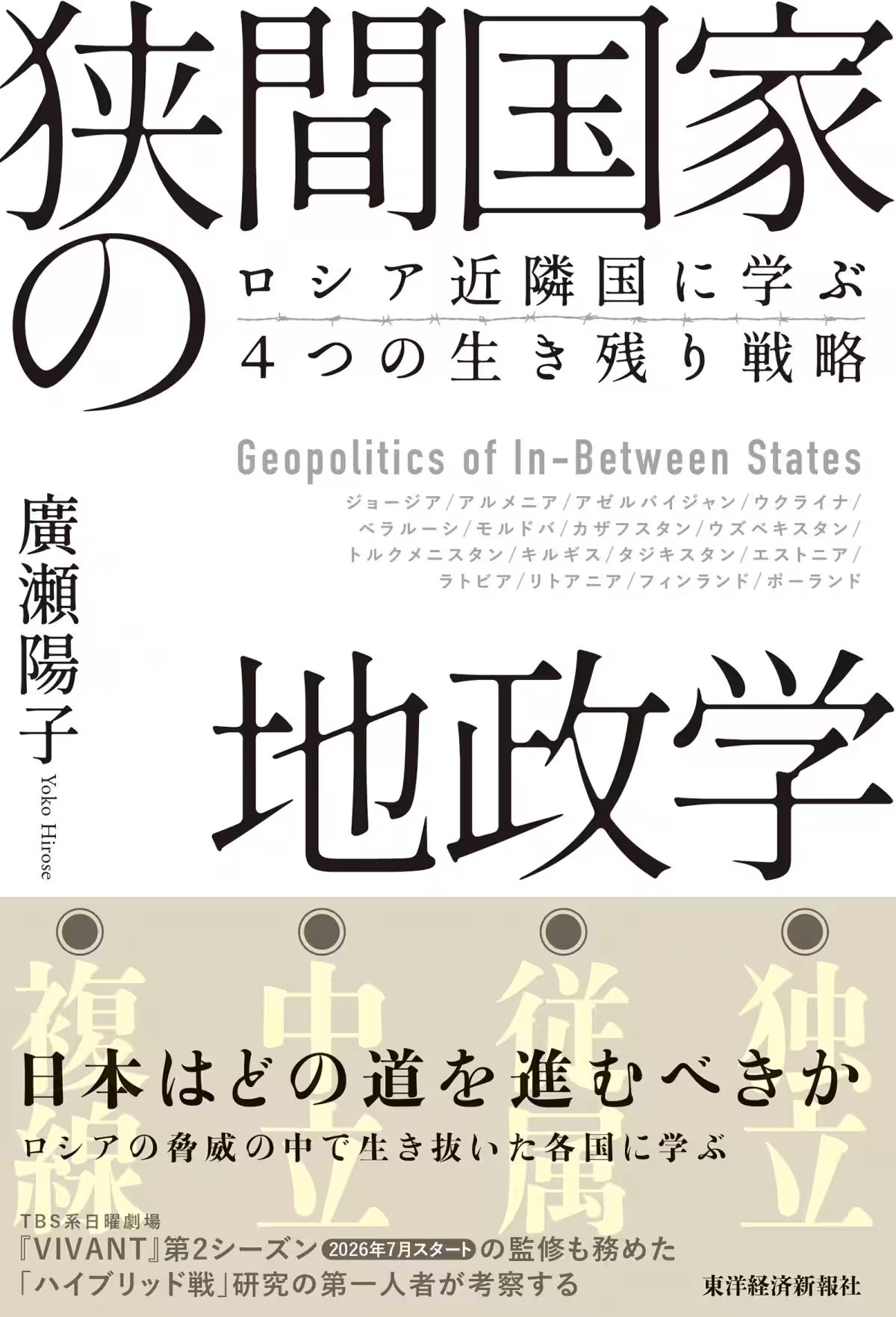
In a world where superpowers such as the United States, Russia, and China hold significant military and economic dominance, smaller nations are often left grappling with how to maintain their sovereignty and existence. The upcoming book "The Geopolitics of Small Powers" by Yoko Hirose, set to be released on August 5, 2026, delves into the complex strategies that these nations employ to survive in a challenging geopolitical landscape.
Understanding the 'Hazy State'
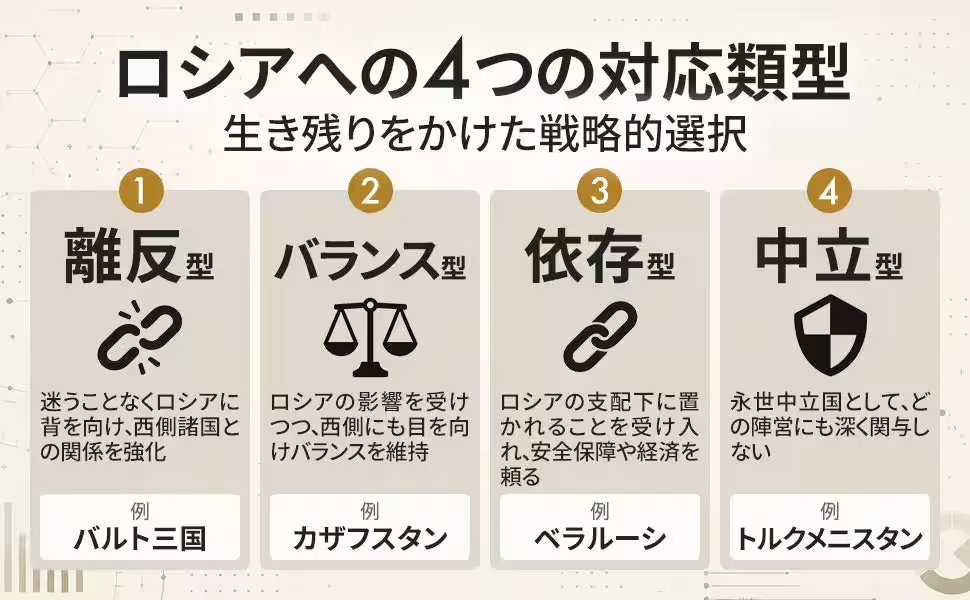
Hirose introduces the concept of "Hazy States" (狭間国家) to define countries that exist in a precarious geopolitical position, particularly those that were once part of the Soviet Union. These nations, bordering Russia, face significant limitations yet have developed unique survival strategies. The book categorizes the political decisions of these former Soviet states into four main types: Defection, Balance, Dependency, and Neutrality. This classification provides insights into how each country navigates threats from powerful neighbors while striving for greater autonomy.
Azerbaijan: A Case Study of Effective Diplomacy
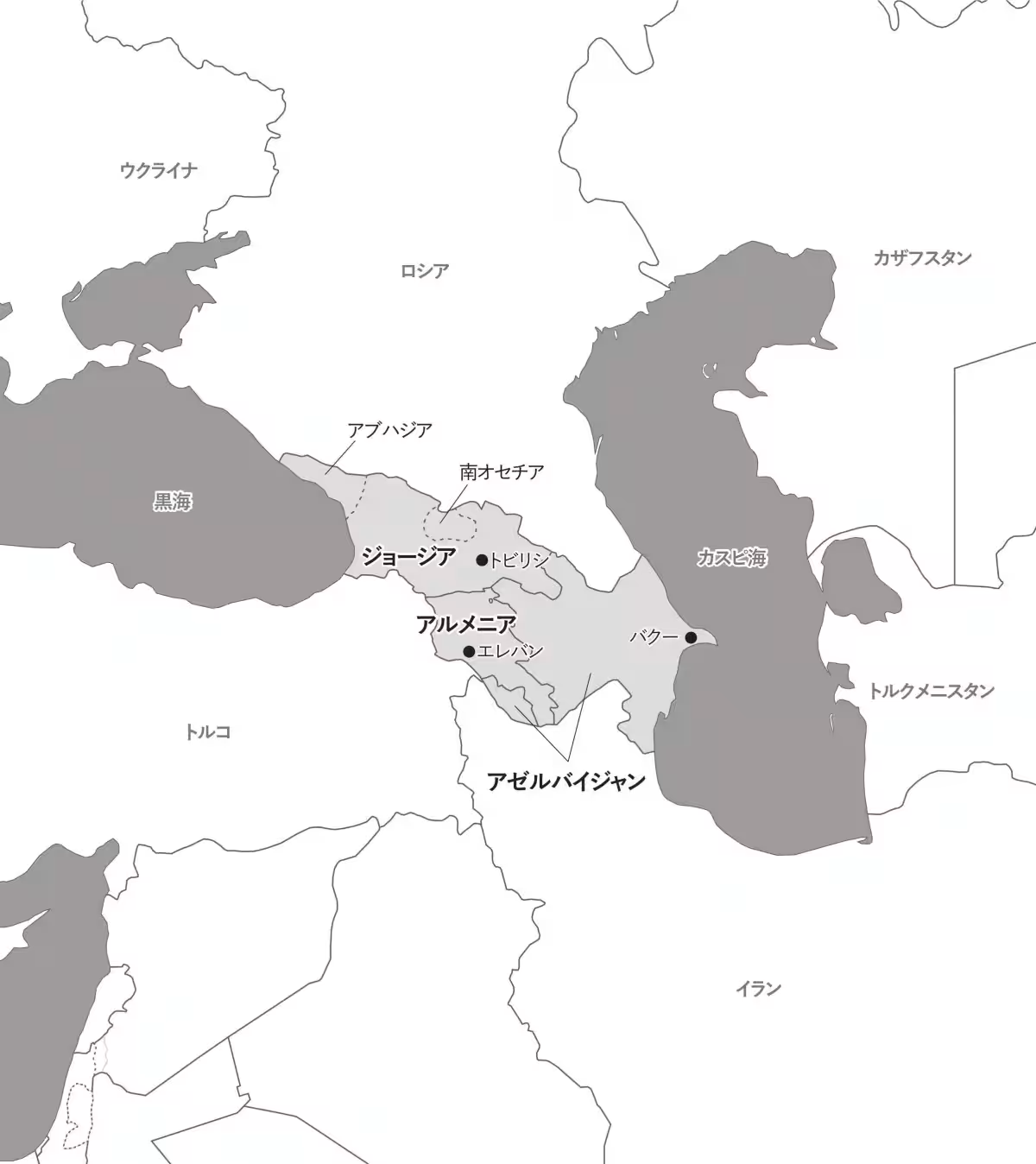
Among these small powers, Azerbaijan stands out as a unique case with its rich resources, particularly oil from the Caspian Sea, leveraging this wealth in its diplomatic strategies. Despite being within Russia's sphere of influence, Azerbaijan has adeptly formed military ties with Turkey and established a partnership with Israel, illustrating a balanced diplomatic approach. Notably, in December 2024, an incident involving an Azerbaijani aircraft led to an unprecedented apology from President Putin, who is typically known for his unwillingness to admit mistakes.
Central Asia's Multi-Pronged Approach
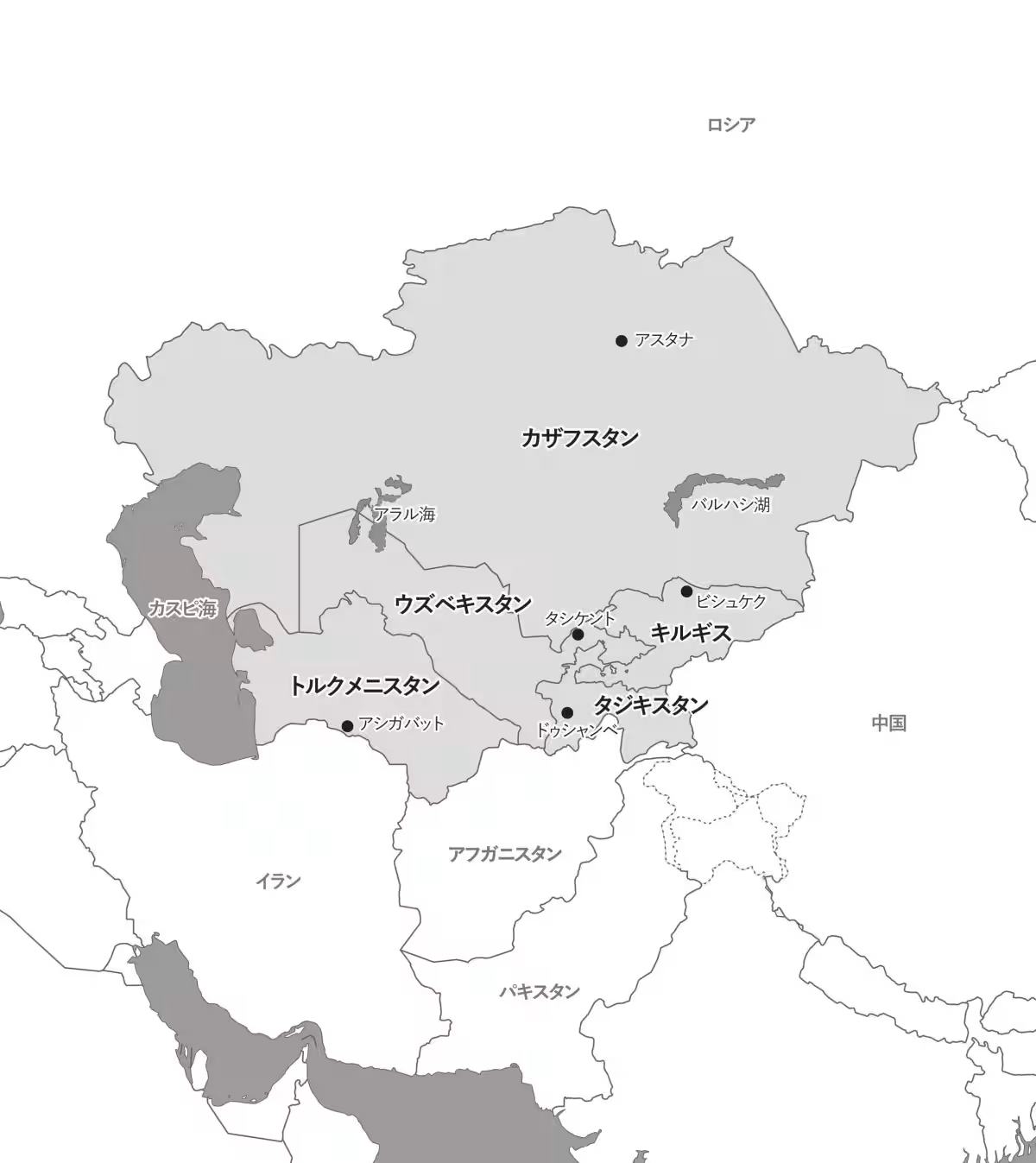
Kazakhstan and Uzbekistan exemplify the wisdom of "multi-lane" strategies in Central Asia. This region, often described as Russia's backyard and a starting point for China's continental ambitions, has successfully navigated pressures from both powers. By maintaining various channels for security, energy, logistics, and finance, these countries mitigate risks associated with dependence on a single power. Kazakhstan, in particular, has shown remarkable skill in pursuing a multi-vector diplomatic approach, keeping security relations with Russia while enhancing ties with China through resources and logistics, and fostering investment relationships with Western nations.
Japan: A Small Power in a Tense Region
As Japan finds itself surrounded by these global giants, the question arises: what path should it take as a small power? Currently, Japan's awareness of hybrid warfare—defined as the modern form of conflict combining military actions with cyber and psychological warfare—is relatively weak. However, recent incidents of cyber attacks from Russia highlight the urgent need for the nation to heighten its awareness of these invisible threats that can impact its sovereignty.
In response, Hirose stresses the importance of enhancing public literacy to combat misinformation and cyber threats. The book introduces the concept of the "Five Cs"—Curiosity, Contact, Critical Thinking, Credibility, and Continuity—as essential skills for citizens to develop in order to navigate the complex information landscape.
1. Curiosity: Encourage a broad interest and engagement with information from various countries.
2. Contact: Foster direct interactions with individuals from diverse backgrounds.
3. Critical Thinking: Cultivate the ability to discern misinformation and make informed choices regarding the information consumed.
4. Credibility: Build trusting relationships through community engagement, including volunteering and donations.
5. Continuity: Promote sustained relationships that evolve over time rather than seeking one-off interactions.
Beyond individual measures, the book also analyzes how Japan, as a nation, can effectively manage its geopolitical risks without being swayed by external powers. It suggests looking at Finland as a model for strengthening resilience, proposing strategies that facilitate a more independent and multi-faceted approach to diplomacy. To thoroughly understand the potential solutions for Japan's survival in this precarious environment, readers are encouraged to explore Hirose's insights in her upcoming book.
Author Profile: Yoko Hirose
Yoko Hirose is a professor at Keio University whose work revolves around international relations and security studies. With numerous influential publications and public advisory roles, she offers a wealth of knowledge in understanding the dynamics affecting small powers in a geopolitical context. Her previous works have garnered significant attention and accolades, marking her as a prominent voice in contemporary geopolitical discourse.
Book Information
Title: The Geopolitics of Small Powers
Author: Yoko Hirose
Release Date: August 5, 2026
Price: ¥2,420 (incl. tax)
ISBN: 978-4-492-44496-2
Published by: Toyo Keizai Inc.
Links: Toyo Keizai Store, Amazon

Topics Policy & Public Interest)
【About Using Articles】
You can freely use the title and article content by linking to the page where the article is posted.
※ Images cannot be used.
【About Links】
Links are free to use.