


Survey Uncovers LGBTQ+ Inclusivity Challenges in Japan's Real Estate Sector
Understanding LGBTQ+ Housing Challenges in Japan
In recent years, the push for diversity and inclusion (D&I) within corporate environments has gained considerable traction. This trend isn’t just limited to forward-thinking companies; it increasingly encompasses various sectors, including the real estate industry. A recent survey conducted by IRIS Co., Ltd. sheds light on the significant barriers LGBTQ+ individuals face when seeking housing in Japan.
Background of the Survey
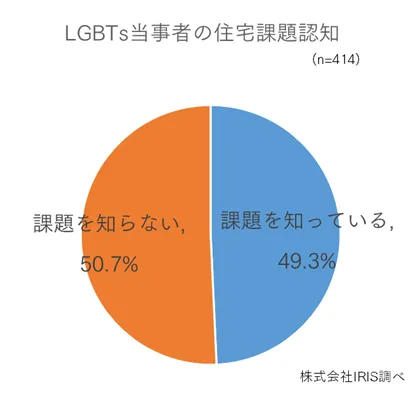
In 2022, IRIS executed a comprehensive study targeting LGBTQ+ individuals aged 16 to 64 across Japan. According to the findings, approximately 49.3% of respondents indicated they were aware of obstacles encountered by sexual minorities in accessing housing. Notably, these hurdles often arise due to preconceived notions regarding same-sex partnerships, inadequate documentation procedures after gender transition, and fears of being outed during the application process.
Realizing the pressing need for systematic change, the Japan Housing Future Conference (JHFC), under the leadership of Keiko Sudoh, convened a further investigation. This initiative sought to outline the real estate industry's response to the needs of LGBTQ+ individuals, involving a questionnaire distributed among various stakeholders in the housing sector, which included both corporate and individual participants.
Survey Insights
The survey, conducted from May 16 to May 20, 2025, targeted 378,460 real estate businesses, resulting in a substantial sample of 665 responses. Of these participants, 17.45% identified as part of the LGBTQ+ community, highlighting a significant representation. To gauge the current landscape, the survey aimed to identify whether real estate companies had adequate procedures to support LGBTQ+ individuals and to provide insights into working conditions within these firms.
Company Self-Assessment
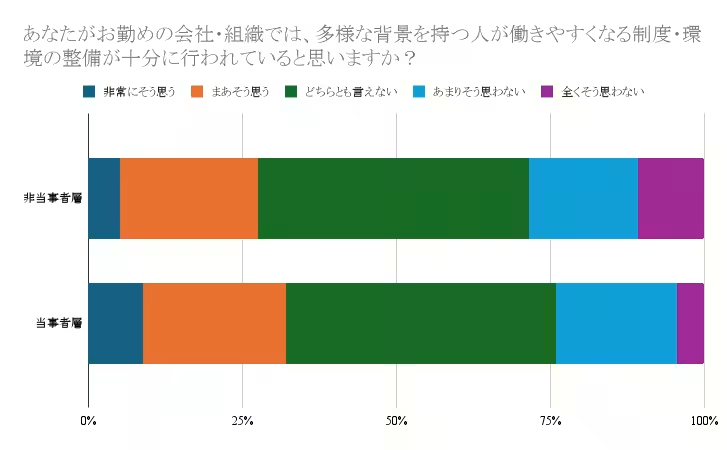
The survey prompted participants to evaluate whether their organizations foster an inclusive working environment for individuals from diverse backgrounds. Results indicated that only 27.7% of respondents believed their companies had effectively addressed these issues. A noteworthy comparison arose between LGBTQ+ individuals' perceptions and those of their non-LGBTQ+ counterparts, with 32.1% of LGBTQ+ respondents feeling their concerns were adequately acknowledged compared to 27.6% from non-LGBTQ+ backgrounds.
Workplace Satisfaction
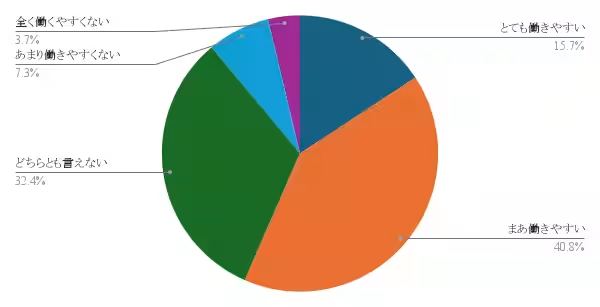
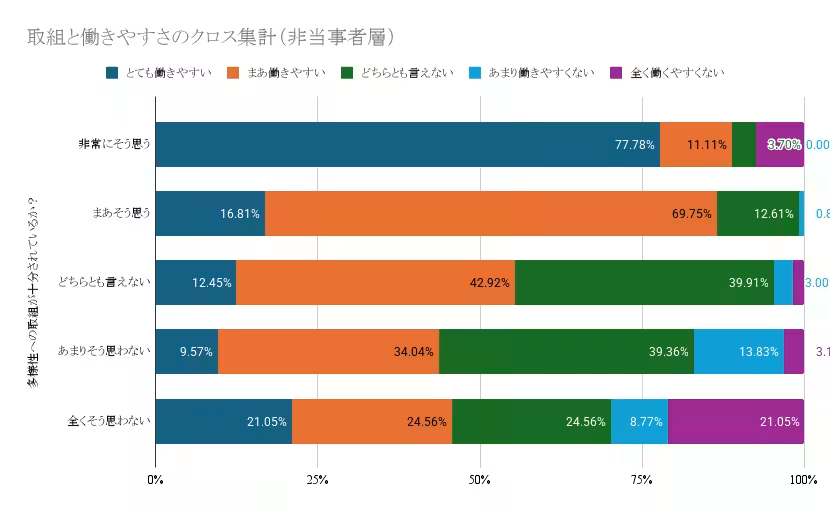
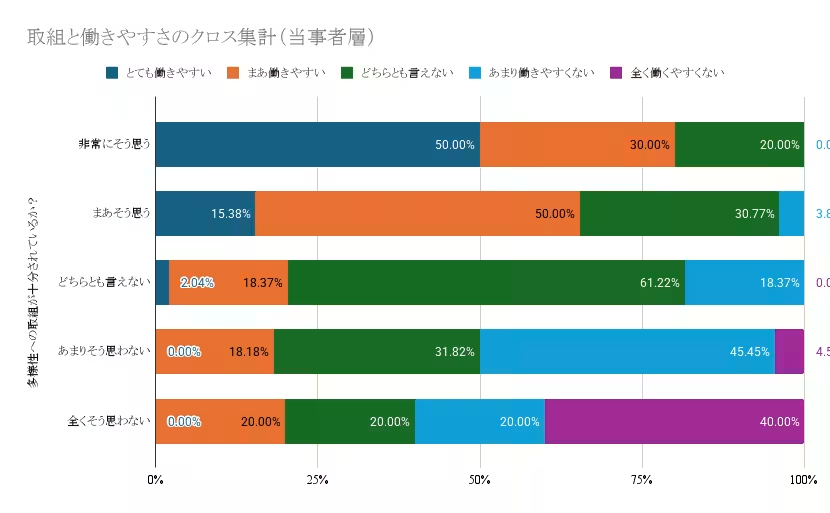
When it came to overall workplace satisfaction, 56.5% of respondents reported feeling comfortable in their work environments. However, JHFC's analysis showed a troubling trend: workplaces lacking significant D&I initiatives reported an increase in both comfort and dissatisfaction among their employees, suggesting a polarization depending on the presence or absence of LGBTQ+ initiatives.
Experiences with LGBTQ+ Clients
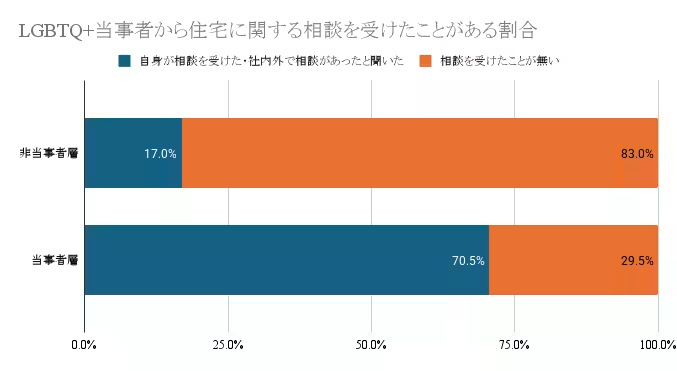
The survey also sought to assess real estate agents' experiences with LGBTQ+ clients. Only 6.6% of respondents had directly received inquiries from LGBTQ+ individuals regarding housing arrangements, while 14.6% noted that their organizations had fielded such inquiries. Alarmingly, a staggering 72.2% stated they had no experience with such requests at all, revealing a significant knowledge gap regarding the LGBTQ+ community’s needs.
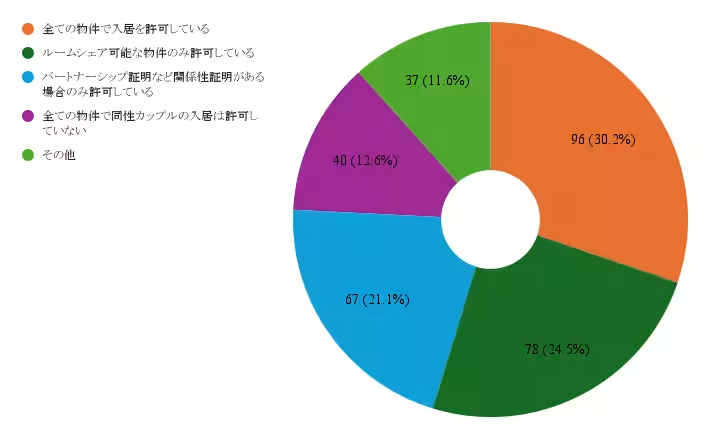
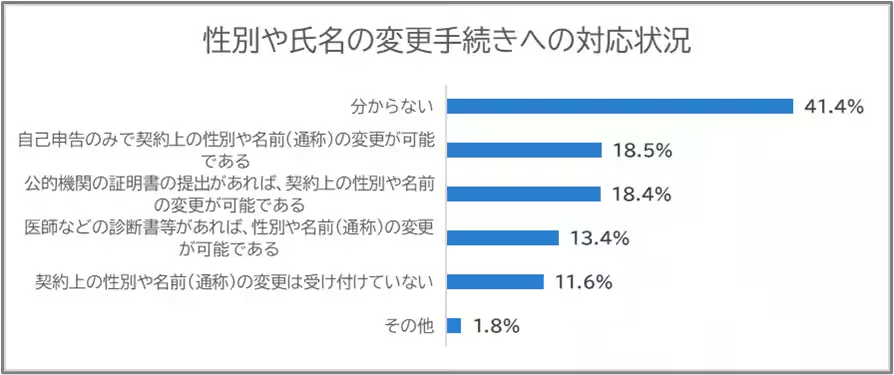
An additional question focused on whether companies permit same-sex couples to reside in their properties, with 30.2% affirming full acceptance under the condition all other criteria are met. Nevertheless, the discrepancy in responses around gender and name changes highlighted persistent challenges, as 41.4% of respondents were unsure of their company's policies regarding such requests.
Conclusion and Next Steps
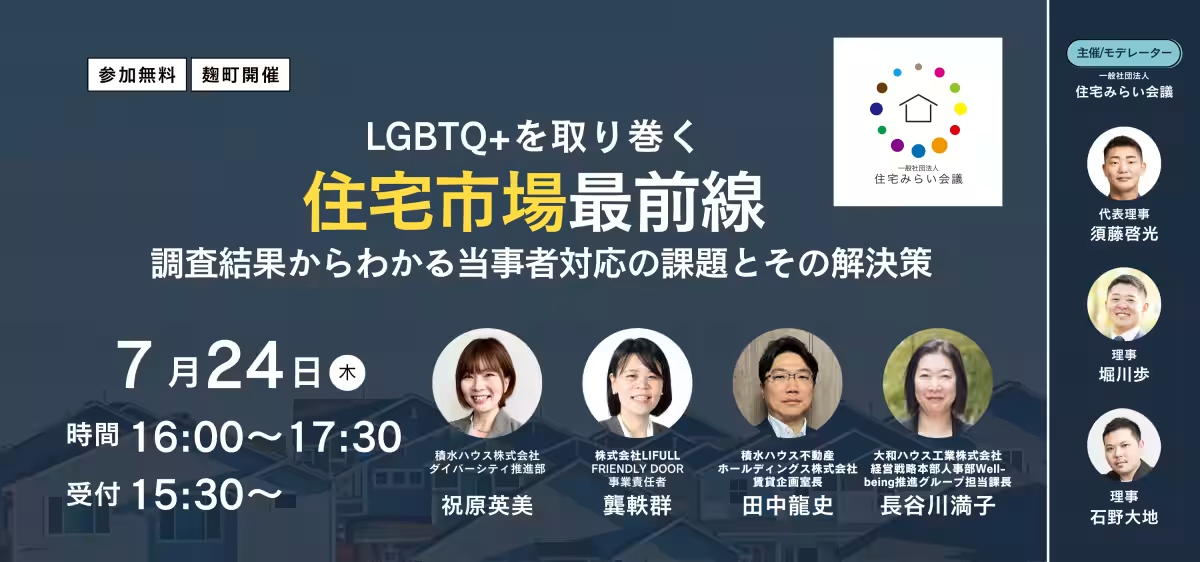
In response to these revelations, JHFC plans to host its inaugural event, titled "The Frontlines of the Housing Market Surrounding LGBTQ+ Issues." This event, scheduled for July 24, 2025, aims to further disseminate the survey results and provide a platform for discussing the pressing issues identified within the real estate landscape.
The necessity for constructive dialogue is paramount. By fostering an open exchange of ideas and strategies, the real estate industry can work toward creating an environment where LGBTQ+ individuals no longer face barriers when seeking safe and appropriate housing.
The survey’s focus on LGBTQ+ issues serves as a wake-up call for the real estate sector. With ongoing dialogue and proactive measures, a more inclusive and supportive housing market is achievable, allowing everyone to find a home where they feel comfortable and accepted.
Topics Consumer Products & Retail)






【About Using Articles】
You can freely use the title and article content by linking to the page where the article is posted.
※ Images cannot be used.
【About Links】
Links are free to use.