



Impact of Naphtha Shock: Consumer Awareness and Concerns on Daily Products
Understanding the Naphtha Shock Effect
A recent survey conducted by Cross Marketing reveals that awareness of the Naphtha Shock has captured significant attention among the Japanese public, especially concerning its influence on everyday products such as kitchen supplies, cleaning items, and food containers. The study took a demographic of individuals aged 20 to 69 from across Japan and highlights key facets of consumer awareness and recycling intentions relating to the ongoing situation in the Middle East, specifically the blockade of the Strait of Hormuz.
Survey Findings
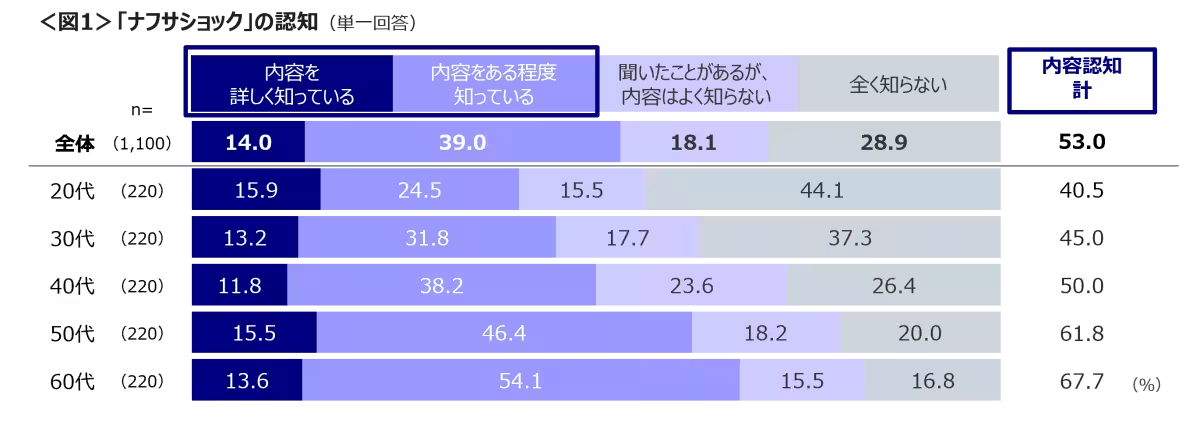
According to the survey results, 14% of participants stated that they are well-informed about the details surrounding the Naphtha Shock, while an additional 39% consider themselves somewhat informed, bringing the total to 53%. Interestingly, the older participants were more likely to be knowledgeable about the issue, with a stark contrast in the findings among younger individuals; 44.1% of those in their 20s reported being completely unaware.
Impact on Products
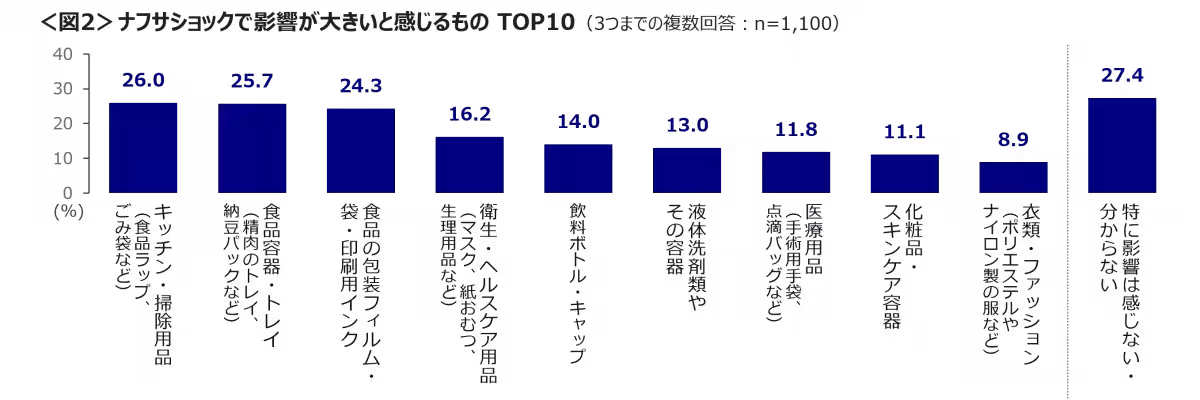
When asked about which products they believe would be significantly affected by changes in naphtha prices or supply issues, respondents highlighted kitchen and cleaning supplies, food containers and trays, and food packaging films as the top three categories that would feel the pinch. Approximately 27.4% of participants expressed uncertainty about the impact, suggesting a divided perception regarding the severity of the situation.
Conscious Consumption Shifts
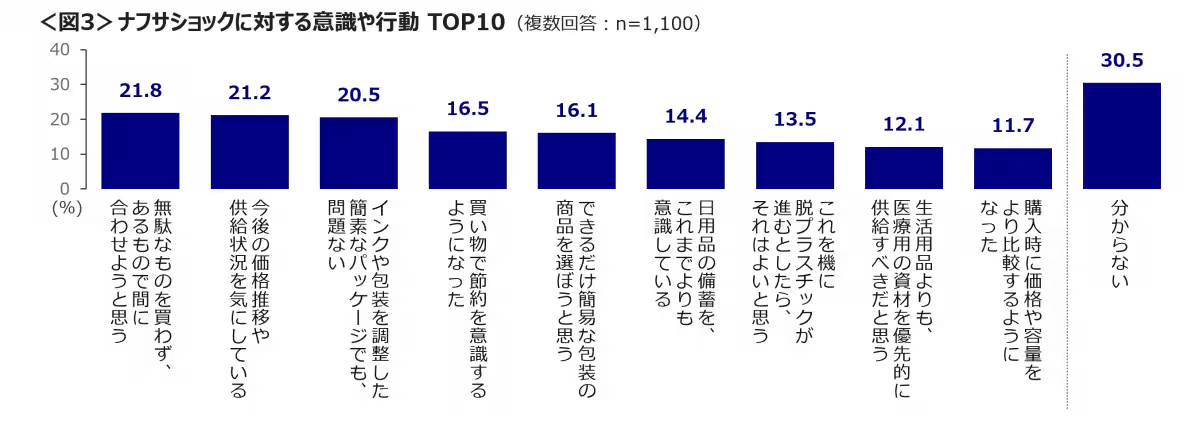
Regarding consumer behavior in response to the Naphtha Shock, around 20% of respondents indicated intentions to avoid unnecessary purchases and showed awareness of price trends and supply conditions. Moreover, a similar percentage mentioned they would be comfortable with simple packaging adjustments, indicating a willingness to adapt. Notably, a significant number (30.5%) remained unsure of how to react, reflecting the confusion surrounding the issue.
Recycling Trends
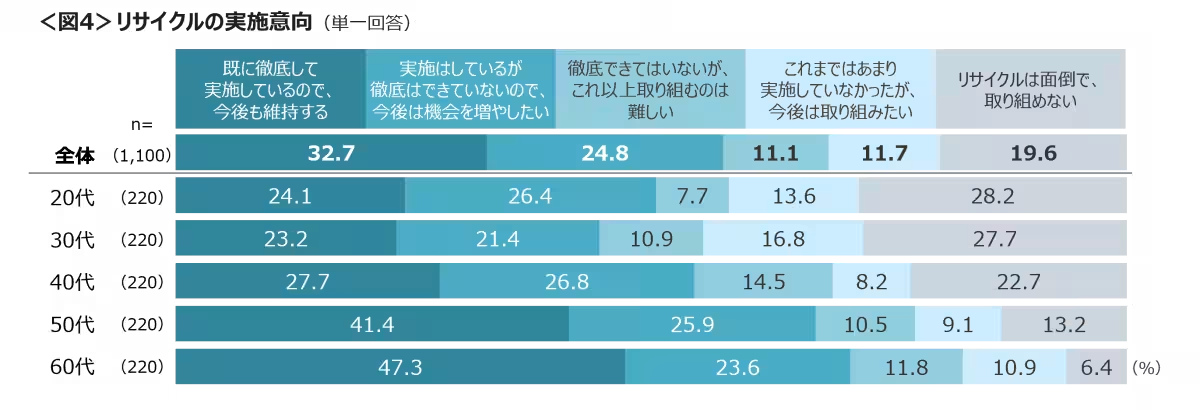
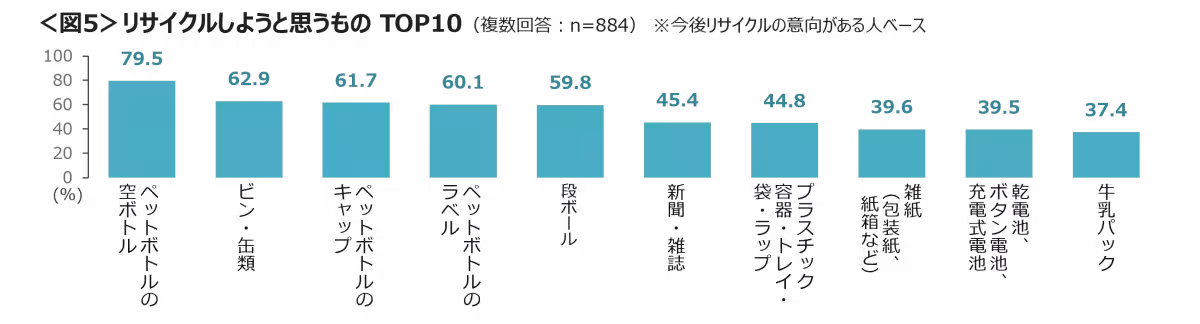
As societies become more conscious of resource utilization, recycling has emerged as a prominent topic. The survey results showed that 32.7% of participants are already practicing recycling thoroughly and plan to continue doing so. Conversely, 19.6% find recycling to be a hassle and feel they are unable to participate actively. The inclination to recycle products such as empty PET bottles was notably high at 79.5%, followed by glass and aluminum cans, and other related items.
Feelings About the Naphtha Shock
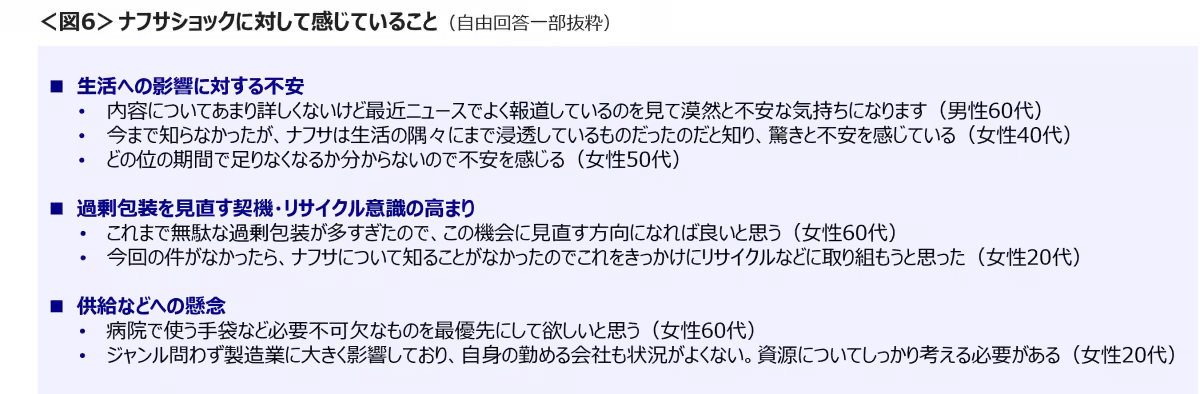
Many respondents expressed concerns regarding the potential impacts of the Naphtha Shock on their daily lives, citing anxiety over excessive packaging and a growing awareness about recycling. This suggests that the current situation could serve as a catalyst for a more environmentally conscious mindset among consumers.
Conclusion
The Naphtha Shock brings to light not only economic concerns but also the pressing need for consumers to reassess their buying habits and recycling practices. As awareness grows, it is crucial for companies and consumers alike to navigate these changes responsively. The ongoing conversation around naphtha's supply and the resultant changes in consumer behavior will be pivotal in shaping market trends and sustainability efforts for the foreseeable future.
For more insights into the survey findings and to explore detailed visuals, visit the Cross Marketing report at Cross Marketing.
Topics Consumer Products & Retail)
【About Using Articles】
You can freely use the title and article content by linking to the page where the article is posted.
※ Images cannot be used.
【About Links】
Links are free to use.