




Decoding the Elements of Effective Sales Letters with Cognitee's AI Analysis
Understanding Sales Letters: A Deep Dive Into Structure
In the world of sales, the importance of clear and engaging communication cannot be overstated. Cognitee, a Tokyo-based company specializing in visualizing organizational challenges using AI, has shifted the narrative by introducing a new analysis of sales letters. Their latest content within the '解体新書' (Disassembly Manual) video series dives deep into the composition and effectiveness of sales letters and emails, providing invaluable insights for sales professionals.
The modern salesperson often expresses frustration at not seeing results, despite crafting messages they believe should resonate with their audience. Common concerns like "Are they even being read?" or "Is trust being established through my words?" point to underlying structural issues rather than the message itself. This initiative by Cognitee aims to clarify and visualize the art of sales communication, focusing on how best to articulate sales thoughts in written form.
The Genesis of the Analysis
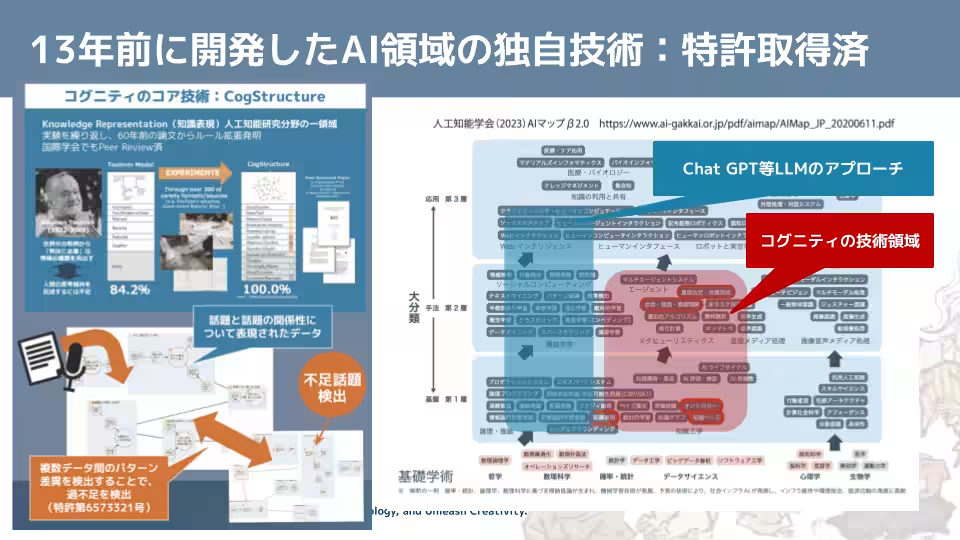
Cognitee employed its proprietary AI, 'CogStructure,' developed over 13 years ago. This tool sets itself apart from the more commonly known generative AIs, as it dives into not just word formation, but the intrinsic relationships between topics and structures within communications. By analyzing dialogue and text, it identifies patterns that relate to logical flow and topic arrangement, transforming subjective impressions into objective assessments of communication effectiveness.
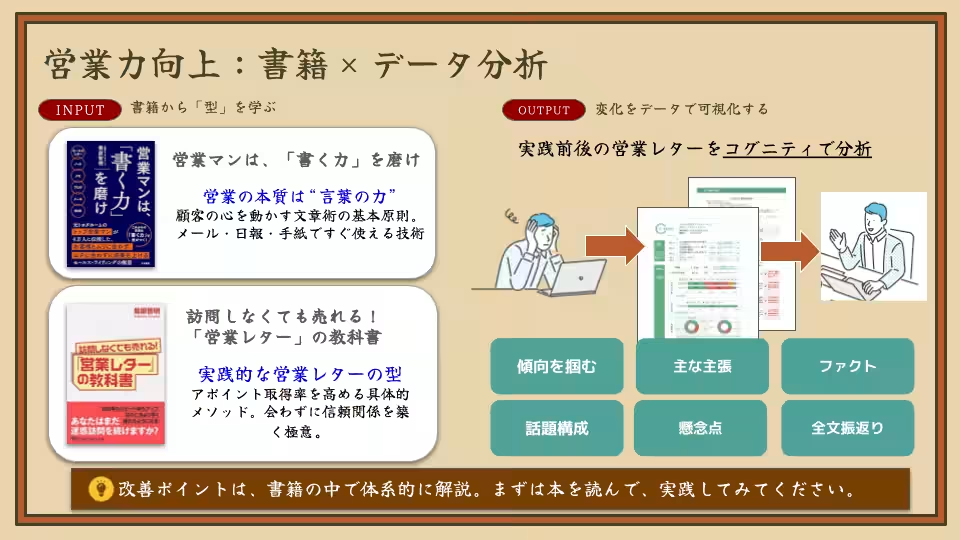
This most recent analysis utilized the tool "COG-ESSAY" to dissect sales letters from Tomoaki Kikuhara, a leader at Sales Support and Advisory Company. Kikuhara has established a successful approach to sales by centering on written correspondence, portraying the efficacy of succinct and strategic messaging.
Key Findings from the Analysis
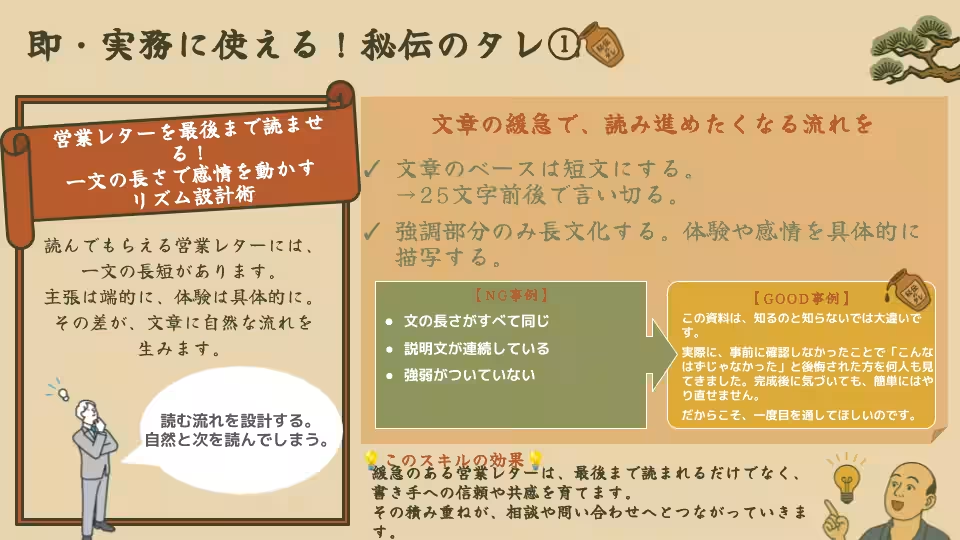
1. Brevity and Rhythm:
Cognitee's analysis revealed noteworthy characteristics of successful sales letters. For instance, Kikuhara's letters employed short and impactful sentences. While many sales messages may become verbose in an effort to explain thoroughly, resulting in reader fatigue, his letters maintained a rhythm by breaking down information into digestible, shorter segments. A defining element was the contrast between brief assertions and longer narratives that provided context, allowing for a varied pacing that keeps the reader engaged.
2. Conversational Engagement:
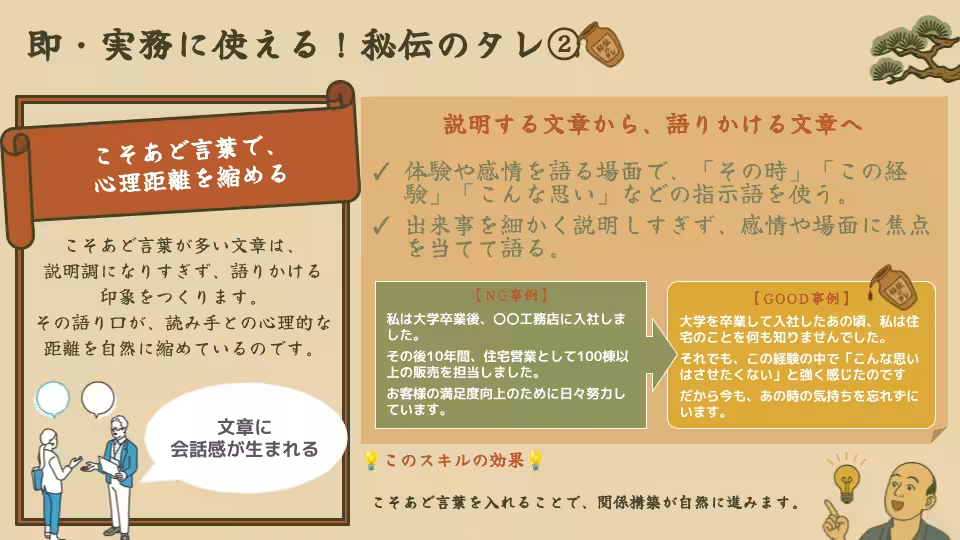
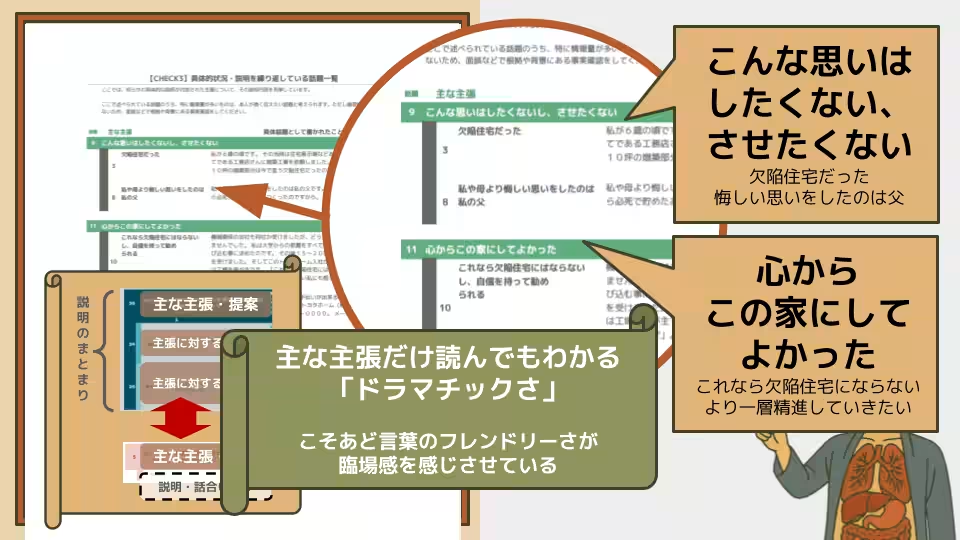
The successful use of demonstrative language, like 'that moment' or 'this experience,' made the letters feel conversational rather than purely informative. Despite the common advisement that too many implied contexts can obfuscate clarity, Kikuhara's style used these elements effectively to draw readers into a narrative rather than a standard informative relay. Readers do not merely absorb information; they visualized the scenarios being described, creating a more engaging experience.
3. Emotional Storytelling:
The flow of Kikuhara’s sales letters was not a simple list of facts but rather a structured narrative that guided readers through a journey of emotional resonance. By addressing shared experiences or frustrations at the outset, he effectively established a connection, allowing the reader to empathize before presenting solutions. This method of weaving personal insight into suggestions enriched the letter, making the content memorable and appealing.
Learning from Experts: A Necessary Skill in the AI Era
In a recent discussion between Kikuhara and Cognitee’s leadership, the topic centered around the prevalent challenge sales professionals face with written communication. They highlighted the need to translate idealistic writing theories into practical, applicable formats that sales teams can utilize in real-time.
Kikuhara emphasized the importance of providing templates and frameworks that allow individuals to immediately apply what they learn. By creating a cycle of writing drafts, analyzing them, and then implementing feedback, practitioners can see tangible improvements over time. As AI takes over many analytical roles, the capacity to forge personal relationships through written correspondence remains vital.
Building Resilient and Repeatable Skills
Cognitee's ongoing efforts aim at creating structured forms around traditionally subjective skills, allowing businesses to enhance their communication through evidence and structured guiding frameworks. As they continue to evolve their analysis services, one objective remains clear: to empower organizations to nurture trust and establish connections through improved communication strategies.
In conclusion, as audiences become increasingly discerning, the need for effective written communication in sales remains paramount. Cognitee’s insights into the art of sales letters serve as a valuable resource in an evolving marketplace where personal touch and clarity can set professionals apart.


Topics Consumer Products & Retail)
【About Using Articles】
You can freely use the title and article content by linking to the page where the article is posted.
※ Images cannot be used.
【About Links】
Links are free to use.