



Understanding Whitening Trends in Oral Care: Youth and Sensitivity Insights
Understanding Whitening Trends in Oral Care: Youth and Sensitivity Insights
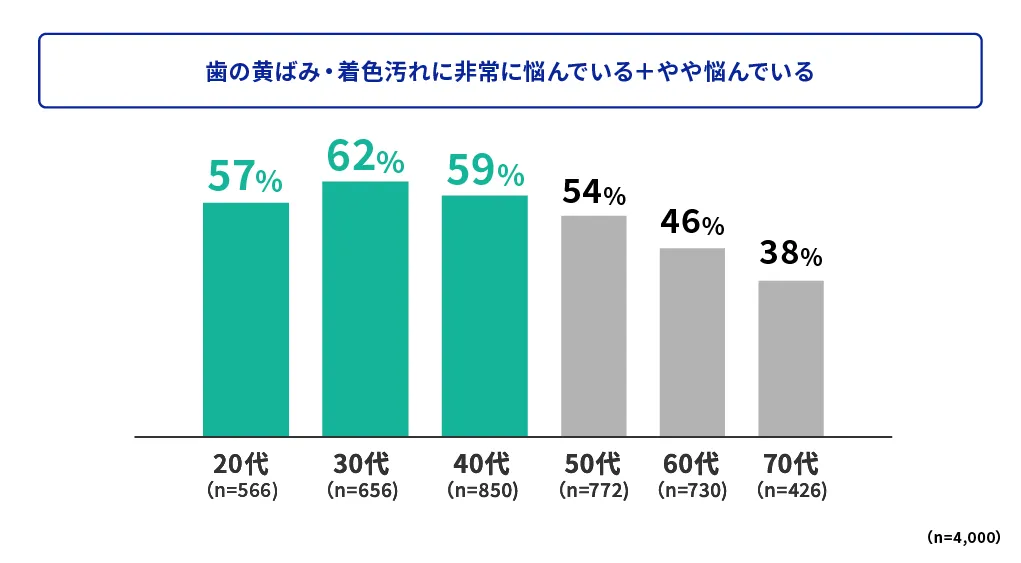
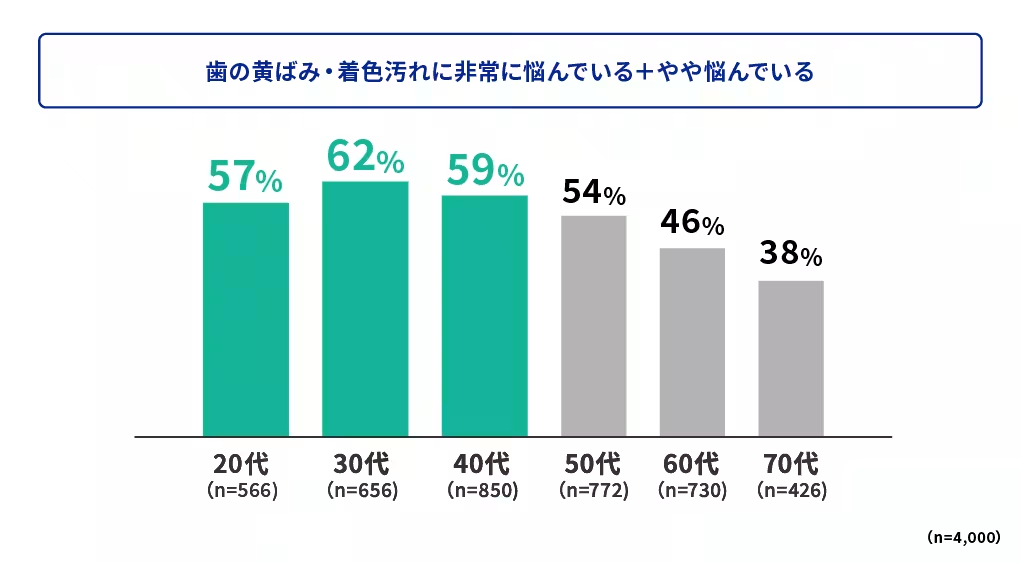
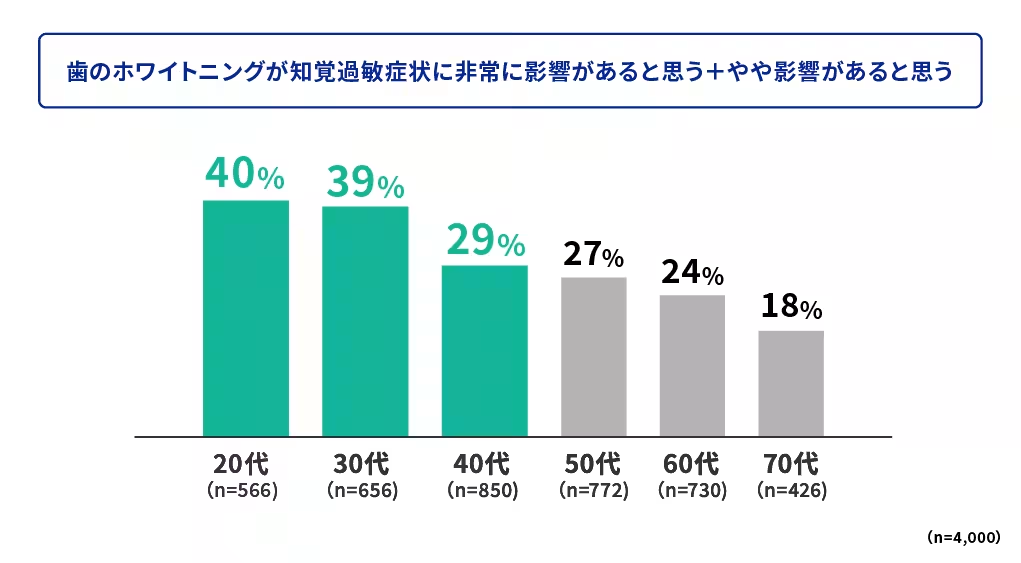
Recent studies highlight a growing awareness among young adults aged 20-40 regarding the color of their teeth. Approximately 60% of individuals in this age group express concerns about yellowing and staining. This preoccupation with having whiter teeth often coincides with an alarming rate of sensitivity issues, as more than half of them also report experiencing dental sensitivity. Yet, only around 40% recognize the potential connection between whitening treatments and sensitivity symptoms.
Haleon Japan, under the leadership of CEO Mari Nogami, conducted extensive research to delve deeper into the implications surrounding teeth whitening and dental sensitivity. Their study results, compiled from surveys conducted in 2025 and 2026, indicate that not only is the desire for whiter teeth prevalent, but so is the risk of sensitivity symptoms about the same amount.
Insights from the Study
Conducted nationwide during the end of 2024 to early 2025, the sensitivity survey included 4,000 participants aged 20 to 70. The findings revealed that a notable 60% of young adults are noticeably stressed about their teeth's coloration. Interestingly, for those heavily invested in the pursuit of a brighter smile, more than 60% have faced sensitivity issues triggered by environmental factors such as cold foods and drinks. This discrepancy highlights a significant gap in awareness about the risks linked to whitening.
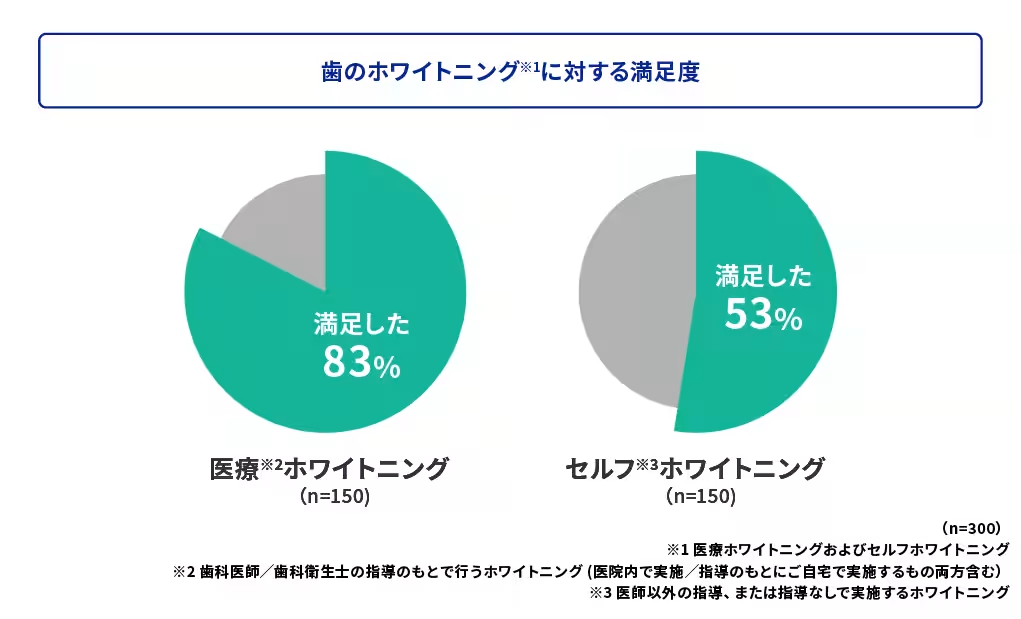
In a separate survey targeting individuals aged 20-40 who had previous whitening experiences, which included 300 respondents, the results revealed stark contrasts in satisfaction levels depending on the type of procedure. Medical whitening treatments—conducted under professional guidance—yield a satisfaction rate of 83%, while self-whitening procedures saw only 53% satisfaction. This suggests a profound difference in outcomes based on preparatory measures involving professional consultation.
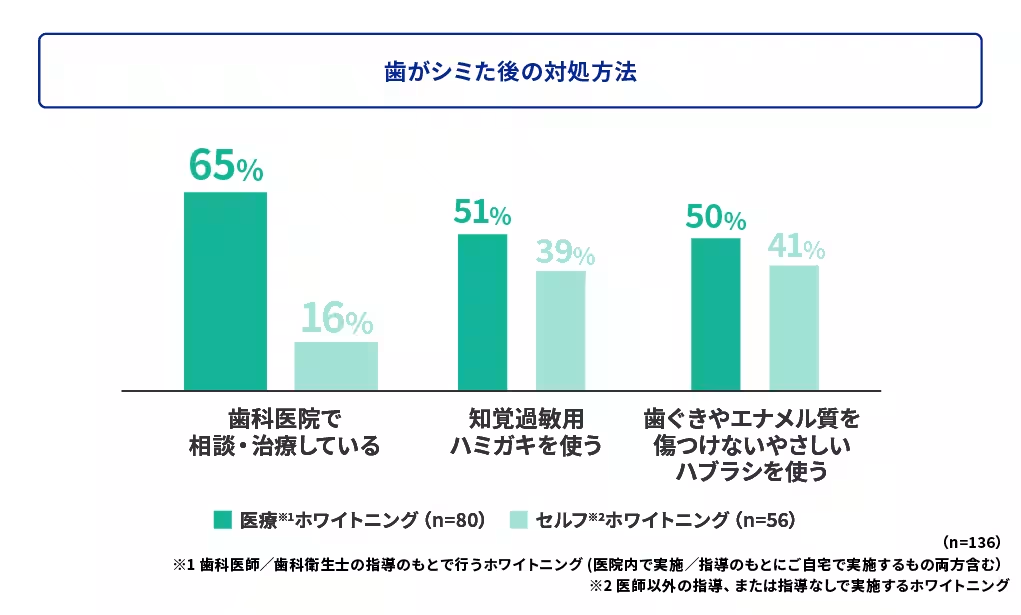
The data also infers that the satisfaction of individuals partaking in teeth whitening is significantly augmented when they engage in preventive care, such as dental consultations and using sensitivity toothpaste prior to undergoing any whitening treatments. The importance of combining professional advice with home care emerges as a critical element for successful whitening procedures, emphasizing the need for informed decision-making.
Recommended Practices and Emerging Trends
One of the key solutions posed by experts in the field is utilizing a

Topics Consumer Products & Retail)
【About Using Articles】
You can freely use the title and article content by linking to the page where the article is posted.
※ Images cannot be used.
【About Links】
Links are free to use.