



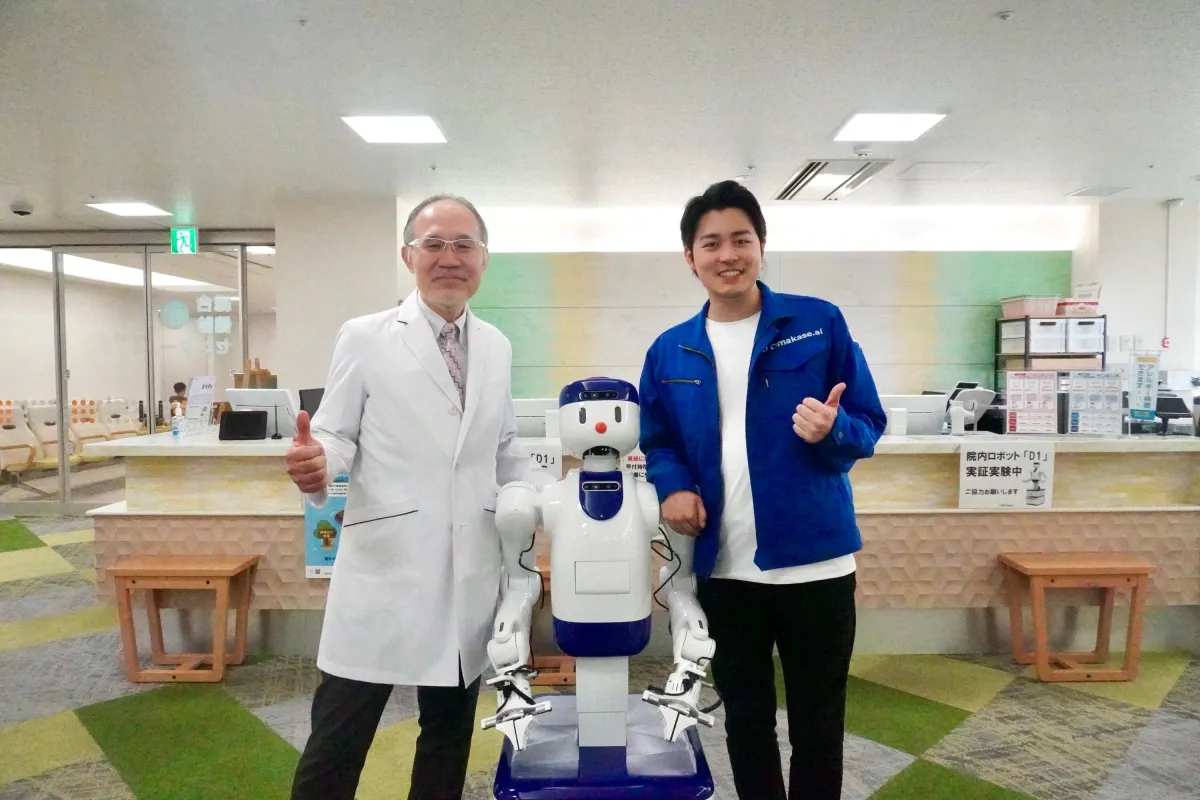
Innovative D1 Humanoid Robot Debuts in a Japanese Hospital for Operational Testing
Introduction of D1 Humanoid Robot in Healthcare
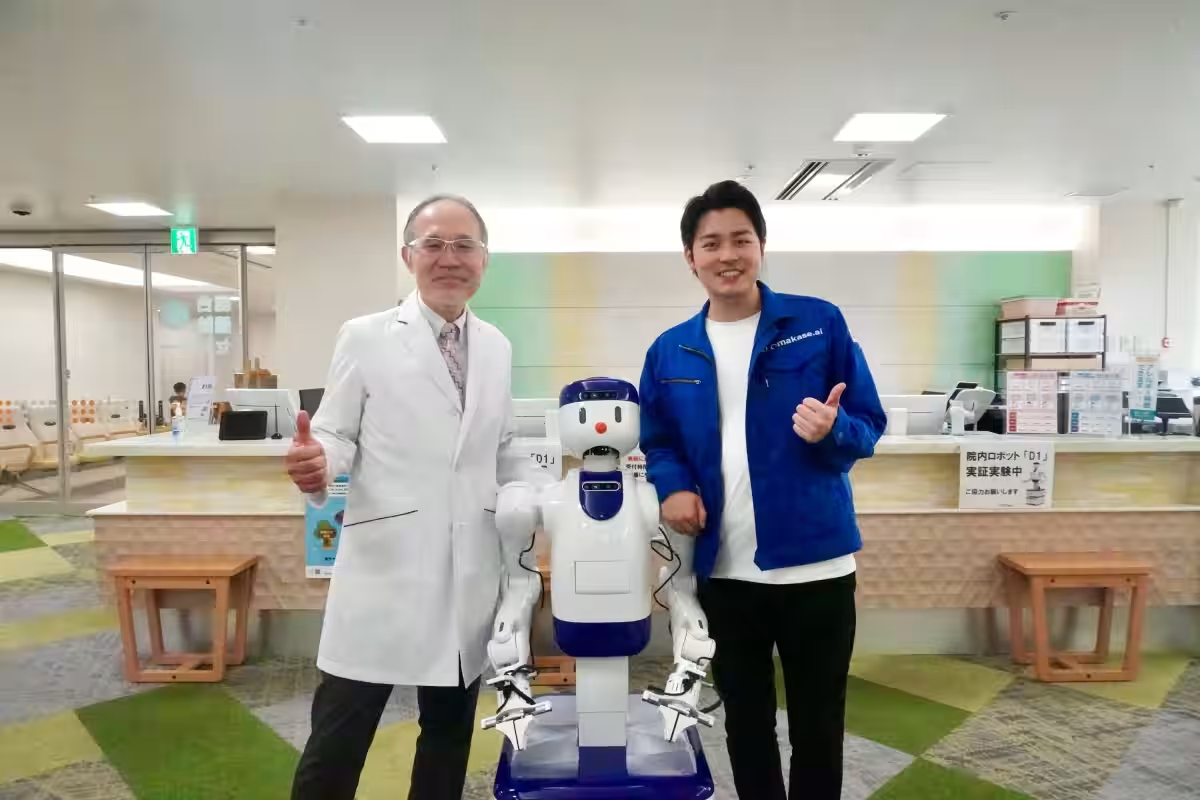
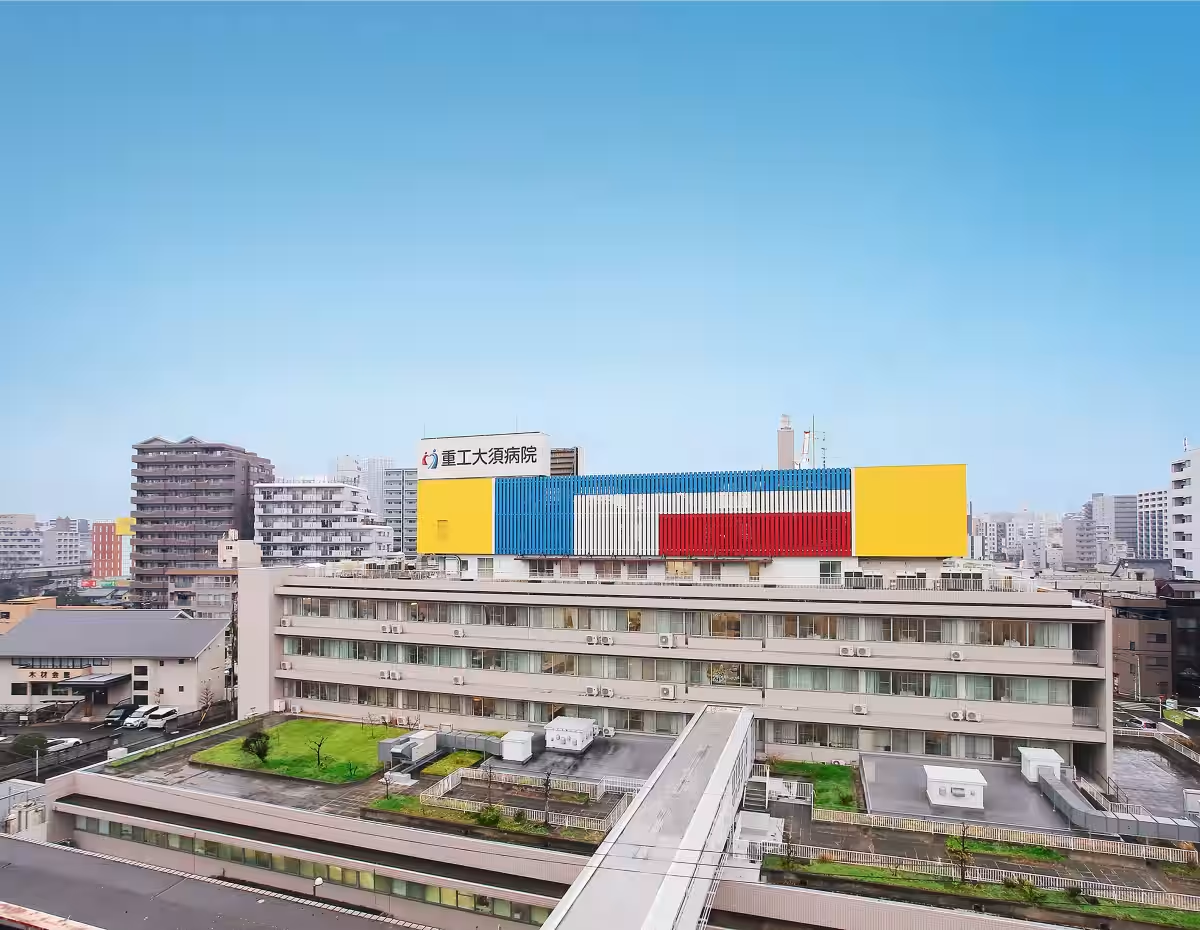
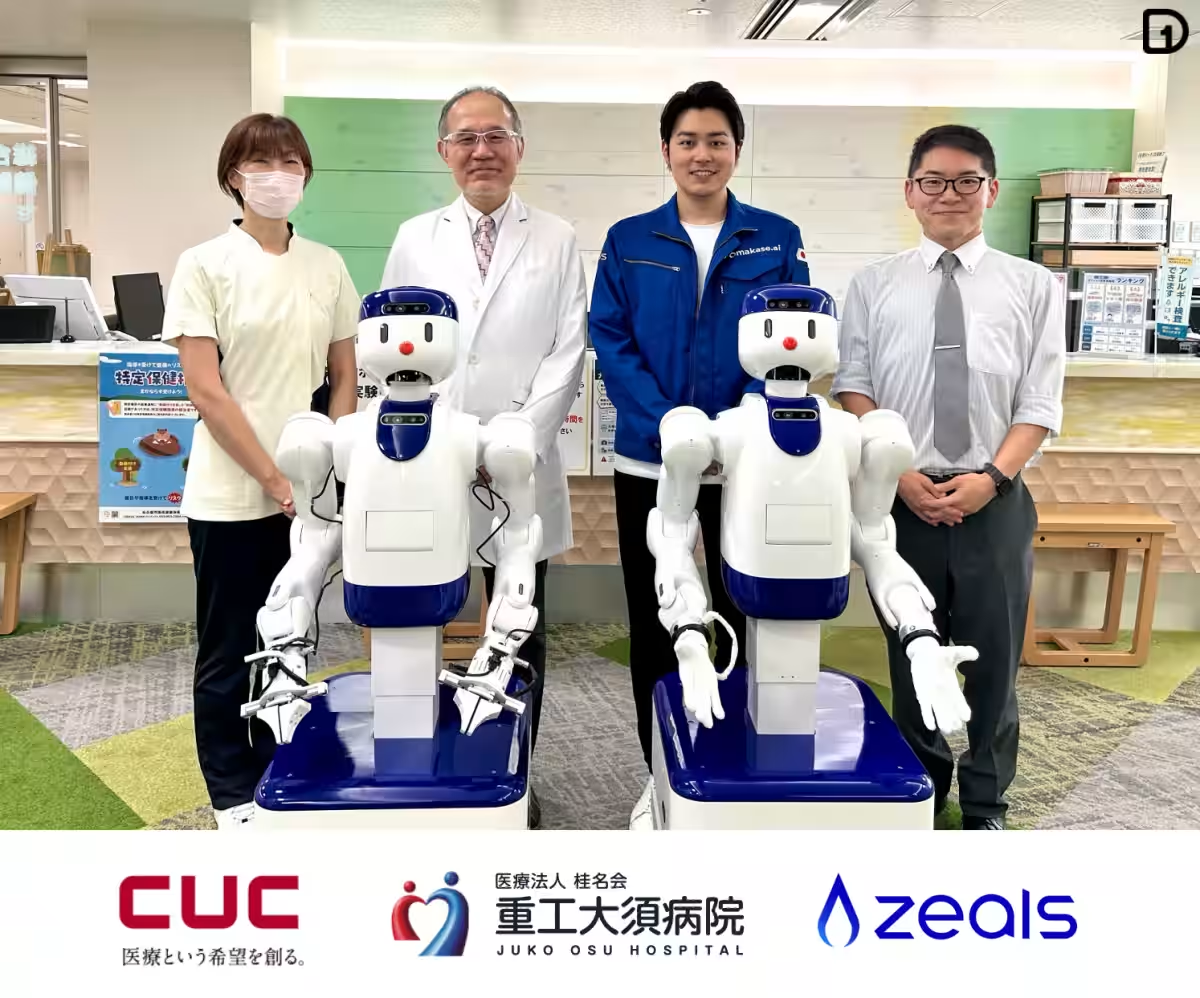
In a significant leap for healthcare technology, Japanese company ZEALS has taken a bold step in integrating robotics within medical facilities. From August 26 to 28, 2026, the company implemented a proof of concept (PoC) for its compact humanoid robot, the D1, in collaboration with CUC Co., Ltd. at the Jyukokai Heavy Industries Osu Hospital. This initiative aimed to verify the robot's capabilities across five healthcare-related tasks, including patient guidance, light object transport, tea preparation, dining assistance, and physical exercise facilitation.
Safety as a Priority
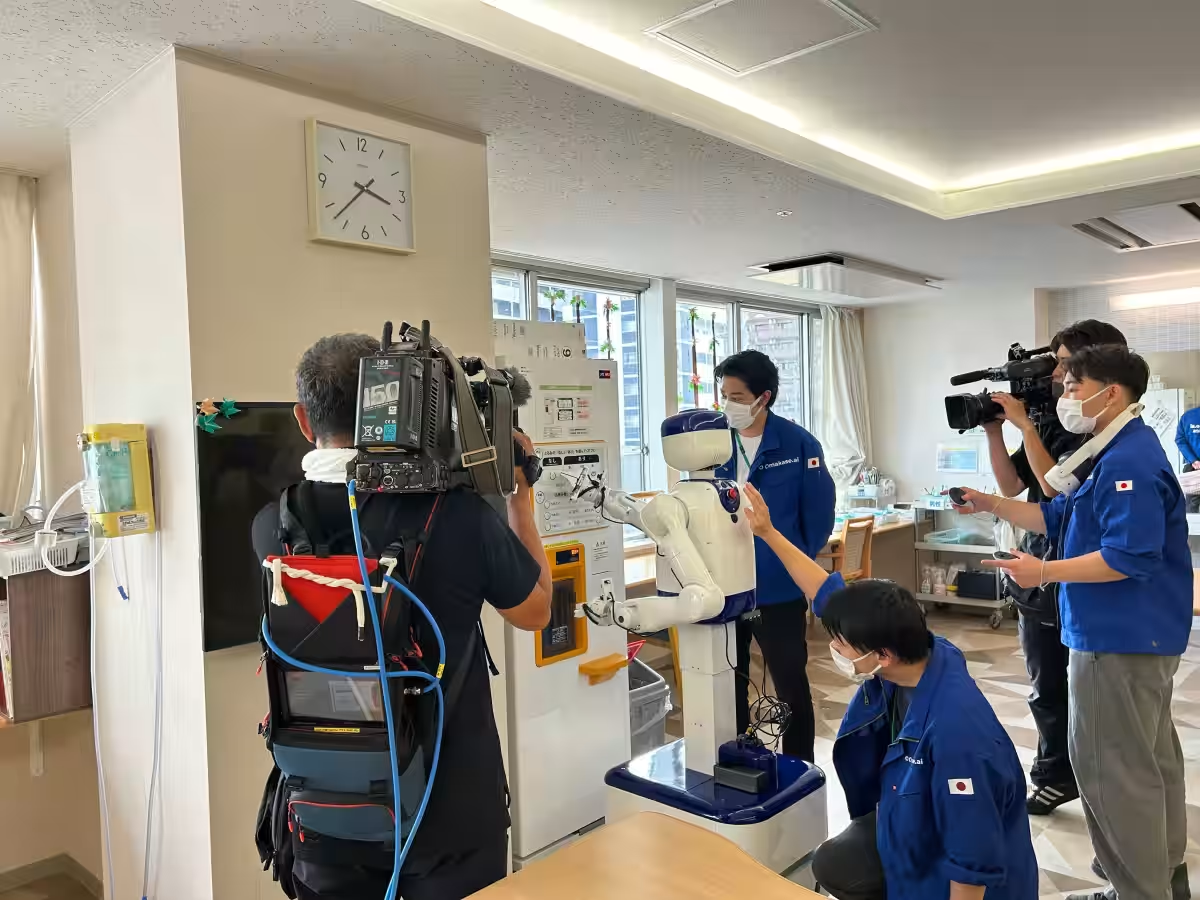
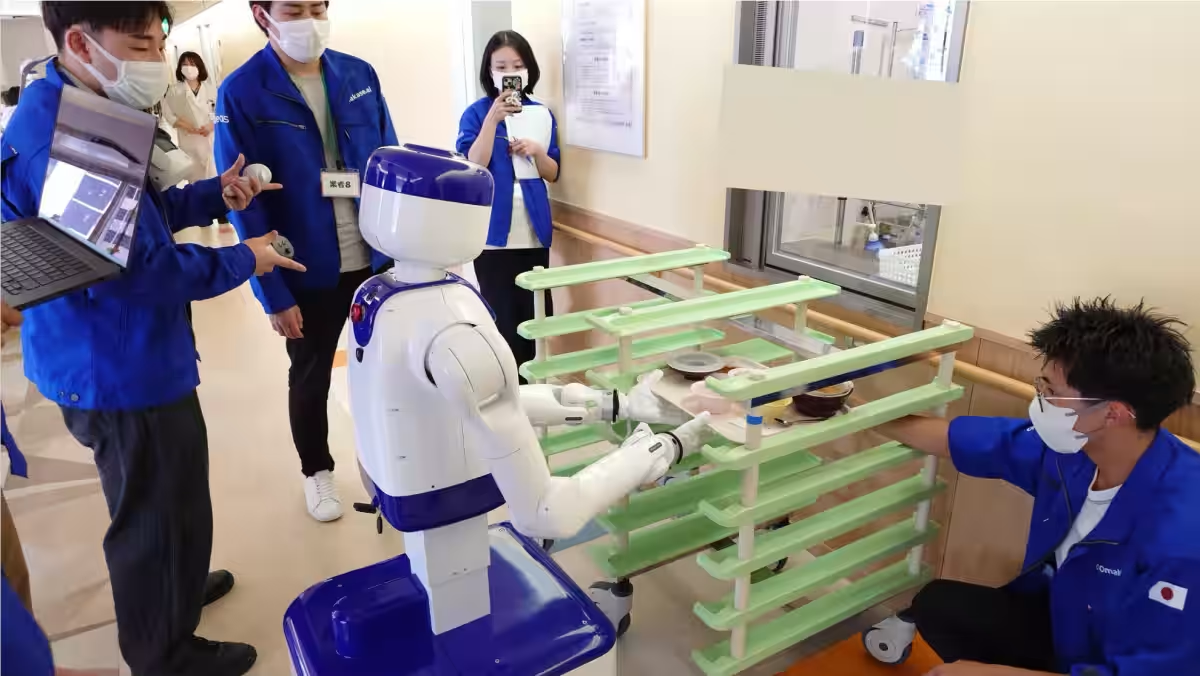
Ensuring a safe operational environment was paramount during the testing phase. With careful planning, specific areas and time slots were designated for the D1's deployment. Robot engineers from ZEALS were on-site to monitor operations, with a system in place for remote control and emergency stops, continuously assessing the passageways busy with patients, wheelchairs, and medical staff.
During the three-day run, the D1 executed all assigned tasks without any incidents of falling or human contact, highlighting the robot’s potential to coexist and interact safely in a hospital setting.
Addressing Workforce Challenges
As healthcare facilities face chronic labor shortages, healthcare professionals often juggle multiple responsibilities beyond patient care. The implementation of robots like D1 aims to alleviate some of these burdens, allowing healthcare workers to focus on patient-centered tasks. ZEALS has previously tested humanoid robots in clinical environments, and this latest trial builds upon those earlier findings.
In March 2026, the company embarked on a proof of concept at Tsukuba University Hospital using a commercially available humanoid robot, Unitree G1, paired with their proprietary Omakase OS software. The outcomes demonstrated autonomous bipedal mobility, conversational navigation, transport tasks, and abnormality detection, leading to successful trials without incidents.
D1’s Specifications and Capabilities
D1 is designed specifically for Japan's confined indoor spaces, measuring approximately 129.3cm in height and about 48cm in width. It incorporates advanced AI technologies allowing for natural dialogue, navigation, obstacle avoidance, and manipulation tasks involving item preparation and transportation. As the healthcare sector evolves, the D1 robot joins a network of innovations with the aim of improving workflow efficiency.
D1's development includes world-class technology and components, paired with an operational model tailored to Japanese healthcare needs. The projected cost per unit starts at 5 million yen, with consultation services available from August 5, 2026.
Comprehensive Testing Processes
Throughout the testing period, the following tasks were assessed:
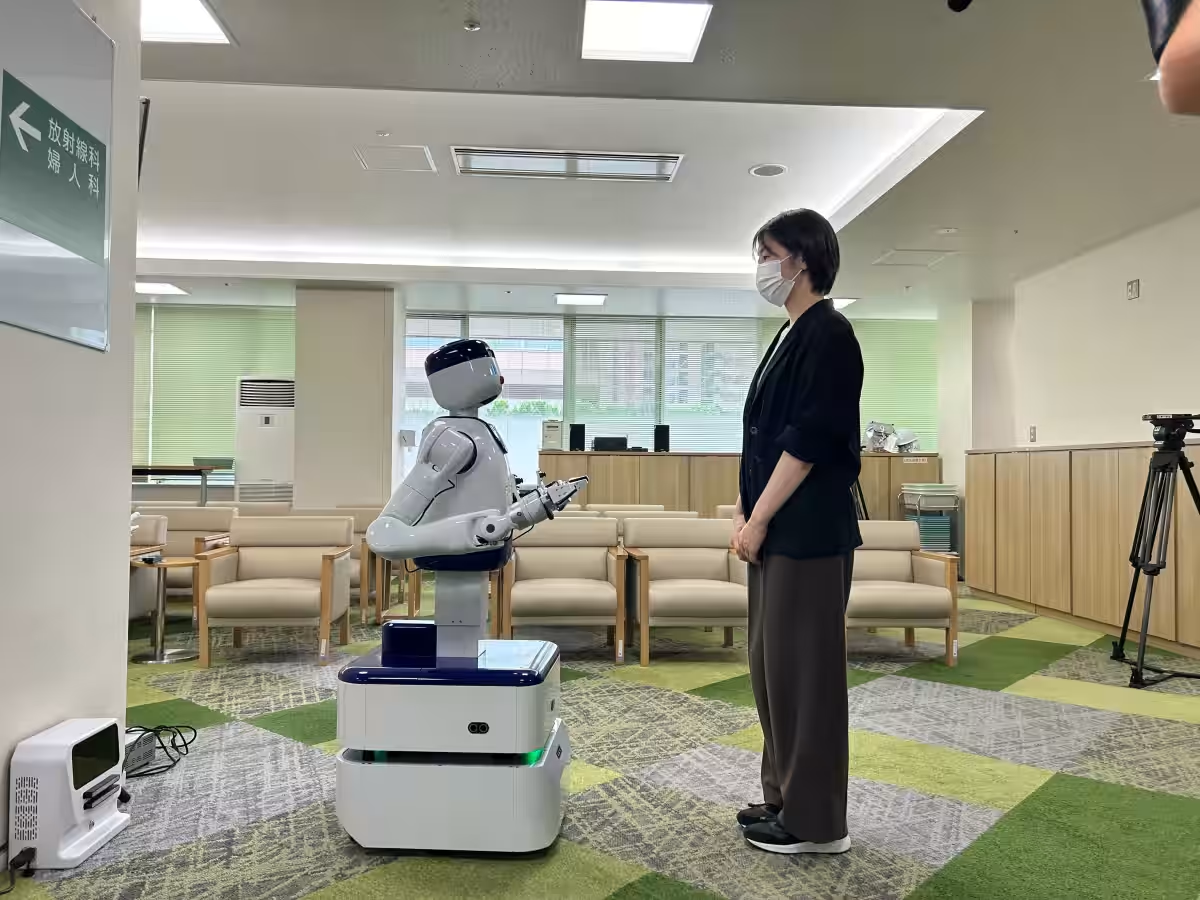
1. Patient Guidance: D1 assisted patients in navigating the hospital by conversing and employing camera and sensor data to guide them accurately.
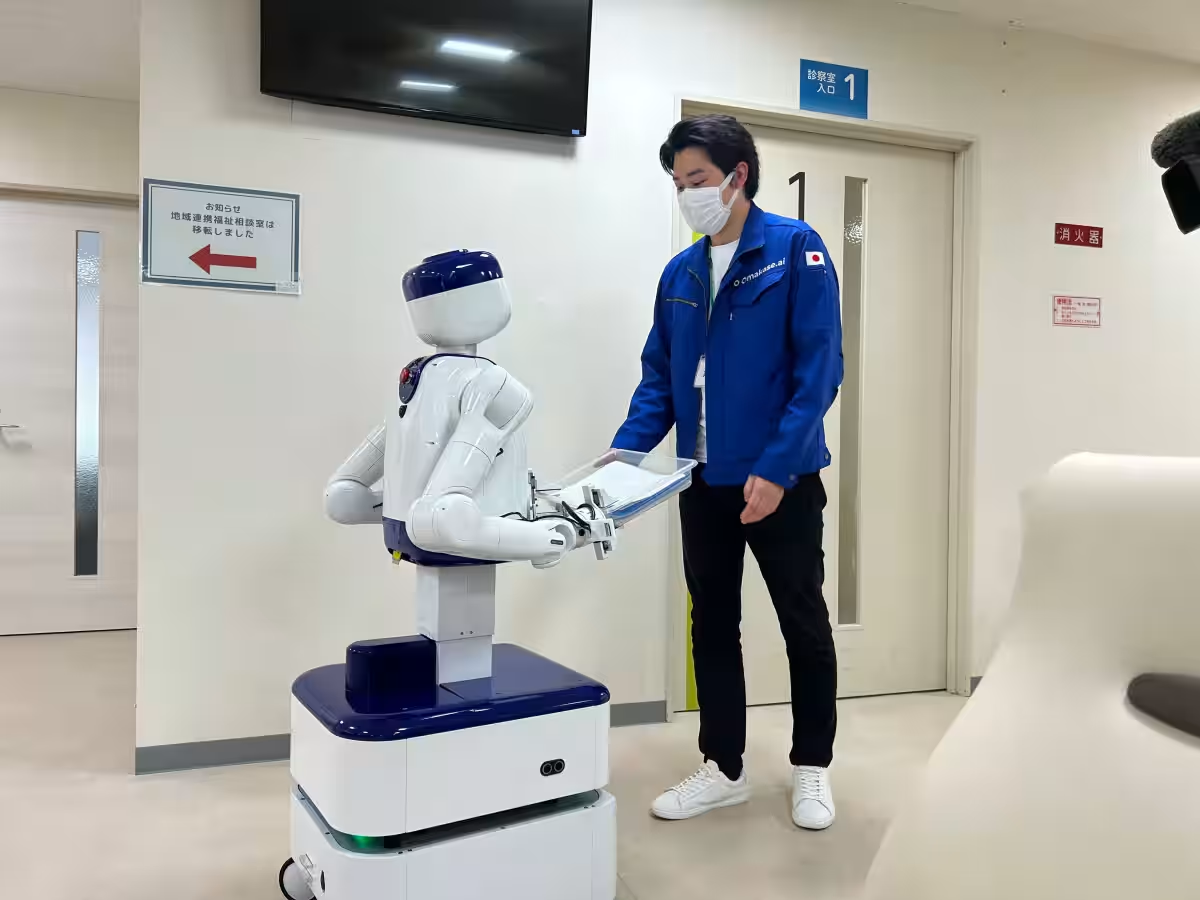
2. Light Object Transport: Tasks involved transporting light items within various departments, successfully recognizing verbal instructions and autonomously navigating spaces.
3. Tea Preparation: Utilizing a tea dispenser, D1 prepared beverages tailored to patient specifications by recognizing visual and auditory commands.
4. Dining Assistance: The robot aided with tray collection and handling to streamline meal processes, enhancing functionality in collecting data on food consumption.
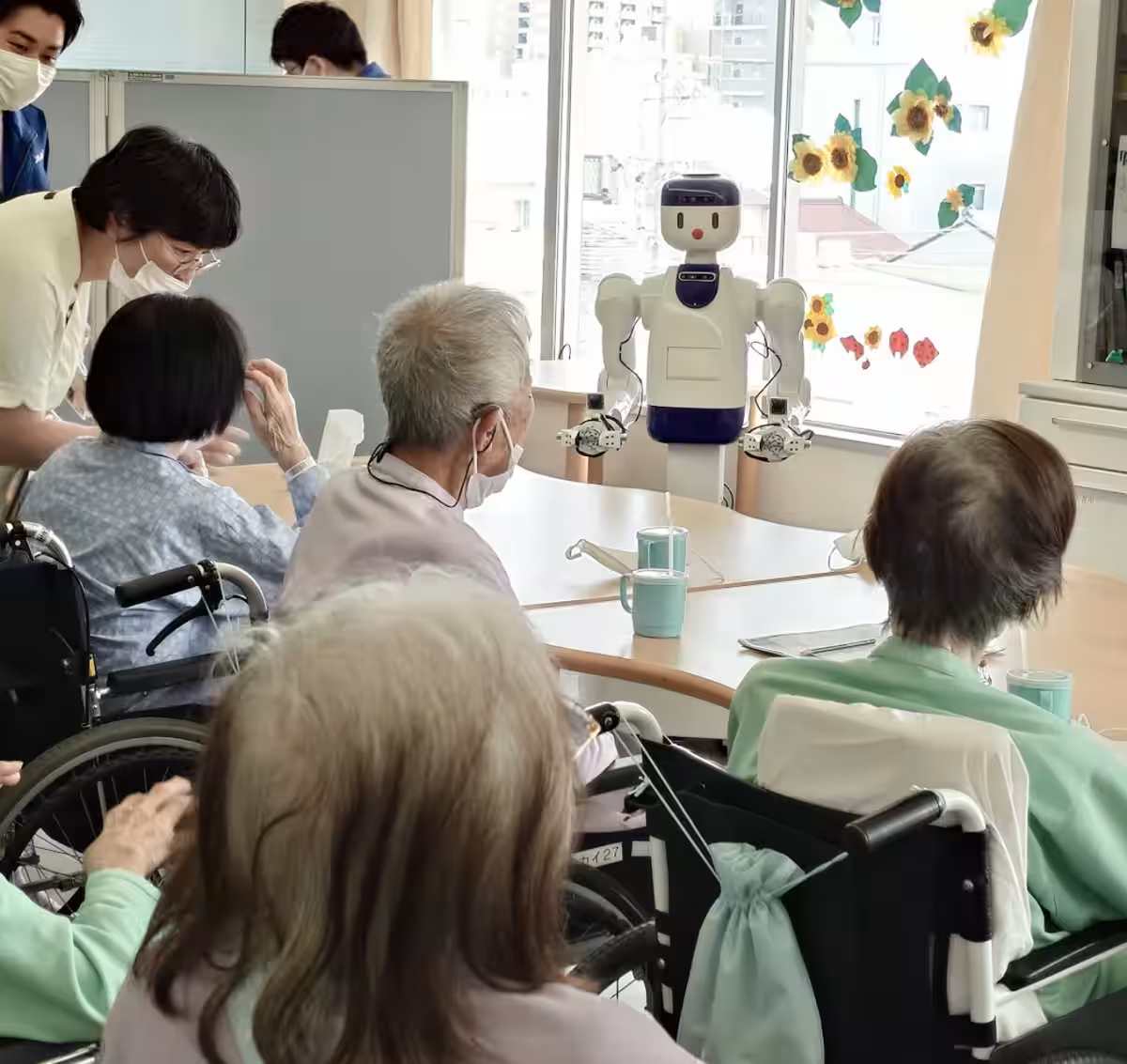
5. Exercise Facilitation: D1 engaged patients in physical exercises, demonstrating the ability to adapt movements to encourage participation while maintaining safe distances.
Each testing segment yielded successful results, demonstrating D1's versatility and operational readiness within complex medical environments.
Future Implications
The feedback received from healthcare providers has underscored the necessity of deploying technologies that can fulfill certain clinical responsibilities, freeing up medical staff for more critical tasks. As healthcare becomes increasingly automation-driven, the tested capabilities of the D1 robot bring us closer to integrating humanoid technology into everyday medical practices.
In conclusion, this trial not only confirms the feasibility of D1 in supporting healthcare operations but also outlines challenges for future enhancements. Ongoing improvements based on data collected during this trial will guide ZEALS in refining D1’s features, adapting to the evolving operational landscape of healthcare facilities. Moreover, with the anticipated rise in demand for such technological solutions, the role of robots in enhancing medical service delivery is poised to expand significantly.
Topics Other)
【About Using Articles】
You can freely use the title and article content by linking to the page where the article is posted.
※ Images cannot be used.
【About Links】
Links are free to use.