




Digital Signage Advertising Market Set to Reach $1.11 Billion by 2025
Overview of the Digital Signage Advertising Market
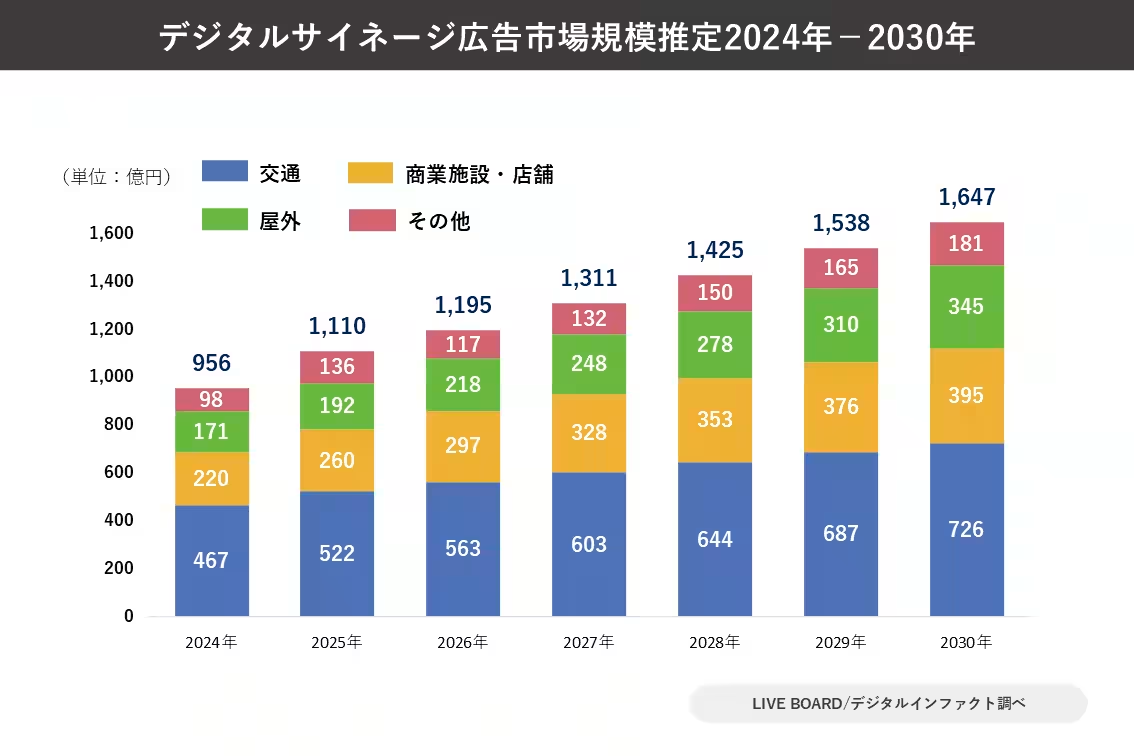
A recent collaborative study conducted by Digital Infact, a subsidiary of Seed Planning Co., and LIVE BOARD, in supervision by CARTA HOLDINGS, indicates promising growth for the digital signage advertising market in Japan over the next several years. Forecasts show that the market is set to reach a valuation of 1.11 trillion yen ($10 billion) by 2025, representing a 116% increase compared to previous years. By 2030, this market is projected to further grow to 1.64 trillion yen (approximately $15 billion), showcasing a staggering 148% growth from its 2025 figure.
Current Market Dynamics
Despite the adversities faced due to the COVID-19 pandemic, including restrictions on movement and outdoor activities, the digital signage sector has not only persevered but continues to flourish. The resurgence of demand for interactive and engaging advertising content in urban settings, like busy streets and commercial establishments, is propelling market expansion.
Popular districts such as Shibuya, Harajuku, and Shinjuku have seen a sustained demand for digital signage installations, particularly in major buildings and train stations. This trend is further amplified by the upcoming 2025 World Expo in Osaka, which has incited numerous advertisers to ramp up their promotional activities in the Kansai region.
Retail Media and Growth Areas
One of the sectors witnessing accelerated growth is retail media, with comprehensive supermarkets and convenience store chains making notable strides in digital signage installations. Over 10,000 outlets nationwide have adopted these technologies, significantly broadening the landscape for advertising plays.
Collaborations between different entities are also on the rise, leveraging data usage effectively to drive further advancements in the market. Additionally, a new marketplace for data-driven out-of-home (OOH) advertising has been established by major railway companies, indicating heightened interest in programmatic advertising transactions.
Investments are increasingly being directed towards high-demand areas, particularly in the transportation segment. Here, digital signage is not only present in trains and stations but also in taxis, buses, and airports, bolstered by a significant influx of foreign travelers into Japan.
Market Segmentation Insights
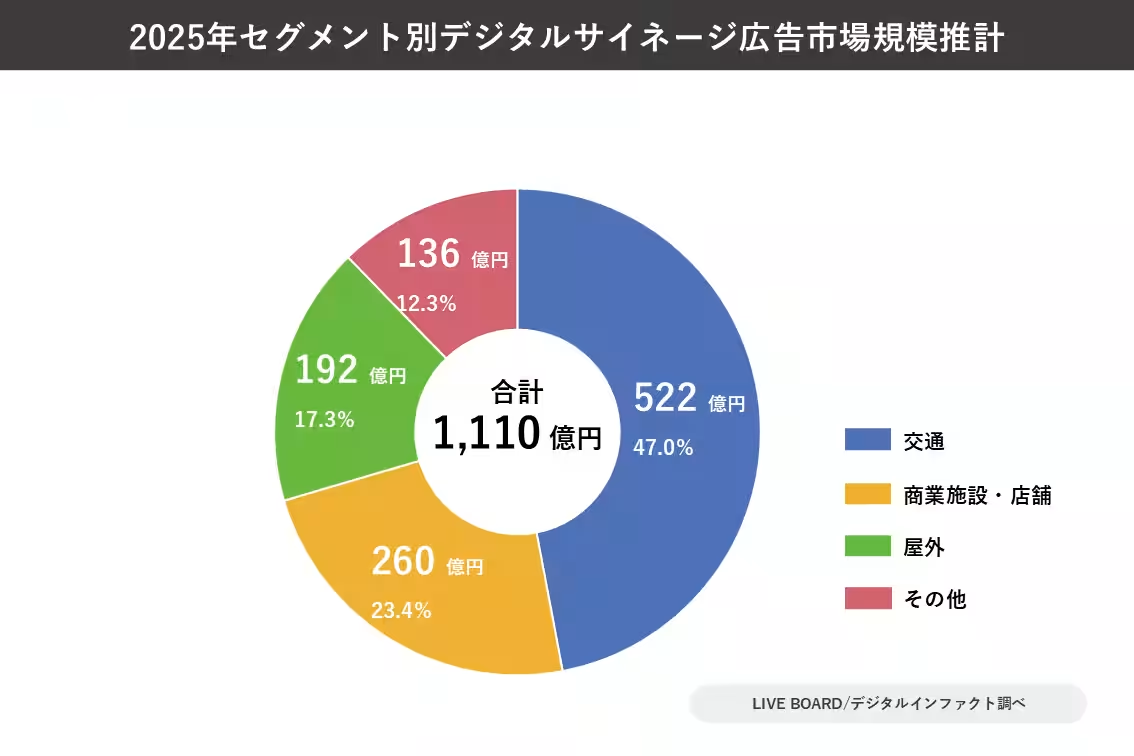
As per segment projections for 2025, the digital signage market will consist of:
- - Transportation: 522 billion yen (47% of total)
- - Commercial Facilities and Stores: 260 billion yen (23.4%)
- - Outdoor Advertising: 192 billion yen (17.3%)
- - Others: 136 billion yen (12.3%)
The transportation segment encompasses various mediums such as train vehicles, station facilities, and airports. At the same time, commercial facilities feature enhanced installations for retail environments and include supermarkets and convenience stores. A notable shift is the movement toward incorporating non-stock products into advertising strategies, reflecting the versatility of digital signage as a medium.
```
Transportation Sector Highlights
- - Increasing Presence: Enhanced demand for immersive advertising experiences in stations and vehicles is leading to continuous investment in digital terminals.
- - Taxi Advertisements: Taxi services are innovating with unique tablet-based programming to elevate brand recognition through collaborations with sponsors.
- - Airport Digital Signage: As international tourism rebounds, full-capacity advertising across international lines marks a significant opportunity.
Outdoor Advertising
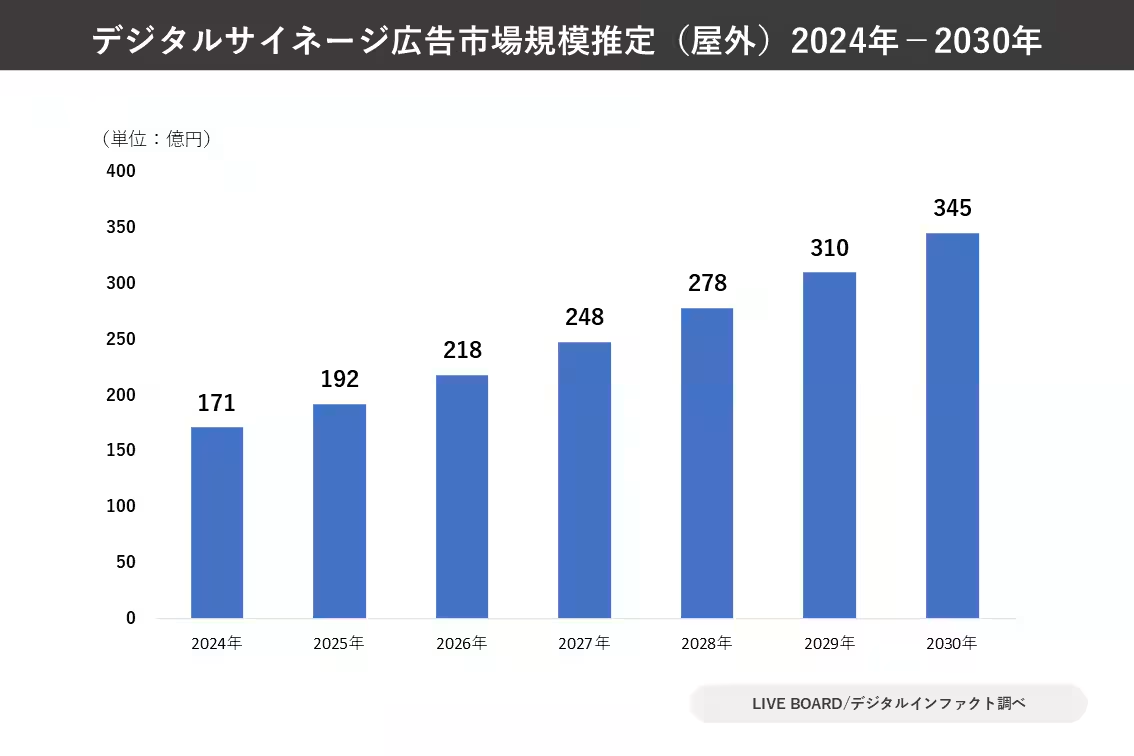
The outdoor segment continues to find success, especially with large display screens at prominent locations like Shibuya and Harajuku. However, the expectation of high-performance outputs is also growing among advertisers, prompting calls for innovative advertising products.
Furthermore, with the anticipated establishment of the Japan Out-of-Home Measurement Association, the implementation of measurement standards is anticipated to refine audience engagement metrics, mirroring successful practices seen in global markets. These efforts may pave the way for a new influx of advertisers who previously shied away from digital signage engagements.
Conclusion and Future Insights
As the digital signage advertising market in Japan gears up for a progressive shift, stakeholders express a collective optimism towards stability and growth. The convergence of technology, data utilization, and creative advertising strategies will likely play pivotal roles in shaping a dynamic advertising landscape. As such, projections suggest that the flourishing of this market could enhance advertising practices across various sectors, paving the path for higher returns and more targeted engagement in the years to come.
For further inquiries, please reach out to Digital Infact at [email protected].

Topics Consumer Products & Retail)
【About Using Articles】
You can freely use the title and article content by linking to the page where the article is posted.
※ Images cannot be used.
【About Links】
Links are free to use.