




A New Trend in Student Travel: Budget Over Destination as a Key Factor in Planning Trips
Understanding the New Travel Planning Trend Among University Students
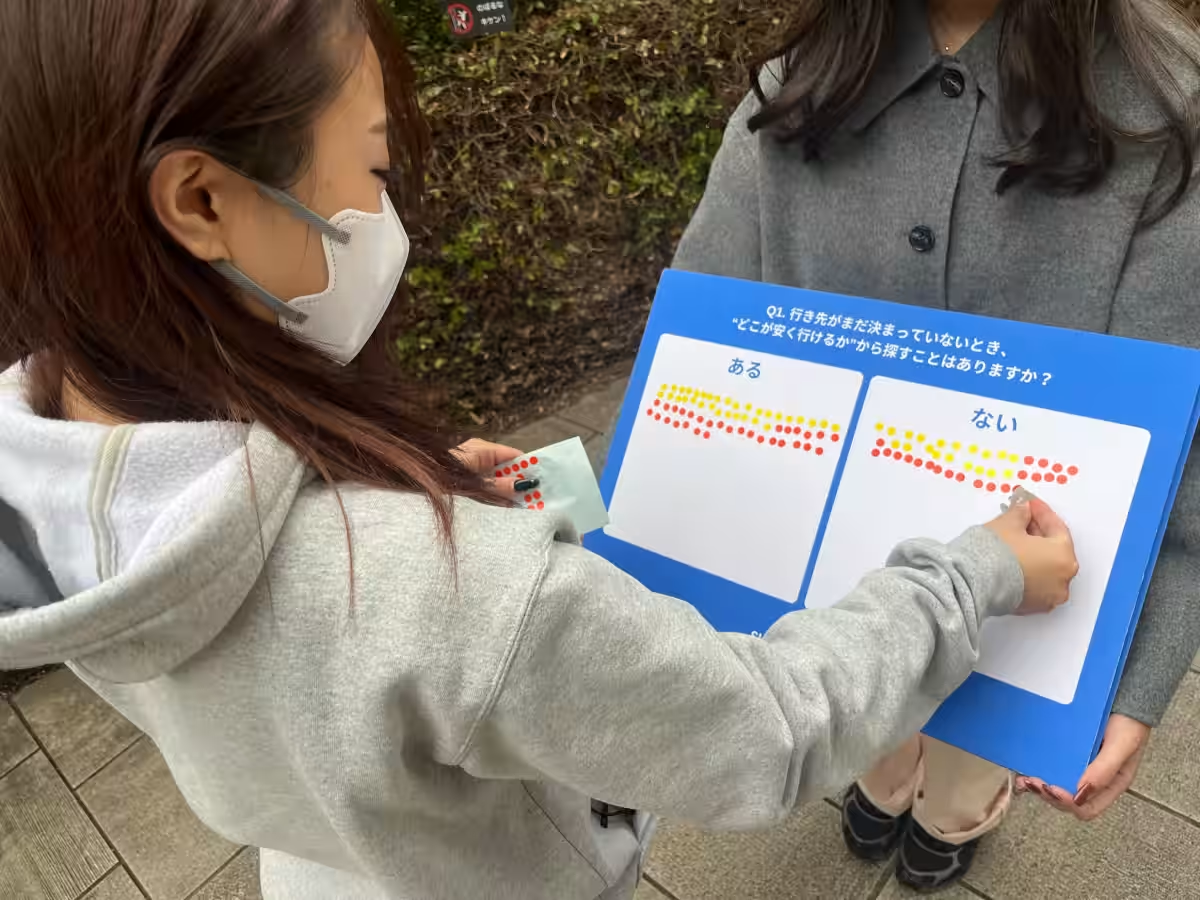
Recent insights into travel planning among university students reveal a significant trend: over 60% of students prioritize budget over the destination of their trips. A survey conducted by Skyscanner Japan, which analyzed the preferences and habits of 100 university students, showcases a shift in how young adults approach travel.
Key Survey Insights
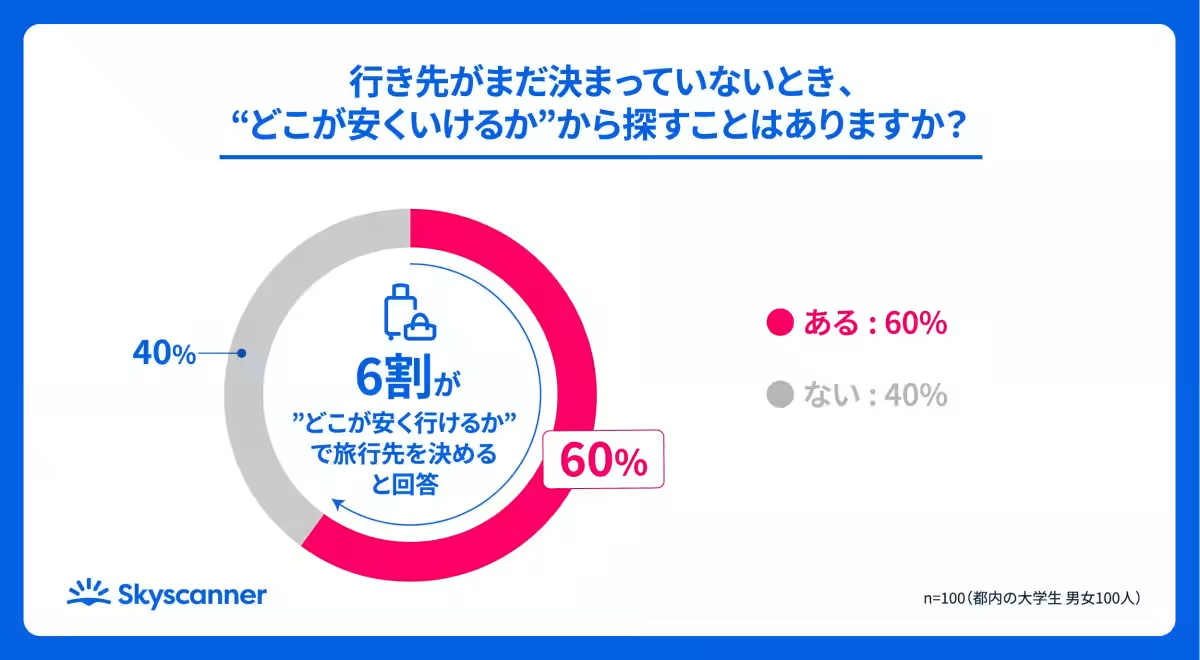
1. Destination Determined by Price: When unsure of their travel destination, 60% of students choose to go where it is cheapest.
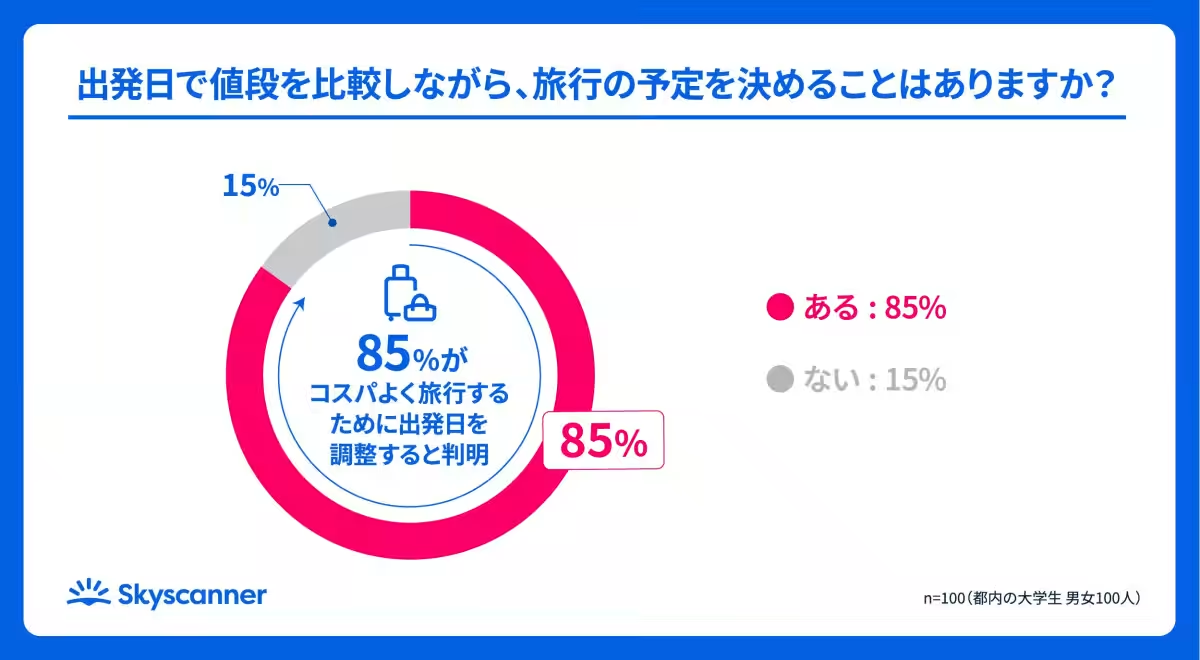
2. Adjusting Travel Dates for Savings: A remarkable 85% of students are willing to alter their travel dates to maximize cost-effectiveness.
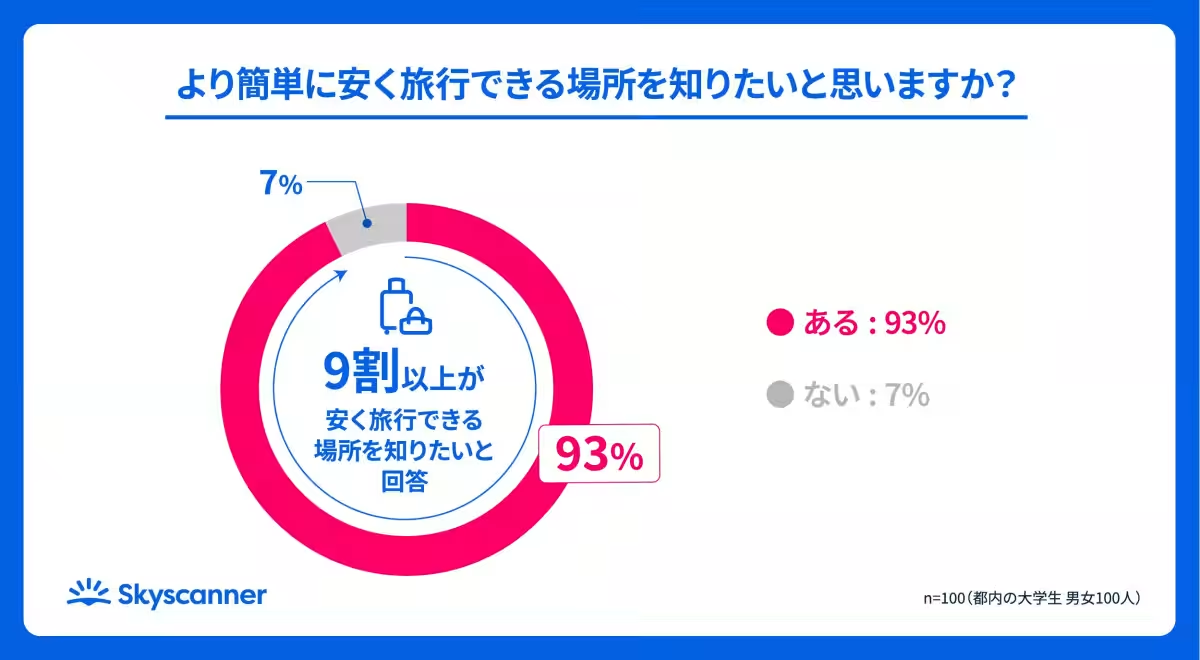
3. Desire for Affordable Travel Options: Over 90% expressed a need for smarter ways to find cheaper travel destinations.
The Shift to Logical Consumption
In recent years, a trend known as “logical consumption” has emerged among younger demographics, characterized by a careful evaluation of price and value prior to making purchases. This survey highlights that students are increasingly designing their trips based on “when” and “how much” rather than focusing solely on “where.” As a result, they adopt flexible travel schedules and prioritize finding the cheapest options available.
Students share their experiences: many find it enjoyable to explore flight options within their savings limits rather than being fixated on a dream destination. This shift is driven by social media's exposure to beautiful locations, yet students often find themselves limited by their budgets.
Flexibility in Travel Planning
One of the notable findings from the survey is that 85% of students actively adjust their travel plans based on ticket price fluctuations. The flexibility afforded by university schedules means that students can avoid more expensive weekend flights and reschedule their plans around cheaper airfare. As one student noted, “I often wait for flights on less popular days, adjusting other plans accordingly.” This strategy is seen as an efficient way to save money that can be redirected toward experiences on their trips.
The Demand for Smart Travel Tools
Despite their adeptness at research, many students feel overwhelmed by the complex nature of airline pricing. As a result, there’s a high demand for tools that can streamline the process of finding the best rates. Suggestions include a simple platform that ranks the most affordable destinations for an upcoming month, allowing for quicker and more informed decisions.
In this context, Skyscanner aims to alleviate concerns regarding travel costs by offering data-driven solutions. Following this survey, the company has introduced new features targeted at enhancing travelers' ability to plan trips effectively.
New Features from Skyscanner to Aid Travelers
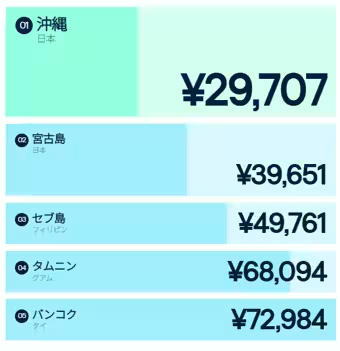
1. Top 5 Affordable Travel Destinations for 2026: An analysis of extensive flight data predicted the five destinations expected to offer the best cost-performance ratio in 2026. This assists budget-conscious travelers in discovering optimal travel locations that align with their financial constraints.
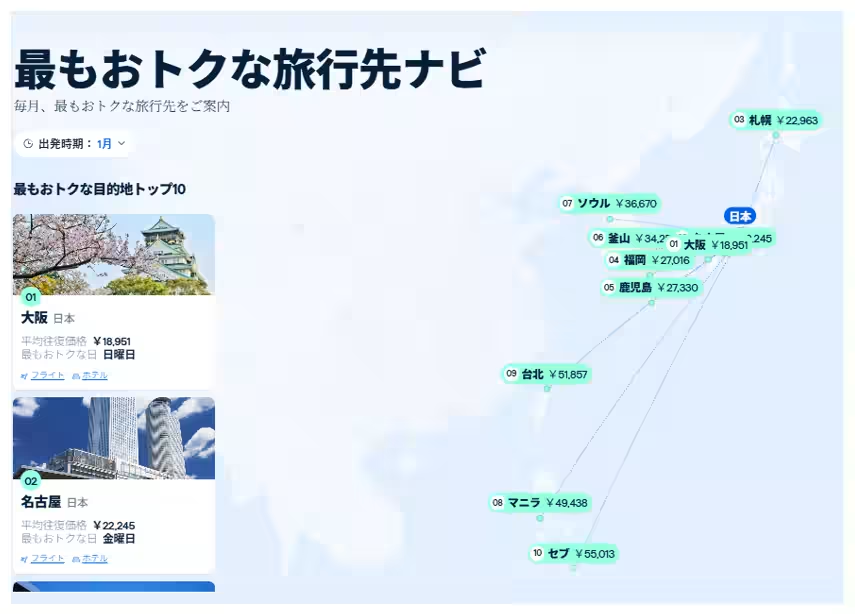
2. Cheapest Destinations Planner: This innovation allows users to see the lowest-priced destinations categorized by their desired month of travel. This tool presents a ranked list of affordable places to travel, taking the guesswork out of vacation planning.
Easy Steps to Utilizing the Cheapest Destinations Planner
- - Step 1: Select your desired month for travel, even without a set date in mind.
- - Step 2: Review the top 10 most affordable destinations for that month, complete with reasons to visit and the best days to fly.
- - Step 3: Click on any destination to access specific flight and accommodation options available, making the planning process seamless.
Conclusion: The Era of Budget-Driven Travel
The survey indicates a significant cultural shift whereby students are increasingly making travel decisions based on affordability rather than aspirational destinations. This inclination towards logical consumption not only reflects a newfound savvy in travel planning but also a deep-rooted desire for efficiency and value in experiences. As technology continues to evolve, tools that provide clear cost comparisons will play a pivotal role in shaping future travel choices for students and beyond. Skyscanner's commitment to supporting this logical approach underscores the growing significance of data in travel planning, paving the way for a new era in travel that champions cost efficiency alongside wanderlust.
For more information about these new features and to start planning your next adventure, visit Skyscanner Japan at Skyscanner Japan.



Topics Travel)
【About Using Articles】
You can freely use the title and article content by linking to the page where the article is posted.
※ Images cannot be used.
【About Links】
Links are free to use.