



The Growing Importance of Housing Guarantees Amidst Strategic Challenges Facing Construction Firms
The Growing Importance of Housing Guarantees Amid Strategic Challenges Facing Construction Firms
In recent years, the housing market has witnessed a noticeable trend: home buyers are placing greater emphasis on the number of years a housing guarantee lasts when choosing a construction firm. This evolving consumer behavior highlights how crucial these guarantees have become, not just as contract stipulations but as reflections of a company's credibility and competitive edge in the market.
According to a recent survey conducted by Jutaku Anshin Hoshou Co., Ltd. (株式会社住宅あんしん保証), targeted at executives, planning departments, and sales managers in construction firms, significant insights have emerged regarding the current status and challenges in housing guarantees.
The Homebuyers' Perspective: A Shift in Priorities
A growing trend among homebuyers suggests that the assurance of long-term reliability through housing guarantees has shifted from a mere add-on to a vital deciding factor in their purchasing decisions. Many firms are taking notice of this shift and are beginning to incorporate strong housing guarantee strategies into their business plans to enhance client trust and retain their market position.
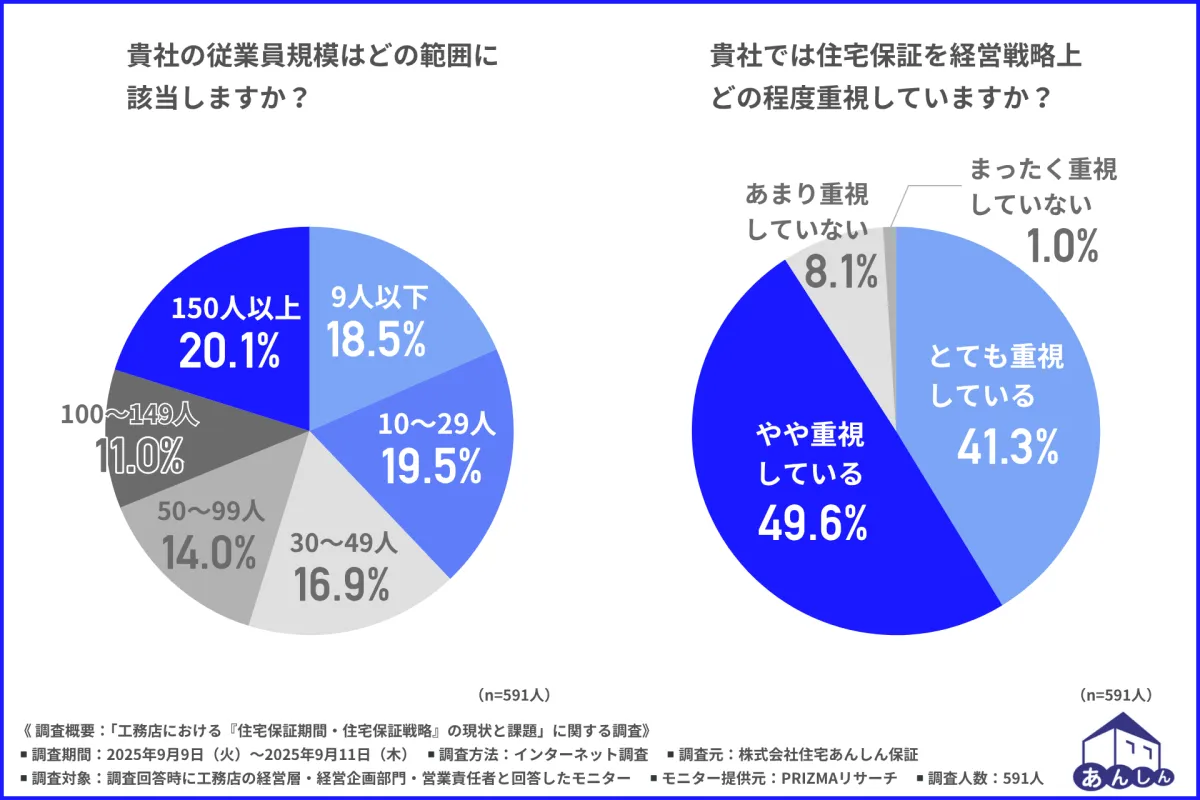
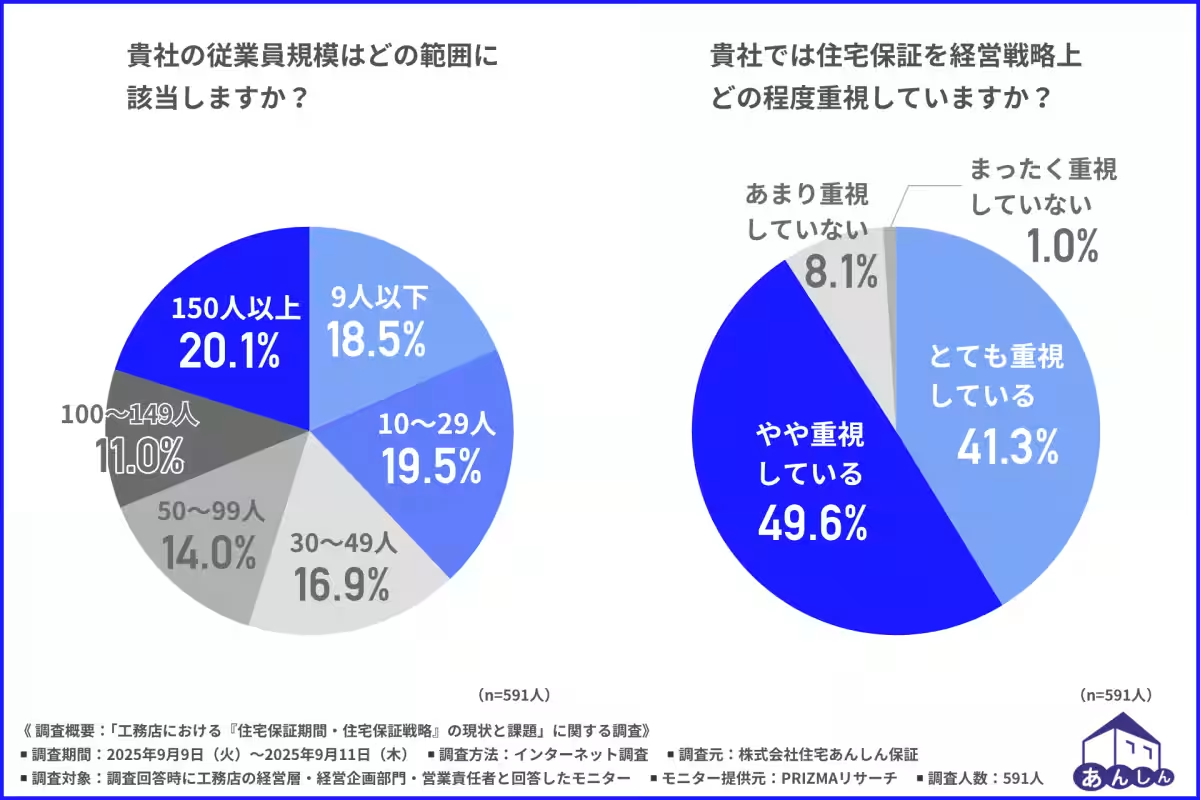
As such, the survey's findings indicate that around 90% of the construction firms surveyed acknowledge the importance of housing guarantees, with 41.3% stating they consider it very important and 49.6% somewhat important. This overwhelming consensus underscores the overall recognition of housing guarantees as a critical element in today's competitive landscape.
Evaluating Current Standard Guarantee Periods
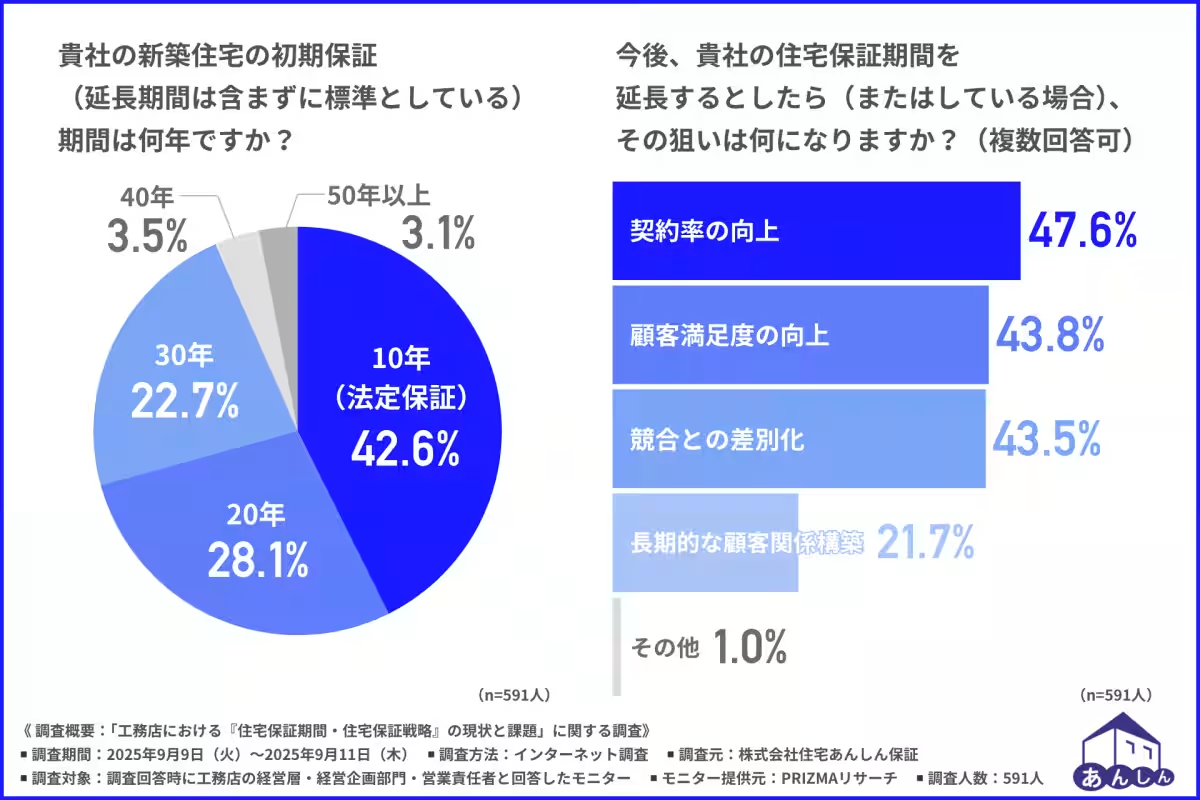
When it comes to the existing standard guarantee periods, 42.6% of firms reported a standard initial guarantee of 10 years, as mandated by law. However, a significant number are setting their guarantees at 20 (28.1%) or even 30 years (22.7%), pointing towards a broader trend of surpassing legal minimums. Some firms even offer guarantees exceeding 40 or 50 years, aiming to foster enduring relationships with customers and establish a high level of trust.
Building Competitive Advantages Through Extended Guarantees
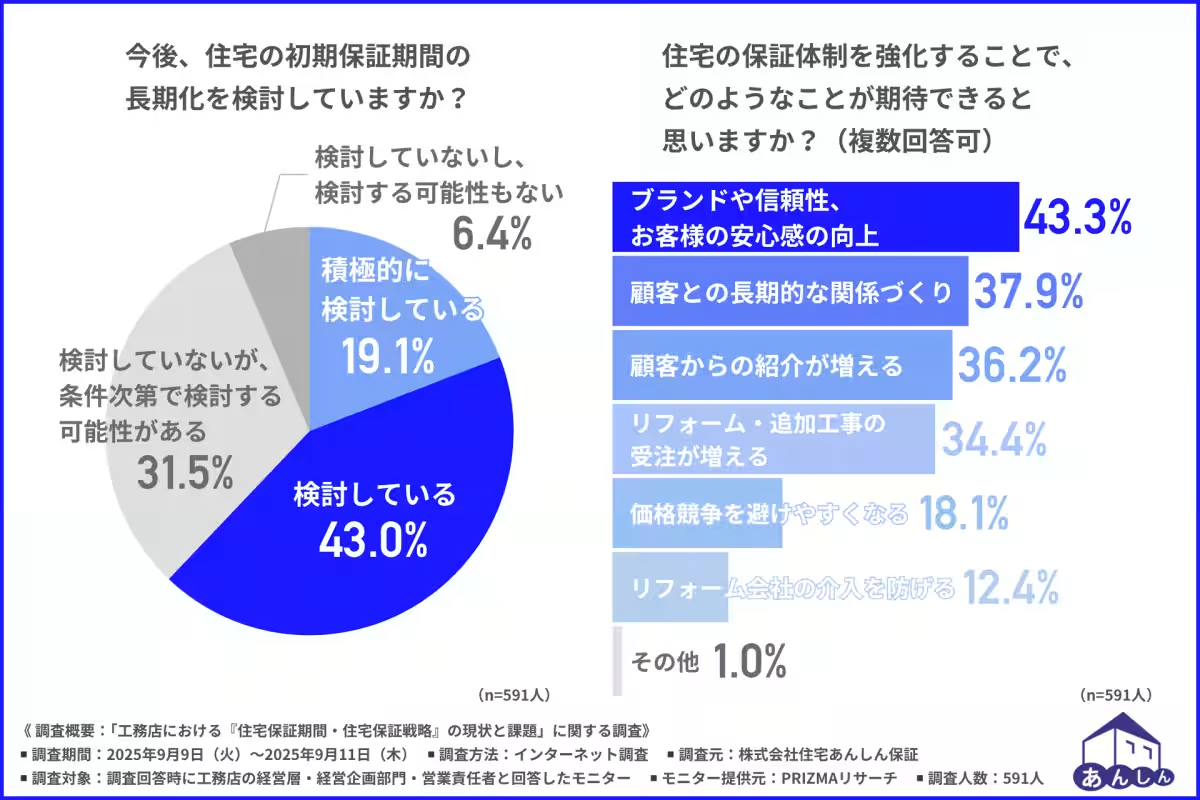
With a robust almost 50% of firms considering extending their guarantee periods, the primary motivations identified include improvements in contract rates (47.6%), customer satisfaction (43.8%), and differentiation from competitors (43.5%). This indicates that firms see housing guarantees not only as risk management tools but as strategic assets capable of boosting their market appeal and customer loyalty.
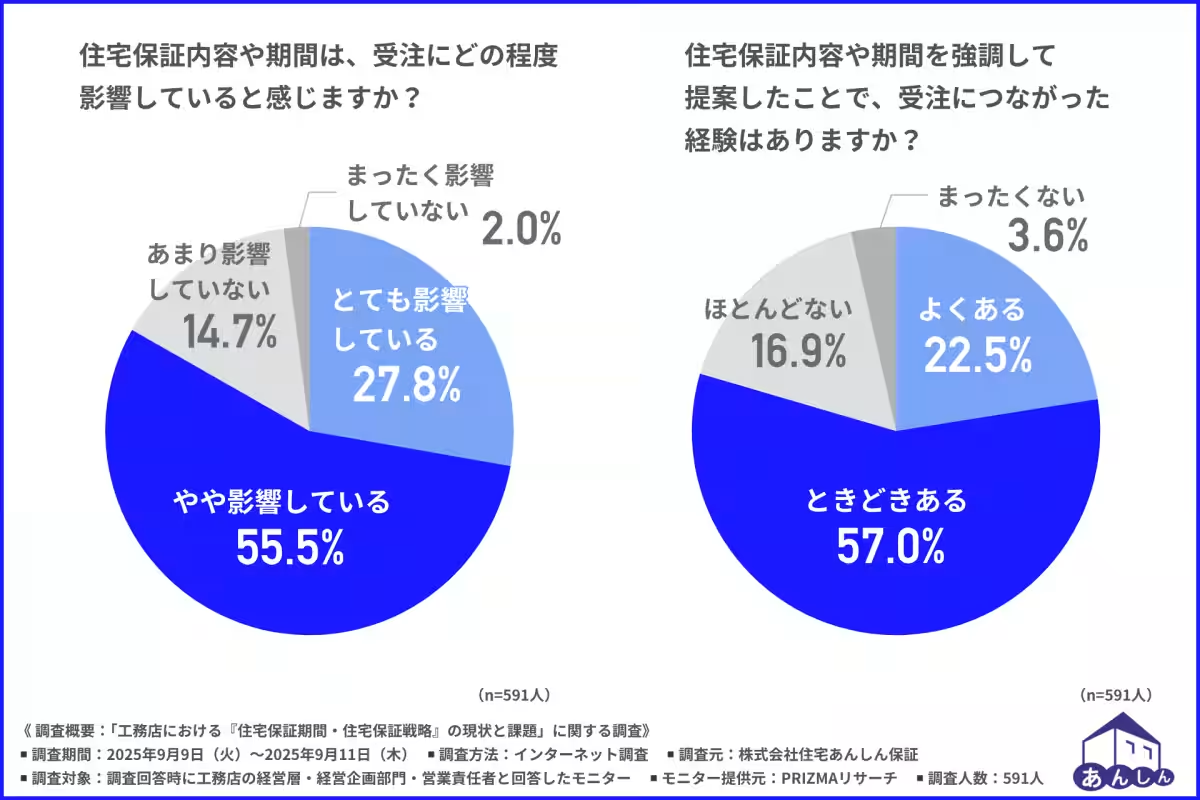
But what does this mean for revenue? About 80% of firms believe the specifics of their housing guarantees considerably influence sales, with many reporting that discussions around guarantee periods frequently tip the scales in favor of securing contracts.
Challenges in Implementing Long-term Guarantees
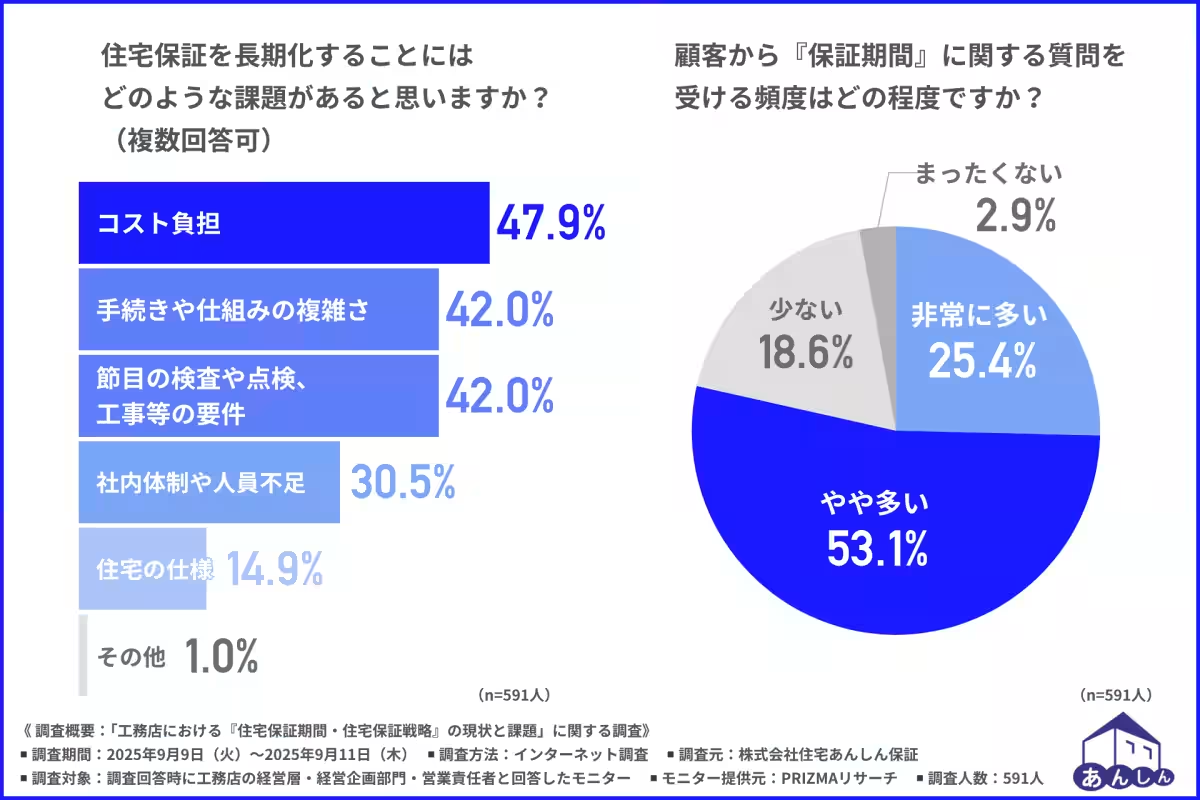
Surprisingly, while many firms recognize the potential advantages, they also cite several obstacles to expanding their guarantee offerings. Chief among these is the cost of implementing longer-term guarantees (47.9%), followed closely by the complexity of procedures required (42.0%). This highlights a prevalent concern: long-term guarantees, while appealing, come with their share of operational challenges.
Additionally, almost 80% of surveyed executives report frequently fielding client questions on guarantee durations. This suggests that, not only are clients increasingly concerned about these guarantees, but they may also be making decisions based on their perceived value.
Future Trends: What Lies Ahead for Housing Guarantees?
Looking ahead, an impressive 62% of firms indicate either being actively engaged in discussions around extending their guarantees or considering it under certain conditions. This bodes well for the industry as a whole, indicating a widespread acknowledgment of the strategic role that housing guarantees are poised to play in future operations.
Ultimately, firms believe that reinforced housing guarantee strategies will enhance brand reliability and consumer assurance, establishing stronger foundations for customer relationships. Notably, they also anticipate benefits such as increased referrals and additional follow-up business opportunities.
In employing and advocating for longer housing guarantees, companies position themselves not merely as service providers, but as trusted partners throughout their clients' homeownership journeys. Jutaku Anshin Hoshou Co., Ltd.’s recent introduction of a 20-year housing defects insurance plan is a prime example of how construction firms can leverage these guarantees to differentiate themselves and build stronger ties with customers.
In conclusion, housing guarantees are increasingly viewed as integral to a construction firm's strategic framework. Jutaku Anshin Hoshou’s entry into the long-term guarantee market illustrates a progressive step towards aligning with contemporary consumer expectations, fostering trust, and ensuring ongoing business success.

Topics Consumer Products & Retail)
【About Using Articles】
You can freely use the title and article content by linking to the page where the article is posted.
※ Images cannot be used.
【About Links】
Links are free to use.