


Understanding the Fall Surge of Herpes Simplex Labialis: A Need for Awareness
Understanding the Fall Surge of Herpes Simplex Labialis
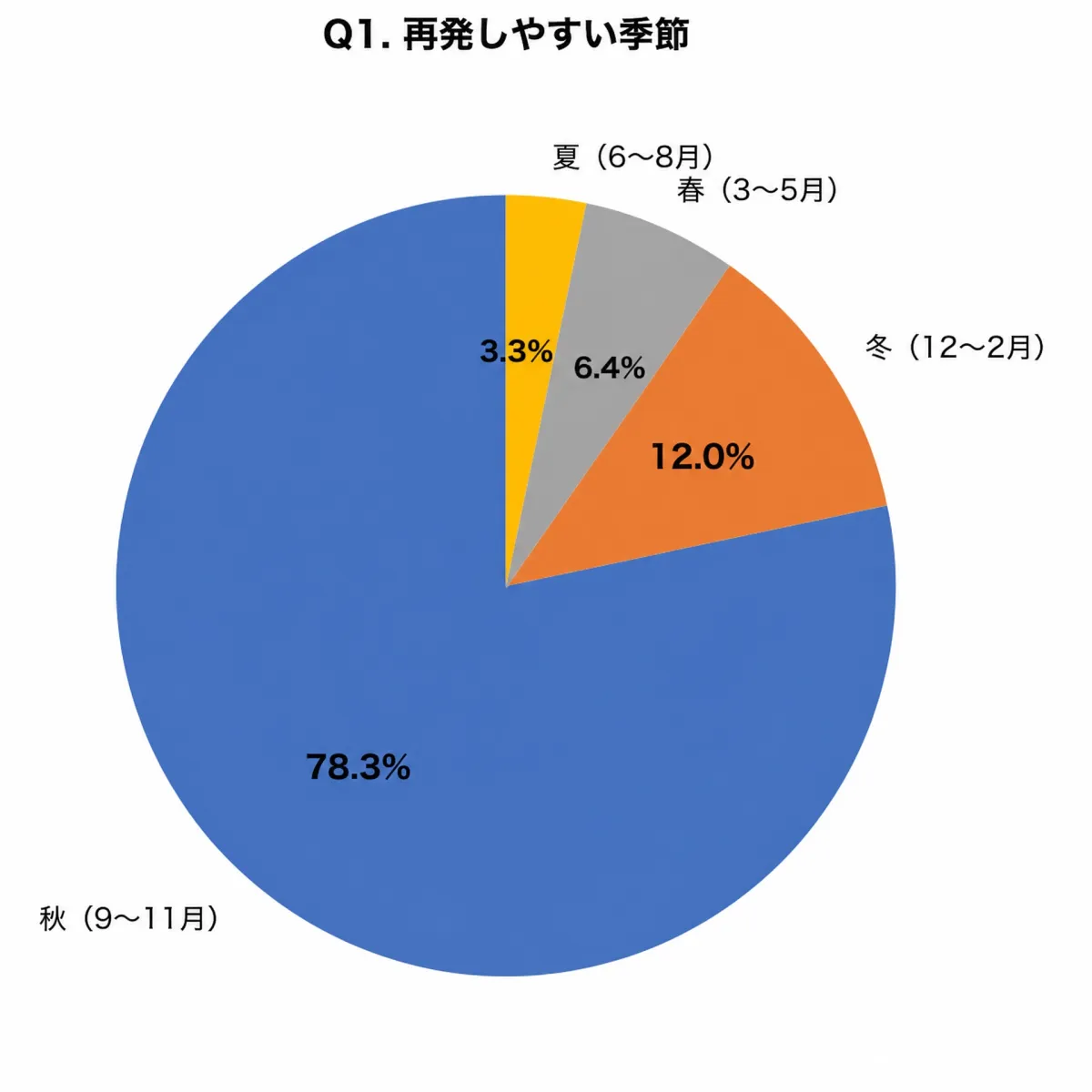
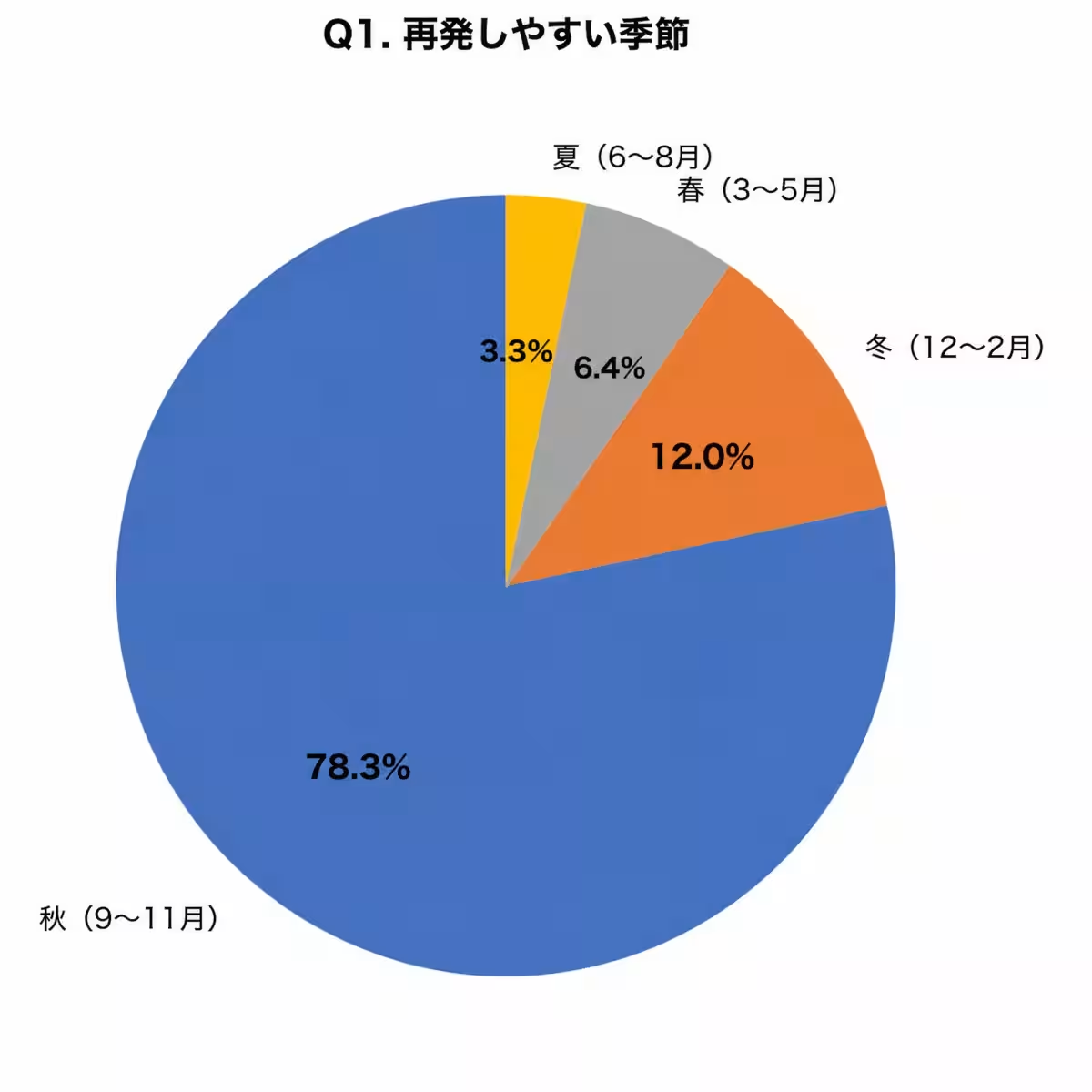
Recent research indicates a concerning trend in the frequency of herpes simplex labialis, commonly known as cold sores, particularly during the fall months. A significant 78.3% of respondents with a history of cold sore outbreaks reported that their symptoms worsen in autumn. This seasonal impact necessitates better awareness and preventive measures to manage outbreaks effectively.
Background of the Condition
Herpes simplex labialis is primarily caused by the herpes simplex virus type 1 (HSV-1). Once infected, the virus remains dormant in nerve cells and can reactivate, causing outbreaks often triggered by factors like stress and UV exposure. Approximately 70-80% of the Japanese population is infected with HSV-1, frequently without any symptoms. However, certain triggers such as fatigue and sun exposure can increase the likelihood of outbreaks.
Survey Insights
The Autumn Spike
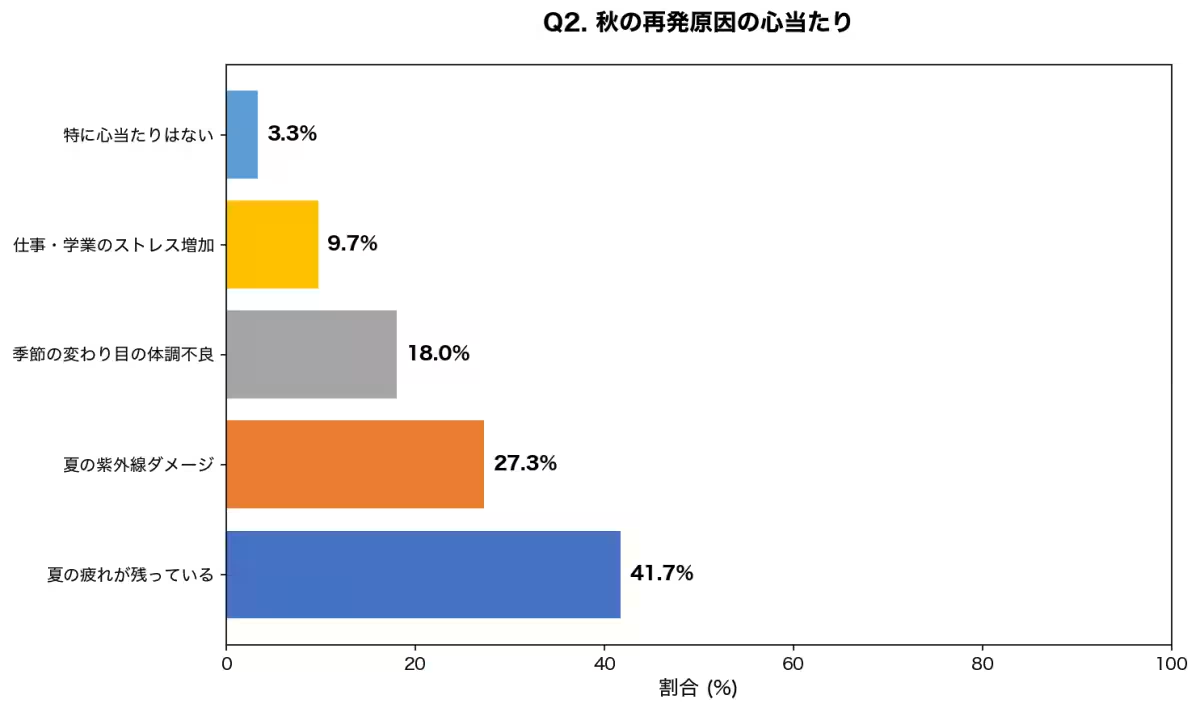
In our survey conducted by the IC Clinic, nearly 80% of participants noted that they experience recurrent herpes symptoms between September and November. The leading factors contributing to this increase appear to be residual UV damage from summer and accumulated fatigue.
The Treatment Gap
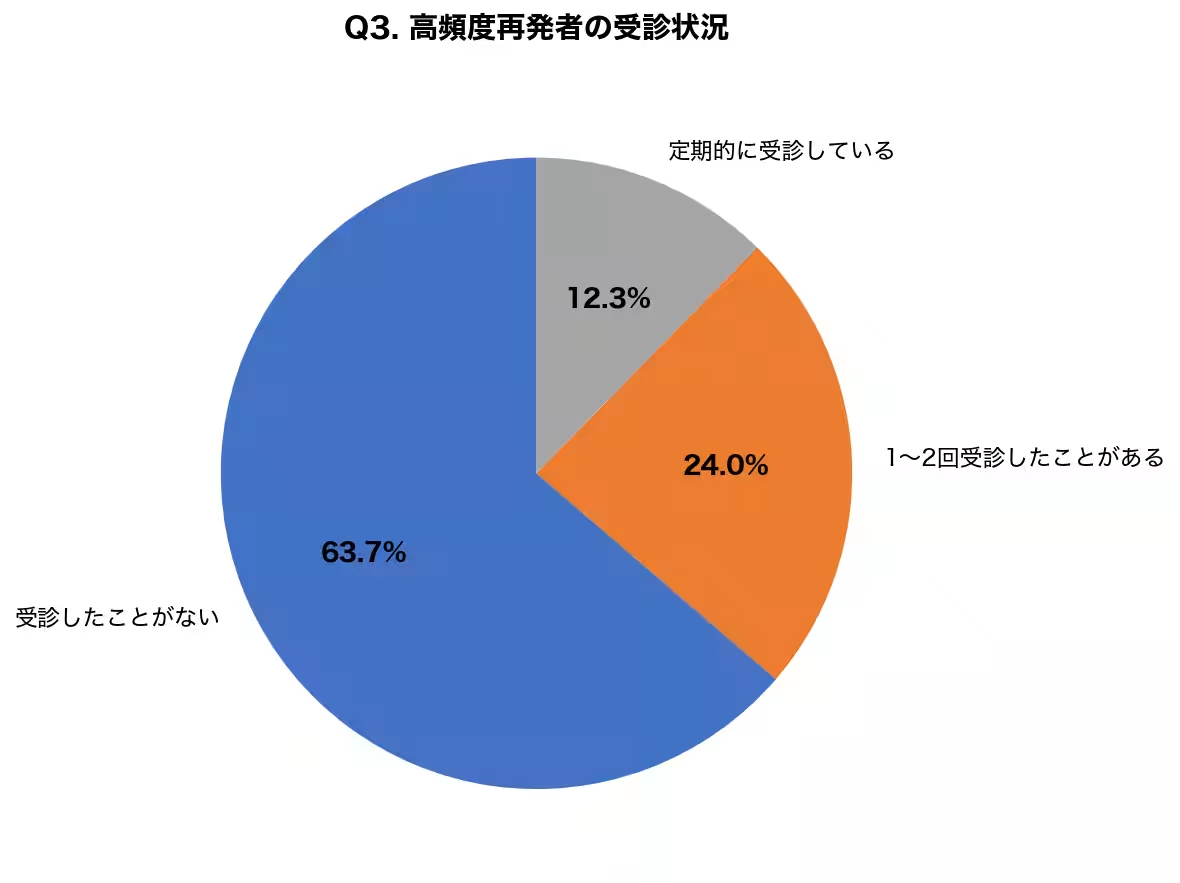
Despite the prevalence of recurrent outbreaks – with 63.7% of individuals experiencing four or more episodes annually reporting no visits to a healthcare provider – there's a gap in treatment awareness. Many individuals believe that over-the-counter remedies suffice, which may prevent them from seeking effective care.
Comparing Medication Options
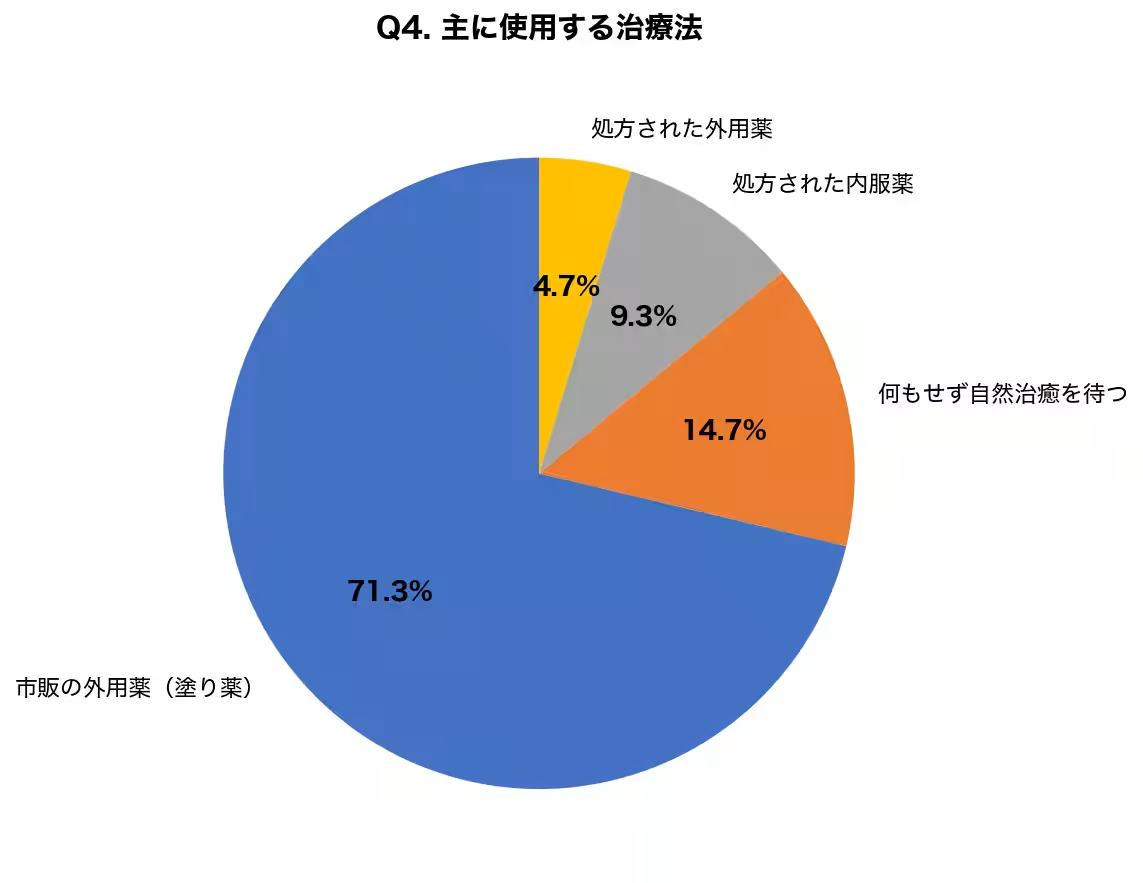
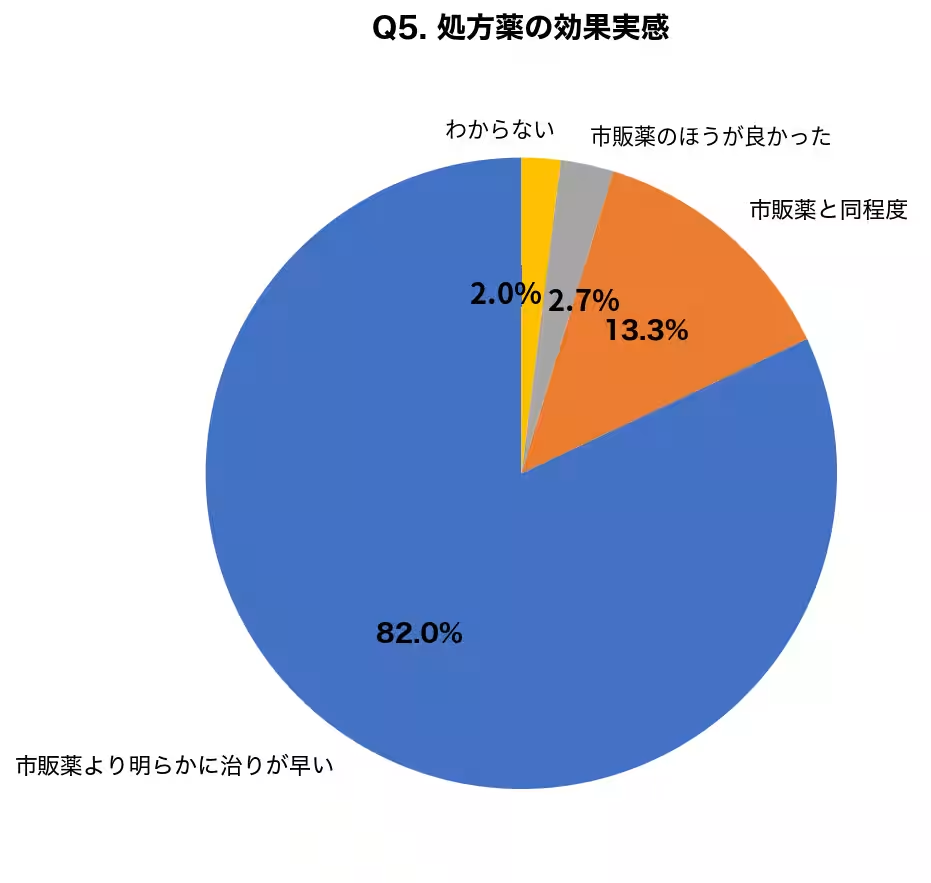
Our survey also highlighted significant differences in treatment efficacy. While more than 70% of respondents relied on over-the-counter topical treatments, a notable 82.0% of those who used prescription antiviral medications, like acyclovir, found them to be more effective in reducing symptoms. Prescription medications tend to work systemically, providing faster healing and preventing the spread of the virus.
Importance of Urgent Treatment
As highlighted by Dr. Kota Takakuwa from IC Clinic, early intervention using antiviral medications can significantly mitigate the severity of outbreaks and their recurrence. Patients are advised to begin treatment as soon as they notice preliminary symptoms like tingling or itching. This proactive approach can result in reduced recovery times and lower incidence rates of outbreaks.
Preventative Measures for Autumn
To reduce the likelihood of outbreaks in the fall, adopting effective summer care practices is crucial. Individuals should prioritize:
- - Using sunscreen or lip balm with SPF to protect lips from UV rays.
- - Managing stress and prioritizing recovery to minimize fatigue.
- - Maintaining a healthy lifestyle to support immune function.
- - Consulting healthcare providers at the first signs of symptoms.
Conclusion
Despite a considerable number of individuals experiencing recurrent herpes simplex labialis, a troubling percentage remains untreated or under-informed about effective care options. Awareness of the importance of seeking medical advice and understanding available treatments is vital for those who suffer from this common condition. Given the link between seasonal factors and outbreaks, embracing preventive care, especially during autumn, could significantly improve the quality of life for those affected.
Call to Action
Individuals experiencing recurrent cold sore outbreaks, especially those who notice an increase in symptoms during the fall, should consider seeking medical advice to explore effective treatment options. By doing so, they take a significant step towards managing their condition more effectively and reducing the impact of future outbreaks.
Topics Health)


【About Using Articles】
You can freely use the title and article content by linking to the page where the article is posted.
※ Images cannot be used.
【About Links】
Links are free to use.