



Understanding the Overlap of Job Hunting Events and Academic Schedules
Understanding the Overlapping Schedules of Job Events and Academic Responsibilities
In an era where the job market is increasingly competitive, understanding students' academic schedules is essential for effective recruitment strategies. A recent survey conducted by Strobolights, a company focusing on career support for students, has revealed alarming insights into how academic commitments affect students' participation in job recruiting events.
Survey Overview
From July 7 to July 22, 2025, Strobolights surveyed 97 students from 50 universities in Japan. The objective was to gather data on the intersection of academic schedules and job hunting events, assessing how these overlaps influence student experiences and employers' recruitment goals.
Key Findings
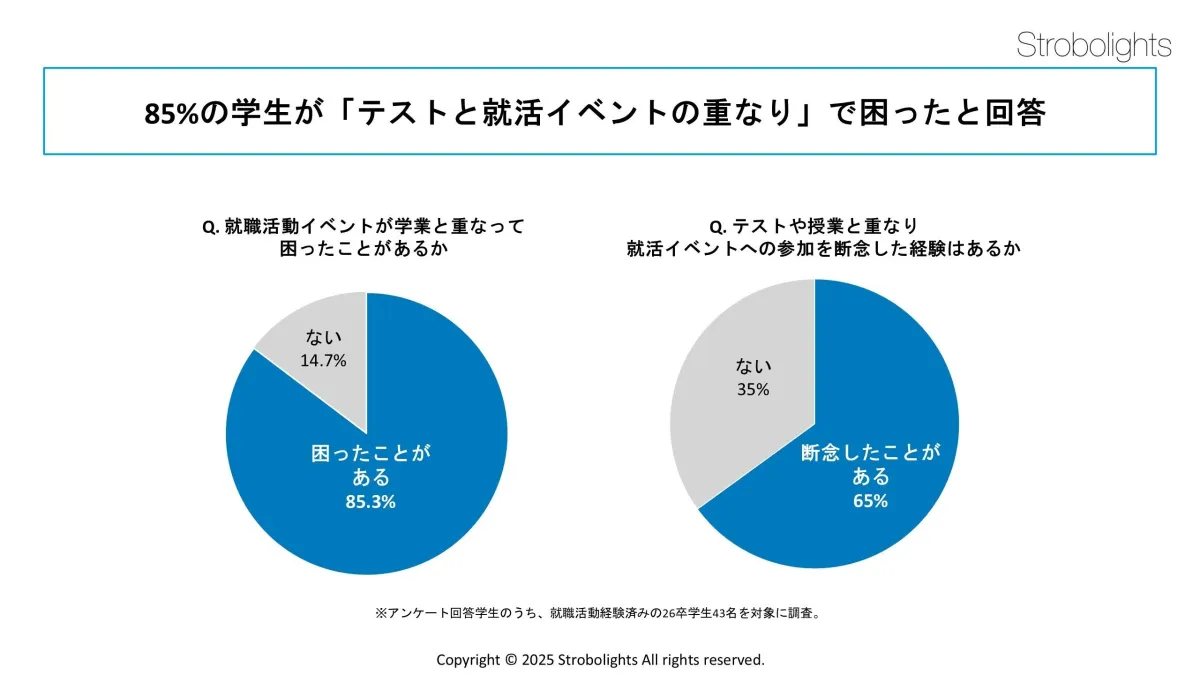
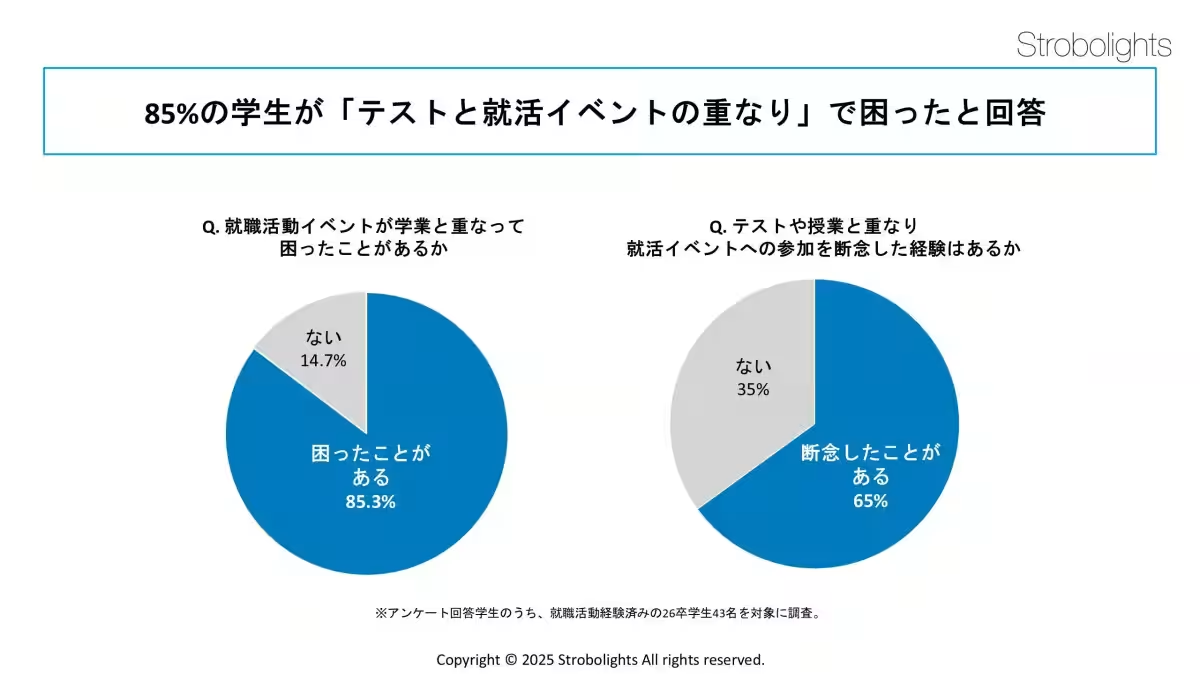
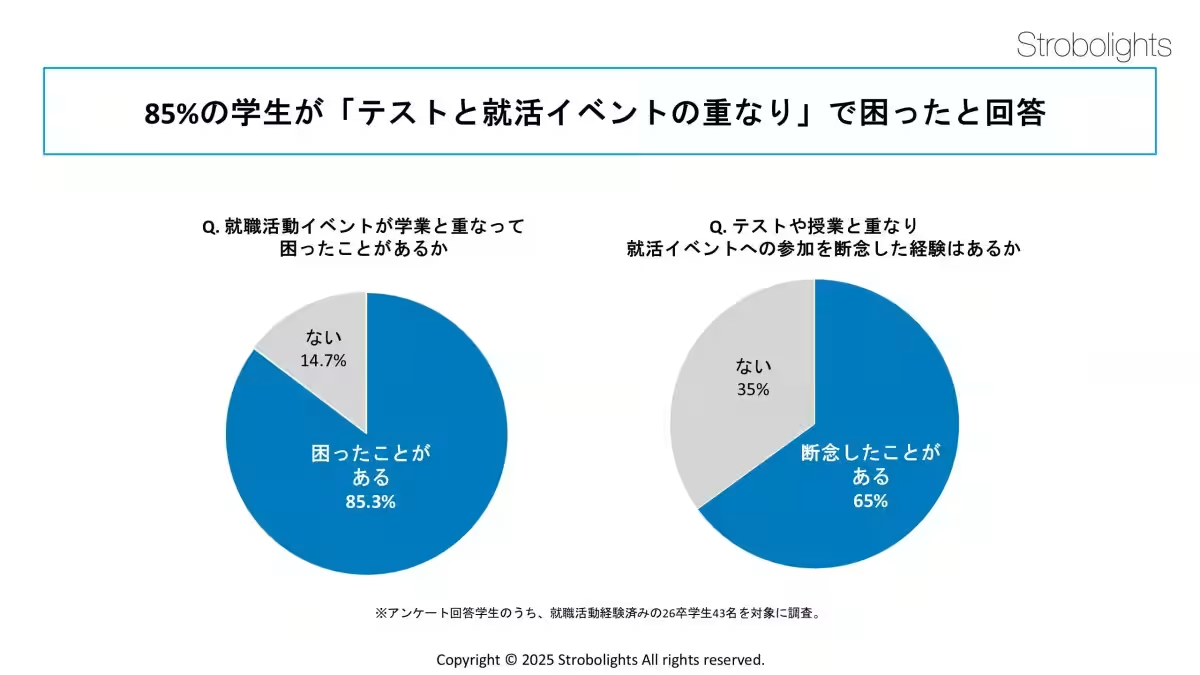
The findings were striking. A remarkable 85% of students reported difficulties due to overlaps between their academic responsibilities and job hunting events. Even more concerning, 65% admitted to having to forgo participation in job events for this reason. This loss of opportunity not only impacts students but also companies, as they miss out on connecting with potential talent.
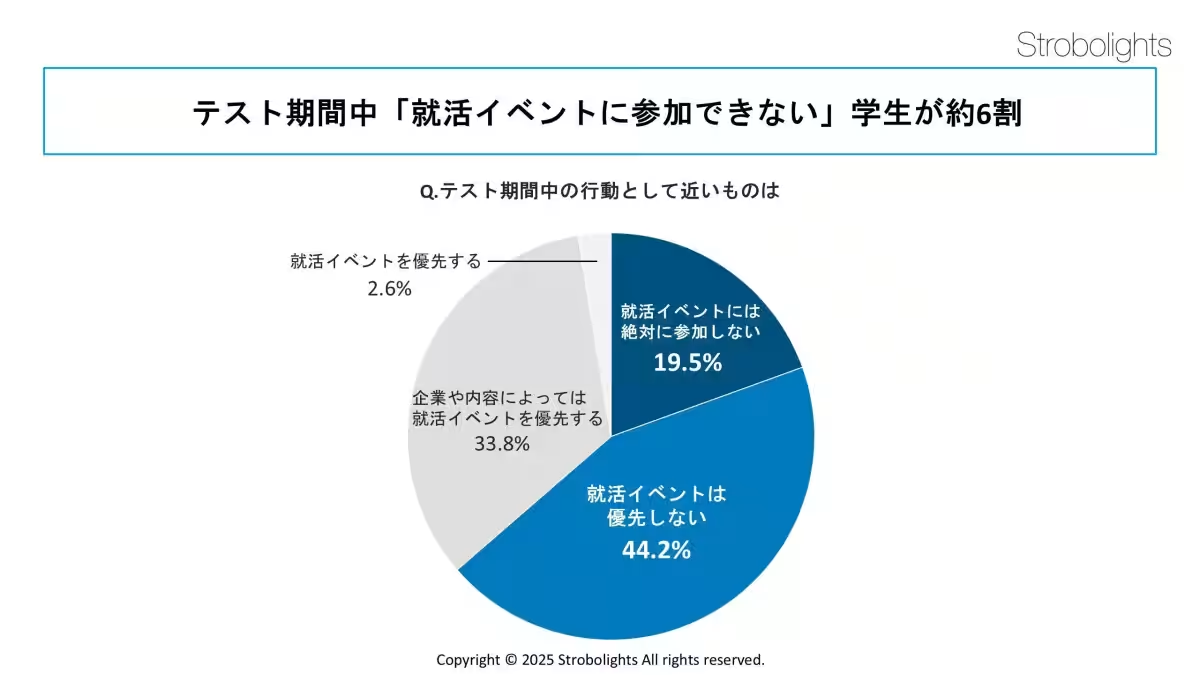
Furthermore, about 63.7% of respondents indicated that they would avoid job hunting events during their regular exam periods, signaling these times as a critical 'no-go' for scheduling events. This highlights the importance for employers to avoid plotting recruitment activities during the peak of academic evaluations to encourage greater participation from students.
Student Participation Preferences
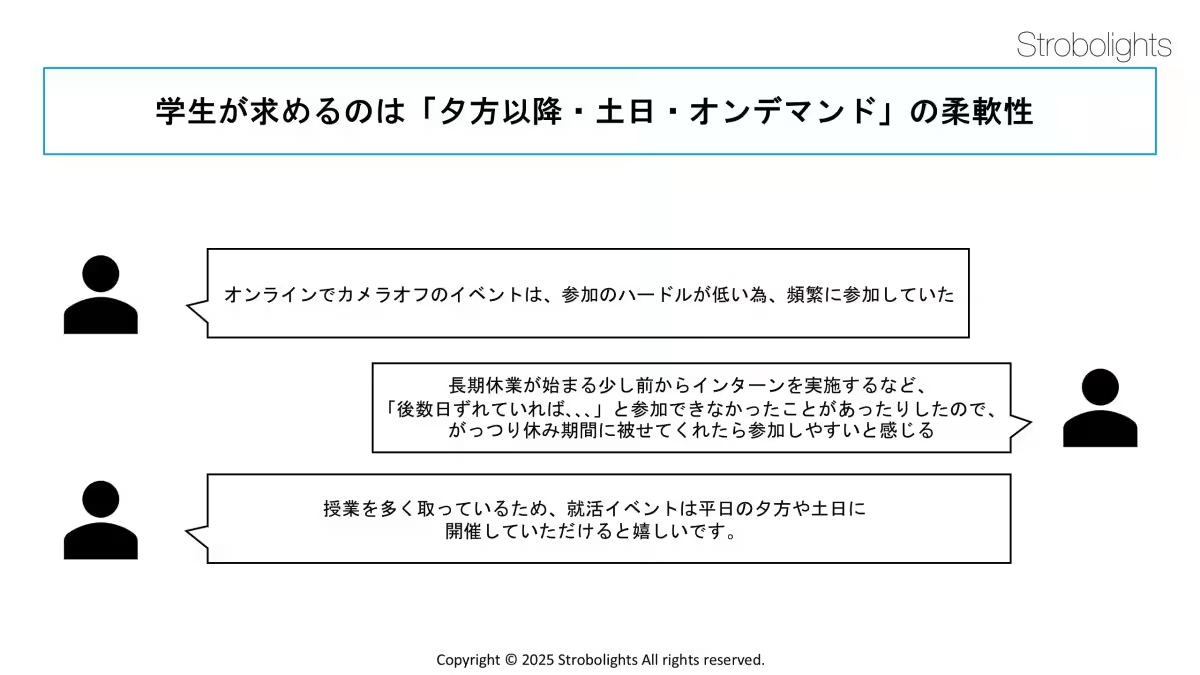
The survey also uncovered that students express a preference for event scheduling that aligns with their availability. The ideal times for participation are towards the evening after classes, on weekends, or during long holiday breaks. Moreover, flexible event formats such as on-demand sessions and those allowing for camera-off participation significantly increase student interest and willingness to engage.
Recommendations for Employers
In light of these findings, companies are urged to reconsider their recruitment strategies and event planning. Understanding the academic calendar and the various times students are overwhelmed with exams, seminars, and school festivals can significantly enhance the effectiveness of recruitment efforts. By planning events during more suitable times, businesses can foster better attendance rates and create more meaningful connections with prospective employees.
Hana Keichiro, President of Strobolights and a significant figure in the recruitment landscape, emphasized that many organizations still do not account for the academic calendars when arranging job events. This oversight can lead to negative perceptions among students towards certain companies, potentially harming their employer brand.
Conclusion
As the job market complexity increases, particularly for new graduates, aligning recruitment strategies with academic calendars has never been more important. This survey highlights critical insights for employers to enhance their engagement with students and improve the quality of their recruitment processes.
To support informed planning, Strobolights has made the findings and schedules available for download, providing essential tools for companies looking to optimize their recruitment strategies. By paying attention to student schedules, businesses can both attract top talent and build a positive reputation within academic circles.
For more insights and access to the detailed survey reports, visit Strobolights' official site.


Topics Business Technology)
【About Using Articles】
You can freely use the title and article content by linking to the page where the article is posted.
※ Images cannot be used.
【About Links】
Links are free to use.