



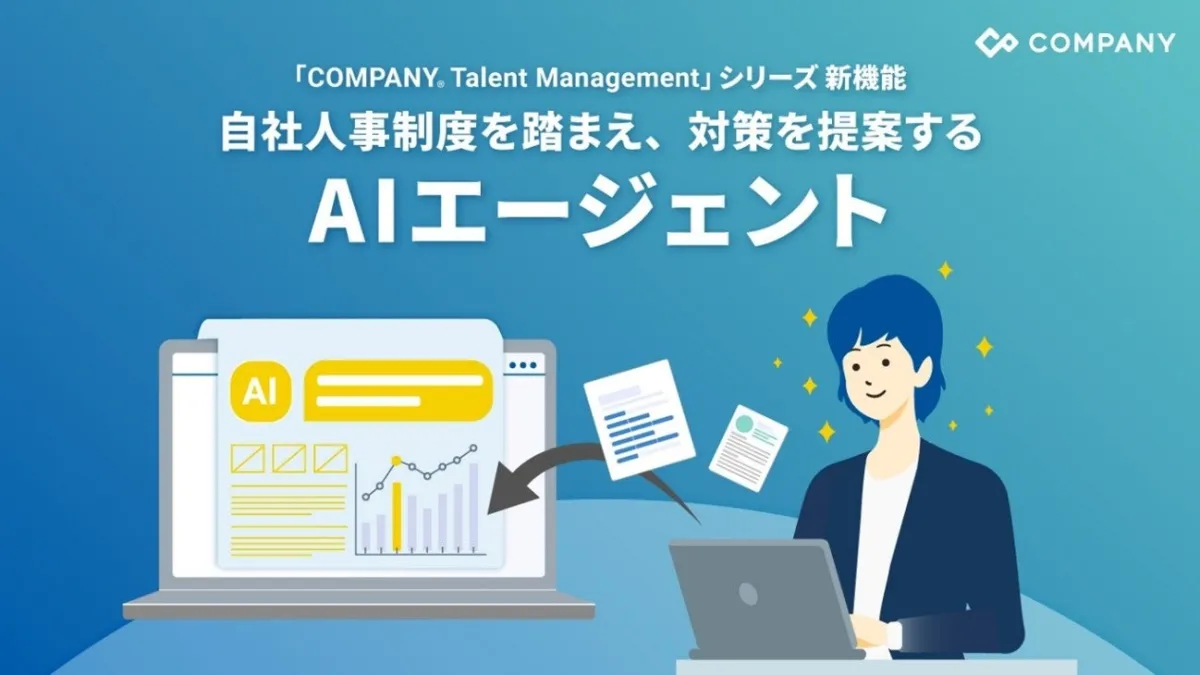
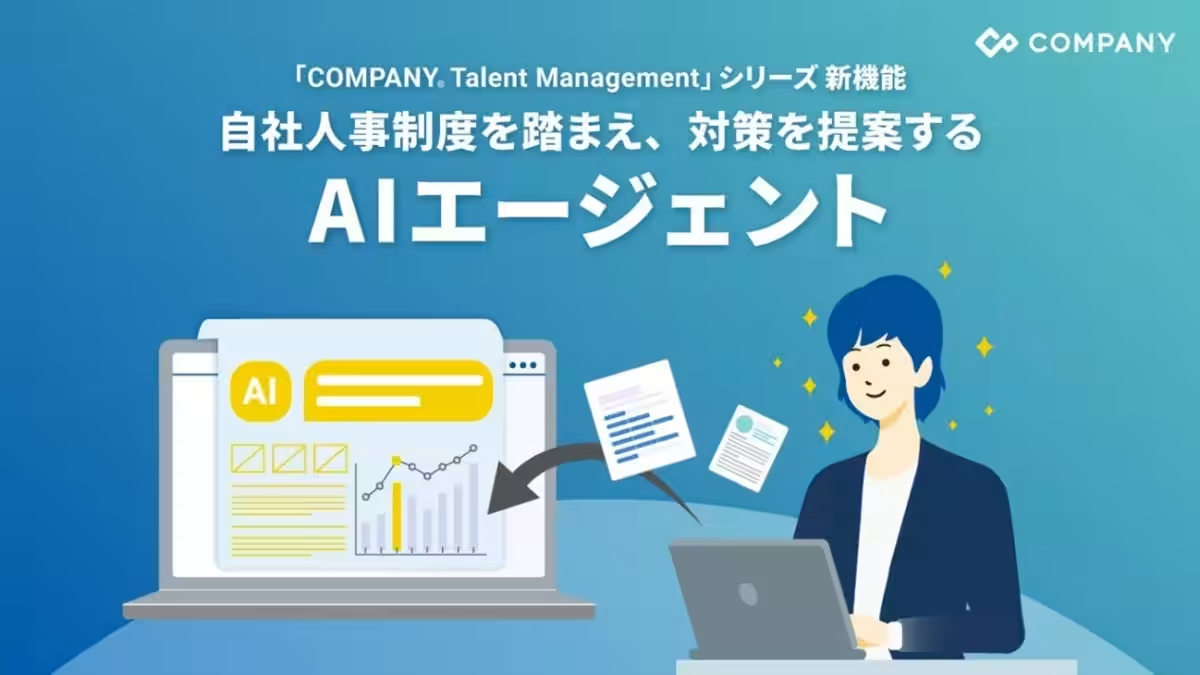
WHI HD Launches Innovative AI Agent for HR Data Analytics and Improvement
WHI HD Launches Innovative AI Agent for HR Data Analytics
WHI Holdings, headquartered in Minato, Tokyo, has unveiled its proprietary AI agent, specifically designed to revolutionize human resources (HR) management. This new feature is integrated into the Company Talent Management series, known as CTM2.0. The AI agent is distinguished by its ability to analyze company-specific HR data and provide tailored improvement measures, overcoming the limitations of generic AI solutions that often rely on broad indications.
The Need for Custom AI Agents
In March 2026, the Cabinet Office published the revised guidelines for visualizing human capital, emphasizing the importance of interpreting these metrics within the context of a company's unique situation and translating them into specific strategies. Companies are now tasked not only with visualizing HR data but also with accurately identifying issues and implementing actionable solutions.
Traditionally, the use of HR data has often been limited to the sharing of aggregated reports, which seldom lead to focused improvement discussions or practical implementations on the ground. Although the utilization of AI for data analysis is on the rise, generic AI systems frequently fail to account for the specific institutional frameworks and cultures within individual companies, making actionable outcomes elusive.
Recognizing these challenges, WHI HD has developed a custom AI agent capable of assimilating unique HR systems and organizational characteristics through the analysis of evaluation documents and grading definitions. By leveraging this customized approach, companies can gain insights that are directly relevant to their operations, leading to more effective HR management strategies.
Features of the Custom AI Agent in the Motivation Survey
1. High-Resolution Analysis Based on Company-Specific Information
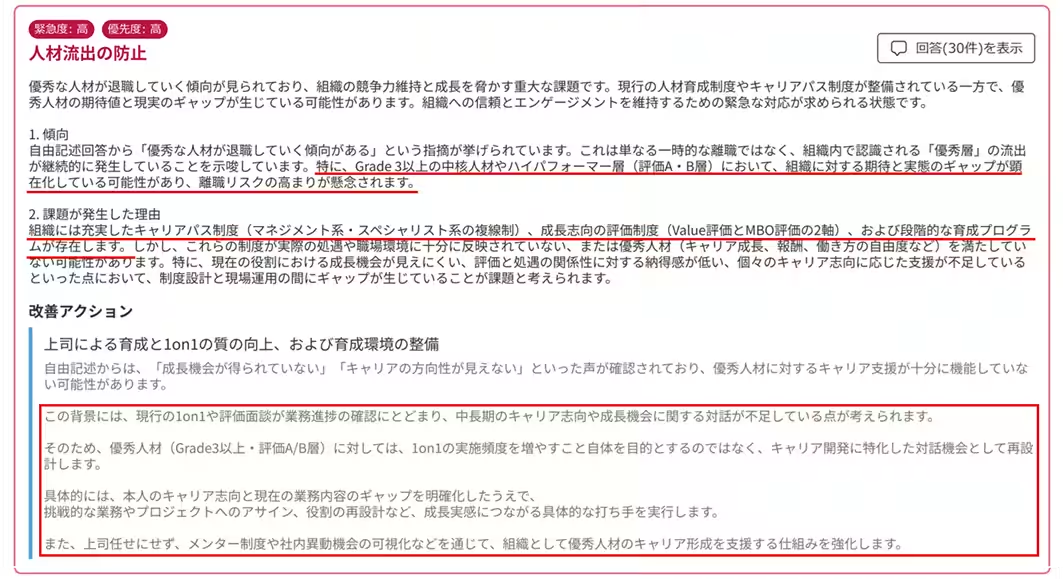
The AI agent analyzes employee survey responses and engagement scores, pinpointing problems and actionable solutions. Unlike generic AI analyses that might identify broad trends (e.g., a decrease in motivation among employees in their 30s), this functionality allows for a fine-tuned identification of issues based on company-specific definitions of talent and evaluation criteria. For instance, if an area defined as high-performing by a company is exhibiting dissatisfaction regarding
Topics Other)
【About Using Articles】
You can freely use the title and article content by linking to the page where the article is posted.
※ Images cannot be used.
【About Links】
Links are free to use.