



Innovative Quantum Dots from Organic Waste Could Transform Pest Control Solutions
GS Alliance's Groundbreaking Developments in Pest Control
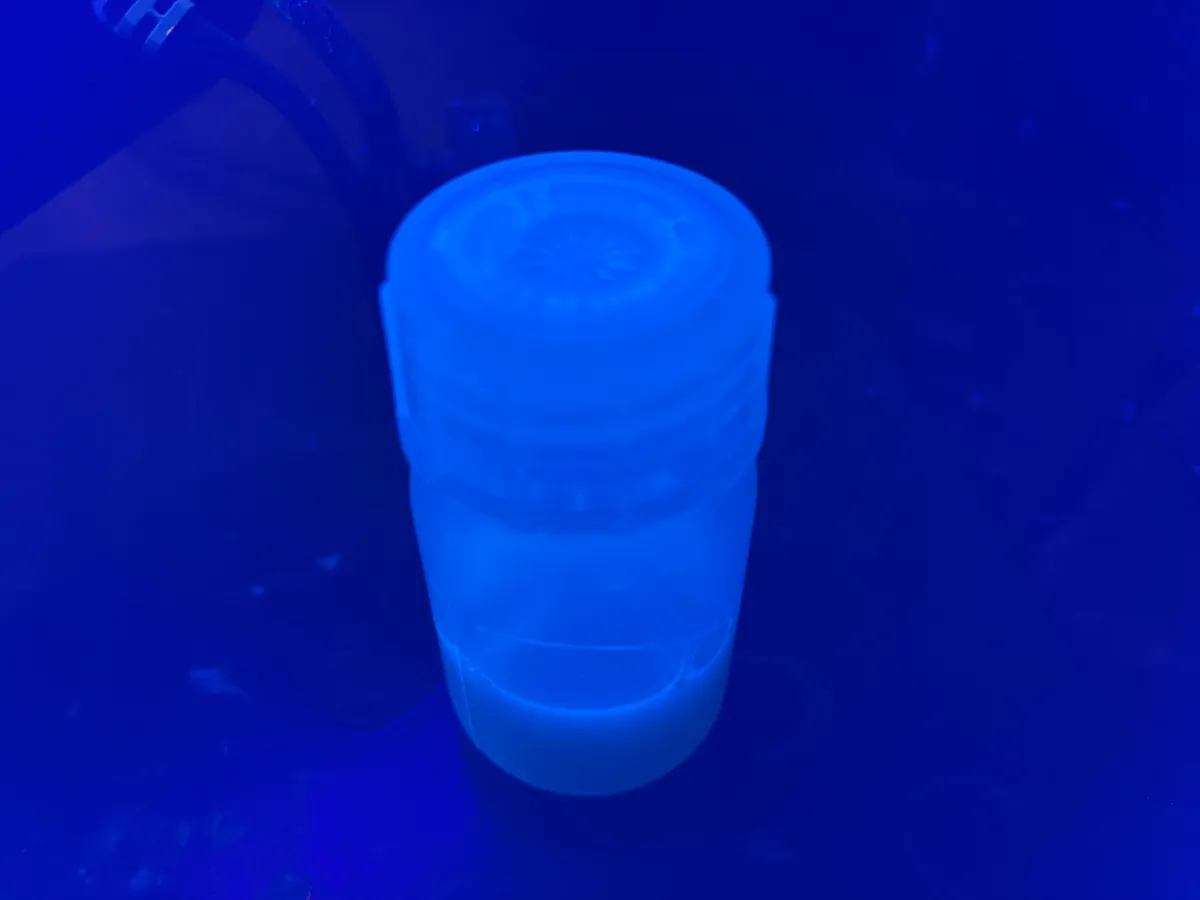
In a significant move towards creating sustainable pest control methods, GS Alliance has successfully synthesized quantum dots from organic biomass waste, such as discarded wood and food scraps. Dr. Ryohei Mori, an expert in engineering at the company, has confirmed that these quantum dots demonstrate repellency against pests, specifically targeting the tobacco whitefly (Bemisia tabaci). This innovation marks a potentially groundbreaking shift in pest management strategies.
Understanding the Problem of Pests
For centuries, humanity has grappled with the challenges posed by various pest species. From blood-sucking insects like mosquitoes to harmful pests that damage crops and livestock, pest control has been an ongoing battle. Traditional insecticides, including organophosphates and pyrethroids, have been utilized to combat these pests. However, concerns over their toxicity to humans and animals, as well as environmental implications, have led to a search for safer alternatives.
The Promise of Repellents
In response to these concerns, the focus has shifted towards repellents—substances that deter pests without necessarily killing them. Unlike traditional insecticides, endorsing the development of pest resistance, repellents exert less selective pressure, reducing resistance risks. Their volatility ensures that they do not remain on crops, contributing to overall safety in food production. The recent attention to repellents aligns with increasing consumer demand for safer, environmentally friendly pest control options.
The Rise of Quantum Dots
Quantum dots are nanometer-sized semiconductor particles that exhibit unique optical properties governed by quantum mechanics. Typically, these materials range from 0.5 to 9 nm in size and can be tuned for specific light emission characteristics. The discovery of using quantum dots from organic waste for pest repellent applications is unprecedented.
Notably, the quantum dots synthesized from waste materials at GS Alliance present a less costly and more sustainable alternative compared to conventional chemicals derived from petroleum. Given the natural origins of these quantum dots, they carry the potential for safer use in agricultural settings, provided that extensive safety testing confirms their non-toxic nature.
The Scientific Mechanism Behind the Repellent Effect
While the exact mechanism through which these quantum dots repel pests remains under investigation, several hypotheses are being explored. Speculations include the capacity of quantum dots to penetrate insect cells and potentially disrupt their DNA or the possibility that these dots emit light at wavelengths that insects find aversive. Additionally, the photocatalytic properties of quantum dots could generate reactive electron species harmful to pests when exposed to sunlight.
Future Directions
GS Alliance is committed to further exploring the capacities of quantum dots derived from various organic waste sources and investigating their overall effectiveness as repellents against a diverse array of pests.
Conclusion
The innovative work being done by GS Alliance signifies a promising direction in pest management. By harnessing the inherent properties of organic waste, not only can the company contribute to pest control efforts but also address pressing environmental issues associated with conventional chemical insecticides. The continued exploration and development of these technologies could lead to transformative solutions in agricultural pest management, enhancing safety and sustainability for future generations.
About GS Alliance
Founded with a mission to promote carbon neutrality and tackle SDG challenges, GS Alliance leads with advanced research in environmental and energy technologies. With an expanding footprint not only in Japan but also in international locations like Canada and Switzerland, the company continues to innovate in the realm of sustainable technology.
For more information, visit their website: GS Alliance.
Topics Environment)
【About Using Articles】
You can freely use the title and article content by linking to the page where the article is posted.
※ Images cannot be used.
【About Links】
Links are free to use.