



Happo-en Initiates First Personnel Exchange Program with Nasu Shiobara City
Introduction
On May 16, 2025, a significant milestone will be marked by Happo-en as it launches its inaugural personnel exchange program with Nasu Shiobara City, Tochigi Prefecture. This initiative, which is a part of a partnership agreement effective until March 31, 2026, aims to bolster regional problem-solving, enhance collaboration, and foster skill development among participants from both entities.
Background of the Partnership Agreement
In 2022, Happo-en, a comprehensive production company located in Minato, Tokyo, entered into a partnership agreement with Nasu Shiobara City. This agreement has served as a foundation for various collaborative efforts aimed at enhancing the region's appeal and strengthening its brand. Key initiatives have included:
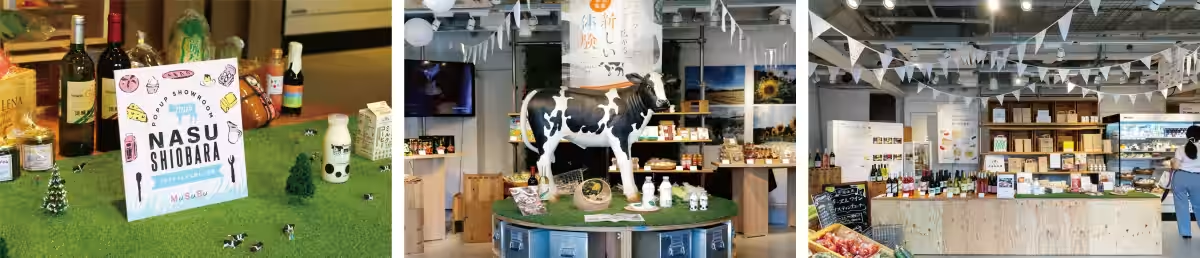
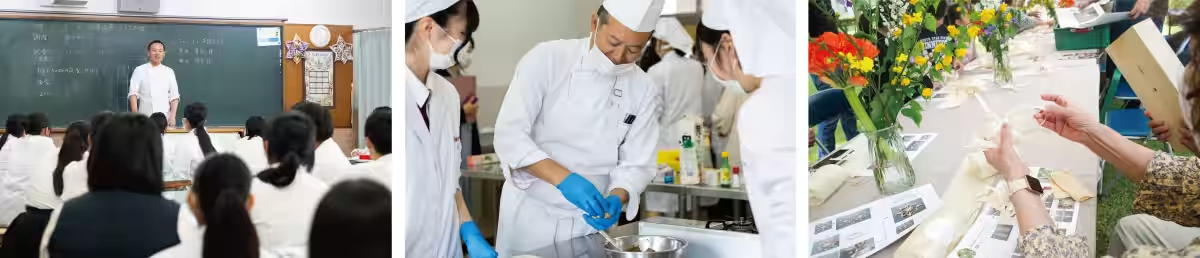
1. Promoting Local Agricultural Products: Happo-en has aided in expanding the market for regional agricultural products and processed goods, exemplified by the production of a pop-up showroom to showcase these items.
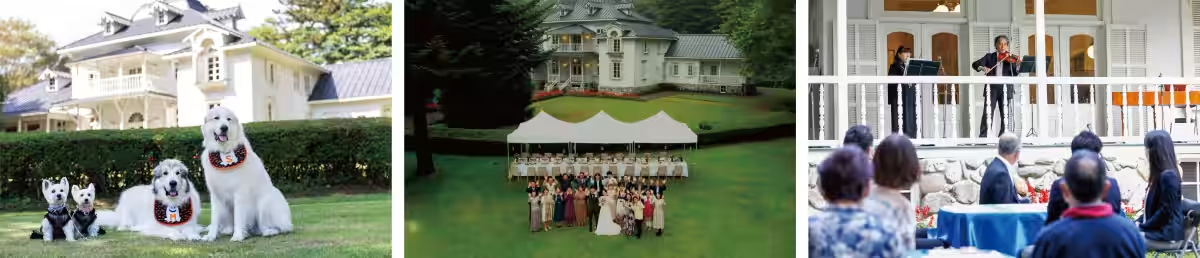
2. Boosting Local Events and Visibility: Happo-en has organized events such as photo tours with pets and concerts featuring music from Austria, all aimed at enriching communal engagement and promoting the cultural heritage encapsulated in sites like the important cultural property, the former Aoki family residence.
3. Fostering Next-Generation Talent: Collaborations with Nasu Takuyo High School have fostered menu development projects alongside culinary professionals from Happo-en, while workshops utilizing the region's signature Akamatsu wood have been conducted to enrich local craftsmanship.
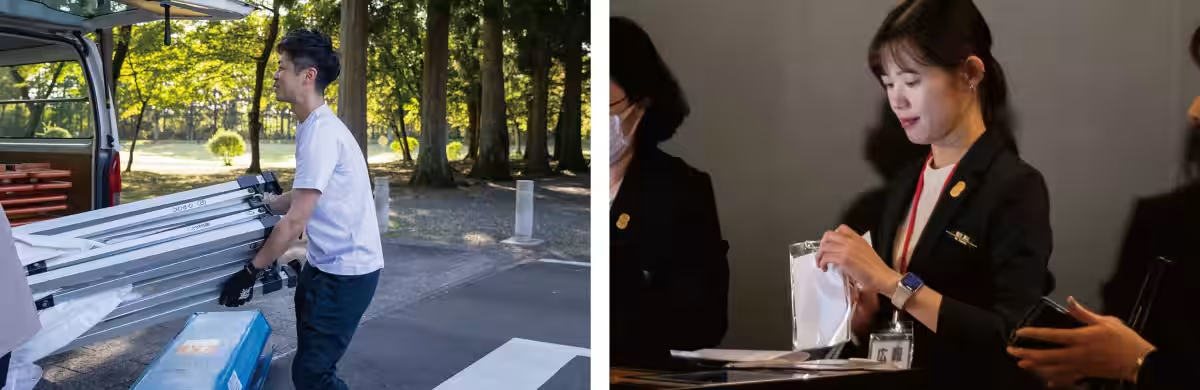
4. Engaging with Local Employees: The facilitation of Nasu Shiobara City staff into Happo-en’s diverse operational menu has further enriched the interaction between local government and the private sector.
Overview of the Personnel Exchange Program
The personnel exchange program marks a significant shift from the past practice where Nasu Shiobara City sent employees to Happo-en. For the first time, Happo-en will send its personnel to the city, which is expected to enhance mutual understanding and the synergy required for effective regional revitalization.
Through this reciprocal exchange, both parties will aim to cultivate new skills and perspectives that arise from cross-sector collaborations. Nasu Shiobara City will benefit from the business know-how and operational strategies that Happo-en brings to the table, especially in areas like leadership, branding, and project planning. This hands-on experience from a corporate perspective will empower city employees to broadening their operational skill set.
Program Details
- - Exchange Duration: May 16, 2025 – March 31, 2026
- - Happo-en to Nasu Shiobara City: The designated representative from Happo-en will work in the Planning and Policy Division, focusing on brand-related initiatives.
- - Nasu Shiobara City to Happo-en: A staff member from the city’s planning division will be placed at Happo-en’s regional office, contributing to joint planning and operational endeavors.
About Happo-en
Founded on the promise to enrich Japan's beauty, Happo-en has maintained a rich historical legacy since the Edo period, featuring expansive Japanese gardens in Shirokanedai, Tokyo. Today, under the leadership of CEO Yoshinori Inoue, the company engages in diverse businesses, including weddings, events, and MICE, along with regional promotional activities. Its mission is to preserve and promote the local culture and heritage while fostering a culture of exchange beyond the bounds of Tokyo.
About the Exchange Content Production Divisions
Since its inception, Happo-en has expanded its reach into regional content production that enhances communal ties through culinary experiences. With branches in Fukushima and Tokushima, the company aims to engage local municipalities through PR initiatives and hospitality program branding.
- - Establishment: August 8, 2023
- - Website: Happo-en Content Production
Conclusion
The personnel exchange program between Happo-en and Nasu Shiobara City exemplifies an innovative approach to regional collaboration and skill enhancement. As both entities prepare for this dynamic initiative, it is anticipated that they will not only enrich their organizational cultures but also drive significant advancements in regional development efforts, ultimately benefiting the community at large.
Topics Business Technology)
【About Using Articles】
You can freely use the title and article content by linking to the page where the article is posted.
※ Images cannot be used.
【About Links】
Links are free to use.