



Understanding Public Awareness and Concerns About Environmental Issues in Japan
Understanding Public Awareness and Concerns About Environmental Issues in Japan
A recent survey conducted by Cross Marketing, a Tokyo-based marketing research firm, sheds light on the general public's awareness and concerns regarding environmental and societal issues in Japan. With a significant sample size of 3,000 individuals aged 18 to 79, the research, known as the "Environmental and Societal Issues Awareness Survey," aimed to capture shifts in lifestyle preferences and awareness regarding pressing global issues.
Key Findings on Environmental Concerns
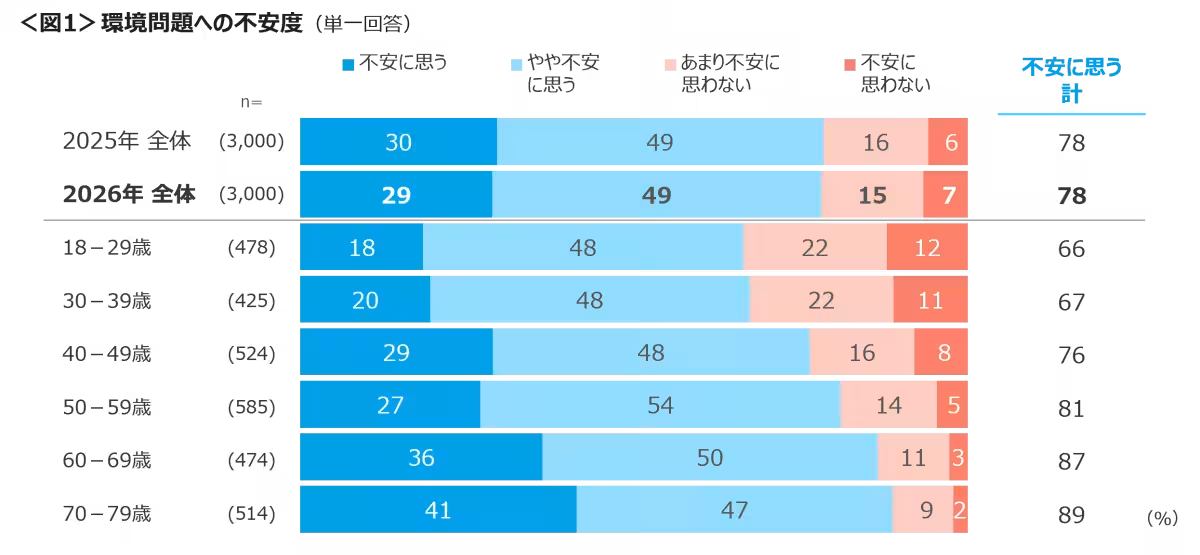
The survey revealed that a staggering 78% of respondents express some level of concern about various environmental issues, including global warming, deforestation, ocean pollution, and overall pollution. When categorizing the levels of concern, 29% indicated they feel "very concerned," while an additional 49% conveyed they are "somewhat concerned." It was noted that concern increases with age; data revealed that over 80% of respondents aged 50 and above reported being apprehensive about these environmental issues.
Awareness Attitude and Willingness to Cooperate
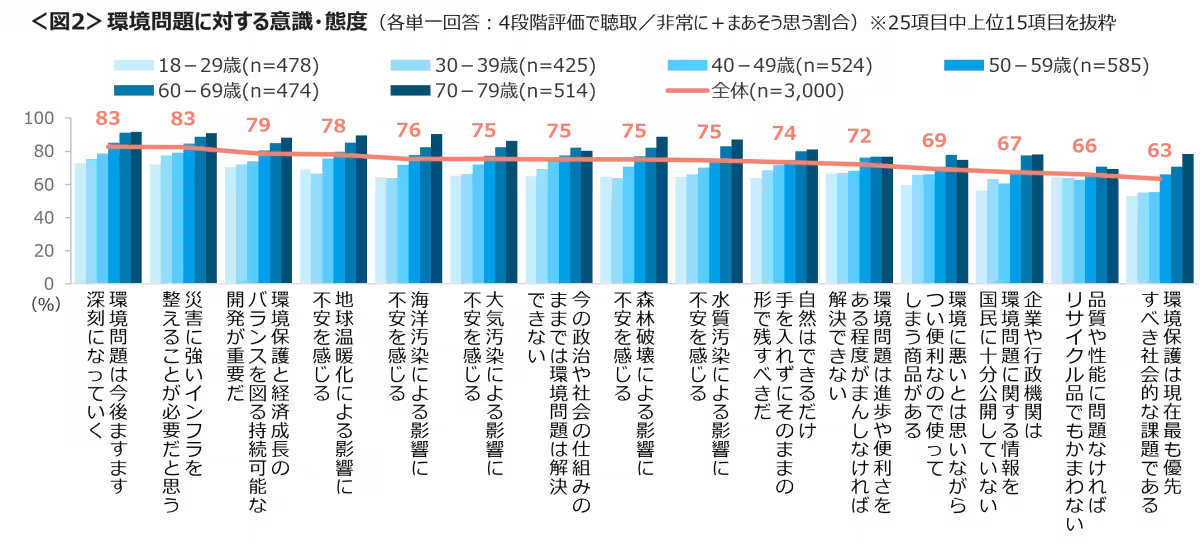
Assessing attitudes toward environmental matters, the survey adopted a four-point scale to gauge agreement levels regarding several statements. Remarkably, 83% of individuals agreed that environmental issues are expected to worsen in the future, alongside the importance of establishing disaster-resistant infrastructure. Furthermore, a vast majority also agreed on the necessity of balancing economic growth with sustainable development to protect the environment, citing concerns about global warming. This trend of heightened awareness is consistent across different age groups, indicating deeply rooted anxieties about the future.
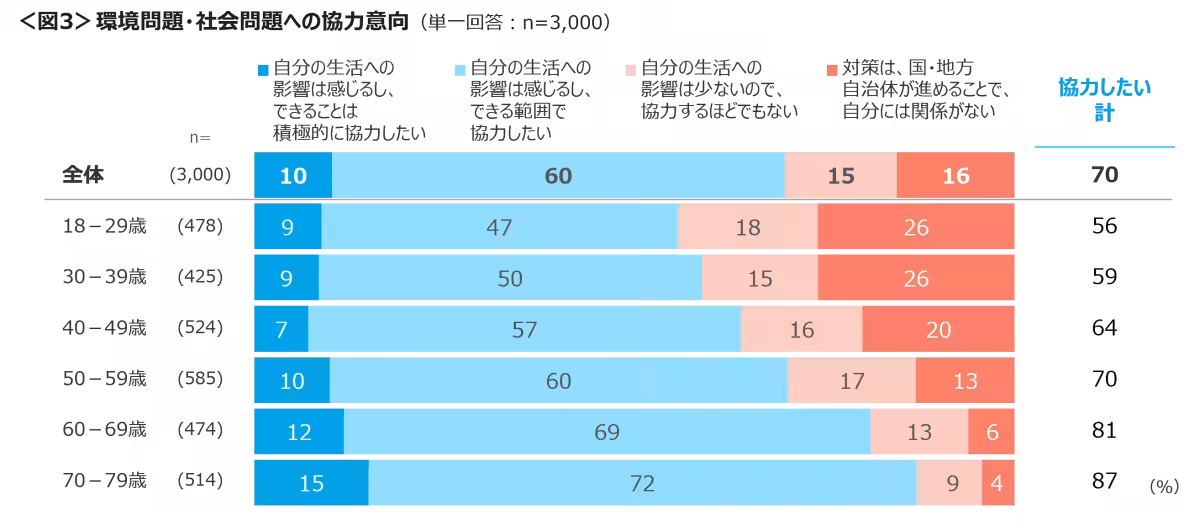
Interestingly, while approximately 70% of young adults (ages 20-30) also expressed a desire to cooperate in environmental efforts, 26% reported feeling disconnected, stating they believe these issues should primarily be handled by government entities.
Urgent Societal Issues
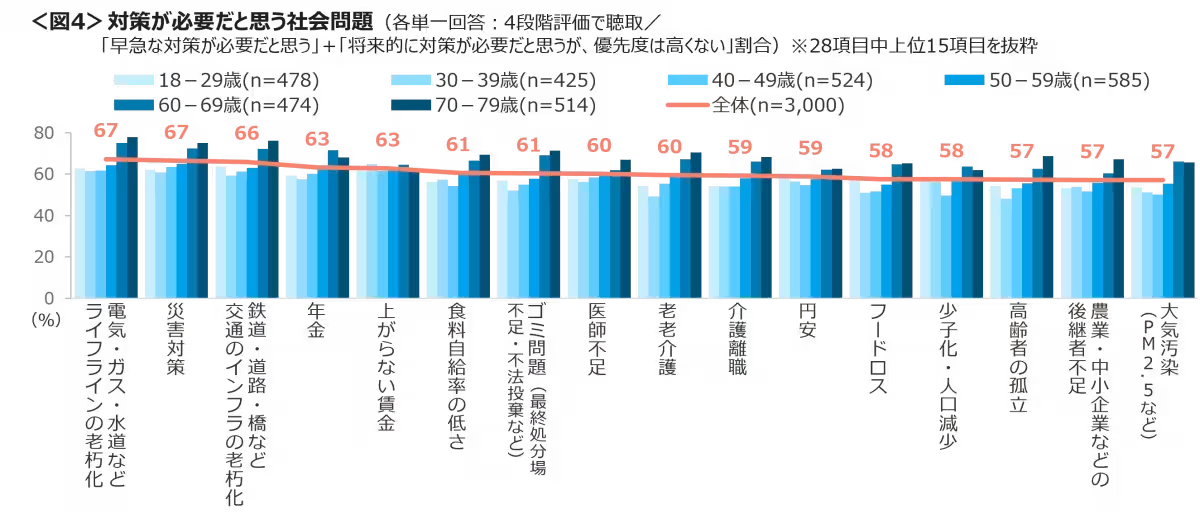
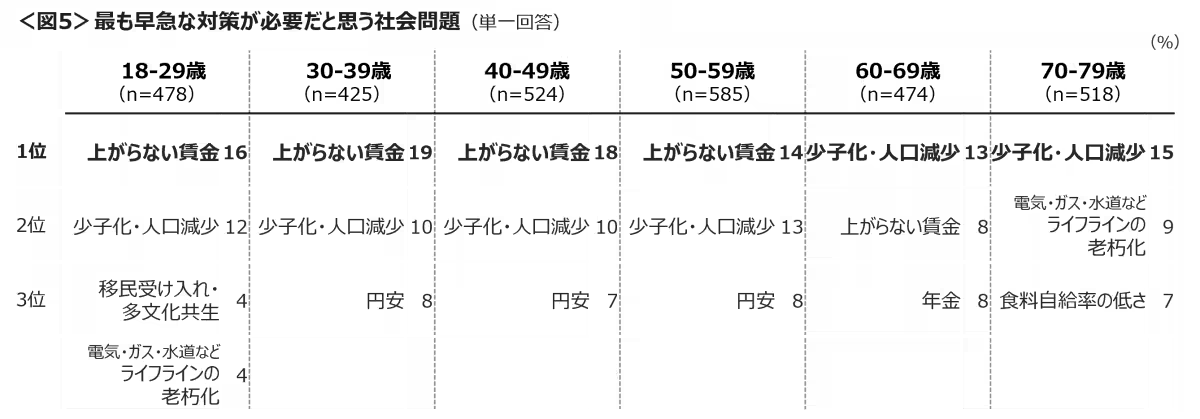
When analyzing which societal problems require urgent action, respondents identified aging infrastructure (utilities like electricity, gas, and water), disaster preparedness, and aging transportation systems as top priorities. For younger individuals (ages 18-29 and 30-50), rising wages emerged as the most urgent social issue, while their older counterparts highlighted concerns regarding population decline and aging infrastructure. This disparity in perspectives indicates a generational divide in prioritizing social problems.
Corporate Social Responsibility (CSR) Perspectives
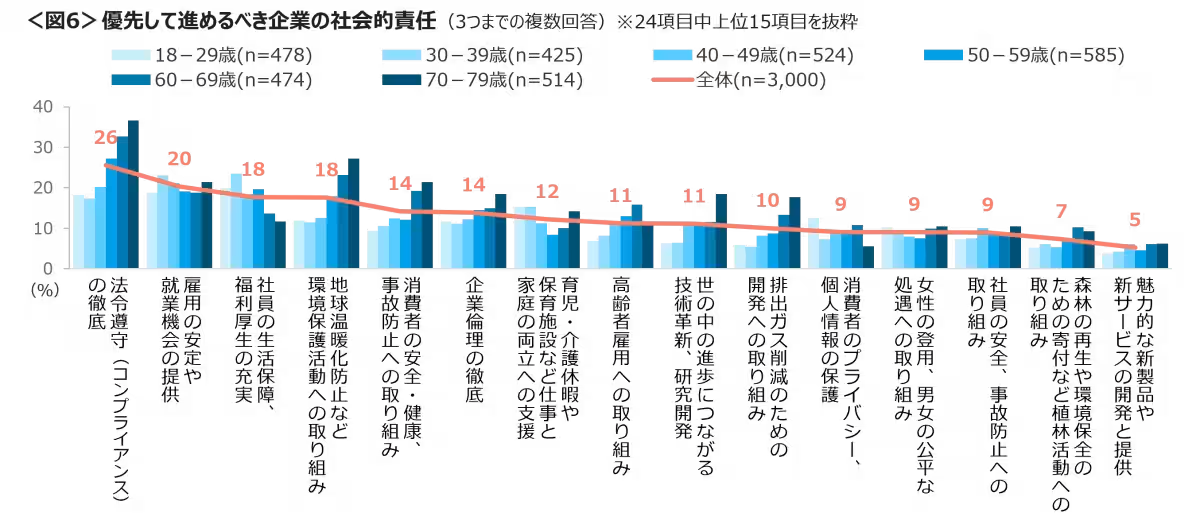
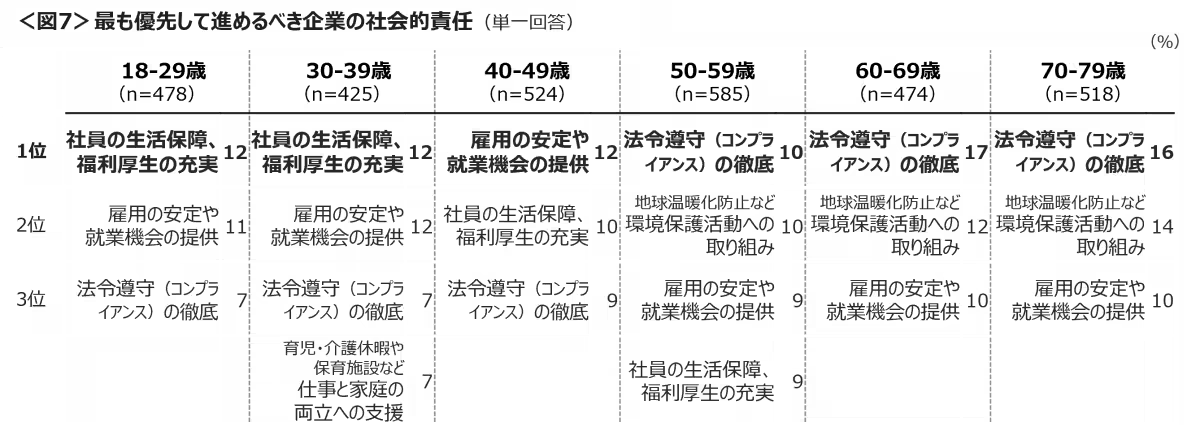
The survey also examined attitudes towards Corporate Social Responsibility (CSR). Respondents indicated that the most critical CSR focus areas should be strict compliance with laws and ensuring job stability and opportunities. There was also a notable difference in priorities depending on age groups; younger members tended to emphasize employee welfare and benefits more than their older counterparts, who prioritized environmental initiatives and adherence to regulations.
The findings from this survey present a complex picture of public sentiment regarding environmental and societal challenges in Japan. While there is a clear awareness and a willingness to engage in solving these issues, divisions remain, particularly among younger demographics who may feel less engaged. The results also emphasize the importance of CSR in shaping how businesses can support societal needs while addressing environmental concerns.
By fostering deeper connections and understanding among different age groups, society can work collectively towards resolving these pressing challenges.
For detailed insights and a full report of the findings, visit Cross Marketing.
Topics Environment)
【About Using Articles】
You can freely use the title and article content by linking to the page where the article is posted.
※ Images cannot be used.
【About Links】
Links are free to use.