



How Negative AI Responses Shape Consumer Decisions and Trust
The Influence of Negative AI Information on Consumer Choices
In a recent survey conducted by Axia Company, it was revealed that 50.7% of respondents altered their purchasing decisions after encountering negative information from AI. This striking statistic highlights the significant impact AI-generated content has on consumer behavior, even when trust in the technology is low.
Background of the Study
The survey included 1,800 participants across Japan, spanning various demographics. It aimed to investigate the perceptions surrounding AI-generated content regarding companies and products. In the first iteration of the survey, 74.8% of respondents shared their experiences of receiving inaccurate or outdated information from AI. Over half of these respondents acknowledged that AI information affected their decision-making.
Key Findings on Negative Information
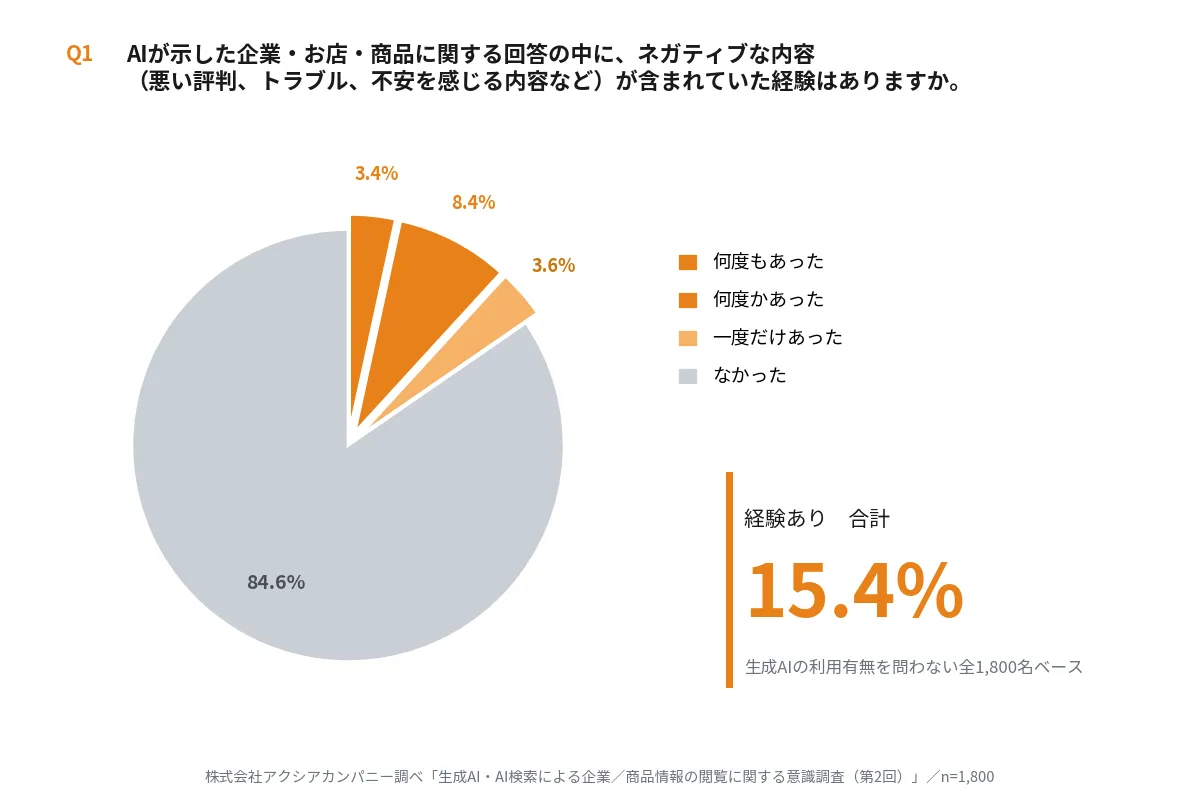
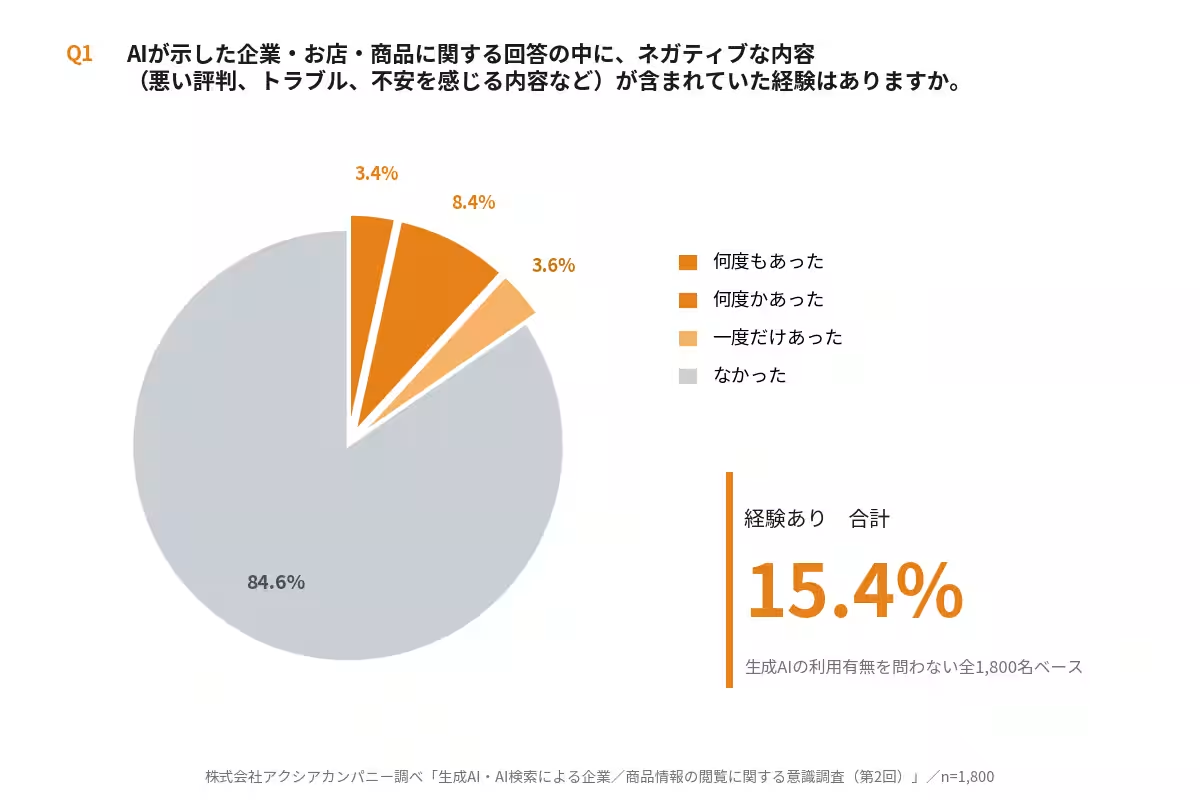
The second round of research focused specifically on instances where AI presented negative content relating to businesses or products. Findings indicated that 15.4% of those surveyed had encountered negative responses from AI, concerning bad reputations or troubling experiences.
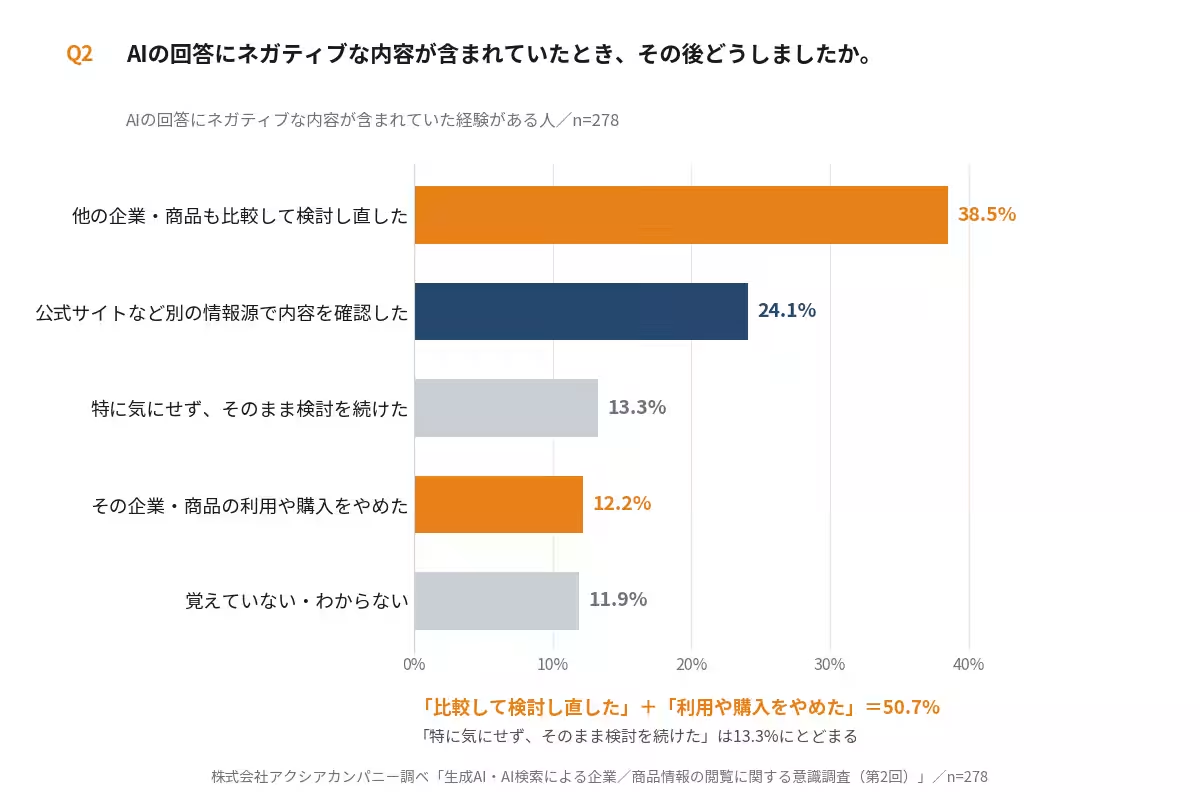
When prompted about their subsequent actions, it emerged that 38.5% of these individuals opted to compare other companies and products. Additionally, 12.2% ceased using or purchasing the product in question. This means that a collective total of 50.7% of respondents modified their actions in light of negative AI responses. Conversely, only 13.3% chose to continue their evaluation without alteration.
Trust in AI versus Action Taken
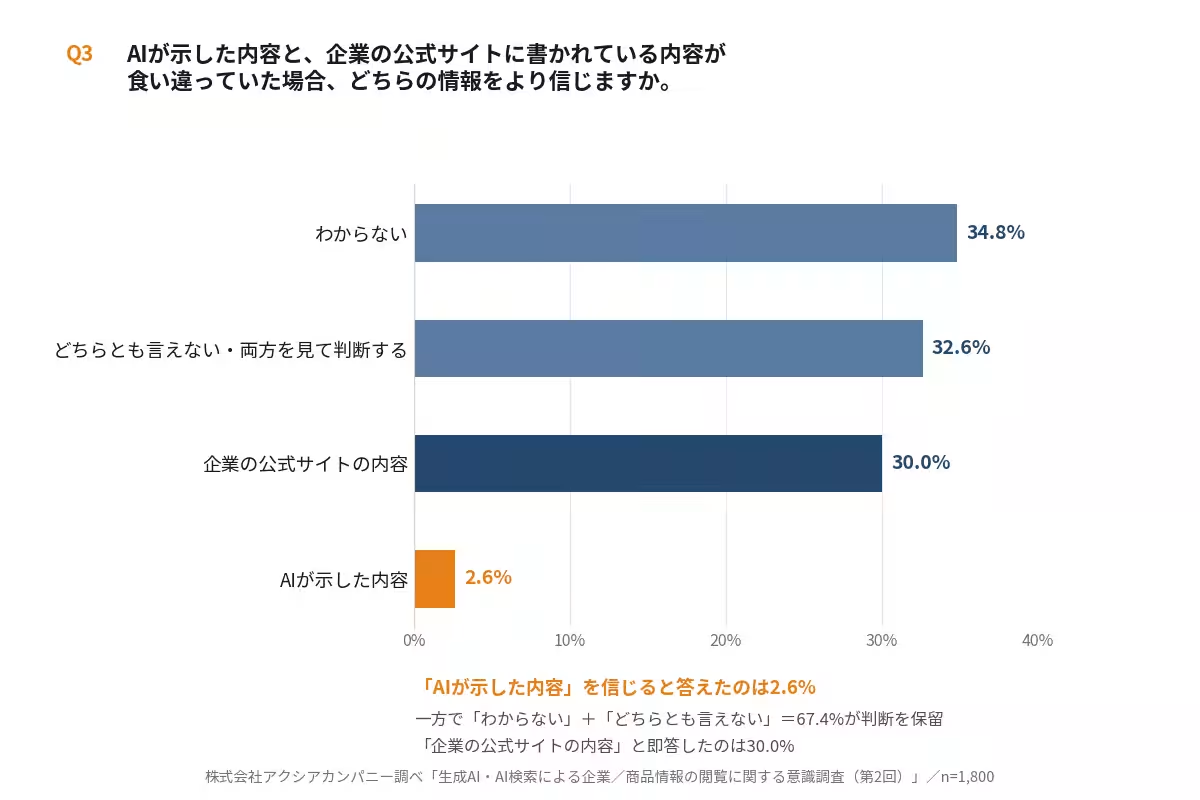
Interestingly, when faced with conflicting information between AI and a company’s official website, only 2.6% of participants chose to trust AI over the company's official content. These results yield a curious paradox: while AI responses are often met with skepticism, they nonetheless compel significant changes in how consumers proceed with their decisions.
Patterns of Behavior and Retention of Trust
This study highlights a pattern of behavior whereby individuals may act on the basis of incomplete trust in AI. It may suggest a tendency towards risk aversion; consumers might prefer to avoid potential pitfalls suggested by AI, despite not fully trusting its accuracy. This is potentially a larger concern for businesses, as the perception of risk associated with negative AI content can lead to lost opportunities without any visible indicators such as direct inquiries or complaints from consumers.
Moreover, the data underscores that the impact of negativity does not solely result in lost sales but instead intensifies competition as consumers begin to compare firms more extensively. The results suggest companies may not always comprehend the subtle shifts occurring in consumer behavior prompted by AI interactions.
Confidence in Official Company Content
An additional 24.1% of respondents actively sought verification from official websites or other sources after engaging with AI-generated content. This reflects a strong inclination towards validation, indicating that while AI may generate negative impressions, consumers often still turn to traditional, verified sources to cross-check information.
Nonetheless, with many participants responding ‘I don’t know’ (34.8%) or unwilling to commit to a definitive stance (32.6%), this presents a significant challenge; it illustrates the difficulties faced when consumers cannot ascertain the credibility of AI information effectively.
The Need for Ongoing Reputation Management
Our findings suggest that companies need to actively manage their reputation in the AI space. As AI technology evolves and becomes more integrated into the consumer decision-making process, the potential for negative information to impact purchasing behavior will likely grow. Therefore, businesses must continuously monitor their online representation across AI platforms and optimize their content to ensure that accurate and positive information surfaces over negative reports.
Conclusion
In summary, our research indicates that while AI-generated information might be met with skepticism, its effects on consumer decisions are profound. With more consumers encountering negative AI content, businesses face the imperative task of addressing how they present their information in these new digital contexts. Ongoing vigilance and proactive reputation strategies will be paramount in mitigating potential losses and ensuring sustained consumer trust in an AI-influenced marketplace.

Topics Consumer Products & Retail)
【About Using Articles】
You can freely use the title and article content by linking to the page where the article is posted.
※ Images cannot be used.
【About Links】
Links are free to use.