



Understanding the Gap in Usage of Cooling Products as Gifts: A New Survey Insights
Insights on Cooling Product Use in Summer 2026
This summer marked record-high temperatures, prompting discussions surrounding the effectiveness and sales of cooling products. However, a recent survey conducted in August 2026 by the marketing research firm Researto aimed to delve deeper into whether those products were actually being utilized. The survey involved 800 participants across Japan, aged between 20 and 59, providing crucial insights into the true usage patterns of these items.
Survey Summary
The survey results showed that the most commonly used cooling product was the sunshade or umbrella, with 42.4% of respondents indicating they utilized it this year. In stark contrast, the least used product was fan-equipped clothing, with only 7.3% usage. Notably, the usage rates varied widely depending on the product category, with the figures ranging from 26.4% for the less popular fan clothing to 71.5% for cooling bedding.
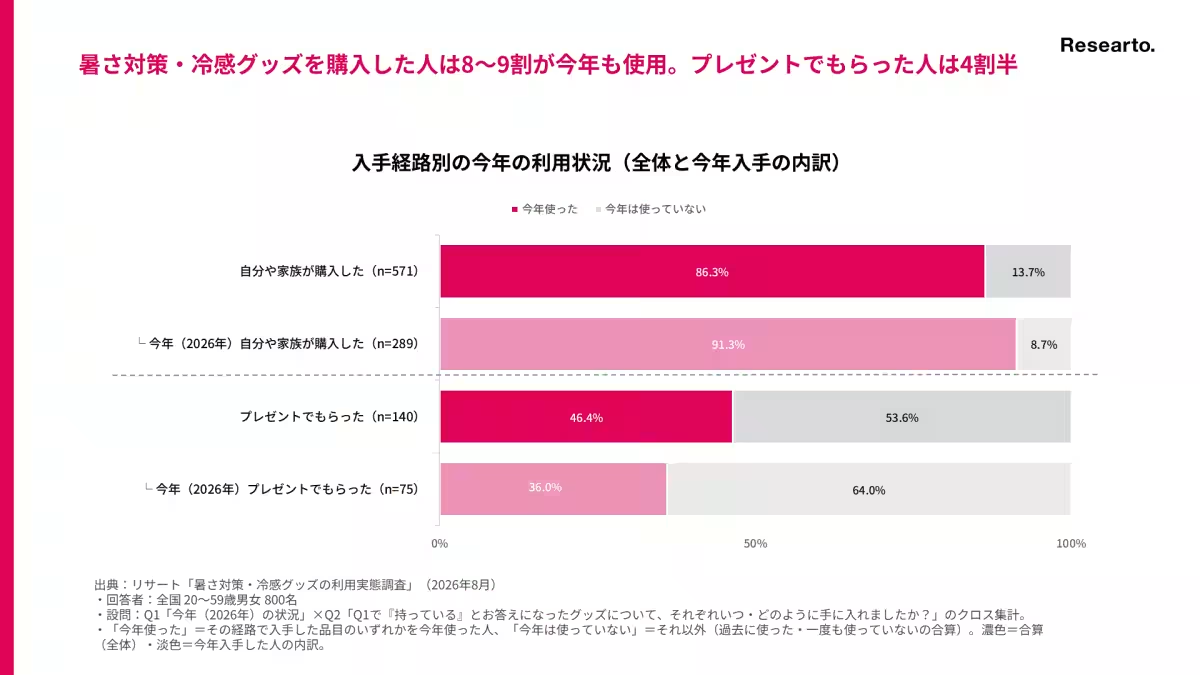
When examining the acquisition method, the findings revealed that approximately 80-90% of those who purchased cooling items reported using them again this year. Conversely, only about 46.4% of those who received these items as gifts used them, with a mere 36.0% of recent gift recipients reporting that they used the cooling products they received this year.
This stark difference highlights what we’re terming the 'gift temperature gap.' The factor of whether the individual chose the product themselves appeared significant in determining usage.
Product Specific Usage Rates
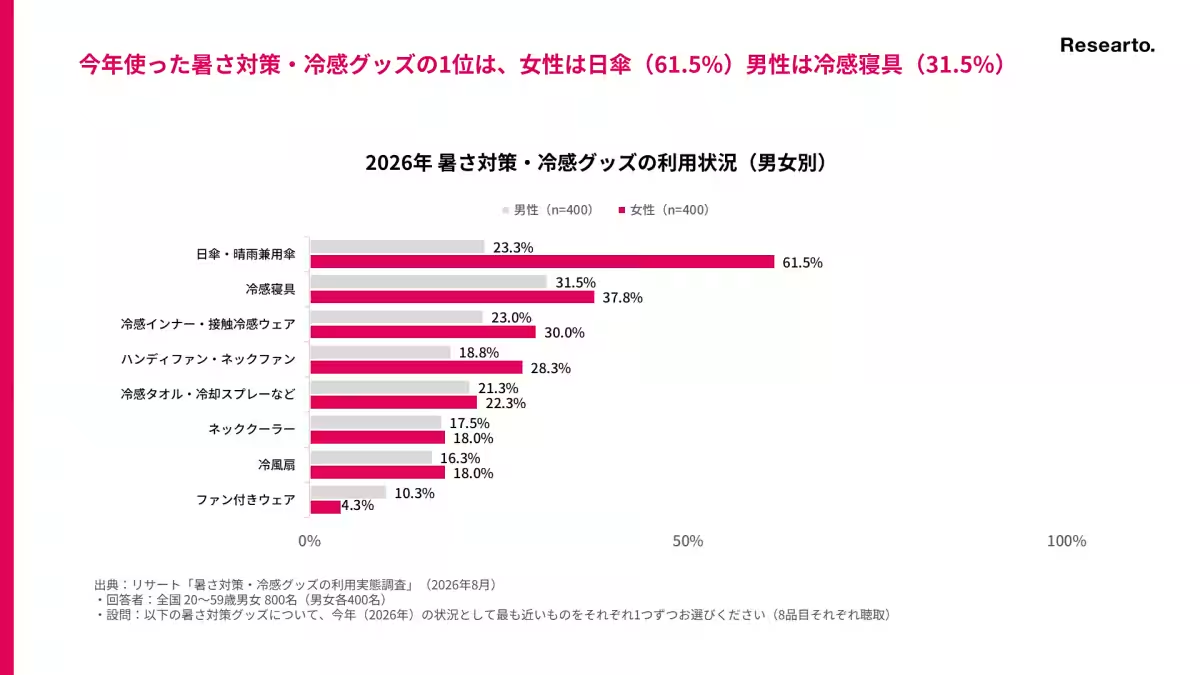
Among various cooling products surveyed, sunshades emerged as the most utilized with a 42.4% usage rate this year. Following closely was cooling bedding at 34.6%. While analyzing the gender-specific data, a substantial gap was observed in sunshade usage—61.5% of women used it compared to only 23.3% of men. This indicates a changing trend where men are increasingly using sunshades as part of their heat management strategies.
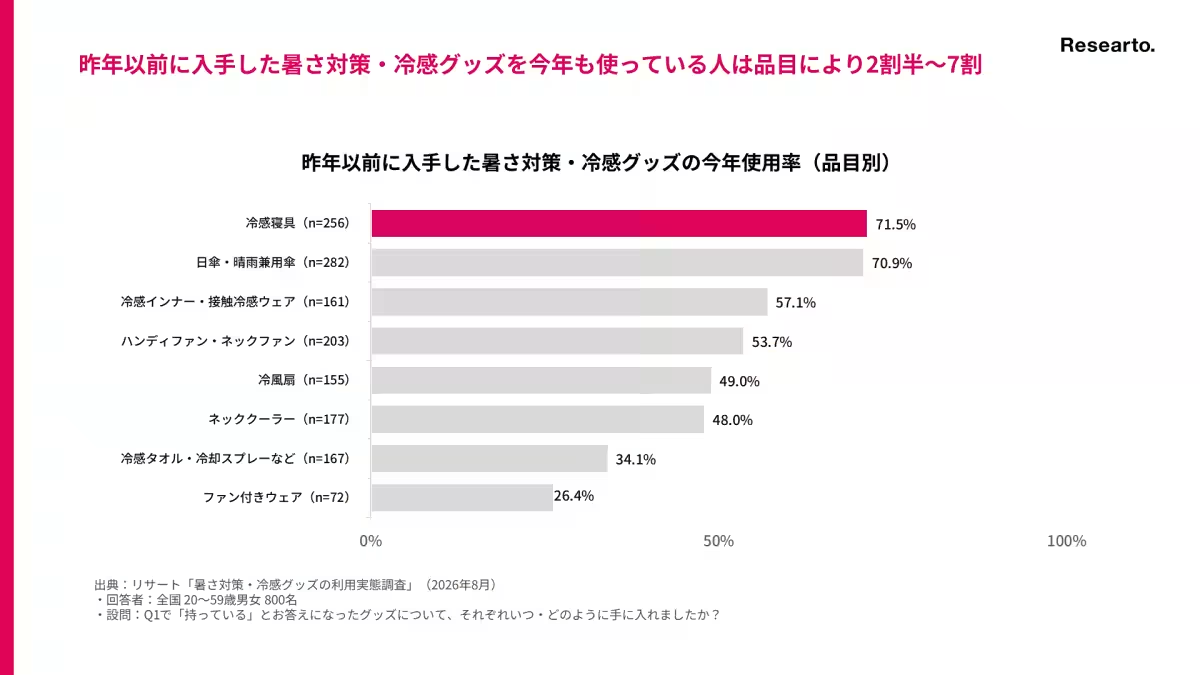
For those who acquired cooling products in previous years, the continuation of use varied significantly depending on the product type. Cooling bedding and sunshades had a usage rate of 71.5% and 70.9% respectively, whereas fan clothing saw only 26.4% continuing to use it. Interestingly, consumables such as cooling towels and sprays, which generally see diminished utility over time, demonstrated a lower usage rate of 34.1% as expected.
The Importance of Purchase Method
The pivotal finding of this survey lies in the method of acquisition for these cooling products. Notably, 86.3% of people who purchased their cooling items reported ongoing use. In comparison, only 46.4% of individuals who received these items as gifts maintained their use. Among this cohort, only 36.0% of those who received cooling products this year actively used them, contrasting sharply against the 91.3% usage rate reported by recent purchasers.
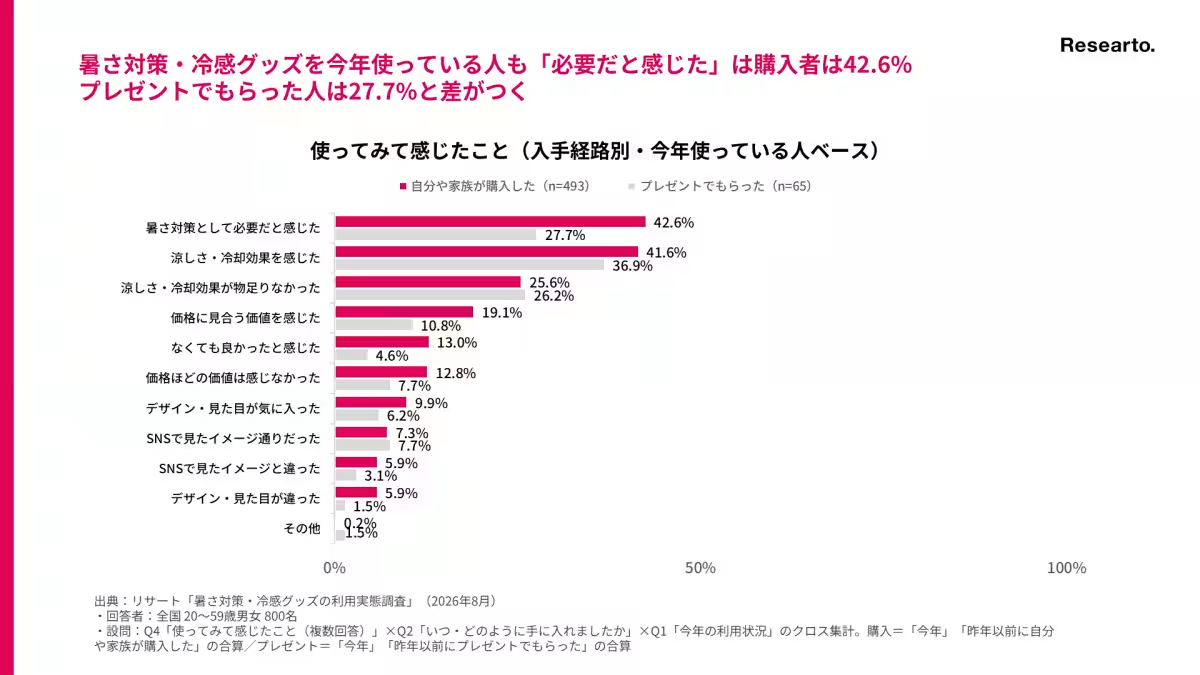
This data underscores the notion that personal selection greatly influences the likelihood of continued utilization of cooling products. The analysis revealed that the intrinsic feeling of necessity for cooling products is higher among purchasers (42.6%) compared to recipients of gifts (27.7%). This suggests that recipients may lack the intrinsic motivation typically required to engage with these products, perhaps indicating that they view them more favorably due to a lack of previous personal need assessment.
Exploring Consumer Insights with Industry Experts
To gain further insights, we spoke with Mr. Oshima, a representative from 'DENIS IN MADE IN TOKYO,' the company behind the cooling product 'SUPERSUUU.' He expressed that the survey results resonate strongly with his retail experience, noting a trend where customers seeking immediate relief tend to purchase the product directly after testing it in-store, aided by viral marketing on platforms like TikTok. He emphasized that alongside necessity, educating gift recipients on usage is vital for ensuring ongoing use of the product.
Conclusion
The findings from the survey illustrate a clear disparity in the continued utilization of cooling products based on how they were acquired, bringing to light the essential role of personal choice and perceived necessity. While nearly 80% of those who bought cooling goods reported continued usage, fewer than half of gift recipients did the same. This 'gift temperature gap' suggests that effective communication regarding the recipient's needs and preferences prior to gifting may increase the likelihood of these products being used effectively.
Research Overview
- - Research Method: Online questionnaire survey
- - Participants: 800 residents across Japan aged 20 to 59
- - Conducted by: Researto (Interview Room Co., Ltd.)
For more detailed readings and data, please refer to the source document from Researto.
Topics Consumer Products & Retail)

【About Using Articles】
You can freely use the title and article content by linking to the page where the article is posted.
※ Images cannot be used.
【About Links】
Links are free to use.