




Understanding the Modern Concept of Self-Rewards in Japan: Insights from TREND LAB Survey
The Modern Perspective on Self-Rewards in Japan
In January 2026, a significant survey was conducted by TREND LAB, a social listening project operated by la belle vie Inc., which manages the popular flash sale platform GLADD. The research aimed to uncover contemporary attitudes toward self-rewards among Japanese consumers. Approximately 9,000 participants shared their insights, revealing fascinating trends about how self-rewards are perceived and practiced today.
Key Highlights of the Survey
The findings shed light on several interesting patterns:
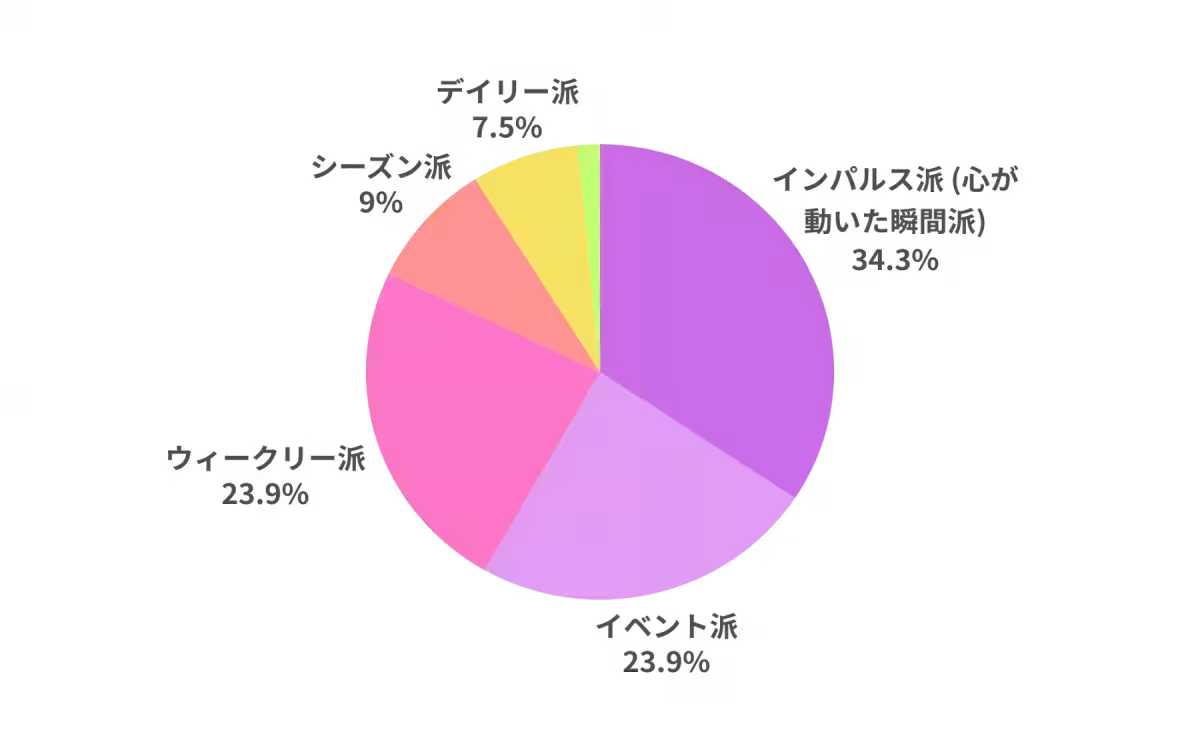
- - Frequency of Self-Rewards: The most common response for purchasing self-rewards was driven by spontaneous emotions, with 34% of respondents indicating they buy rewards in the moment they feel the urge, without waiting for significant milestones. This indicates that modern consumers are more inclined towards impulsive purchases, opting to validate their feelings immediately.
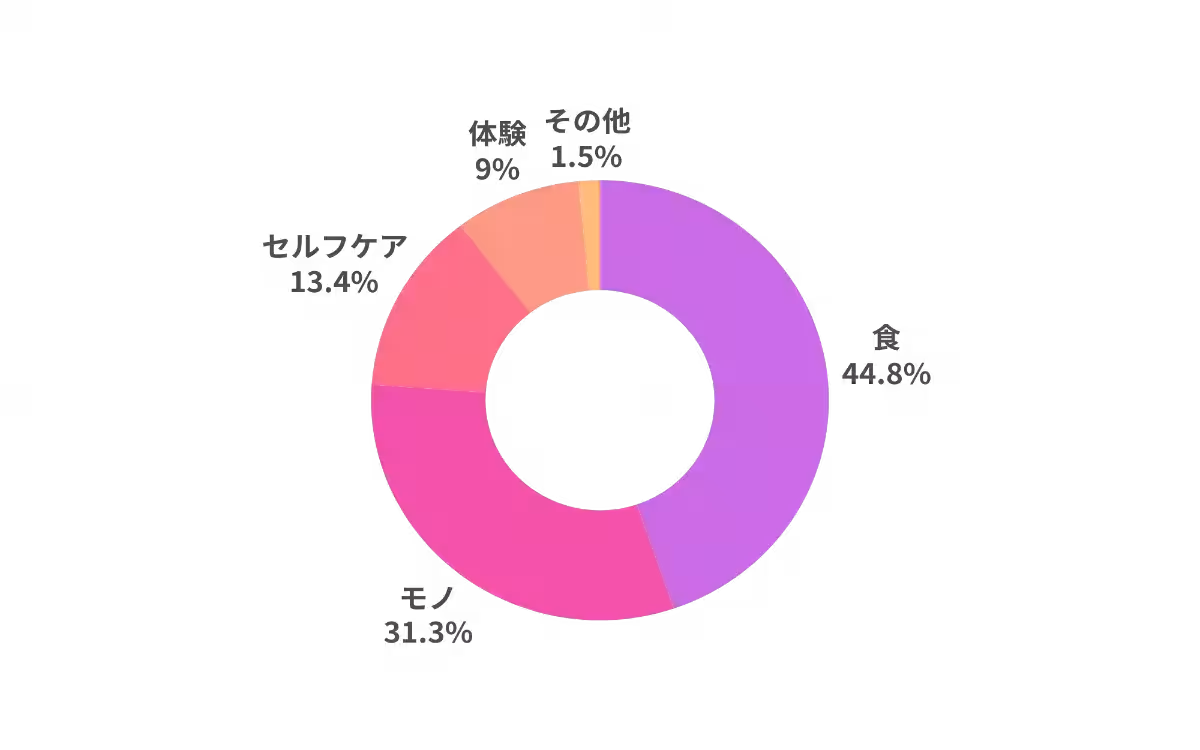
- - Content of Self-Rewards: Interestingly, food emerged as the top choice among self-rewards, with almost 40% of respondents selecting culinary experiences. This trend underscores the popularity of unique dining experiences as a means of self-care and indulgence.
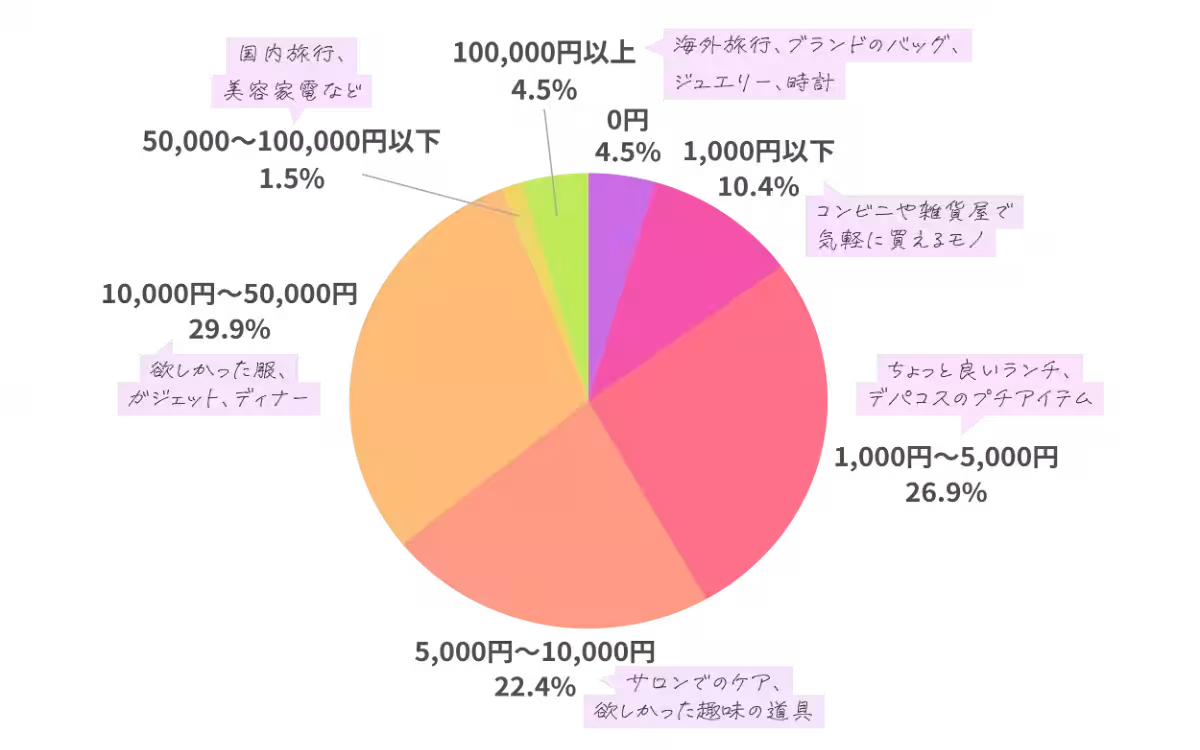
- - Budget Preferences: More than 60% of participants reported spending less than 10,000 yen on self-rewards, emphasizing a preference for personal satisfaction over monetary value. In this context, emotional fulfillment took precedence over the price tag.
Frequency of Self-Rewards
When asked about how often they indulge in self-rewards, here are the insights:
- - Impulse Buyers (34%): This group indulges in self-rewards whenever they feel an emotional trigger, reflecting the trend of spontaneous consumption.
- - Event-Based Rewarders (24%): This segment treats their rewards as celebratory gestures, typically buying once a month during significant events like paydays.
- - Weekly Indulgers (24%): Some consumers incorporate self-rewards into their regular routines, treating themselves weekly as part of their refreshment practices.
- - Seasonal Rewarders (9%): For these individuals, self-rewards are linked to achieving major goals or seasonal transitions, indulging only a few times a year.
- - Daily Rewarders (7%): A small segment enjoys daily self-rewards as part of their end-of-day routine, highlighting the desire for consistent small pleasures.
Reflecting on these insights shows that while spontaneous indulgence is prevalent, a notable number of consumers also value structure and consistency in their reward strategies.
Content Choices for Self-Rewards
Diving deeper into what people choose as self-rewards, food remains a prominent selection, with 45% opting for food-related experiences like dining out or special dessert treats. Open-ended responses revealed instances like treating oneself to a luxurious sushi lunch after a hectic week, showcasing how culinary experiences represent a cherished escape for many.
Following food, tangible items such as fashion and gadgets accounted for 31% of the responses, indicating strong satisfaction from acquiring physical goods. Additionally, 13% of the participants indicated self-care activities such as massages and spa treatments as their preferred rewards, underscoring a growing interest in experiences that enhance well-being.
Budget Allocations for Self-Rewards
Regarding budgetary considerations, the data revealed that approximately 63% of respondents allocate less than 10,000 yen for self-rewards. The prevailing spending ranges highlighted the absence of rigid price points, showcasing how individual consumers prioritize their satisfaction:
- - 0 yen (4%): Non-monetary self-care, including digital detox days or leisurely baths, was also noted.
- - Below 1,000 yen (10%): Affordable treats like convenience store snacks exemplified small, everyday rewards.
- - 1,000 to 5,000 yen (27%): Slightly more indulgent options include casual dining or trendy accessories.
- - 5,000 to 10,000 yen (22%): Participants indicated spending on authential self-care like salon services or hobbies.
Impulse Buying Versus Daily Rewards
Interestingly, respondents who favor impulsive purchases often choose tangible items reflective of higher dollar amounts, exceeding 10,000 yen, while those who practice daily rewards tend to favor the more modest 1,000 to 5,000 yen range focused primarily on food. This trend illustrates two distinct consumer mindsets in self-reward consumption: high-stakes impulsive purchases versus accessible, daily treats.
Conclusion: Evolving Self-Rewards from Luxuries to Self-Management
The findings suggest that the modern understanding of self-rewards transcends mere luxury indulgence, evolving into a nuanced aspect of self-management. The most critical component in today’s consumption is intrinsic satisfaction rather than expenditure volume. Even with a budget constraint of 10,000 yen, the act of making satisfying choices in the right moments reflects the essence of contemporary self-reward practices in Japan.
By embracing this personalized approach, consumers navigate the complexities of emotional fulfillment and personal well-being distinctly attuned to individual lifestyles.
Survey Overview
- - Survey Name: TREND LAB. Self-Reward Survey
- - Target Audience: TREND LAB. readers & GLADD Instagram followers
- - Survey Duration: January 28 - February 1, 2026
- - Method: Online voluntary responses
- - Conducted by: la belle vie Inc.
About TREND LAB.
TREND LAB. operates under la belle vie Inc. and focuses on social listening to analyze and articulate consumer sentiments in an era where choices are abundant and clarity is elusive.
About GLADD
GLADD is a flash sale site catering to diverse lifestyles and delivering smart shopping experiences by offering selected brand items at special limited-time prices. With GLADD, consumers can discover
Topics Consumer Products & Retail)






【About Using Articles】
You can freely use the title and article content by linking to the page where the article is posted.
※ Images cannot be used.
【About Links】
Links are free to use.