




Over 90% of SMEs with 100 to 1000 Employees Feel the Benefits of AI Implementation
Introduction
In a recent survey conducted by D4c Academy, an organization based in Chuo-ku, Tokyo, it was found that nearly 90% of small and medium-sized enterprises (SMEs) with 100 to 1,000 employees have experienced tangible benefits from the implementation of generative AI in their operations. Given the ongoing challenge of labor shortages in Japan due to aging demographics and declining birth rates, this adoption of AI is becoming increasingly critical for competitiveness, especially among SMEs.
Background of the Study
As Japan faces a serious shortage of labor, especially impacting SMEs, the adoption of generative AI comes as a solution to streamline operations and alleviate workloads. Larger corporations have already embraced AI as part of their digital transformation strategy, leading to efficiency gains. However, the integration of AI in SMEs has encountered hurdles, including technical and psychological barriers, as well as concerns over costs. The D4c Academy aimed to clarify the current state and challenges of AI utilization in SMEs through this detailed survey.
Survey Overview
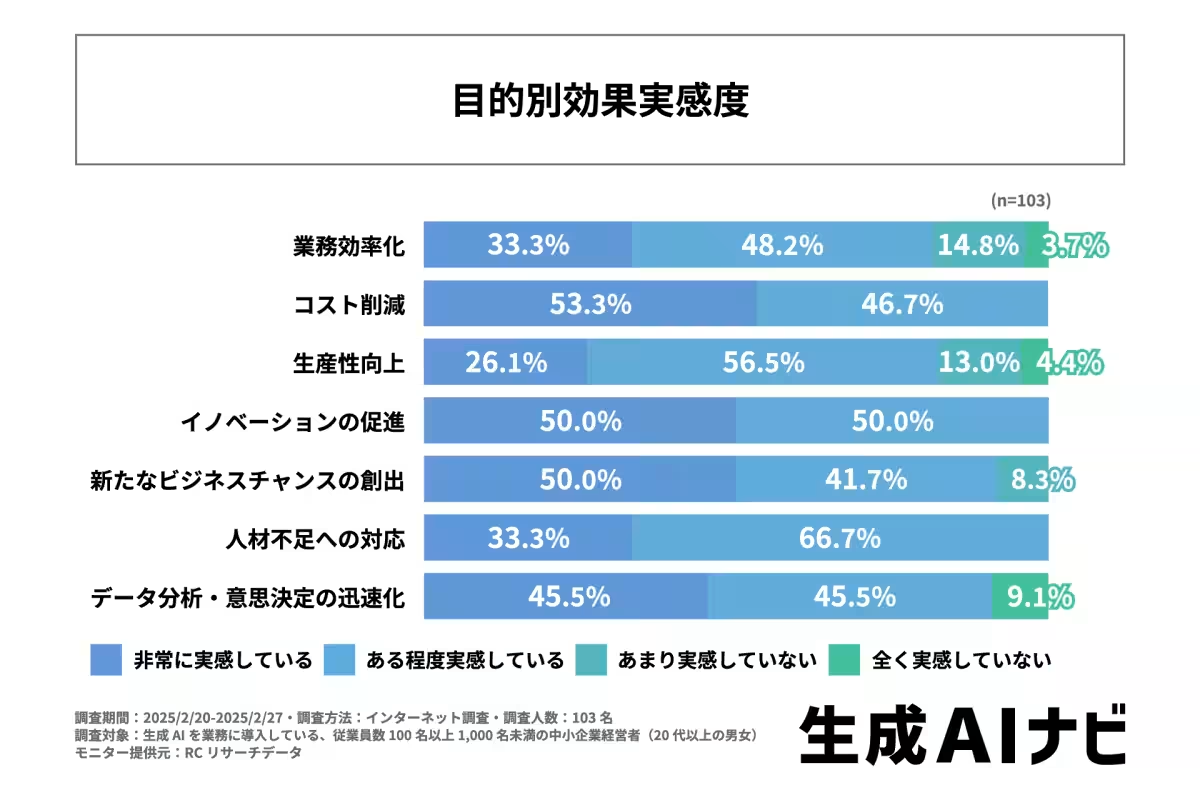
Objectives of Implementation
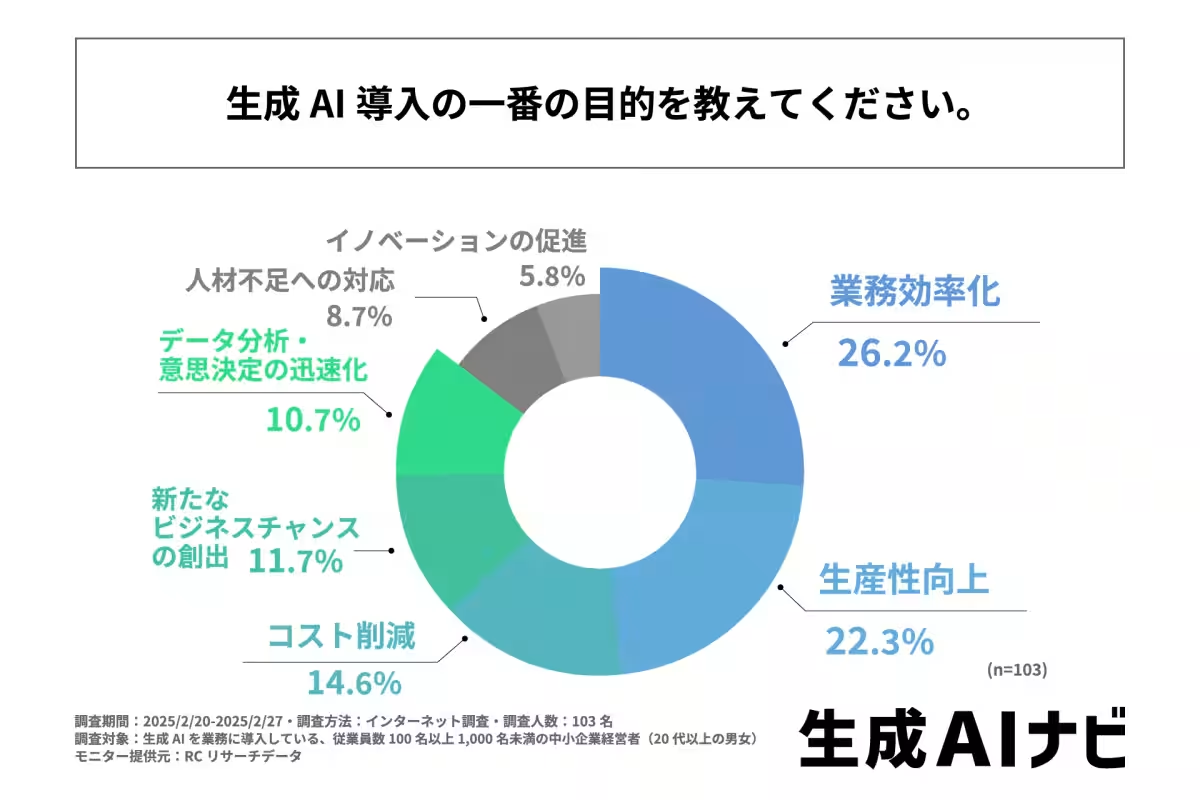
The primary objective for implementing generative AI, as stated by survey participants, was to improve existing business processes. Efficiency improvements (26.2%) and productivity increases (22.3%) topped the reasons for adoption, highlighting a clear intent to enhance current operations rather than solely create new business opportunities.
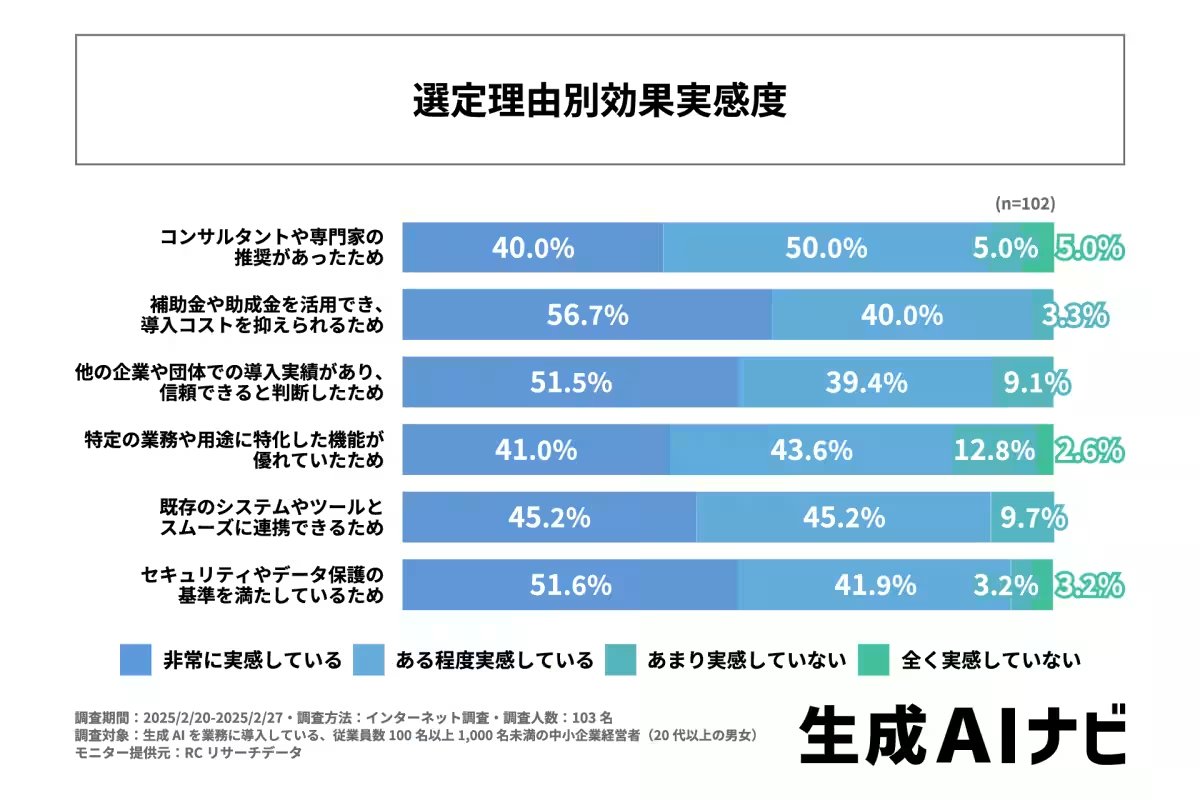
Reasons for AI Selection
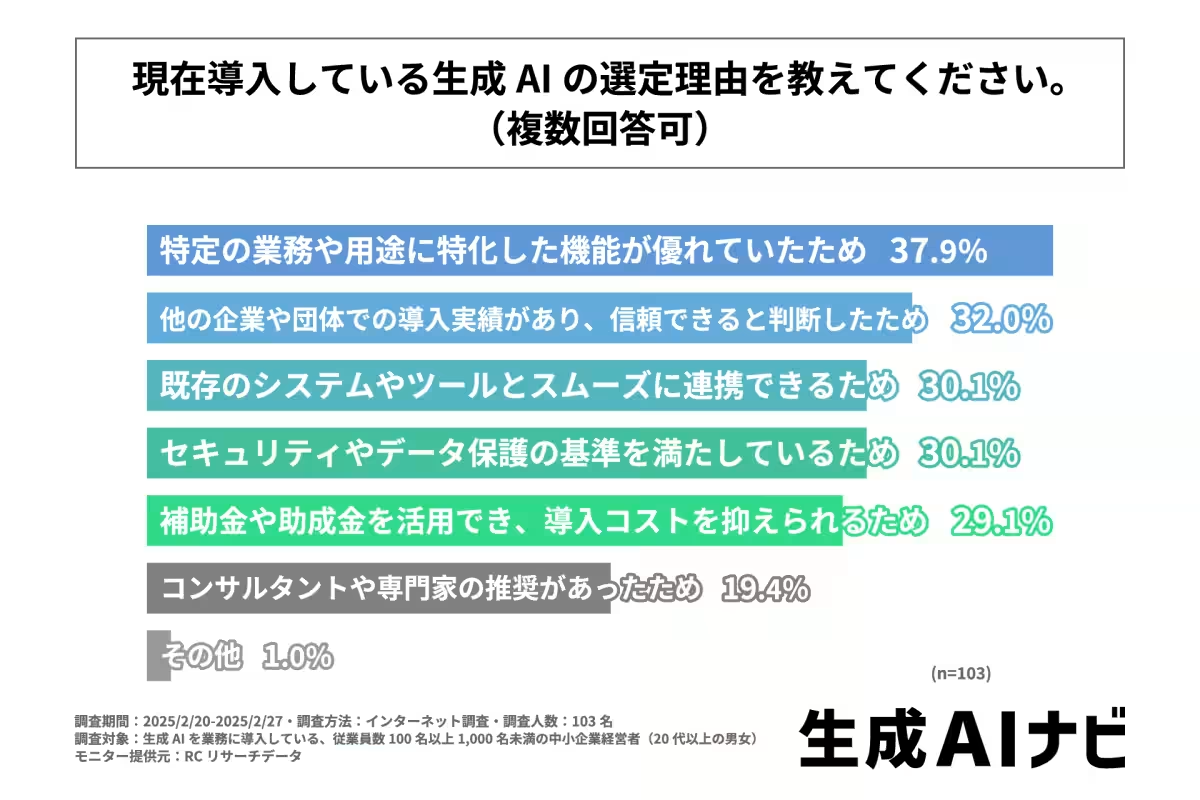
When probing why specific generative AI tools were chosen, responses varied significantly among companies. Notably, many firms selected AI tools based on their superior functions for specific tasks, showcasing the disparate needs and focuses across the SMEs surveyed.
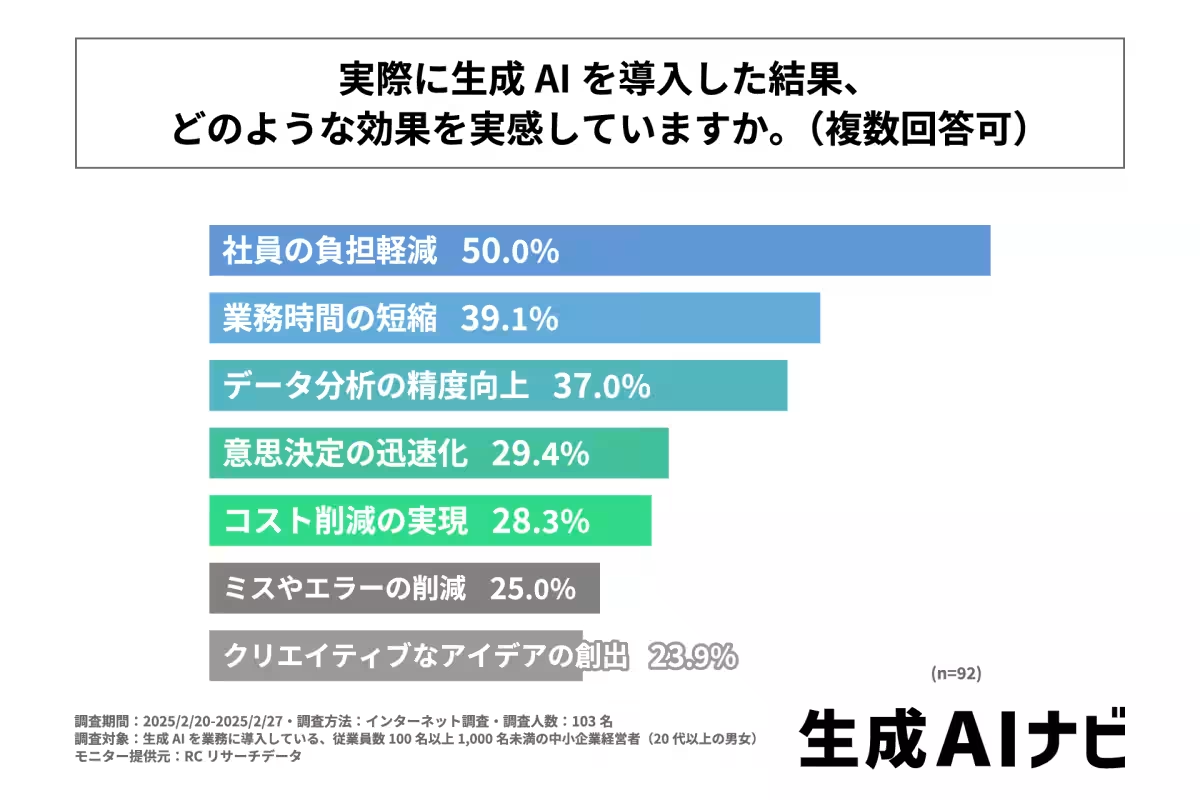
Perceived Benefits
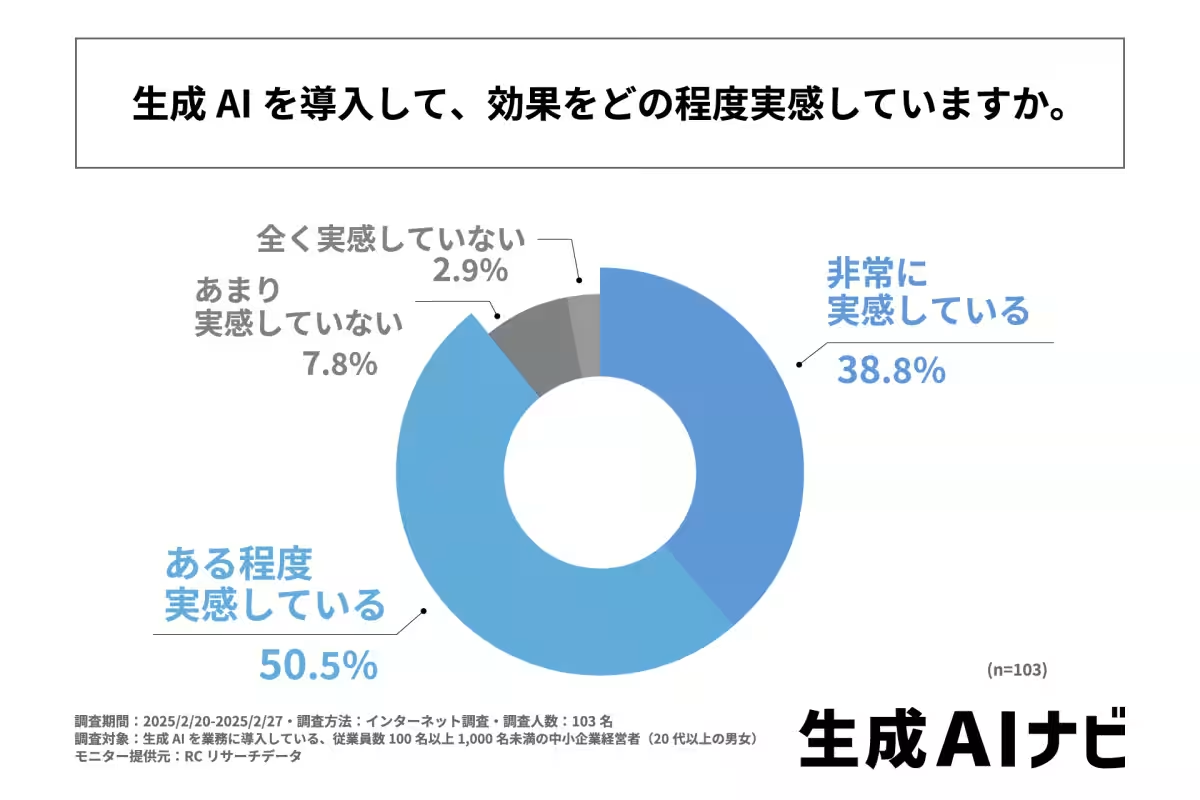
Approximately 90% of the SME leaders reported feeling some degree of benefit from the implementation of generative AI. Specifically, 50.5% indicated they noticed a moderate level of improvement, while 38.8% felt substantial gains. The most significant benefit cited was the reduction of employee workload, underscoring a shift towards a more manageable work environment.
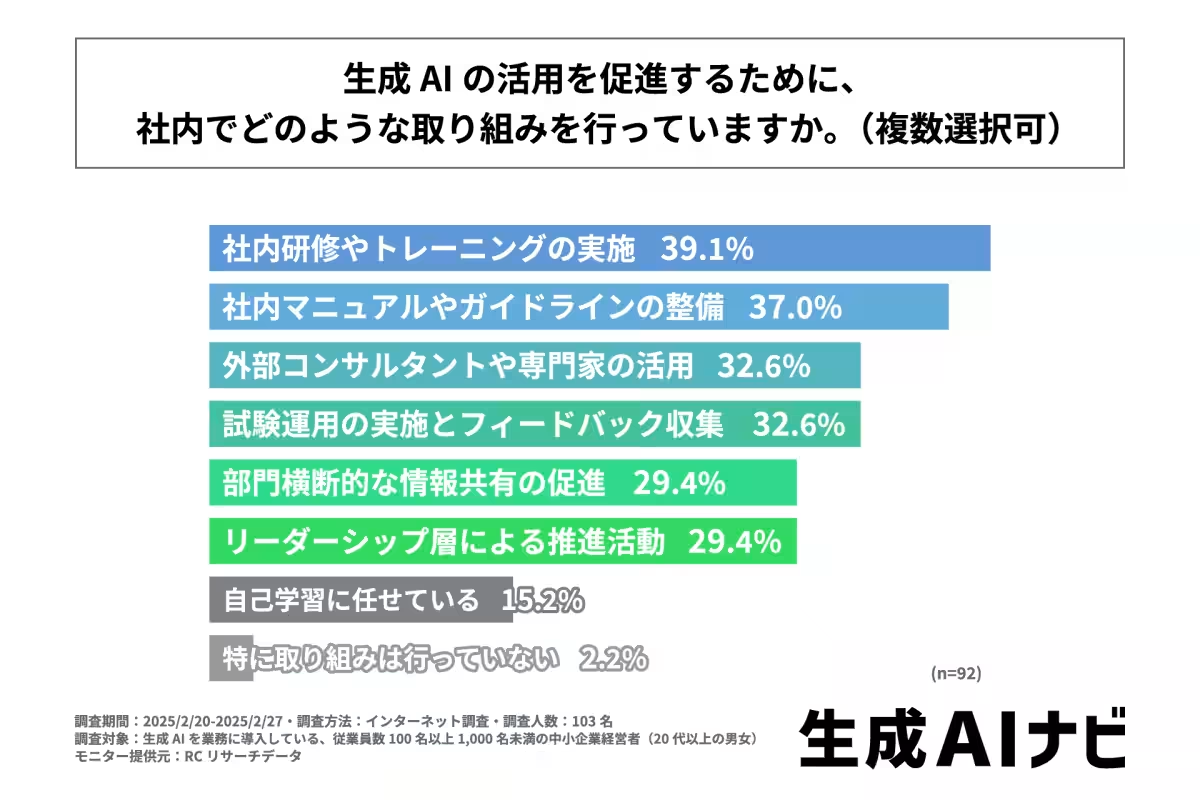
Internal Initiatives
To foster the effective use of generative AI, companies have been implementing various internal initiatives. The most common actions included conducting training sessions and establishing manuals or guidelines, both crucial for facilitating a smooth transition to AI-enhanced operations.
Challenges in Realizing Benefits
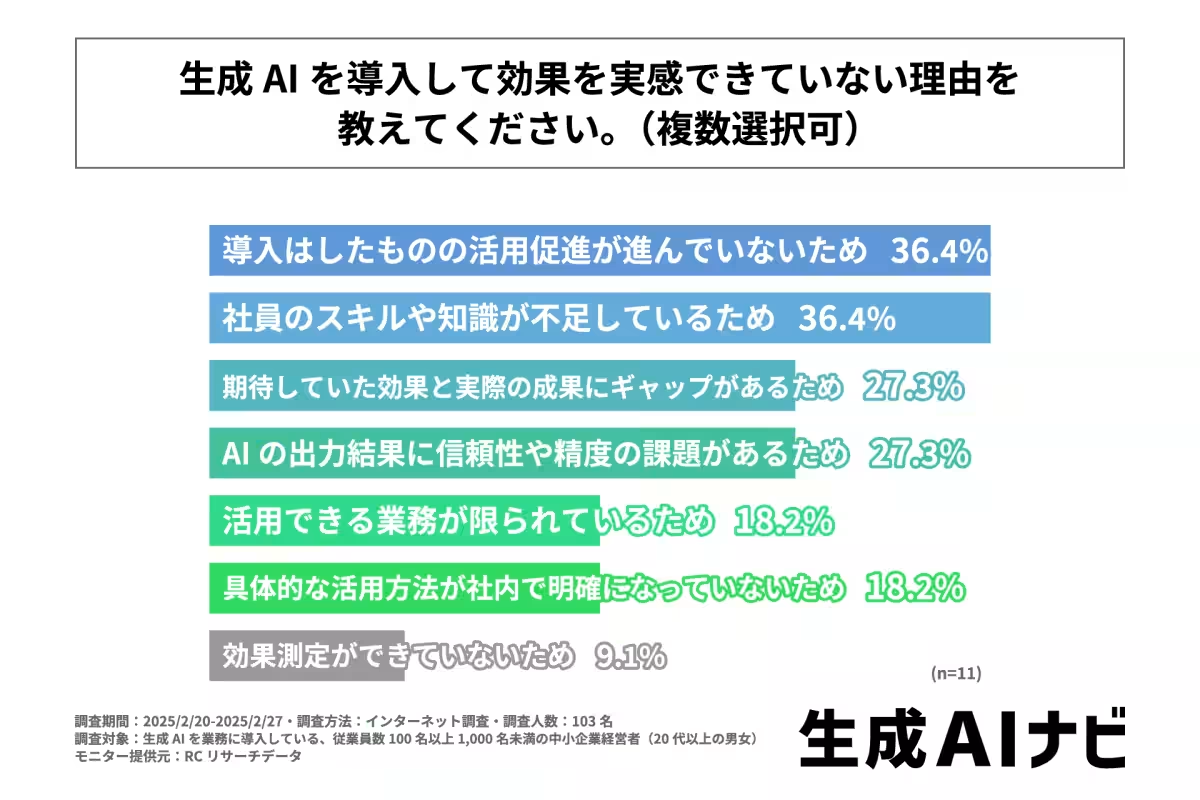
Despite the notable improvements, some firms did not feel the expected benefits of AI implementation. Reasons varied, indicating that each organization may face unique challenges in the AI adoption process. Addressing these concerns is critical to maximizing the effectiveness and efficiency of generative AI in business.
Summary of Findings
The D4c Academy's research highlights that the top three objectives for adopting generative AI among SMEs are efficiency improvement, productivity enhancement, and cost reduction. The primary selection criteria for AI tools revolve around functional superiority tailored to specific business needs and reliability. Moreover, the study reveals a strong connection between clear reasons for AI selection and the perceived effectiveness of the implementation.
Conclusion
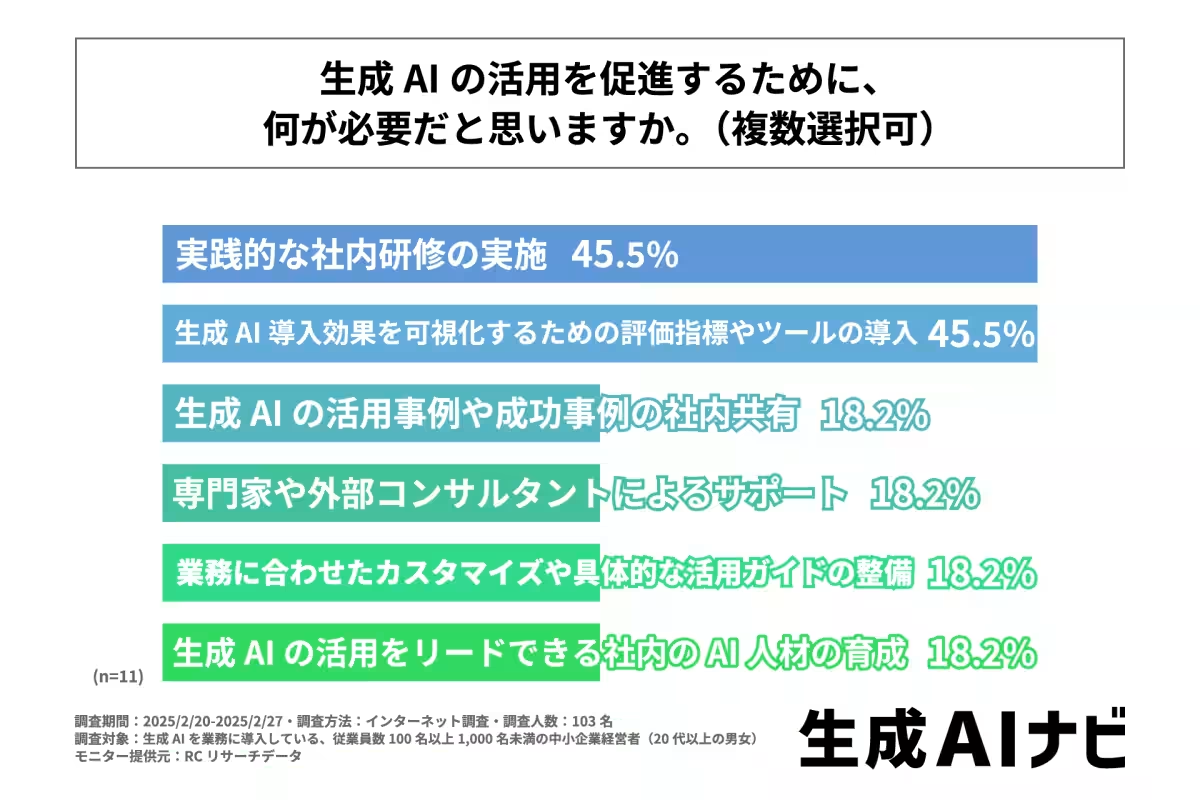
The findings from this survey suggest that there is a pressing need for practical, hands-on training programs within companies to improve the realization of AI benefits. D4c Academy offers comprehensive training through its generative AI navigation platform, which aims to equip businesses with the necessary skills and knowledge to leverage AI effectively for their unique challenges and objectives. For more information, visit D4c Academy.


Topics Business Technology)
【About Using Articles】
You can freely use the title and article content by linking to the page where the article is posted.
※ Images cannot be used.
【About Links】
Links are free to use.