



Understanding AI Utilization Gap in Companies: Insights and Challenges
Understanding AI Utilization Gap in Companies
Introduction
A recent survey conducted by Keywalker, a prominent company based in Tokyo, sheds light on the current state of AI utilization in organizations with over 100 employees. The research aimed to uncover the practices surrounding AI talent development and application within businesses, recognizing the urgent need for effective integration as AI technologies, especially generative AI, rapidly advance.
Companies are increasingly realizing the importance of utilizing AI for tasks like automating workflows and enhancing decision-making. However, successful implementation is not just about possessing specialized skills; it requires a wider competency across various levels, including management and operational teams.
Survey Overview
The survey, conducted from February 2 to February 3, 2026, utilized the PRIZMA platform for data collection, gathering responses from 1,001 executives, HR professionals, digital transformation promoters, and field management personnel. The survey delves deep into various aspects, including:
- - Types of AI tools currently in use
- - Internal challenges and realities of AI utilization
- - Goals concerning the training and application of AI personnel
For more detailed data, interested parties can access the published white paper via Keywalker’s website.
Results: The AI Utilization Gap
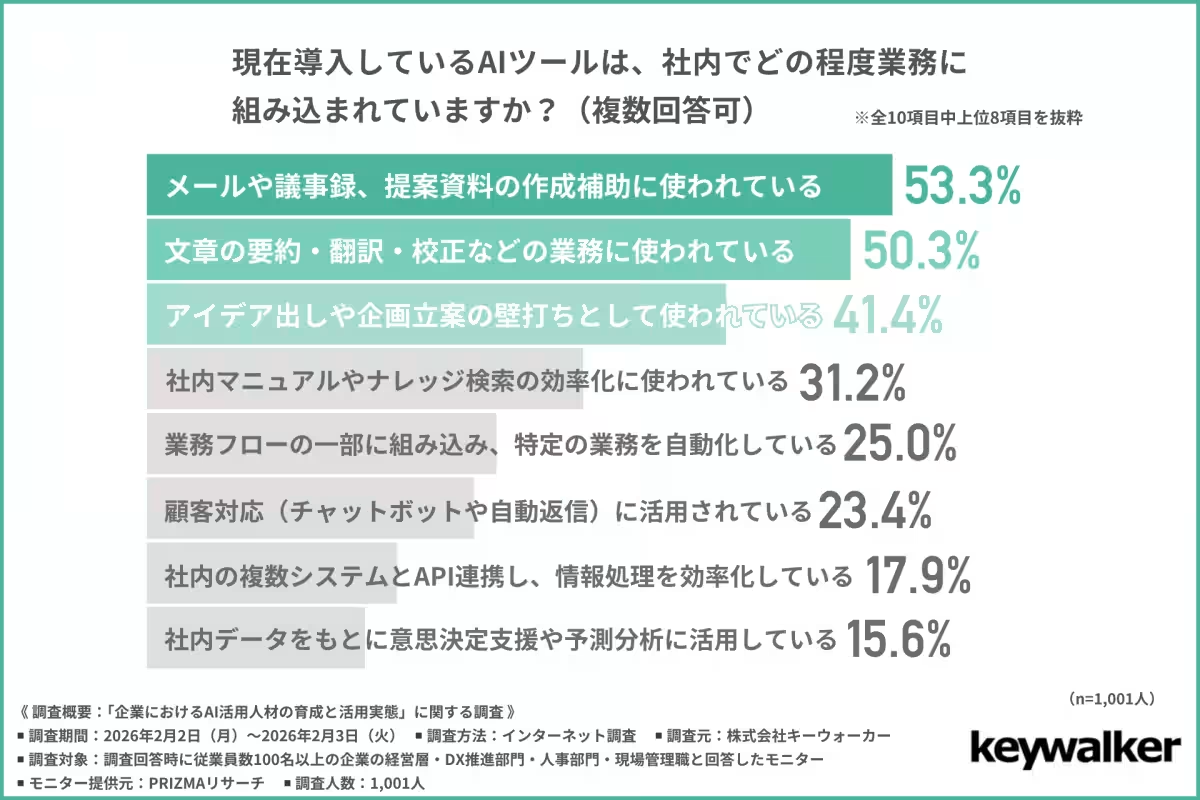
The findings reveal a noteworthy gap in how AI tools are integrated into daily operations. A significant portion of respondents reported using AI primarily for:
- - Assistance in drafting emails and meeting minutes (53.3%)
- - Tasks such as summarizing, translating, and proofreading content (50.3%)
- - Generating ideas and planning (41.4%)
Despite the frequent usage in these areas, the results indicate that more complex applications, like cross-system processing and high-level analytics, have yet to gain traction. Most companies see AI as an auxiliary tool to enhance existing workflows rather than a substitute for human effort.
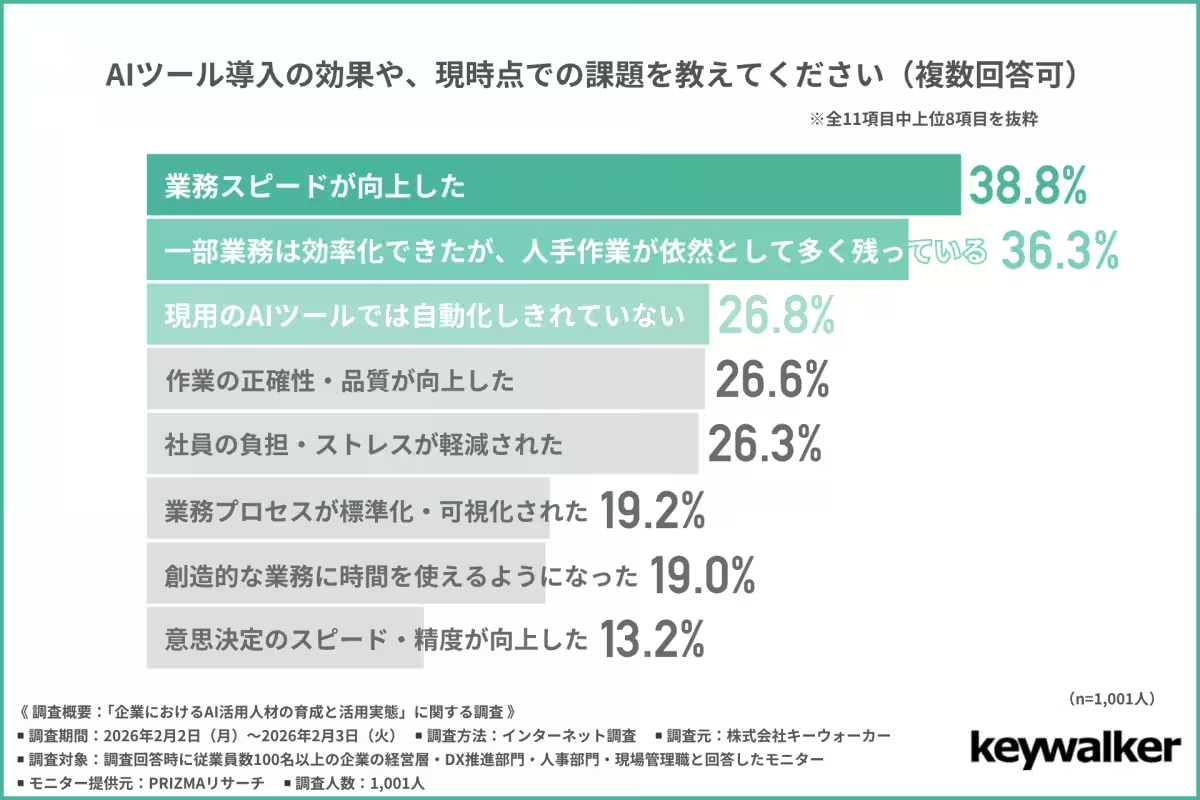
When asked about the impact of AI tool implementation, responses indicated that many experienced increased operational speed (38.8%). However, nearly 36.3% noted that while they could streamline some tasks, manual work remains predominant. Furthermore, 26.8% feel that current AI tools do not fully automate processes, suggesting that the reality of AI's effectiveness is still a work in progress.
Disparities in AI Talent Utilization
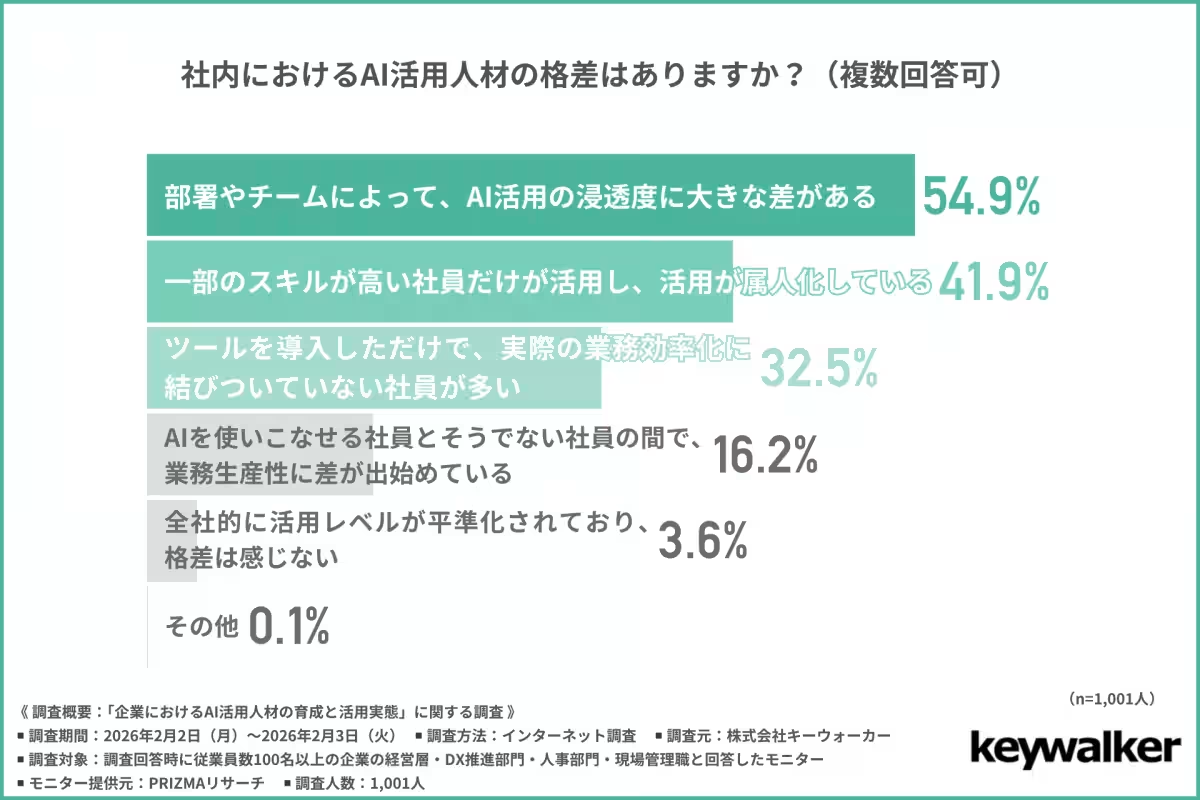
A significant concern raised in the survey is the perception of disparities in AI skill utilization across departments. More than half of the respondents (54.9%) acknowledged a disparity in AI integration, signaling that the adoption and comfort level with AI tools vary widely among various teams. Moreover, 41.9% stated that only a select group of highly skilled employees are leveraging these tools, resulting in an over-reliance on individual proficiency.
Such discrepancies indicate that, while AI tools may be available, not all employees are equipped to utilize them effectively. This situation raises concerns about the potential widening of skill gaps between those who can harness AI capabilities and those who cannot.
The Role of AI Agents
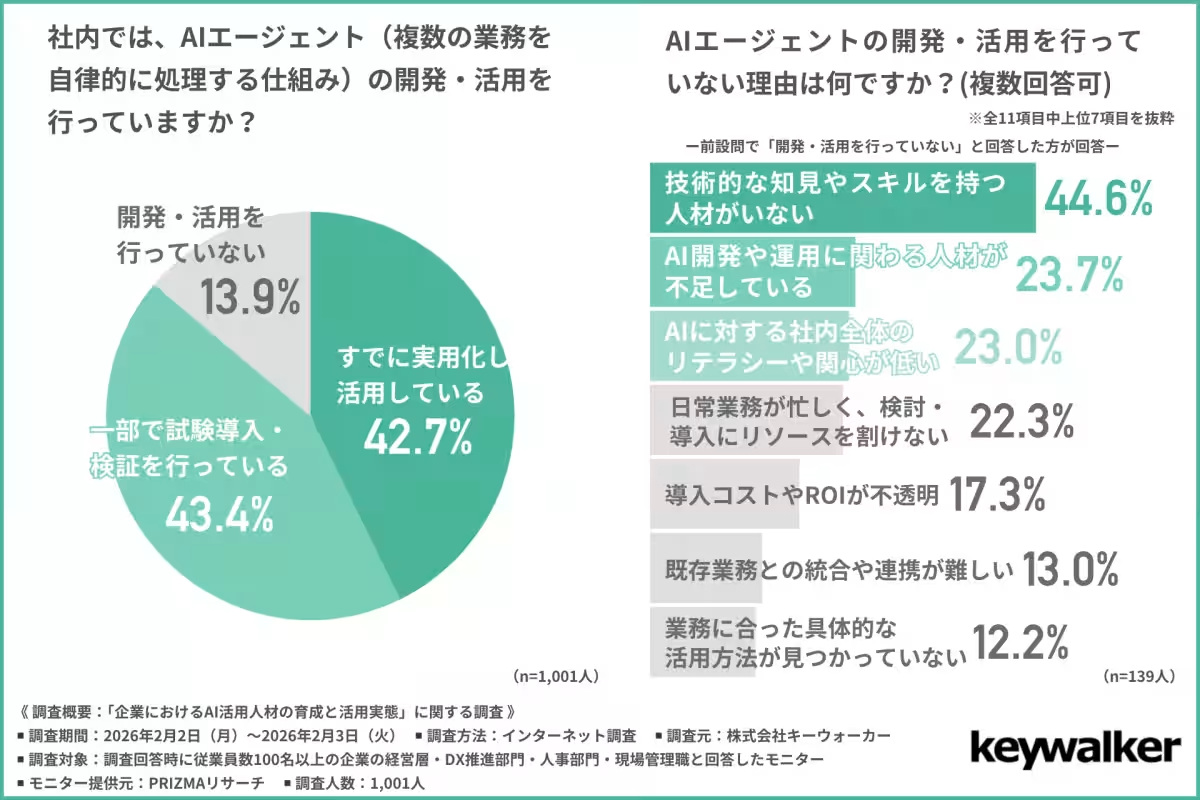
When querying about the development and use of AI agents—systems capable of autonomously managing multiple tasks—42.7% of participants indicated that their organizations have already implemented operational examples, while 43.4% are in the testing stages. On the other hand, 13.9% reported no efforts toward this direction.
While progress is apparent, organizations are still hesitant to fully adopt AI agents, primarily due to a lack of technical expertise. The survey revealed that 44.6% felt the absence of skilled personnel in AI development as the main barrier to implementation. Additionally, 23.7% cited a lack of sufficient personnel involved in AI operations, and 23.0% noted a low overall interest in AI across their companies.
Anticipated External Support for AI Development
Finally, the survey sought to identify what types of external support companies desire for the development of AI talent. The top responses included:
- - Educational support alongside AI tool implementation (42.4%)
- - Assistance in designing sustainable internal training programs (37.1%)
- - Systems to measure and visualize training effectiveness (33.4%)
These results highlight a clear demand for support that goes beyond mere tool provision. Companies are seeking ongoing assistance to ensure their teams not only learn how to use AI tools effectively but also see tangible benefits from their integration.
Conclusion
Overall, the survey conducted by Keywalker illustrates the widening scope of AI utilization within businesses while simultaneously revealing inherent challenges related to employee skill disparities and integration depth. Many organizations have embraced AI in supportive roles, yielding modest speed improvements. However, a substantial amount of manual tasks still remain, indicating that AI has yet to fully replace traditional processes.
Moreover, the significant differences in AI adoption across departments emphasize the need for cohesive strategies to cultivate an environment where every employee can thrive with AI technologies. As businesses pivot from merely adopting AI to ensuring comprehensive, effective utilization, the focus must shift to developing structured educational frameworks and fostering ongoing support systems that inspire engagement and results.






Topics Business Technology)
【About Using Articles】
You can freely use the title and article content by linking to the page where the article is posted.
※ Images cannot be used.
【About Links】
Links are free to use.