



Understanding Seborrheic Dermatitis: Insights and Preventive Strategies for Effective Treatment
Understanding Seborrheic Dermatitis
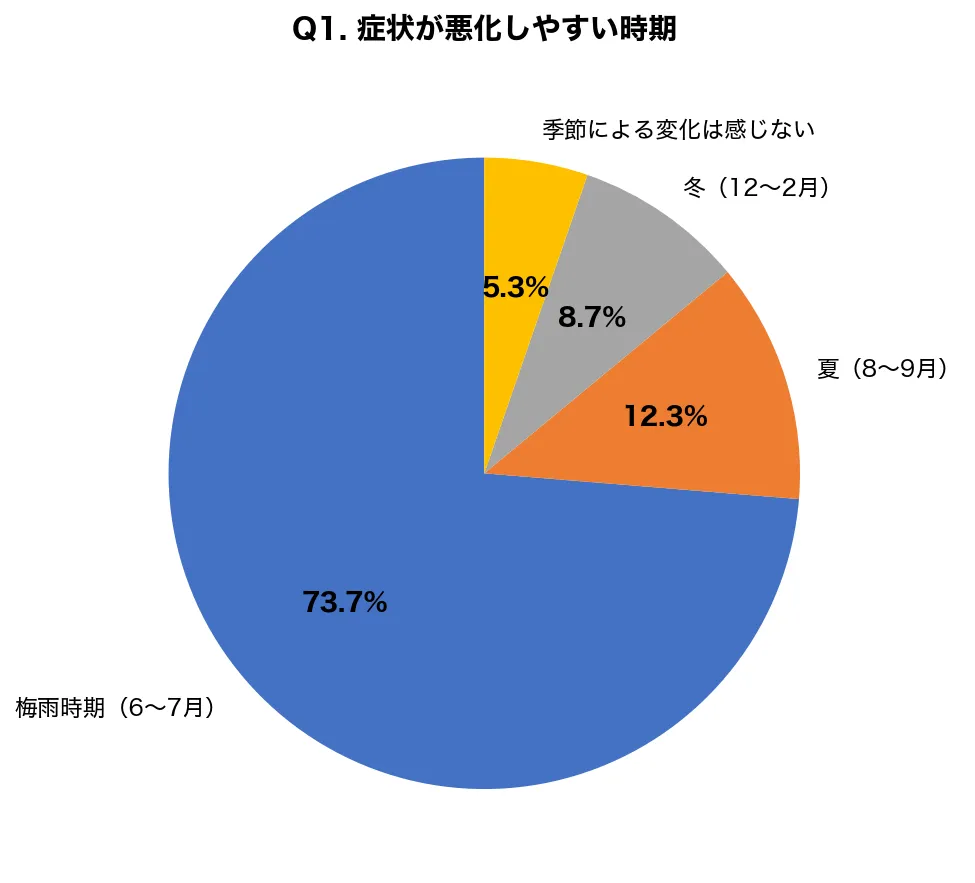
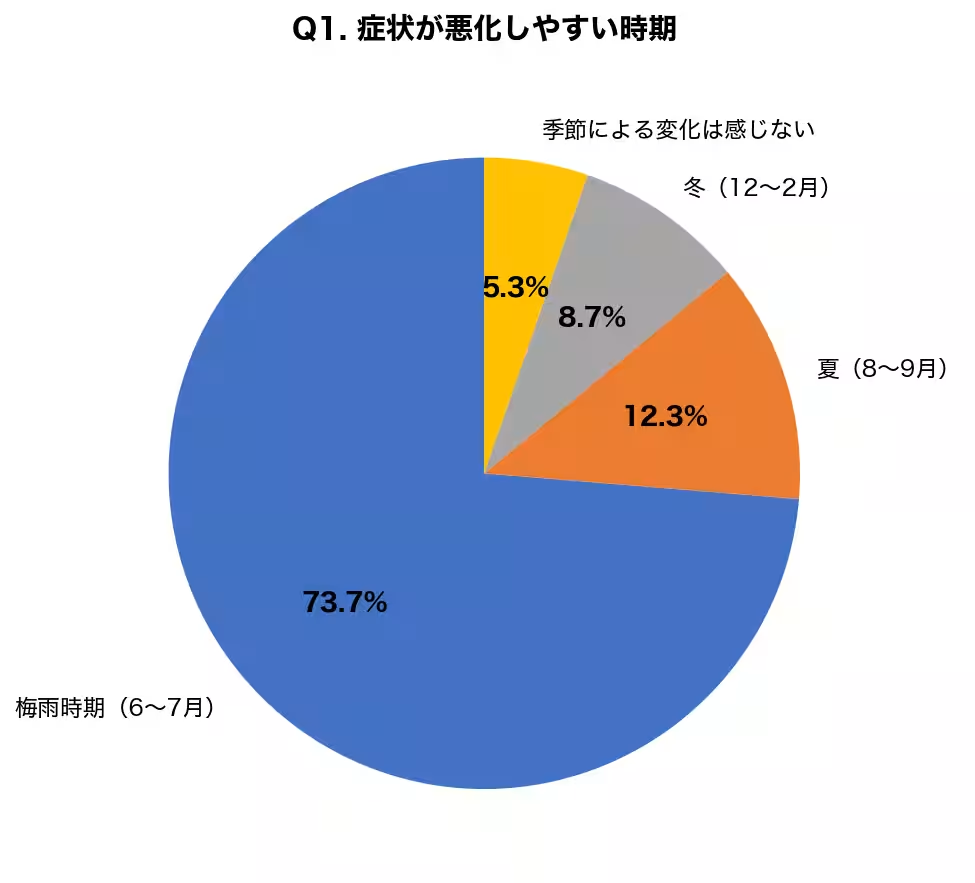
Seborrheic dermatitis is a chronic skin condition characterized by the overproduction of sebum, leading to inflammation primarily on oily areas like the scalp, face, and chest. A recent study conducted by the IC Clinic in Tokyo has shed light on the seasonal aspects of this condition, revealing that 73.7% of respondents reported a worsening of symptoms during the rainy season. Furthermore, nearly 60% mistook their symptoms for acne, applying over-the-counter treatments that exacerbated their condition.
Study Insights
The study surveyed participants aged 20 to 60 who have experienced symptoms like scaling, redness, or itching associated with seborrheic dermatitis. Here are some key findings:
- - Worsening Symptoms in June and July: A whopping 73.7% of respondents stated that their symptoms tend to deteriorate during the humid months of June and July. This underscores the significant impact of high humidity on the exacerbation of seborrheic dermatitis. When combining June and July, the figure rises to 86%, highlighting the necessity for appropriate care and treatment during these months.
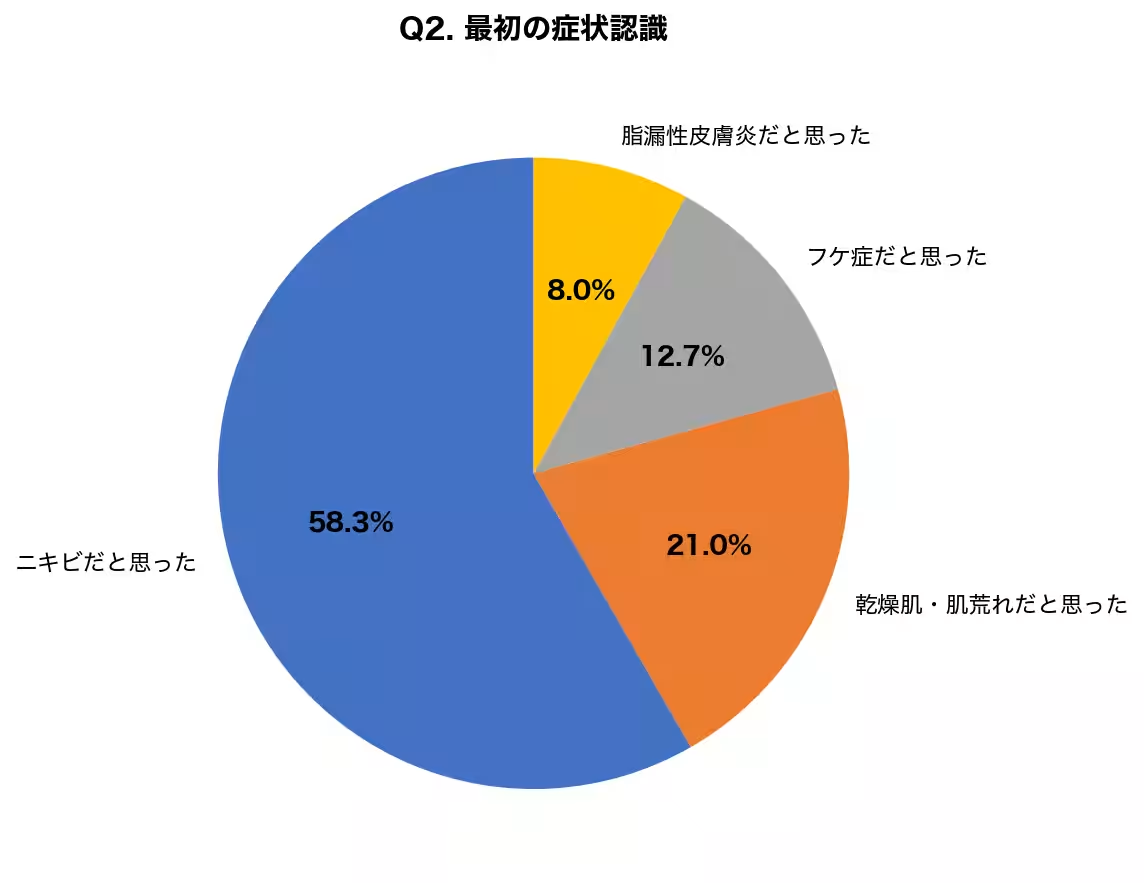
- - Misdiagnosis as Acne: Alarmingly, 58.3% of individuals believed their seborrheic dermatitis symptoms were acne-related at first. This misdiagnosis suggests a critical lack of awareness regarding seborrheic dermatitis, with only 8.0% accurately identifying their condition. Proper awareness and prompt treatment are essential to avoid prolonged suffering.
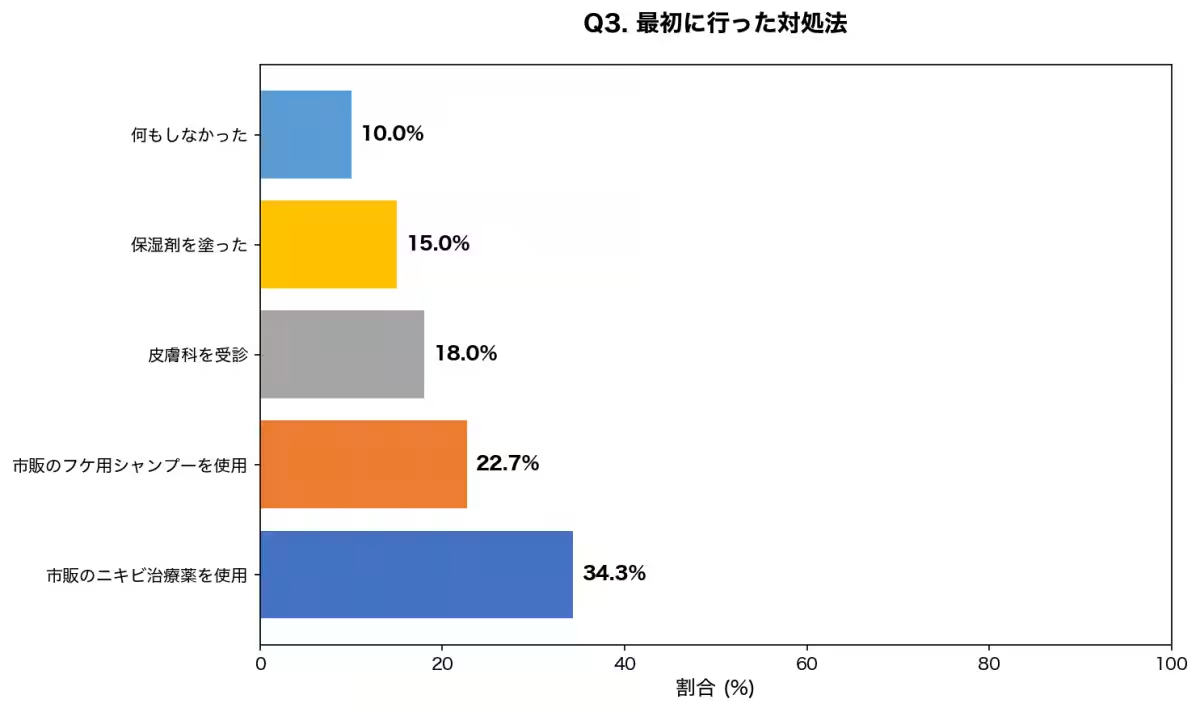
- - Self-Medication Risks: More than half of the participants (57%) attempted to self-manage their conditions using over-the-counter products like acne treatments and dandruff shampoos. Only 18% sought professional help from a dermatologist initially. This tendency for self-medication could lead to worsening symptoms and chronic conditions.
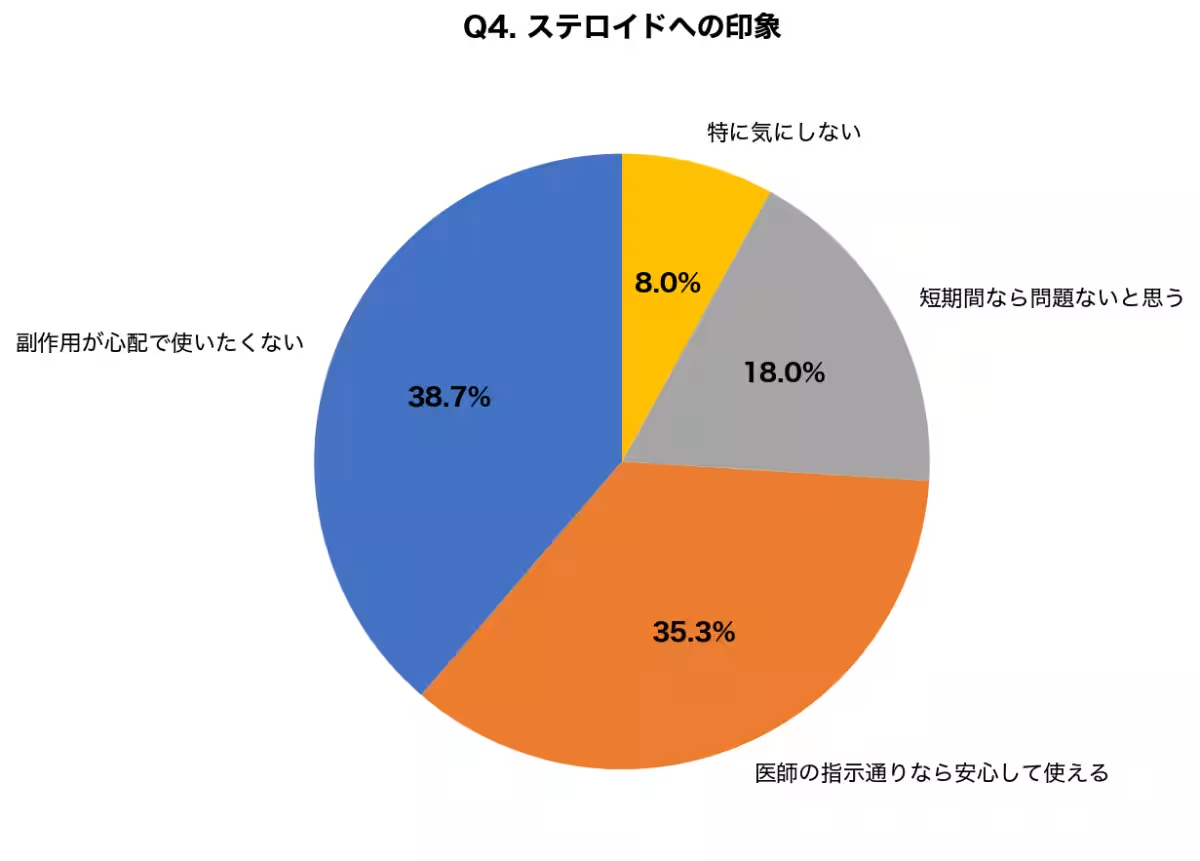
- - Concerns About Steroids: About 38.7% expressed fear about using topical steroids prescribed for treatment. This finding highlights the need for clear, accurate information about the risks and benefits of such treatments, particularly when prescribed by medical professionals. Conversely, 35.3% felt reassured knowing they had the guidance of a doctor.
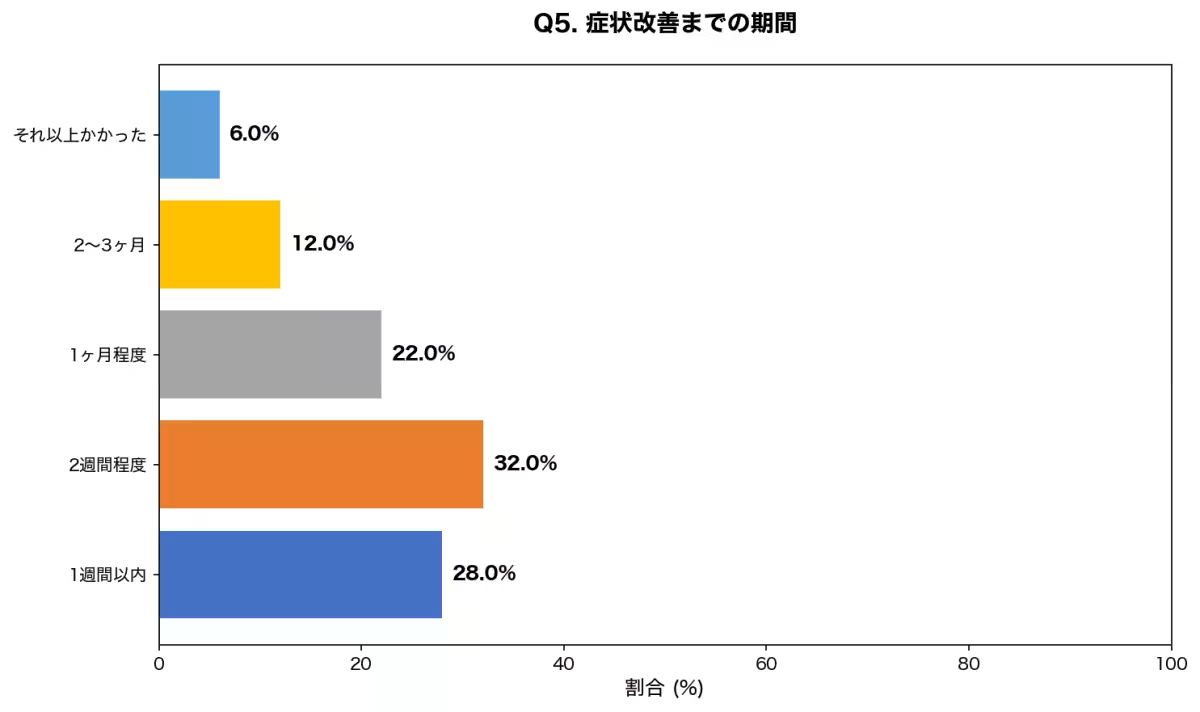
- - Effectiveness of Dermatological Treatment: Of those who consulted a dermatologist, 82% reported improvement within one month, with 28% noticing changes in just one week. This reinforces the importance of early examination and intervention.
Treatment Strategies
To effectively manage seborrheic dermatitis, a dual treatment approach is often recommended: the use of topical steroids to minimize inflammation and antifungal agents such as ketoconazole to reduce the activity of Malassezia fungi.
Key Recommendations
1. Recognize the Symptoms: Seborrheic dermatitis presents as greasy scales with redness in areas like the forehead, around the nose, and behind the ears. Itching can be moderate to severe, distinguishing it from acne, which primarily manifests as pustules or comedones.
2. Seek Professional Help: Anyone experiencing persistent symptoms for over two weeks should consider visiting a dermatologist. A proper diagnosis can prevent the misapplication of treatments that may worsen the condition.
3. Be Informed About Therapies: Steroid creams can be a safe and effective part of treatment when used correctly. Short-term use under a doctor’s guidance can effectively control inflammation. It's also crucial to maintain regular consultations and follow preventative strategies, such as using antifungal shampoos that contain ingredients like ketoconazole.
4. Prevent Recurrence: Lifestyle adjustments can play a significant role in management. Ensuring adequate sleep, managing stress, and a balanced diet while avoiding excessive intake of fats and sugars are crucial components of treatment. Additionally, practices like proper skin hydration post-washing can help maintain optimal skin health.
Conclusion
Research highlights a pressing need for awareness concerning seborrheic dermatitis, particularly during the high-risk months of the rainy season. Misunderstanding this condition's symptoms can lead to problematic self-treatment strategies. With over 80% of patients experiencing symptom relief following professional treatment, the message is clear: early intervention and accurate knowledge about seborrheic dermatitis can transform individuals' quality of life.
Consult a dermatologist if you have been suffering from symptoms such as scaling, redness, or itching. The IC Clinic is dedicated to providing accurate diagnoses and tailored treatment plans for seborrheic dermatitis and similar conditions.
Topics Health)
【About Using Articles】
You can freely use the title and article content by linking to the page where the article is posted.
※ Images cannot be used.
【About Links】
Links are free to use.