



Insights from Families on Non-Negotiable Expenses Amid Rising Costs
The Unyielding Costs of Education for Families
In a recent survey conducted by iTAN, a Tokyo-based company, it has become abundantly clear that many families are facing intense pressure to manage their budgets amidst soaring inflation. With an increasing number of households focusing on reducing their spending, a notable trend has emerged: when it comes to the costs associated with education, parents are unwilling to make any cuts.
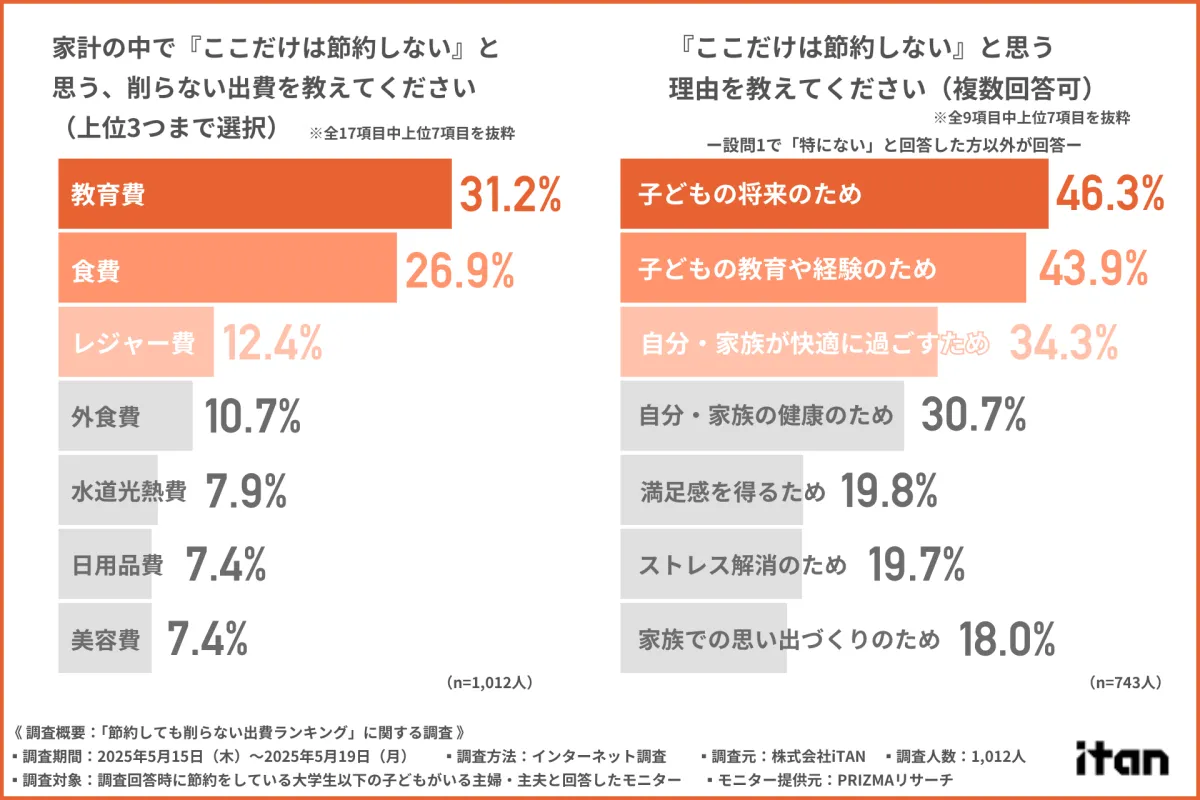
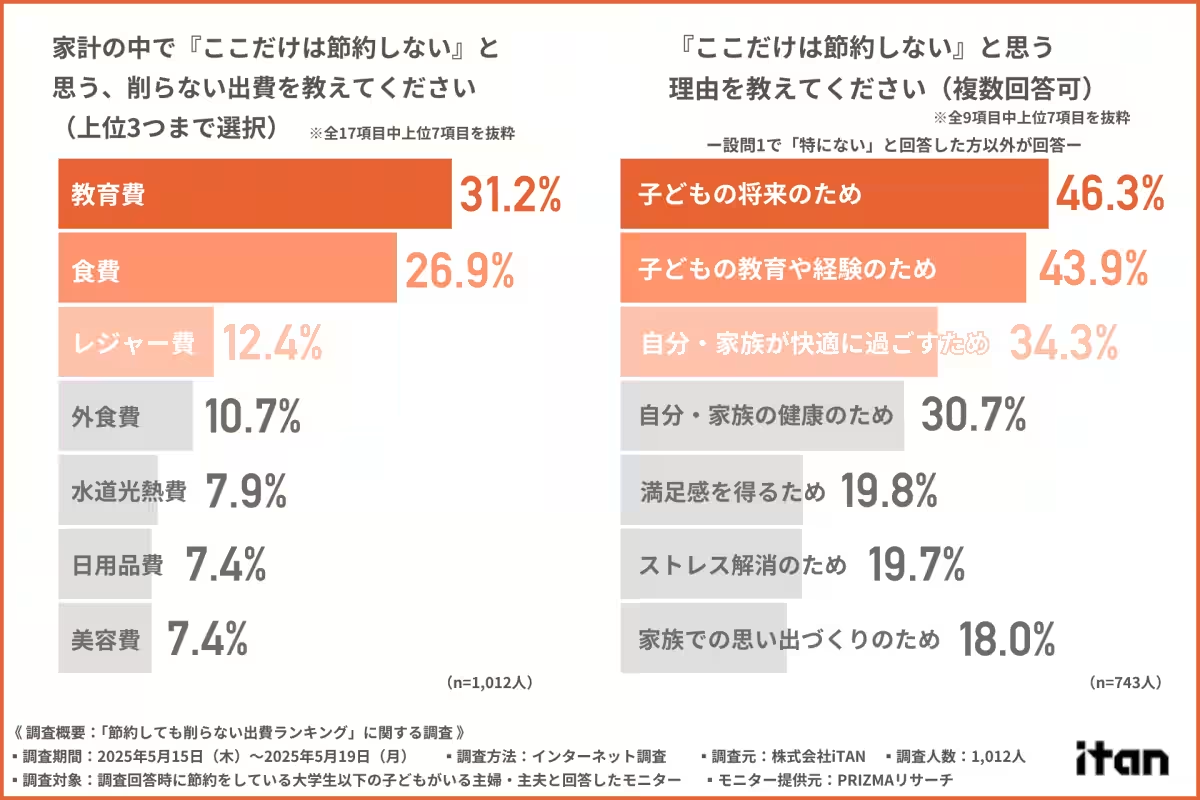
The survey, which ran from May 15 to May 19, 2025, included 1,012 parents of university students and younger children in Japan. The findings revealed that educational expenses were deemed the most essential out of all household expenditures, with a significant 31.2% of respondents categorizing them as non-negotiable. Following closely were food costs at 26.9%, and leisure activities at 12.4%.
This prioritization of educational spending highlights a deep-seated belief among parents that investing in their children's futures is crucial. An overwhelming 46.3% of parents cited their children's future as the primary reason for not reducing education expenses, while 43.9% emphasized providing quality educational experiences as a core commitment. Furthermore, 34.3% of respondents stated that ensuring comfort and well-being for their families is paramount, showcasing a strong connection between family dynamics and these expenditures.
Conversely, expenses related to telecommunications and clothing ranked lower on the important scale, suggesting that parents are willing to cut back on these areas to maintain financial stability while still supporting their children’s education and health.
Strategies Employed to Maintain Educational Budgets
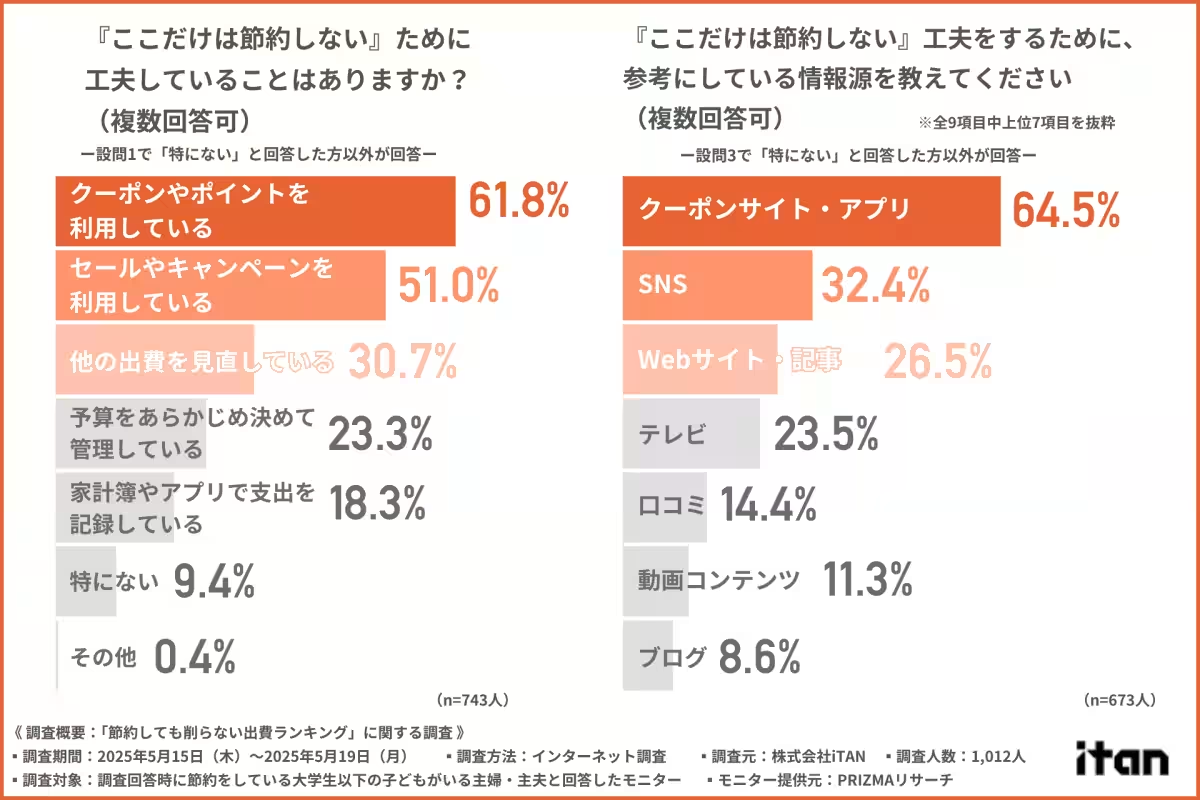
While educational expenses are often viewed as non-negotiable, parents are actively seeking innovative strategies to manage these costs effectively without compromising quality. The survey revealed that 61.8% of parents utilize coupons and reward points to ease their financial burden. Additionally, 51.0% take advantage of sales and promotions, while 30.7% consciously reassess other areas of spending to balance their budgets effectively.
The notable interest in coupon usage underscores a practical approach that many families have adopted. These tools not only allow families to maximize their purchasing power but also provide an enjoyable aspect to the budgeting process. By leveraging resources such as coupon applications and websites, 64.5% of parents actively utilize these platforms to find discounts, signifying a widespread reliance on innovative solutions in managing finances.
The Divergent Views on Food Expenses
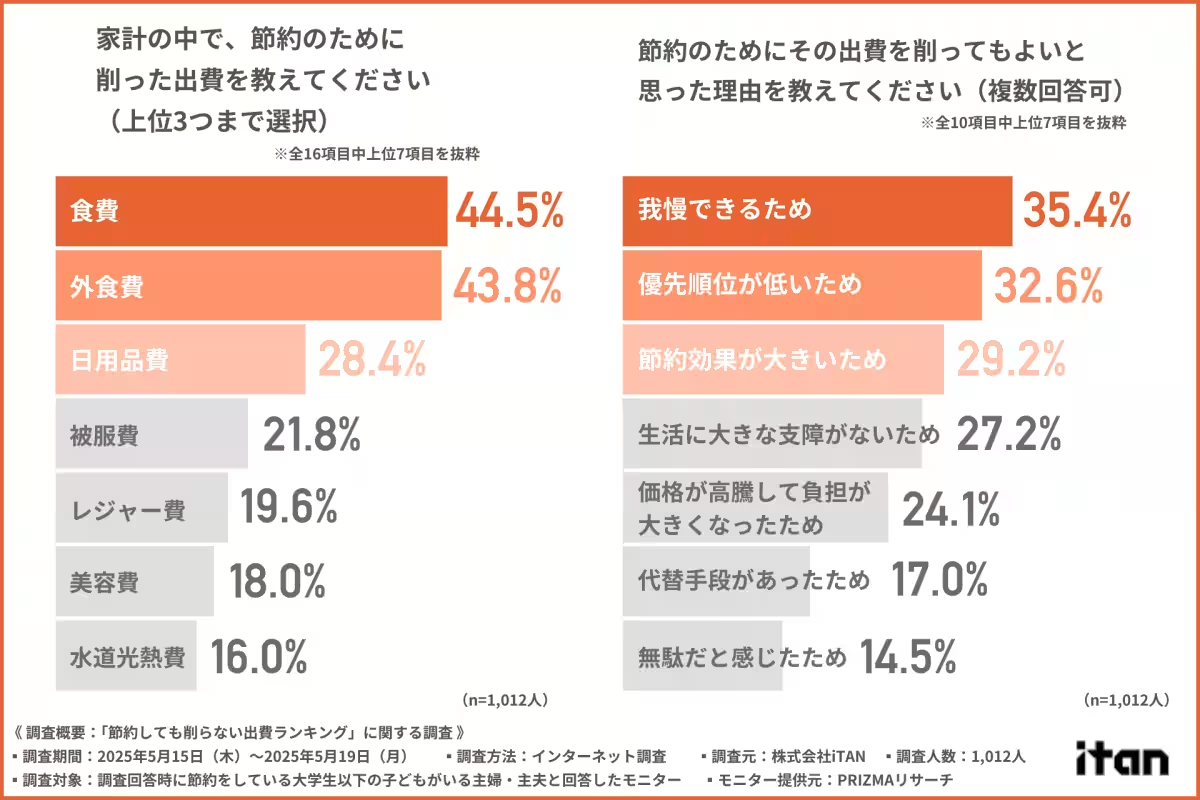
Interestingly, food expenses emerged as a unique spending item. While many families acknowledge the need to cut costs, 44.5% indicated they have indeed slashed their food budgets. Yet, 30% still deemed food costs a critical non-negotiable. This dual approach indicates differing perspectives generally tied to family values, health priorities, and time dedicated to meal preparation, which can vary significantly across households.
Some families manage to avoid cuts in food expenses by honing their cooking skills or focusing on nutritional values, while others actively seek ways to minimize costs by reviewing meal plans or reducing the frequency of dining out. The implications of these personal choices illustrate richer narratives within family dynamics regarding health, nutrition, and financial discipline.
The Psychological Impact of Budgeting
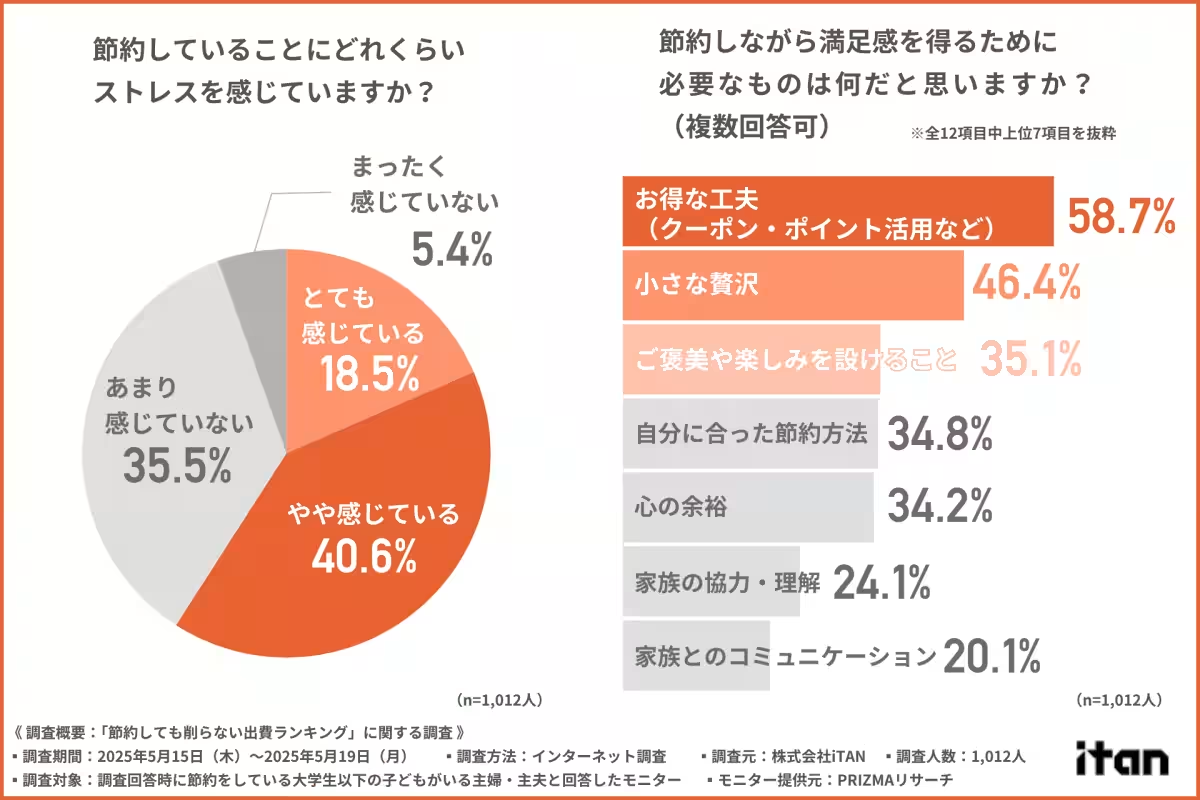
In connection with the evolving narratives around expenditure, the survey highlighted that approximately 58% of individuals felt stress due to their efforts to save money. While many are actively working to reduce their overall spending, there is a significant trade-off between the financial benefits and the psychological toll it can take. This suggests that budgeting techniques need to foster not only stability but also satisfaction and comfort, preventing excessive strain on families.
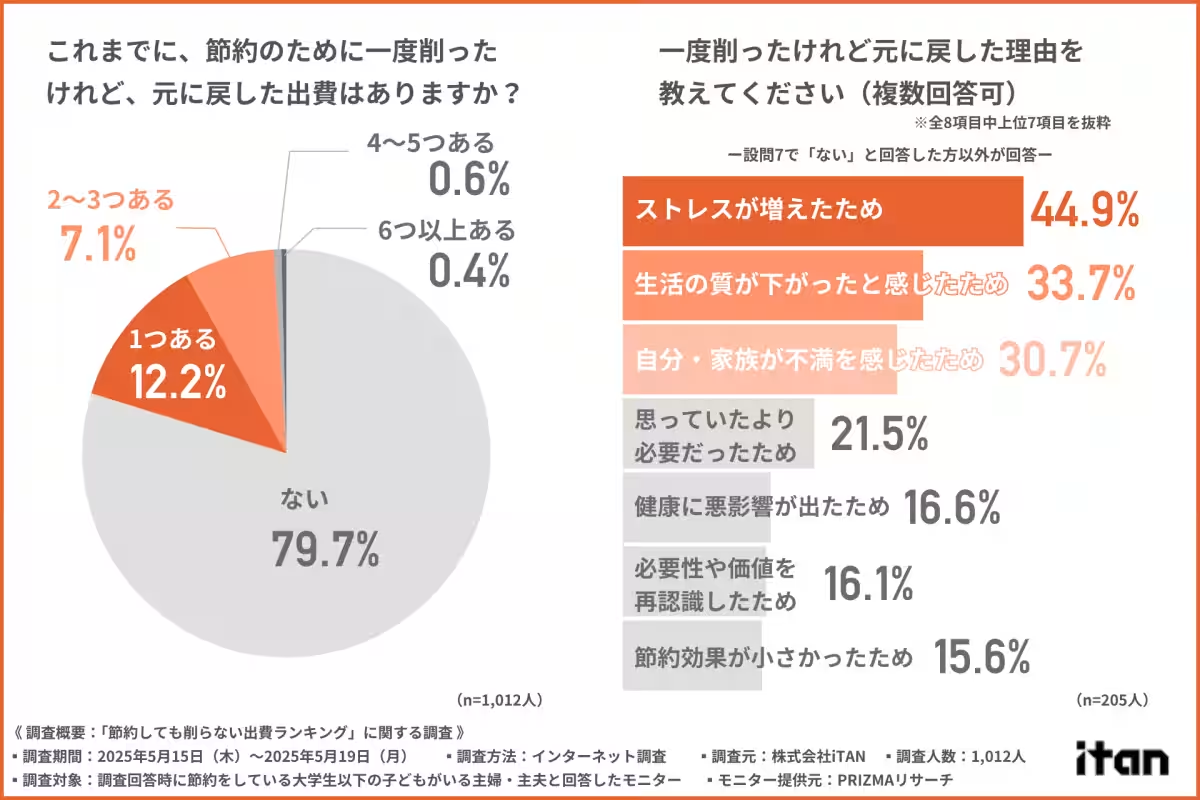
Furthermore, a large portion of respondents expressed that some costs had to be reassessed and reverted back to earlier levels, emphasizing that maintaining balance between saving and quality of life is critical. A staggering 44.9% cited increased stress as a justification for returning to prior spending habits, demonstrating the essential link between mental well-being and financial management.
Conclusion: Redefining Budgeting with Careful Consideration
The findings from this survey reflect a complex landscape of family budgeting and spending priorities in a high-inflation environment. While educational costs are steadfastly safeguarded, both food and lifestyle choices exhibit a fluidity dependent on personal values and family well-being.
As families navigate their financial realities, the role of technological tools, such as coupon platforms, is becoming increasingly relevant. These innovations can help alleviate some of the pressures associated with budgeting while enhancing the overall experience of managing expenses. Balancing financial constraints with the need for quality experiences remains a vital challenge for families, driving the need for holistic approaches to budgeting that emphasize both savings and satisfaction.



Topics Consumer Products & Retail)
【About Using Articles】
You can freely use the title and article content by linking to the page where the article is posted.
※ Images cannot be used.
【About Links】
Links are free to use.