



Understanding Disaster Preparedness Among Restaurants in Japan's Food Industry
Understanding Disaster Preparedness Among Restaurants in Japan's Food Industry
In a recent survey conducted by Synchro Food, the operators of the all-in-one service platform for restaurant management, "Inshokuten.com," findings shed light on the state of disaster preparedness among restaurant owners in Japan. Amid growing concerns regarding natural and human-induced disasters, the survey aimed to gather insights from restaurant owners and operators to understand their apprehensions and measures taken.
Survey Overview
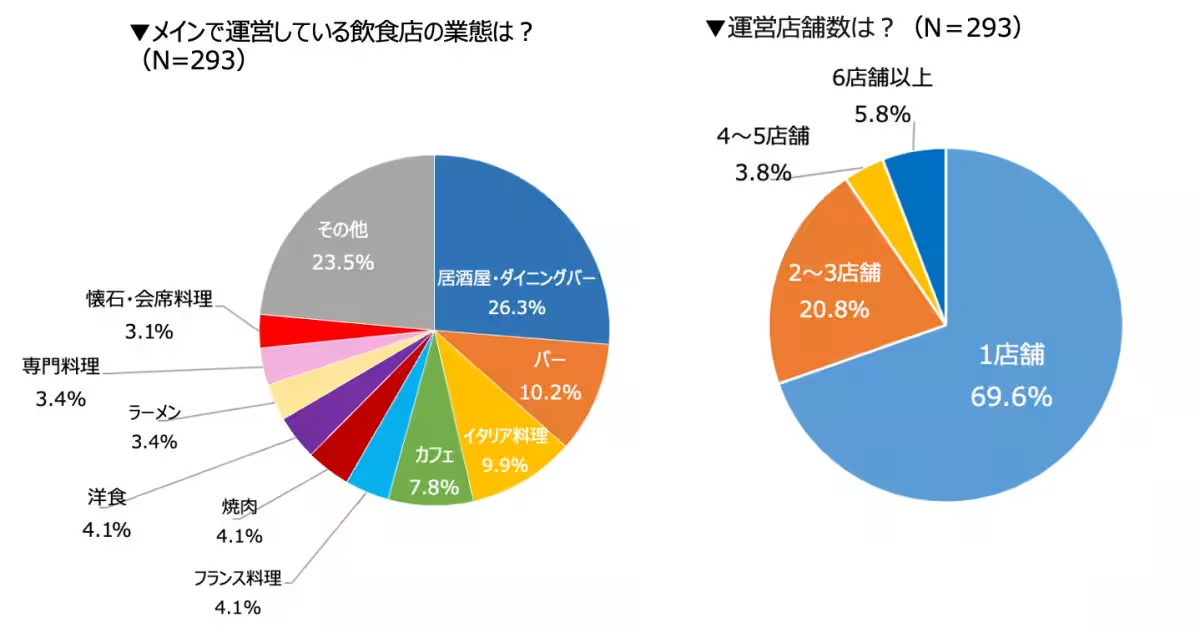
The survey targeted members of Inshokuten.com, who primarily consist of restaurant owners and operators, yielding 293 responses between August 6 and August 11, 2025. The majority of respondents operated a single restaurant (69.6%), with diverse formats, including izakayas and dining bars. Notably, 51.9% of the respondents were from Tokyo, indicating that the metropolitan area's characteristics may influence their responses.
Natural Disaster Concerns
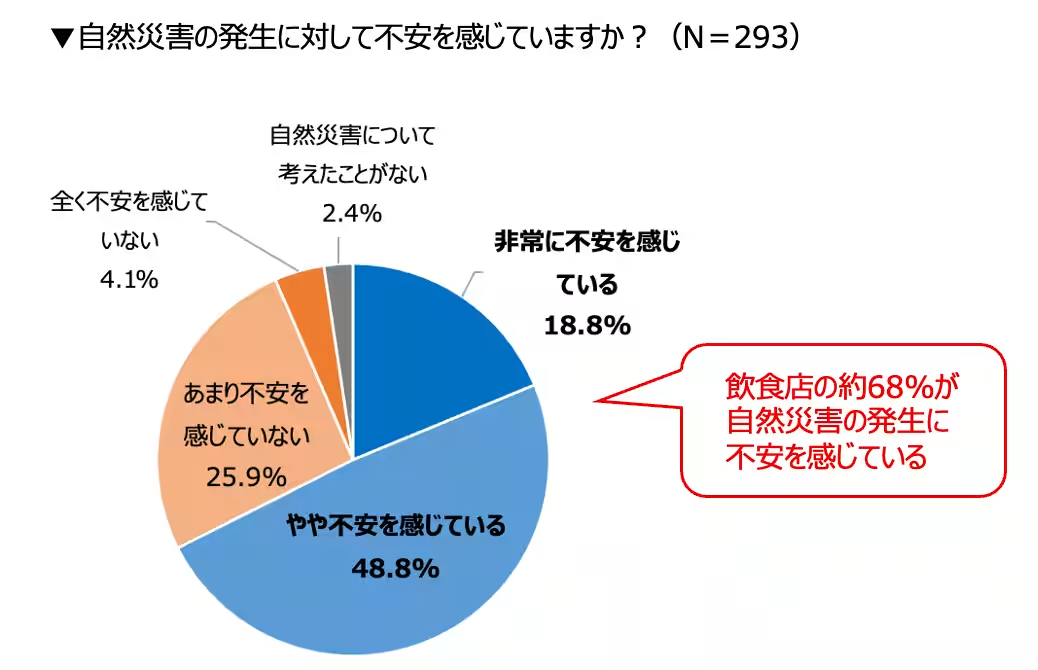
The survey revealed a staggering 68% of restaurant owners expressed anxiety regarding the occurrence of natural disasters. Specifically, 18.8% reported being "very anxious," while 48.8% indicated they were "somewhat anxious." Conversely, only 30% felt little to no apprehension about potential disasters.
When asked about specific concerns related to natural disasters, numerous insights emerged:
- - Structural Safety: Many respondents highlighted fears about the age and condition of their buildings, with concerns about potential collapse in case of an earthquake.
- - Natural Disaster Types: Worries included the threat of earthquakes, tsunamis (especially in low-elevation areas), and flooding from heavy rains.
- - Business Continuity: Owners were concerned about how to maintain operations and revenue during disasters, fearing significant losses, especially in cases of prolonged power outages affecting food storage.
- - Safety of Customers and Employees: Safety protocols for guiding customers and staff during a disaster, especially if building infrastructure fails, were major concerns.
Human Disaster Concerns
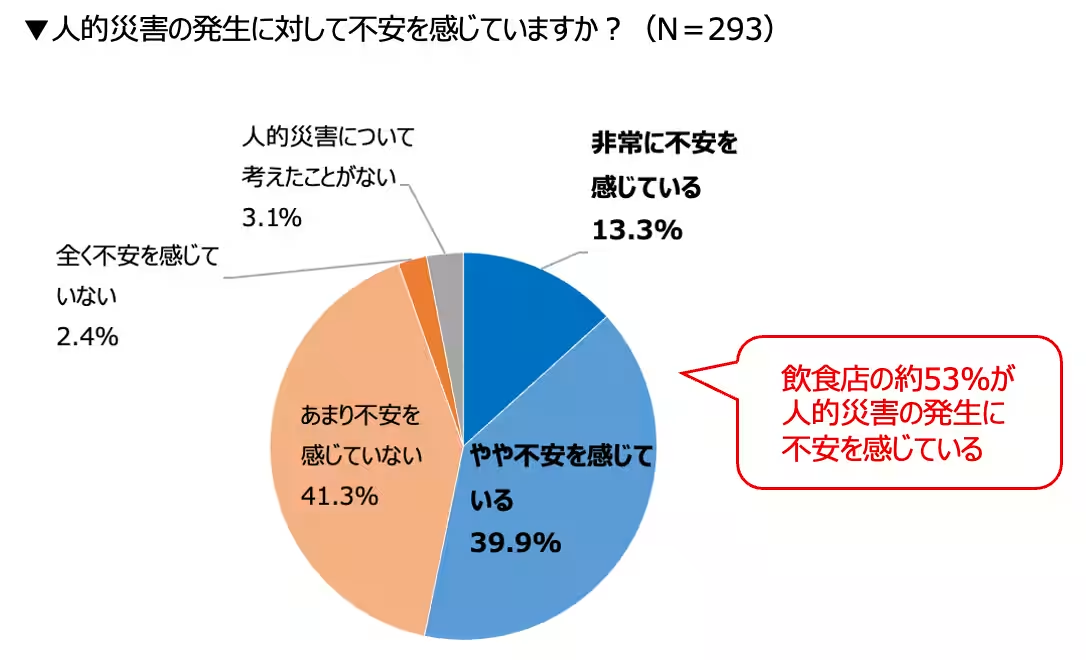
In addition to natural disasters, 53% of restaurant owners reported feeling anxious about human disasters. Responses indicated:
- - Fire Safety: Owners of food establishments, particularly those working with high-temperature equipment, expressed fears of fire incidents.
- - Hygiene and Human Error: Health hazards such as food poisoning were also prominent worries, with many mentioning the difficulty of preventing human error due to fatigue.
- - Crime and Security: Concerns about crime, particularly during late hours or during a disaster situation, were prevalent, as were fears about the risks of arson.
Preparedness Measures
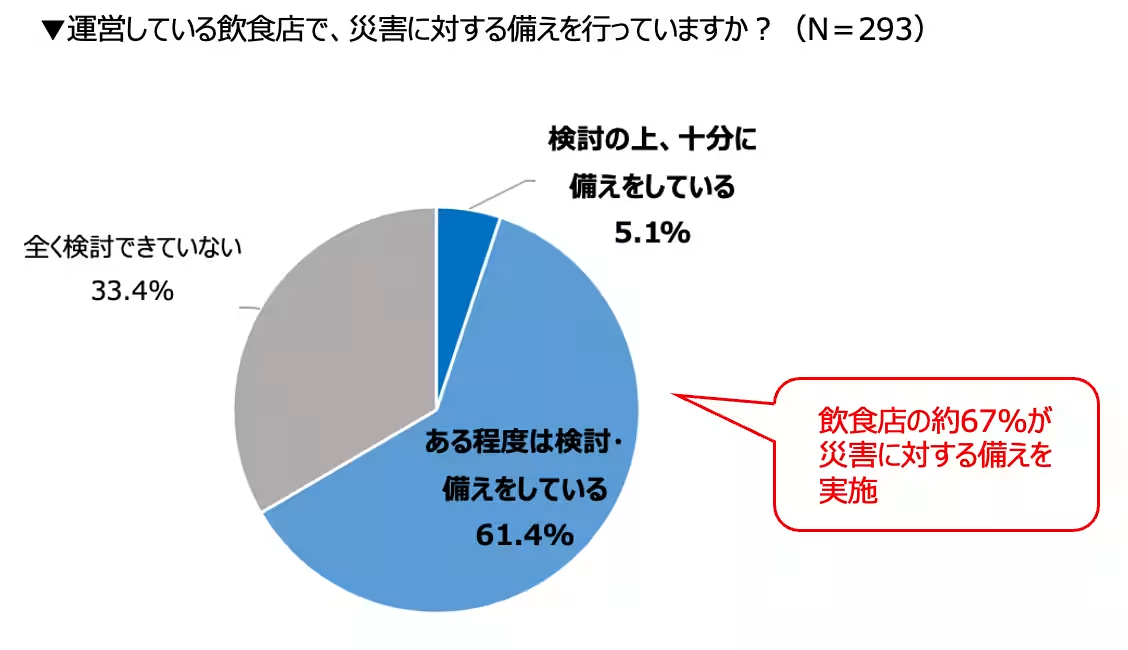
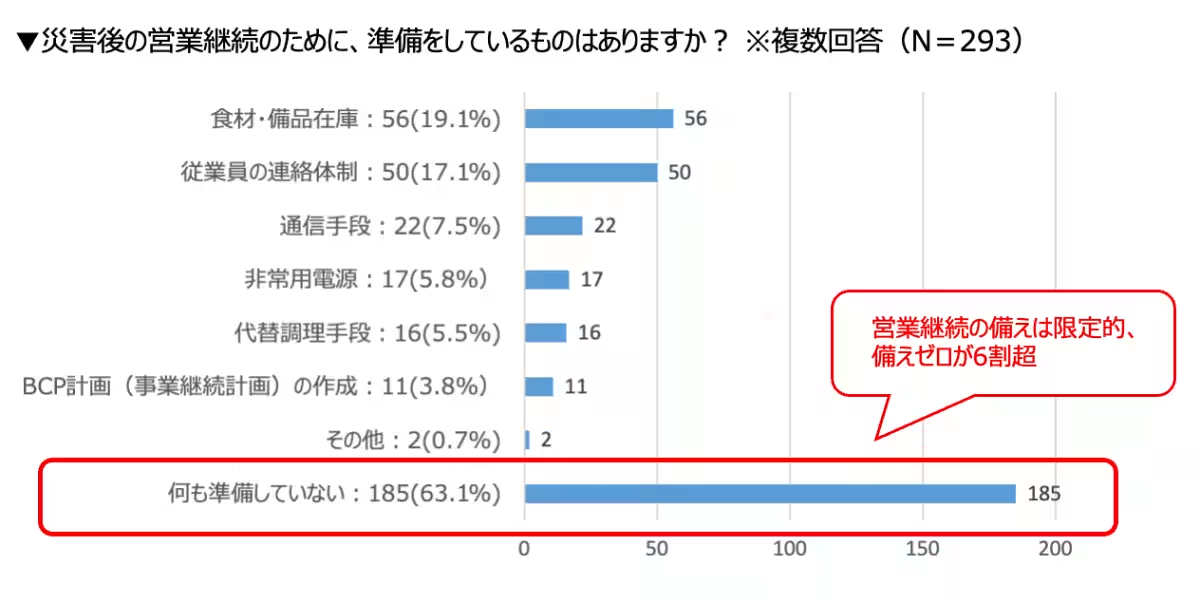
Interestingly, about 67% of restaurants indicated they were taking some preparedness measures. Among these:
- - Safety Equipment: A variety of responses pointed to the implementation of fire safety measures like automatic extinguishing systems and gas leak alarms.
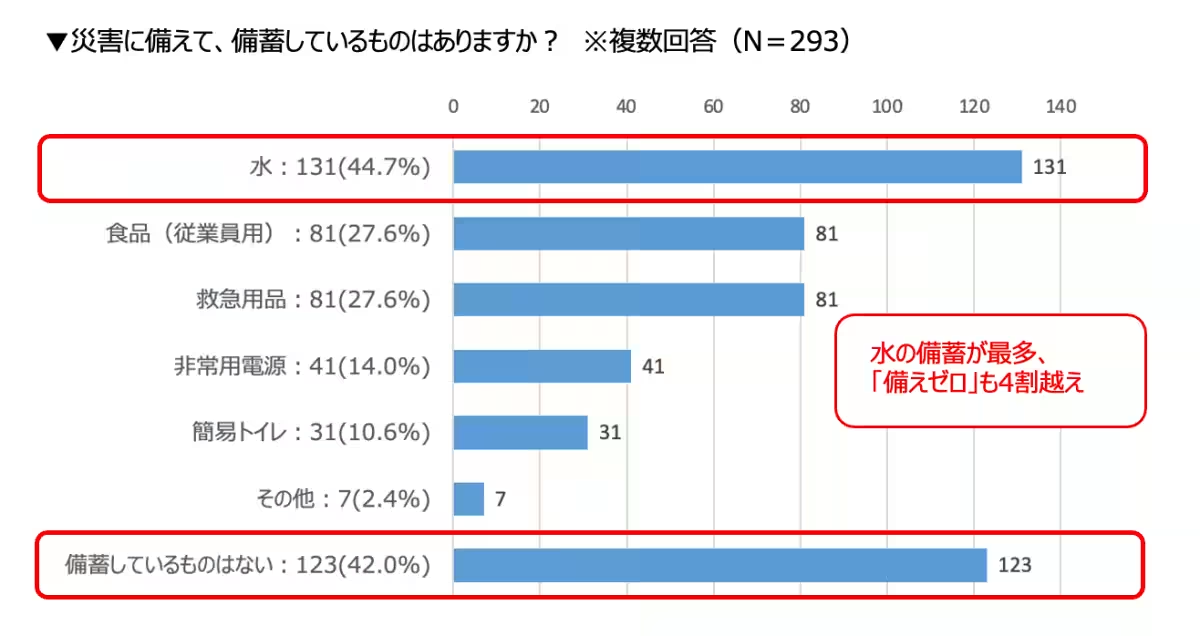
- - Emergency Supplies: Restaurants reported stockpiling water and emergency food supplies as contingency measures.
- - Training and Drills: Several establishments noted the importance of regular training for staff on evacuation procedures and emergency protocols.
However, 33.4% admitted they had not considered disaster preparedness measures at all, highlighting a concerning gap in awareness among restaurant operators.
Financial Preparations and Insurance
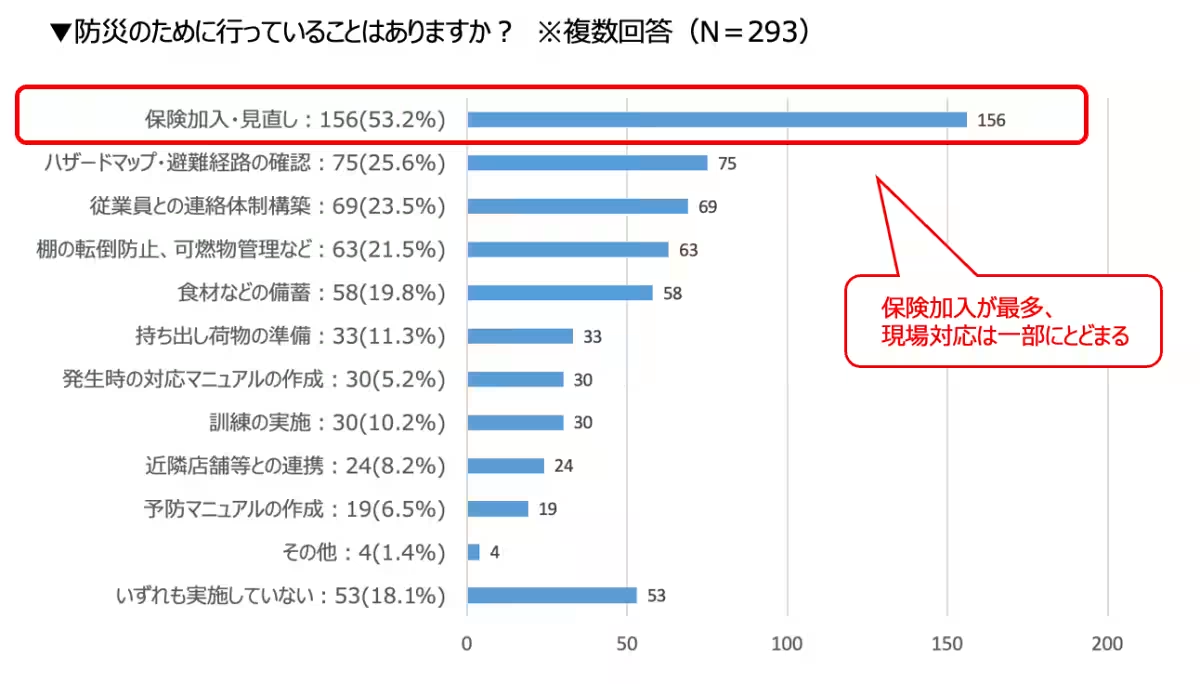
With financial safety in mind, over half of the restaurants reported having insurance or reviewing their coverage as a primary form of disaster preparation. Conversely, awareness regarding evacuation routes and communication plans among staff was low, with only a small percentage prioritizing these essential elements.
Challenges and Gaps in Awareness
Among the challenges voiced by restaurant operators were:
- - Lack of Knowledge: Many did not understand what specific measures to implement for disaster preparedness.
- - Resource Allocation: For smaller establishments, budgetary constraints and lack of space made it difficult to prepare adequately.
- - Perceived Necessity: Some owners did not feel the need for preparedness, citing their location's historical stability against natural disasters.
Expectations from Local Governments
When asked about their expectations from local governments regarding disaster support, restaurant owners had several key requests:
1. Financial Assistance: Many sought monetary aid for disaster prevention expenses and support for recovery after an incident.
2. Infrastructure Improvement: More efficient communication systems and prepared evacuation centers were desired.
3. Guidelines Creation: Clear guidelines tailored for restaurants, including checklists and protocols for diverse types of disasters were called for.
Conclusion
The results of this survey are a wake-up call for the restaurant industry in Japan. Despite a significant percentage of owners expressing concern regarding potential disasters, a large number still lack appropriate preparedness measures. Increased awareness, education, and support from both the industry and government are crucial to fostering a culture of safety and security within the food service sector.
For any inquiries about the survey or its findings, feel free to contact Synchro Food at [email protected].
Topics Consumer Products & Retail)
【About Using Articles】
You can freely use the title and article content by linking to the page where the article is posted.
※ Images cannot be used.
【About Links】
Links are free to use.