



Autumn Caterpillar Dermatitis: Study Reveals Missteps in First Aid Responses
Understanding Caterpillar Dermatitis and the Autumn Dangers
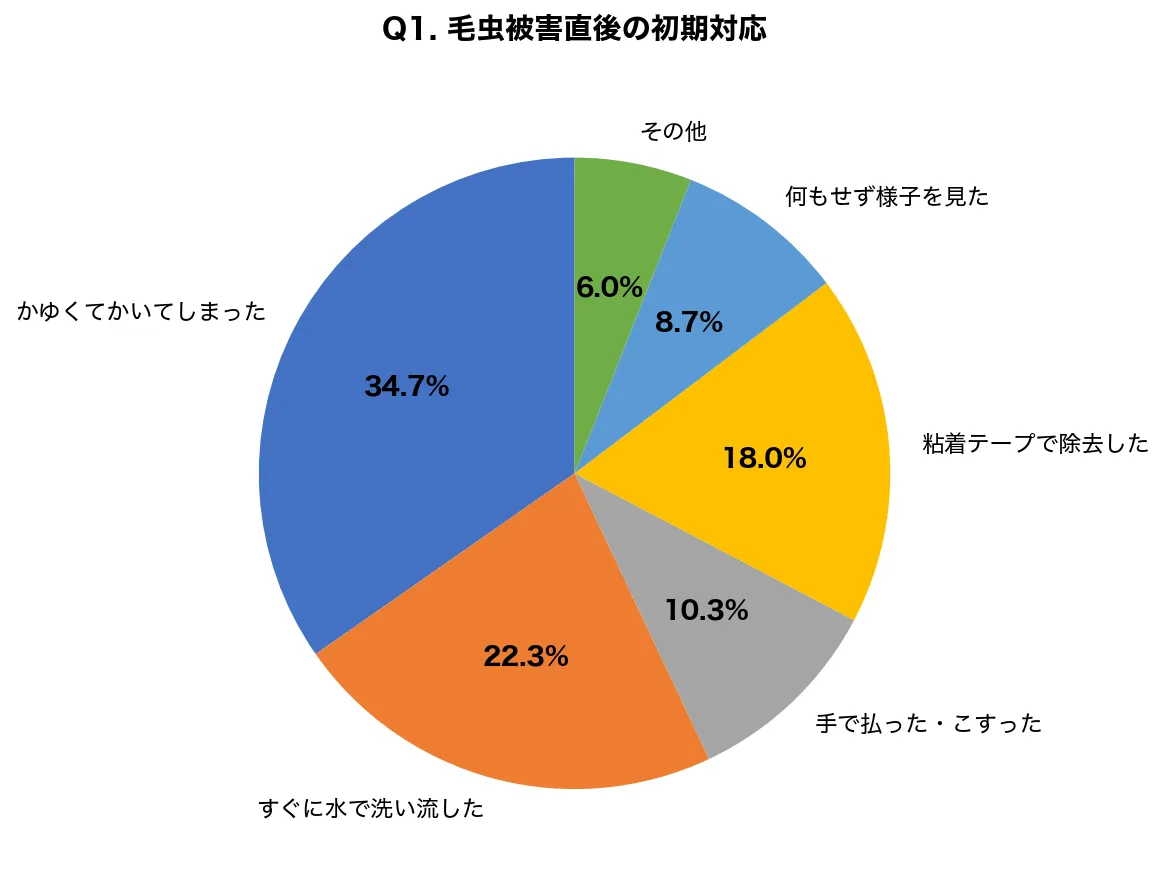
In Japan, autumn heralds not only the beautiful foliage but also the peak season for caterpillar dermatitis, a condition caused by the toxic hairs of certain caterpillars. A recent survey conducted by the IC Clinic sheds light on how the public inadequately responds to encounters with these pests, which are most commonly the Chadohuga caterpillar. The results are alarming, showing that 67.3% of those affected resorted to inappropriate first aid measures, leading to prolonged suffering.
The Critical Findings from the Survey
The survey identified several critical points:
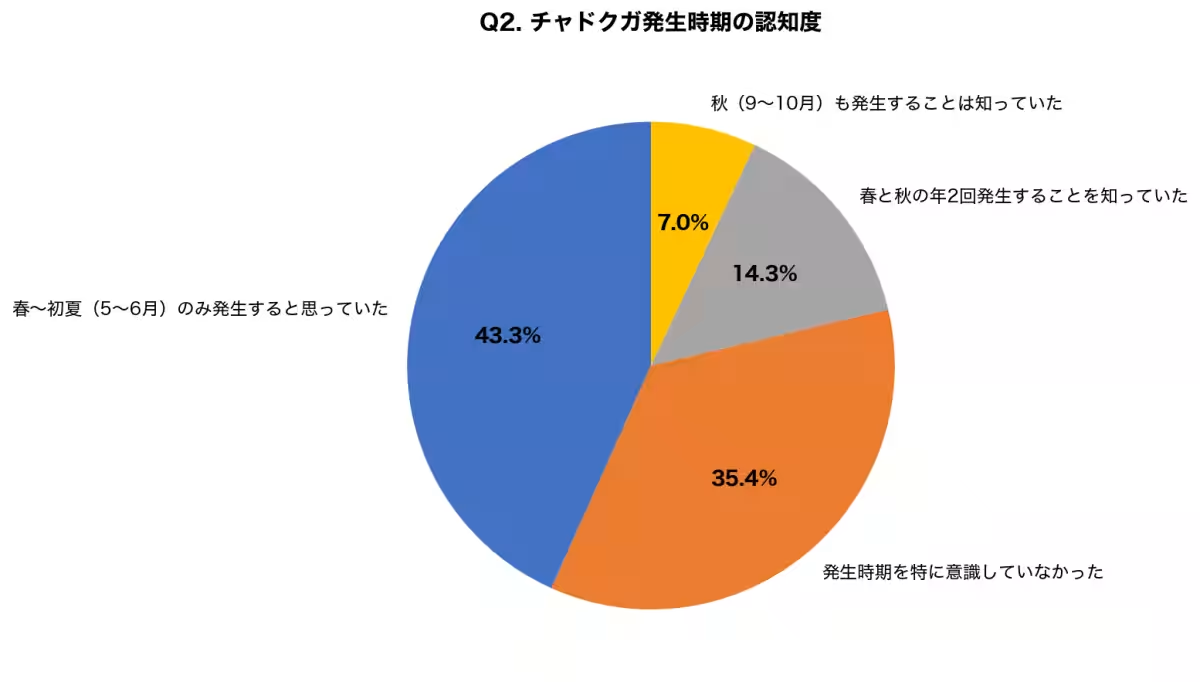
- - A startling 78.7% of respondents were unaware of the autumn peak for caterpillar outbreaks.
- - Only 18.0% were familiar with the proper method to remove toxic hairs using adhesive tape.
- - Many resorted to washing their skin with water immediately, mistakenly thinking it would cleanse the area.
These insights prompted health experts to emphasize the importance of education on recognizing caterpillar dermatitis and responding appropriately.
What is Caterpillar Dermatitis?
Caterpillar dermatitis is an allergic skin reaction induced by contact with the fine toxic hairs (also known as venomous spines) of caterpillars, such as the Chadohuga. Characterized by red, itchy rashes, it can occur even without direct contact, as these microscopic hairs can disperse through the air.
The Chadohuga Caterpillar
The Chadohuga is a moth belonging to the Lymantriidae family and is a primary source of caterpillar dermatitis in Japan. Each larva can possess approximately 500,000 toxic hairs, primarily found on plants like camellias and sasanquas. They emerge twice a year, with significant populations surfacing in spring and then peaking again in autumn (September-October).
The Toxic Hairs and Their Dangers
The venomous hairs measure about 0.1 mm and are often invisible to the naked eye. When they come into contact with the skin, they can induce severe itching and rashes. Even detached hairs retain their toxic properties, which is why contact with fallen caterpillars or their skins can lead to dermatitis as well.
Incorrect First Aid Practices
Many individuals mismanaged their first aid responses, inadvertently worsening their conditions. The correct approach involves:
- - Gently using adhesive tape (like masking tape) to lift away hairs.
- - Washing the area thoroughly with running water afterwards, not immediately upon contact.
- - Avoiding the urge to scratch, which can escalate the reaction and increase the risk of secondary infections.
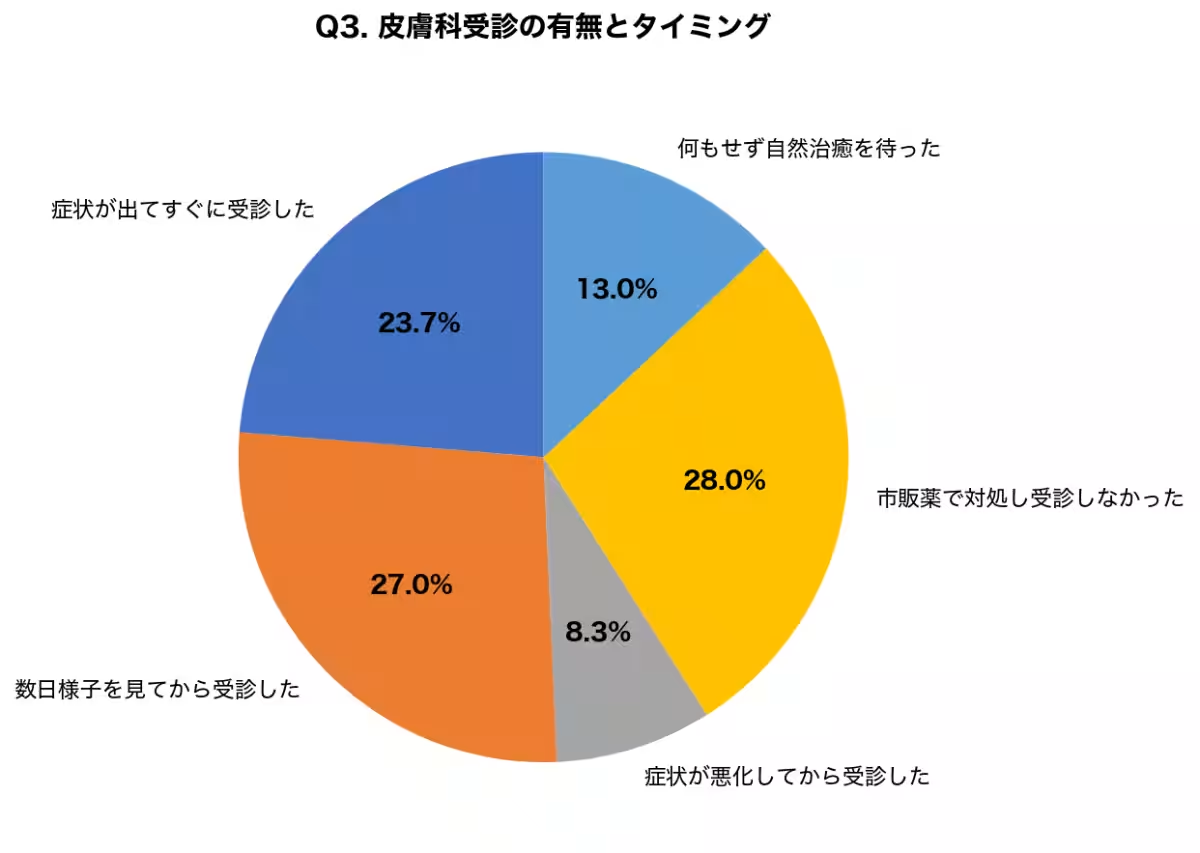
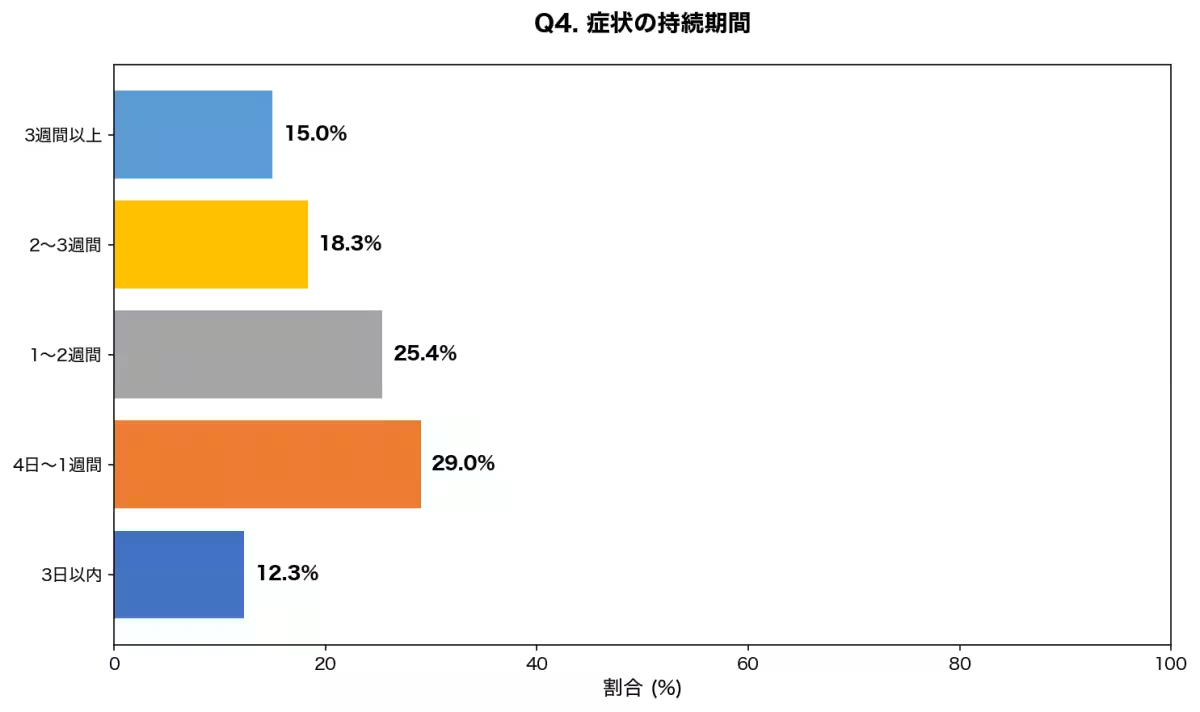
Interestingly, the survey revealed that 41.0% did not seek medical attention, opting for over-the-counter remedies or natural recovery instead. This recommendation could prove problematic, as nearly one-third (33.3%) of individuals reported symptoms persisting for over two weeks due to inadequate care.
The Need for Awareness and Proper Treatment
With autumn on the horizon, knowing how to prevent and treat caterpillar dermatitis becomes vital. Health experts recommend:
- - Wearing long sleeves and pants while gardening.
- - Using protective eyewear and gloves when trimming plants.
- - Keeping laundry away from infested areas to prevent contamination.
The IC Clinic emphasizes early intervention. Consultations with dermatologists can significantly alleviate symptoms through prescription treatments. Observing the first signs of dermatitis should prompt immediate action, rather than waiting for natural healing to take its course.
Conclusion
This study serves as a crucial reminder of the ongoing risks associated with caterpillar contact, especially during autumn. Proper education on recognizing symptoms, along with proper emergency responses and timely medical consultations, is essential for reducing the incidence and severity of caterpillar dermatitis. As we learn from this research, information dissemination is paramount in preventing these reactions and ensuring public health safety.
Topics Health)



【About Using Articles】
You can freely use the title and article content by linking to the page where the article is posted.
※ Images cannot be used.
【About Links】
Links are free to use.