



New Insights on Pediatric Atopic Dermatitis Treatments for Parents of Affected Children in 2026
New Survey on Pediatric Atopic Dermatitis
In 2026, Sanofi conducted an extensive survey on the treatment realities faced by the parents of children suffering from moderate-to-severe atopic dermatitis. The survey highlights the experiences, perceptions, and treatment choices of 471 parents with children ranging from infants to middle schoolers. These findings provide crucial insights into how families address this complex skin condition that affects daily life and emotional well-being.
Key Findings of the Survey
The results revealed some striking trends:
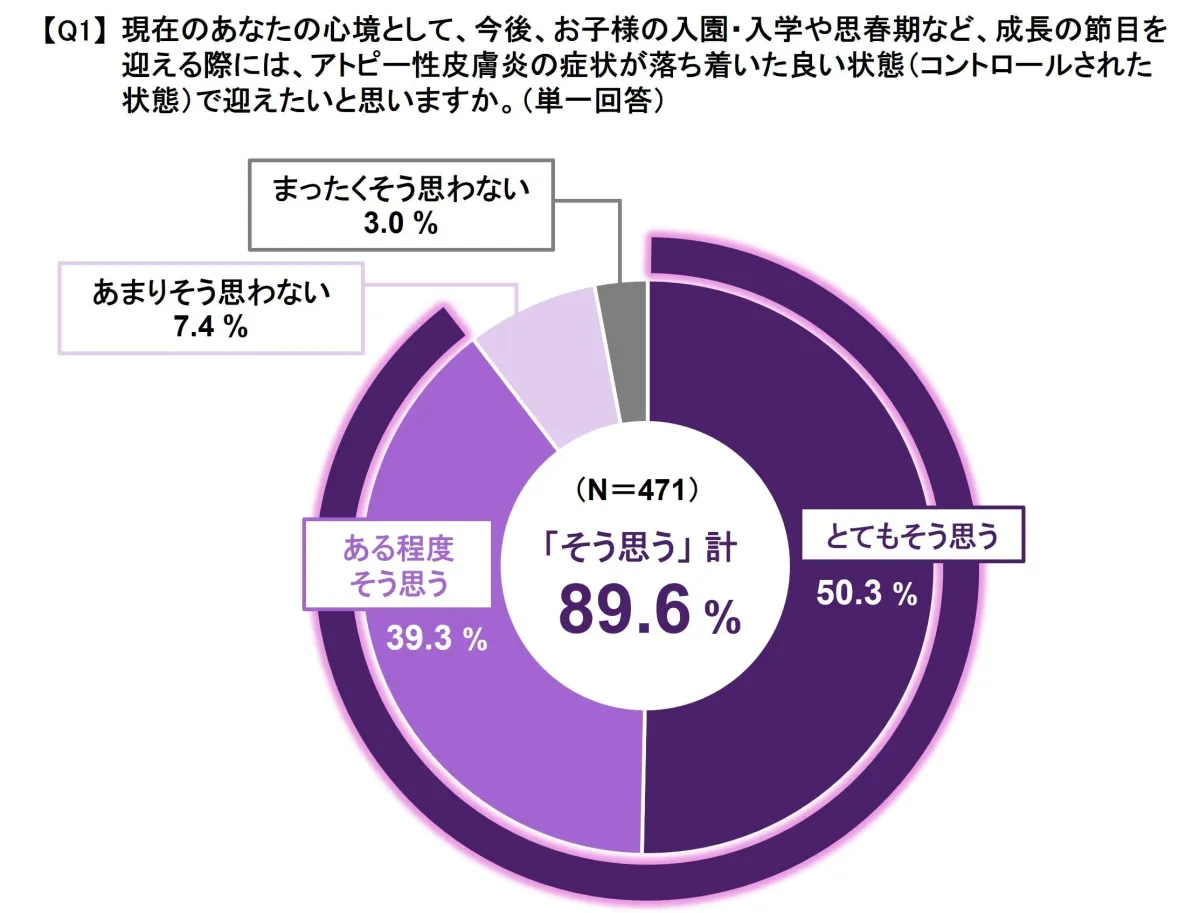
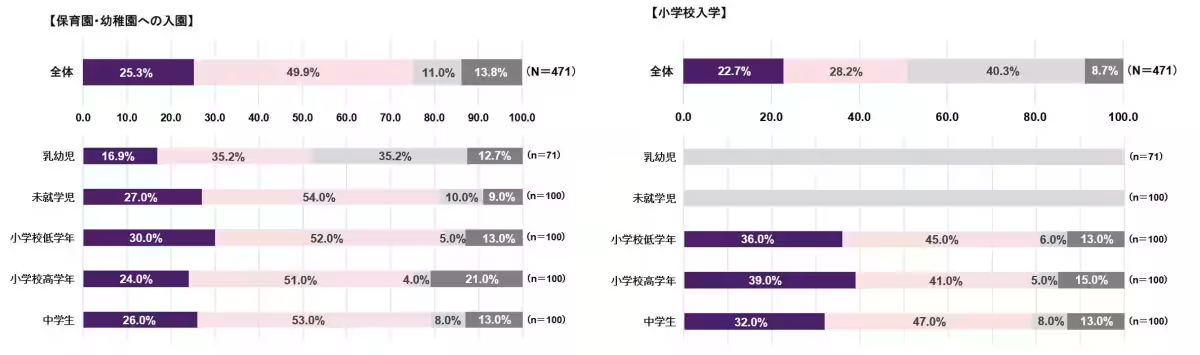
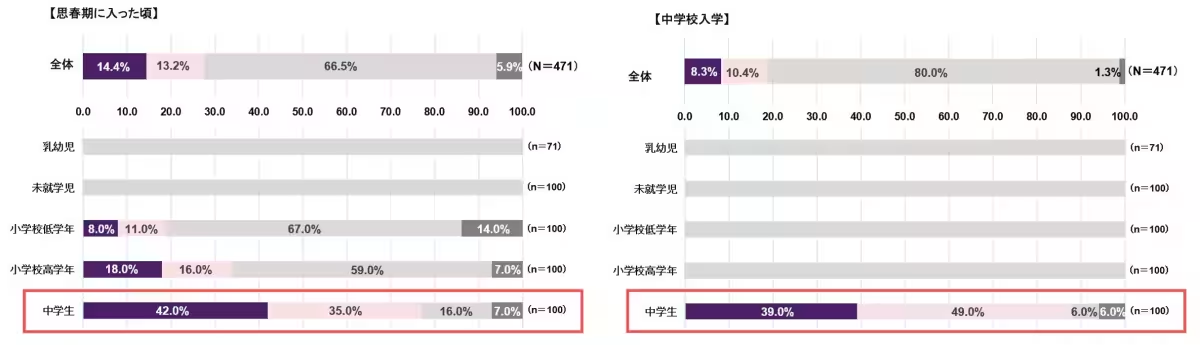
- - Desire for Symptom Control: About 90% of parents expressed a strong desire for their children to enter significant developmental milestones, such as school enrollments and puberty, in a state of minimal symptoms.
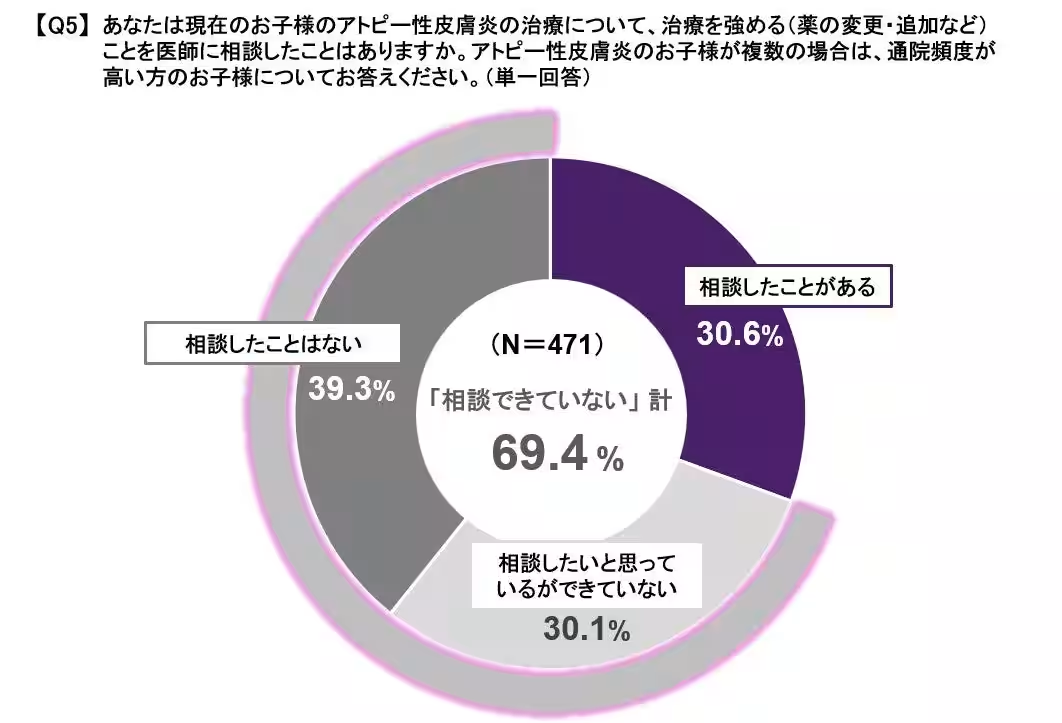
- - Consultation Hesitation: Approximately 30% of parents had consulted their healthcare providers about adjusting treatments, while another 30% expressed a desire to do so but had not taken action. This indicates a gap between awareness and action when it comes to treatment optimization.
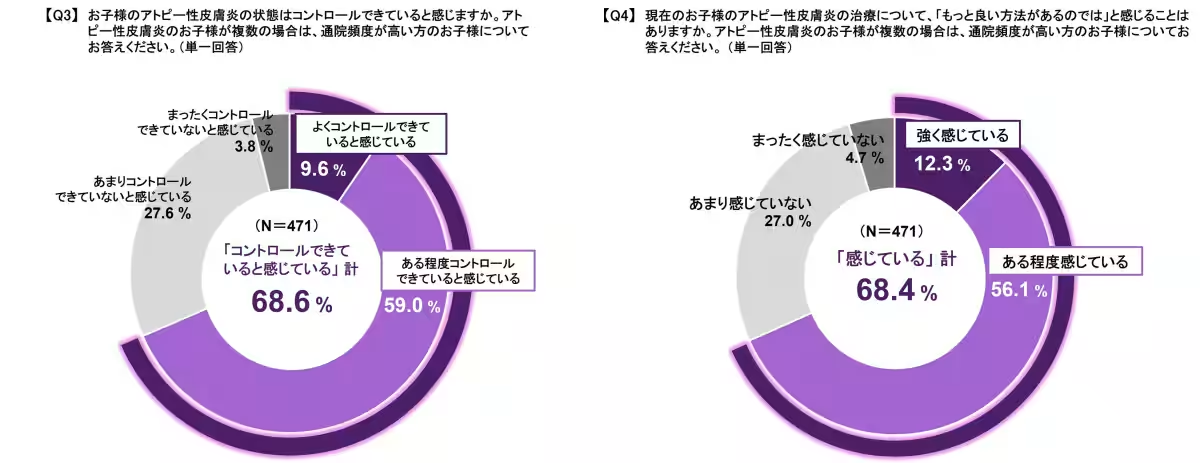
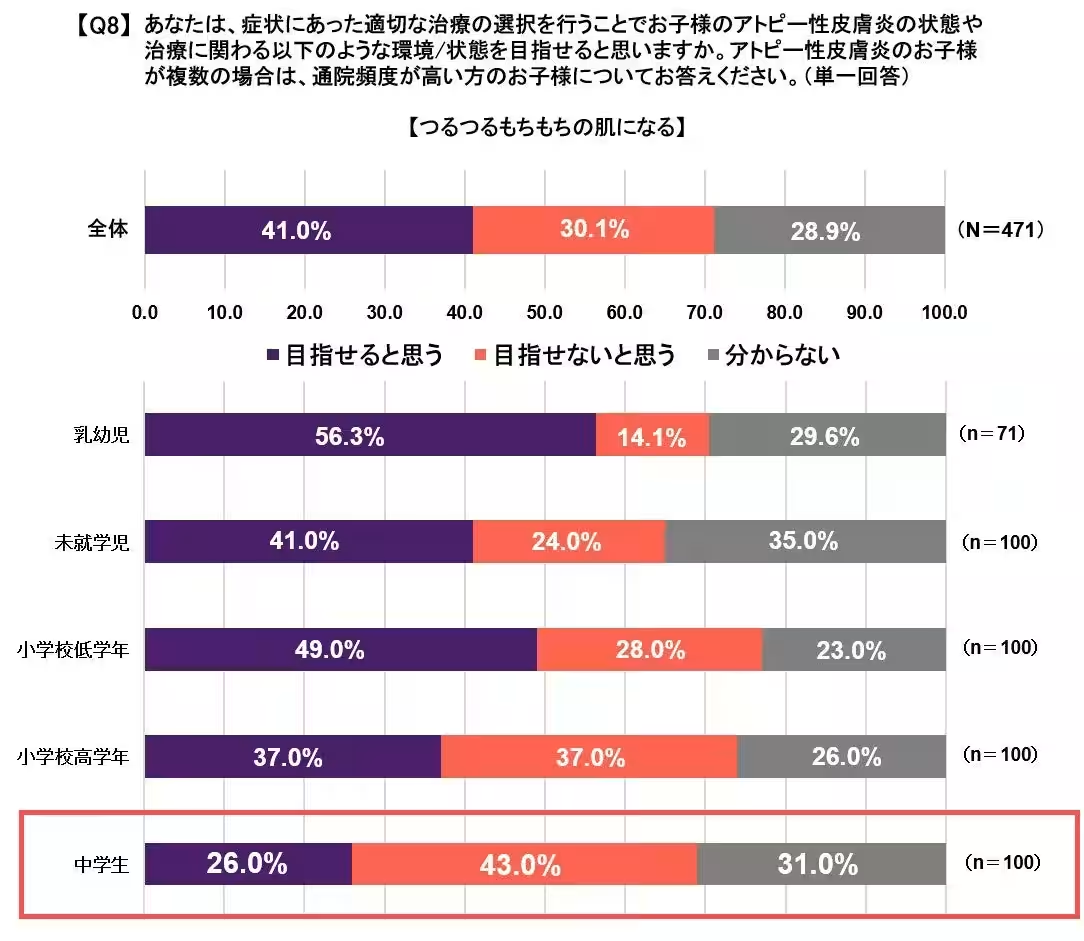
- - Perceptions of Control: While around 70% of parents felt that their children's symptoms were manageable, they also indicated uncertainty, with a large majority believing that better treatment options might exist.
Understanding Atopic Dermatitis
Atopic dermatitis is a chronic, inflammatory skin disease that can profoundly impact the quality of life for affected children and their families. Symptoms can vary significantly as children grow from infancy to adolescence. This variability often leads to complacency about treatment, particularly during periods of symptom relief. Parents may become accustomed to moderate symptoms and settle into a belief that no better solutions are available, despite harboring latent desires for improvement.
With advancements in treatment options, including new targeted therapies, the potential for long-term remission is more attainable than ever. Early intervention during crucial growth stages can lead to better long-term outcomes. Therefore, parents are encouraged to reassess their children’s treatment plans during pivotal times, like when transitioning to kindergarten, elementary, or middle school, and especially at puberty.
Importance of Healthcare Communication
Dr. Mizuko Nagao, a pediatrician and head of clinical research at Mie National Hospital, emphasizes that developmental milestones are critical times for evaluating treatment efficacy. She highlights the opportunistic nature of these periods for reassessment, indicating that healthcare providers and parents must collaborate closely to establish clear treatment goals. Understanding that dermatological care evolves with the child’s growth is vital for both parents and healthcare practitioners.
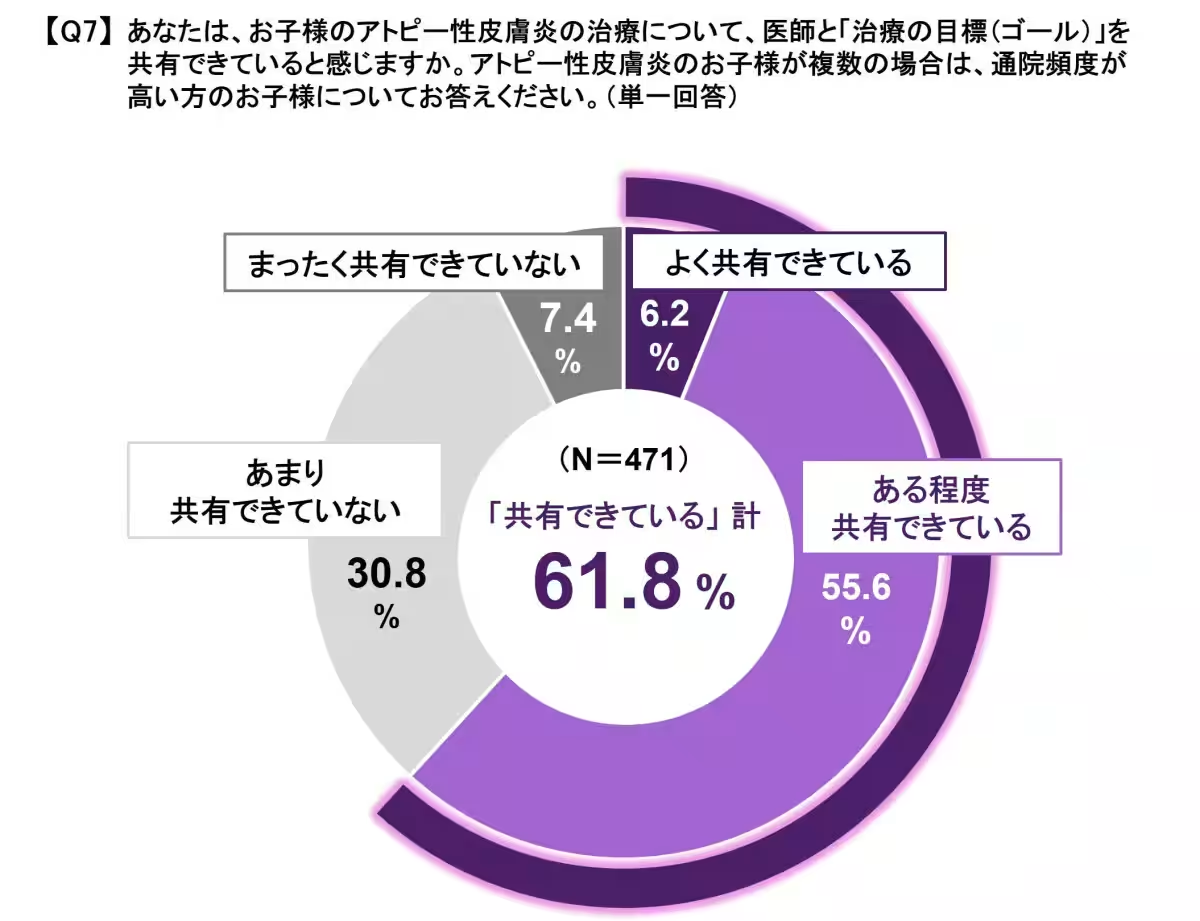
The survey indicates that approximately 60% of parents do not share treatment goals with their physicians. This lack of alignment can lead to missed opportunities for effective treatment adjustments. By enhancing communication strategies, parents can better express their concerns and aspirations for their children's treatment outcomes, potentially leading to a more holistic approach that includes a wider array of therapies, from topical treatments to injectable biologics.
Future Directions
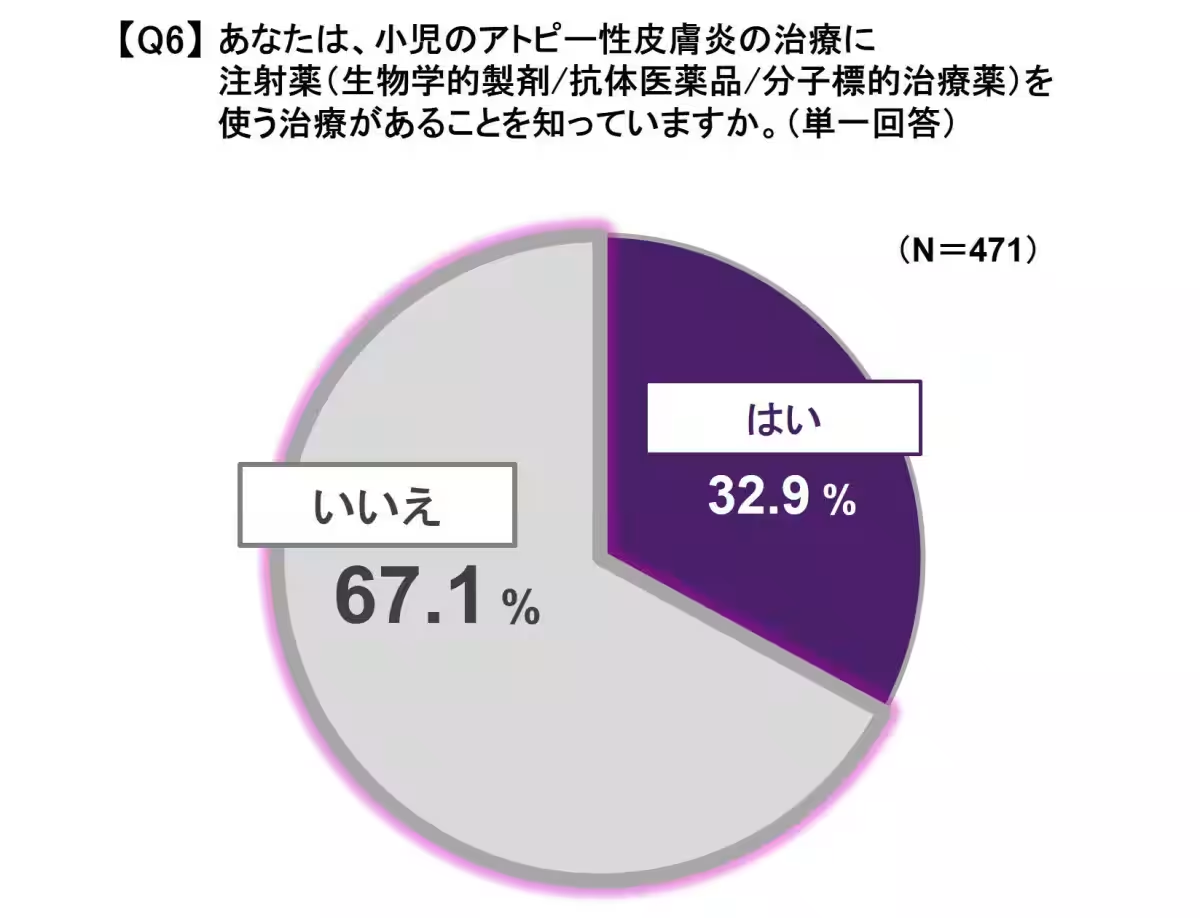
Sanofi aims to continue informing families about atopic dermatitis through its comprehensive information platform, Allergy-i. The intent is to ensure that parents are fully aware of all available treatment options, including breakthroughs in biologic therapies that have emerged recently. With nearly 70% of parents unaware of injectable options for treating atopic dermatitis, there exists a significant opportunity for enhanced outreach and education.
In summary, the 2026 survey sheds light on the complexities surrounding pediatric atopic dermatitis and the perceived barriers parents face in seeking optimal treatment. By fostering a more robust dialogue between families and healthcare providers, it is possible to achieve improved outcomes for children suffering from this challenging skin condition. The overarching message is clear: during critical growth phases, it is imperative to reassess treatments, align expectations, and explore the full spectrum of available options to ensure the best possible care for young patients.


Topics Health)
【About Using Articles】
You can freely use the title and article content by linking to the page where the article is posted.
※ Images cannot be used.
【About Links】
Links are free to use.