



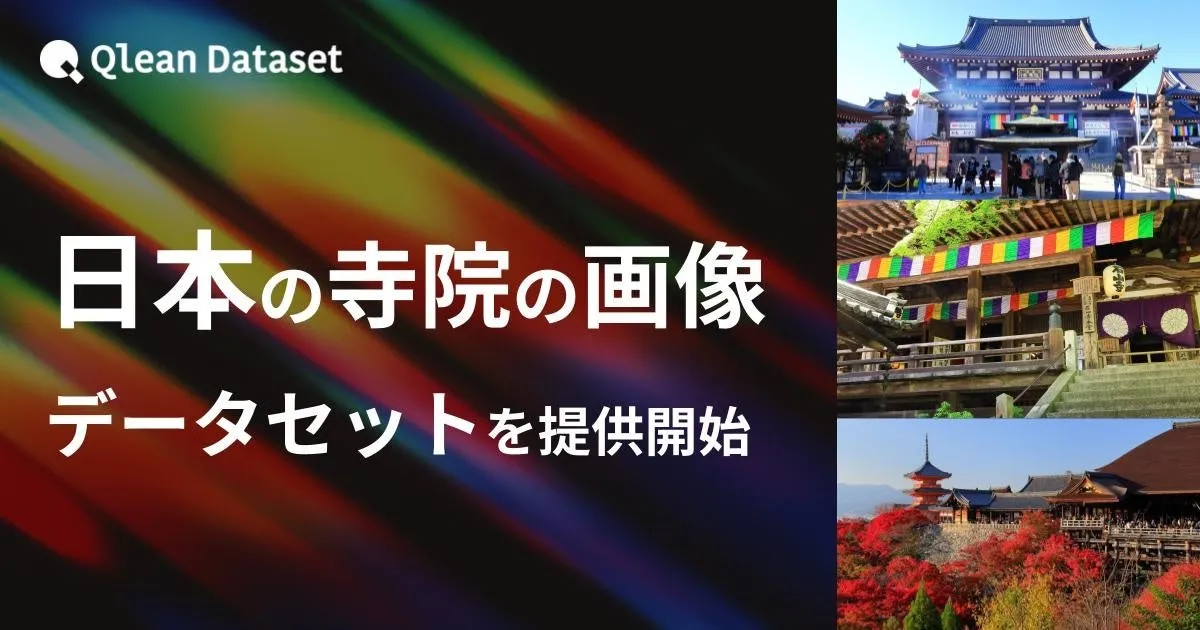
Visual Bank Launches Extensive Image Dataset of Japanese Temples
Introduction to the Japanese Temple Image Dataset
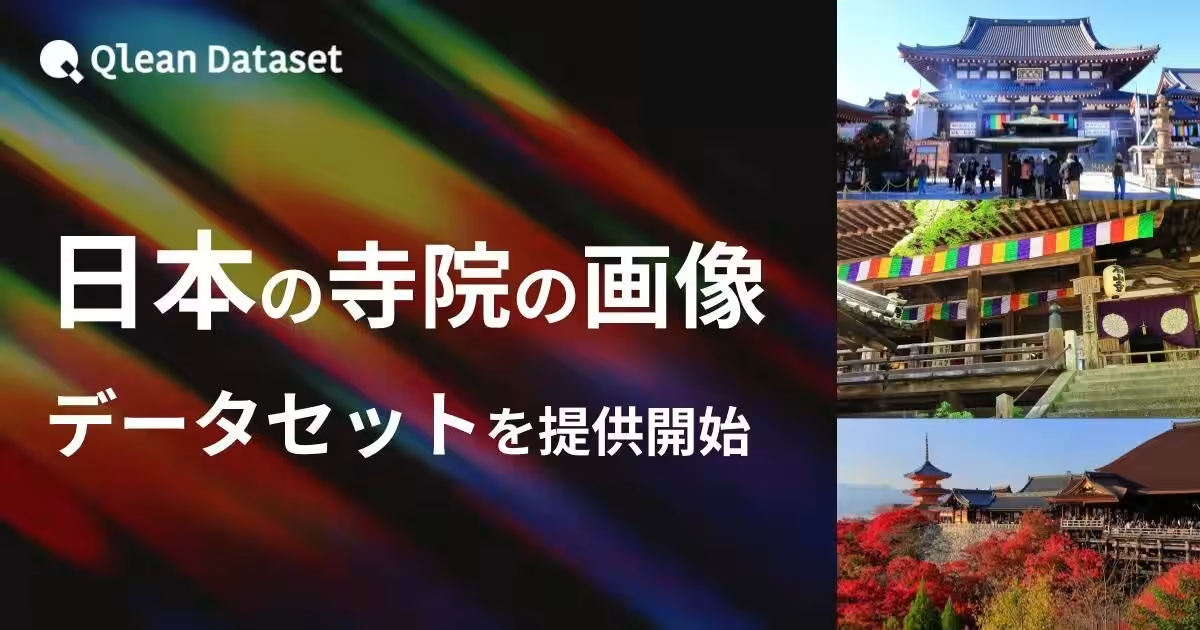
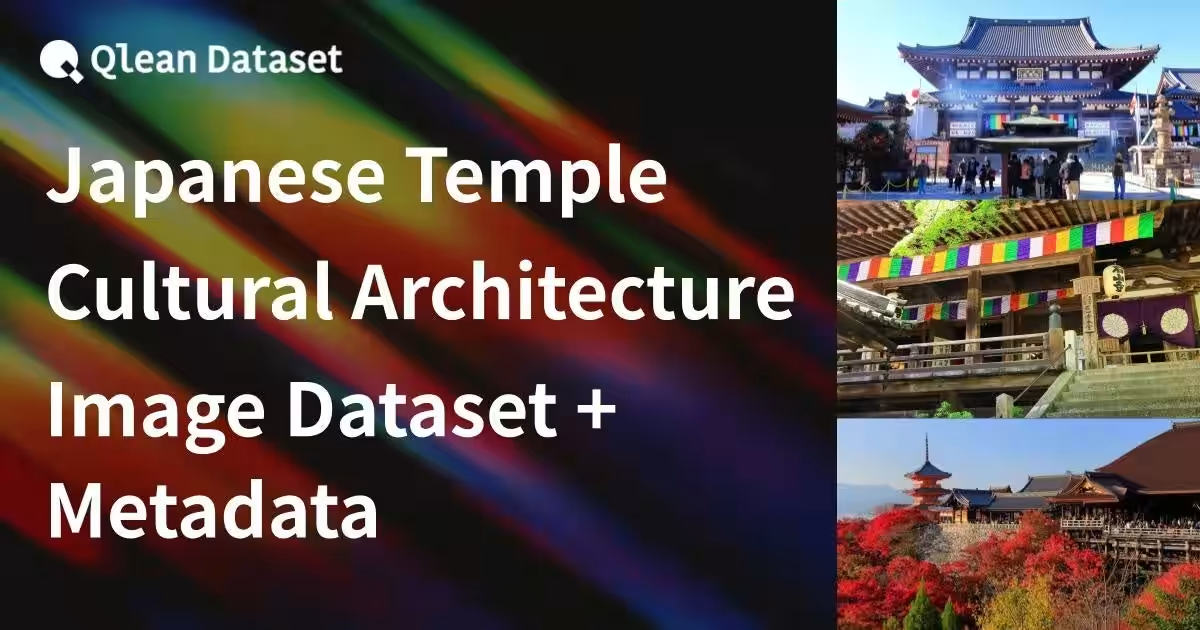
Visual Bank Inc., based in Minato-ku, Tokyo, has recently unveiled a captivating resource for AI developers and researchers—the Japanese Temple Image Dataset. Managed through its subsidiary, amanaimages Inc., this dataset is designed specifically to aid in areas like image recognition, classification, and multimodal AI research.
Dataset Overview
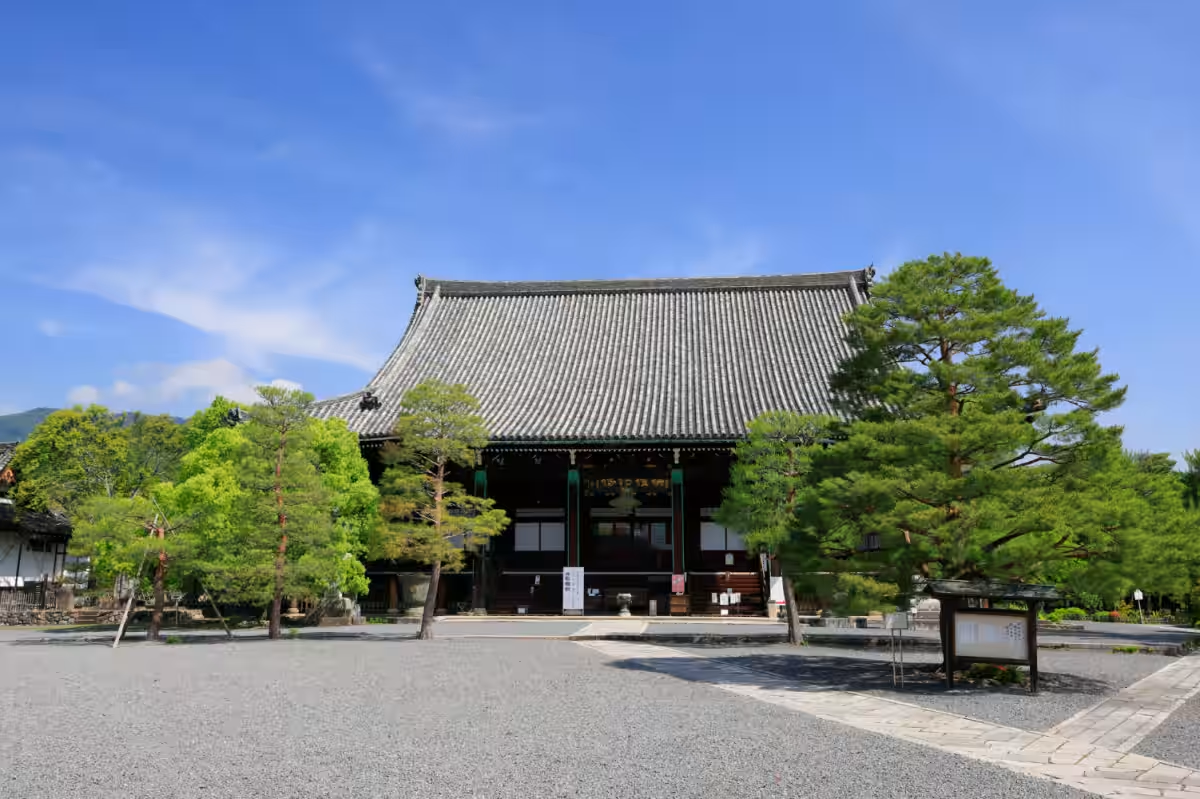
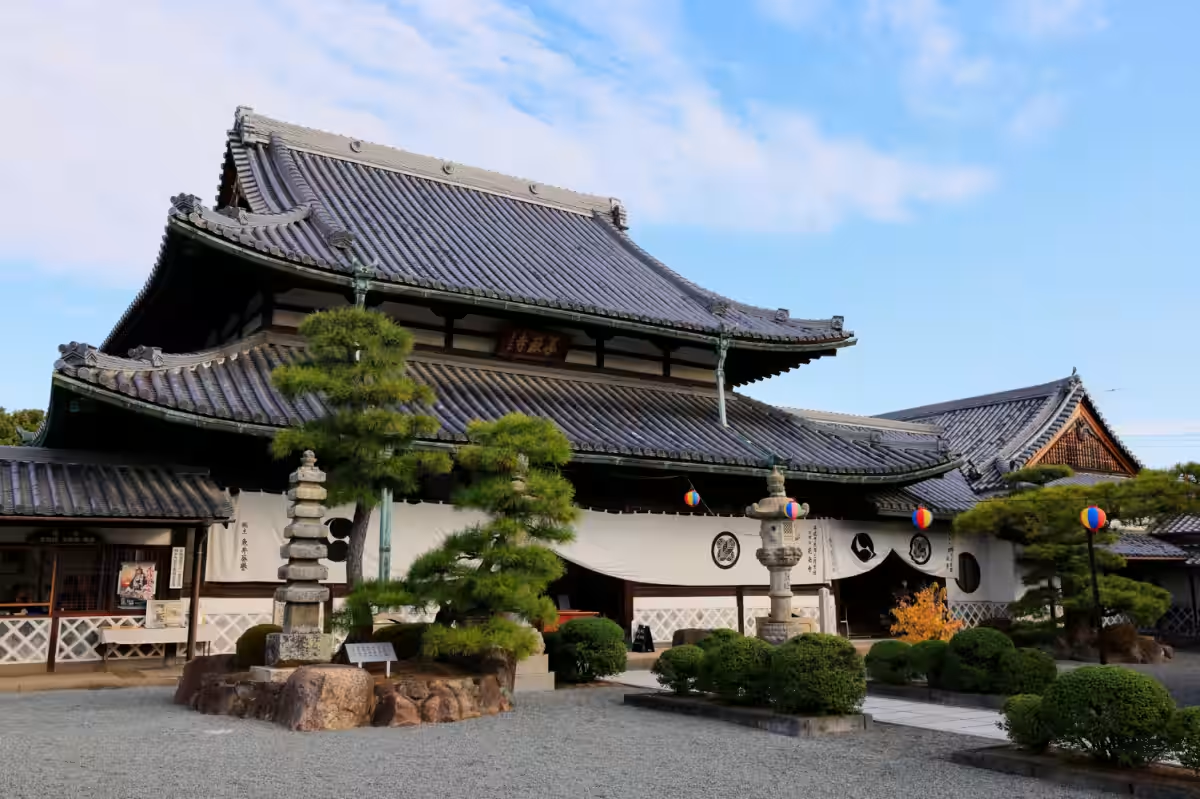
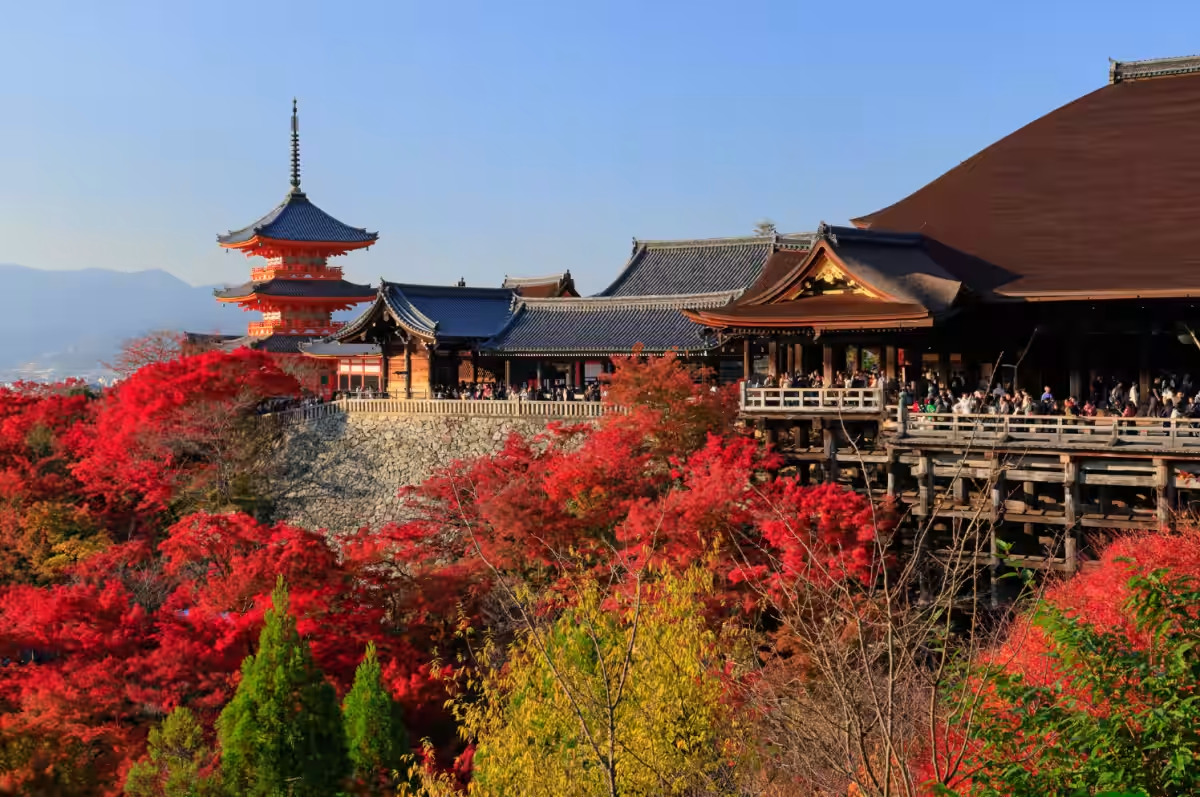
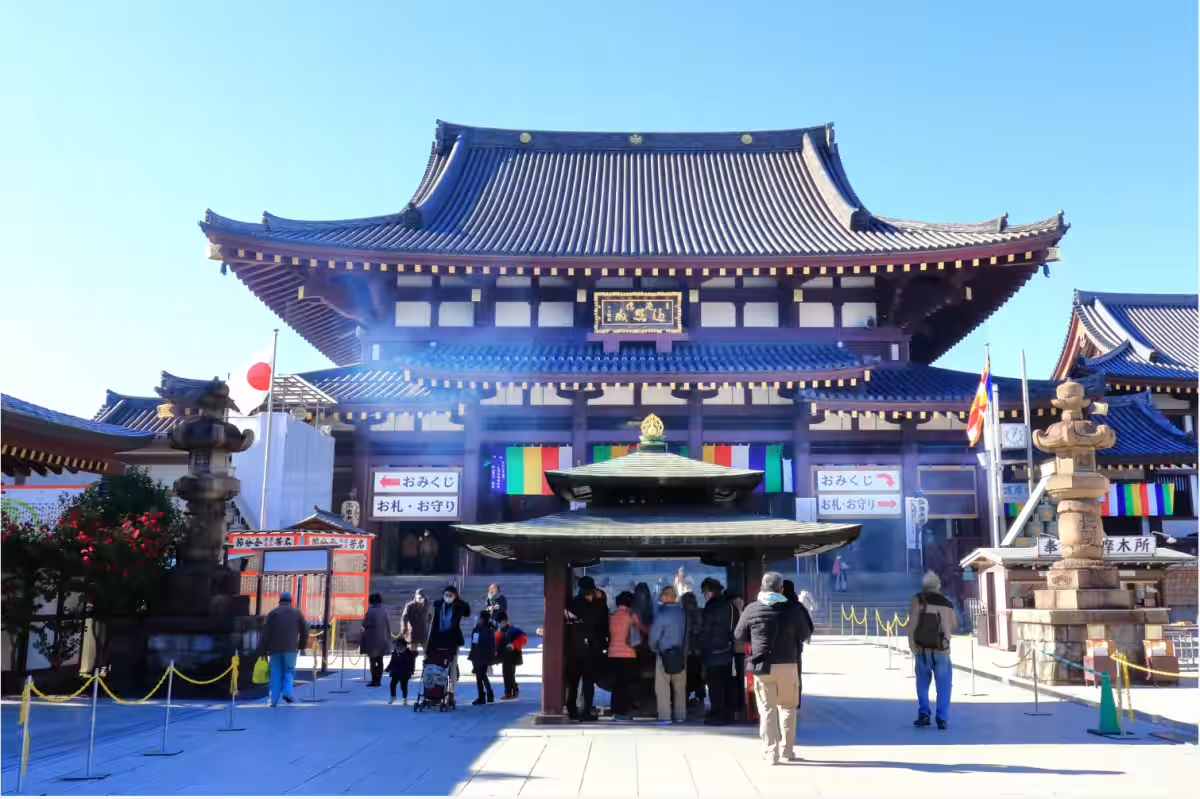
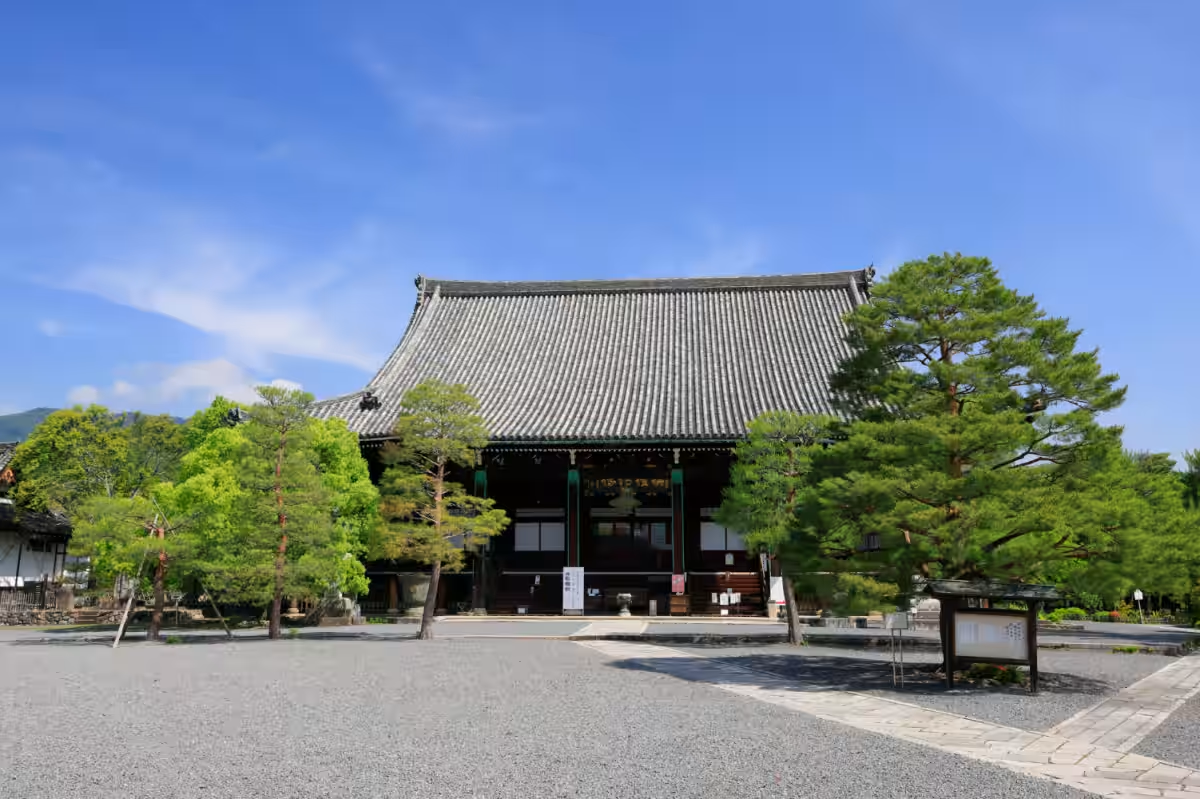
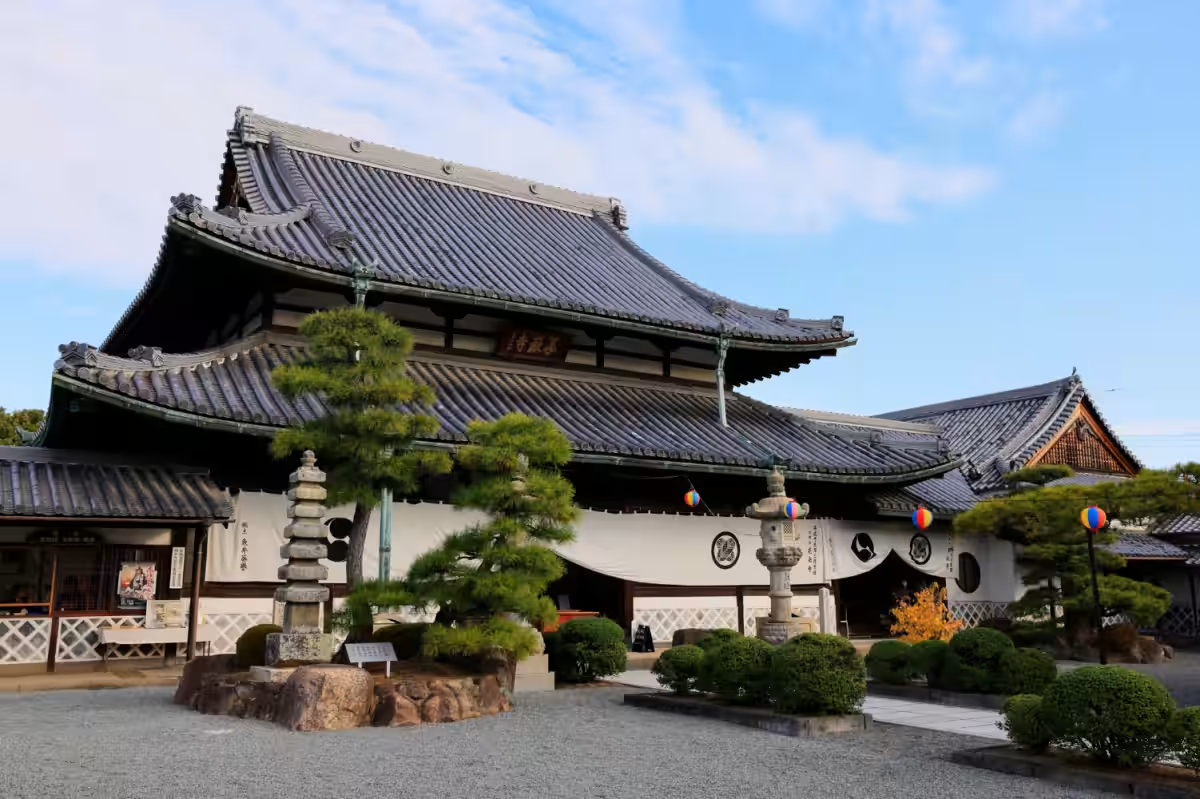
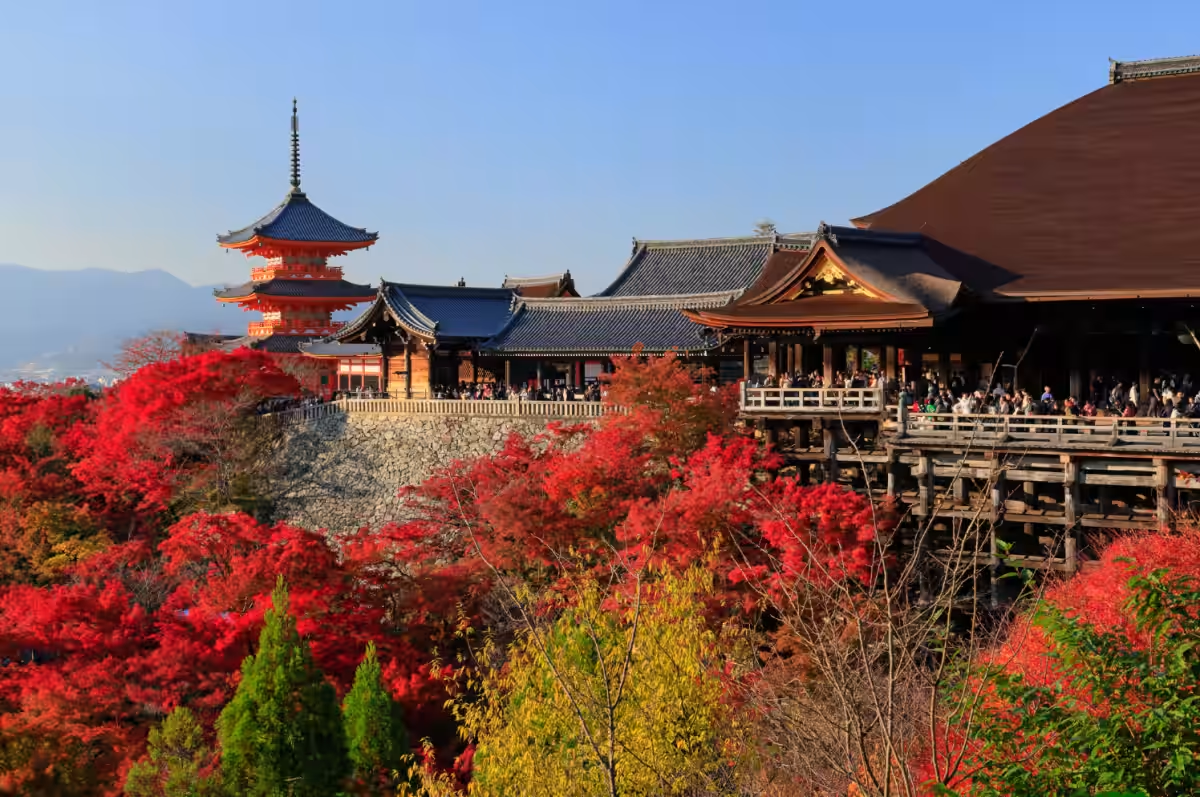
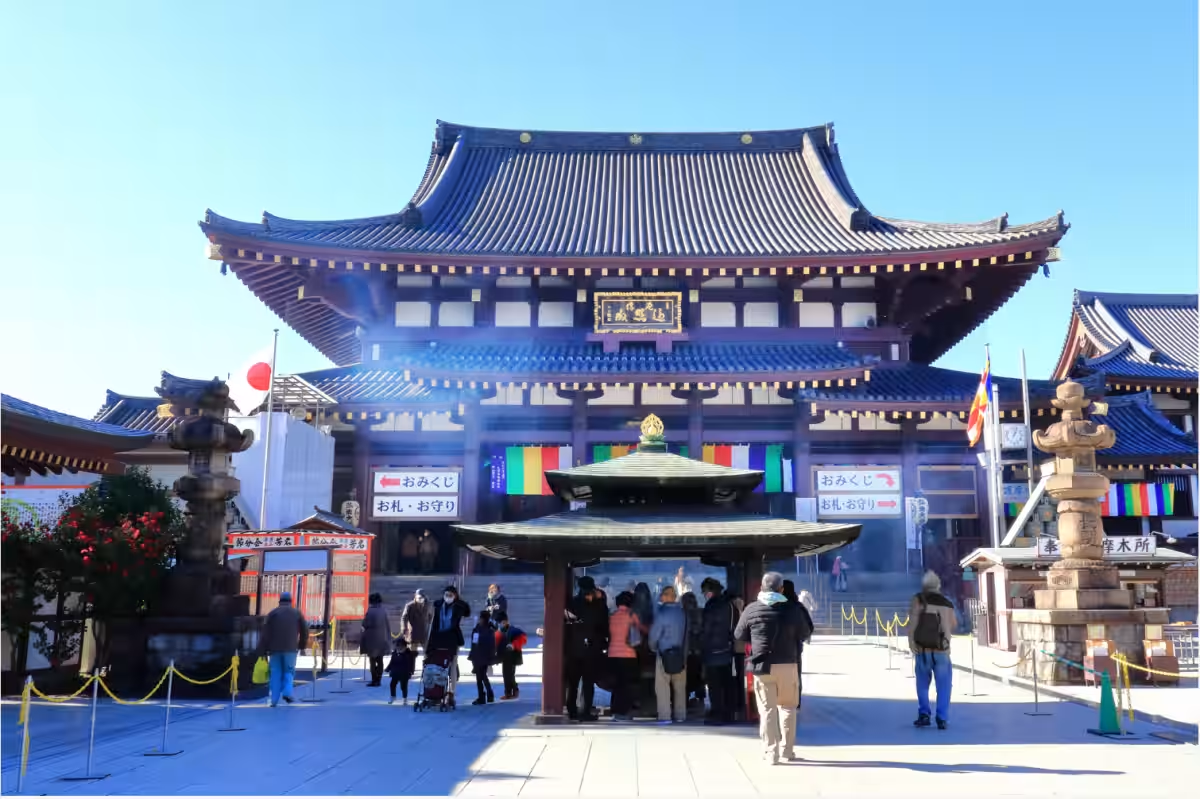
The dataset provides a comprehensive collection of photographs depicting various Buddhist temples situated across Japan. These images showcase crucial architectural features such as main halls, gates, and temple grounds, all captured in genuine outdoor settings. Notably, the collection spans temples in a range of locations, from bustling urban environments to serene mountainous areas, effectively representing the diversity inherent in Japanese religious architecture and cultural landscapes.
One of the standout features of this dataset is its commitment to seasonal and atmospheric variation. Images have been purposefully taken across different weather conditions and times of the year, illustrating the interplay between architectural elements and the surrounding natural environment—a hallmark of Japanese architectural design.
Moreover, every image within the dataset comes equipped with rich metadata detailing the location and specific subject attributes. This additional layer of information significantly enhances the dataset’s applicability, allowing for more nuanced analysis beyond mere scenic imagery.
Key Features and Use Cases
Research Applications
The Japanese Temple Image Dataset holds significant potential for research in cultural heritage and landscape understanding. AI developers can leverage this dataset as a cornerstone for building and evaluating image recognition models focused on Japanese religious architecture and historic landscapes. By providing robust training data, this dataset facilitates the identification of differences in architectural styles and spatial compositions.
Industrial Applications
For practical application within the tourism and cultural sectors, the dataset is invaluable for validating image recognition AI. It can effectively be integrated into tourism applications and cultural information platforms, enabling more accurate classification and tagging of temple-inclusive landscape images.
Furthermore, the dataset serves as a critical resource for enhancing multimodal AI applications that combine text and image data. It supports the evaluation and fine-tuning of models aimed at improving response accuracy for queries related to Japanese culture and architecture.
About Qlean Dataset
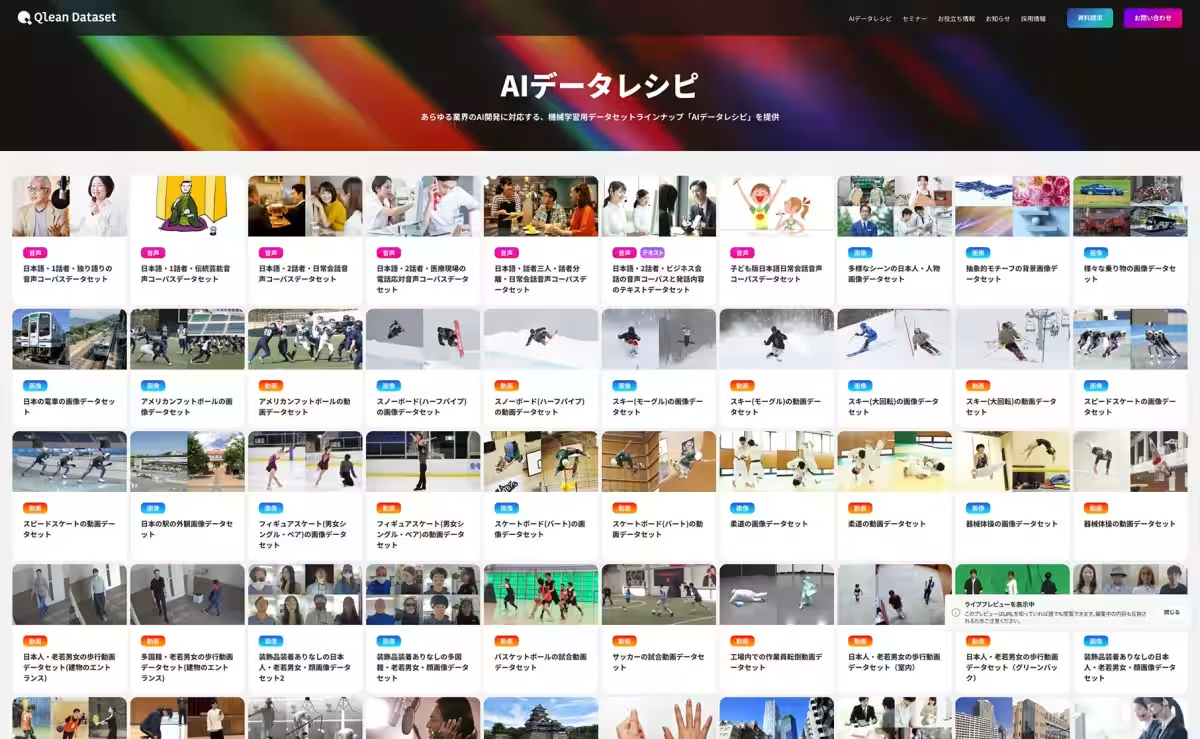
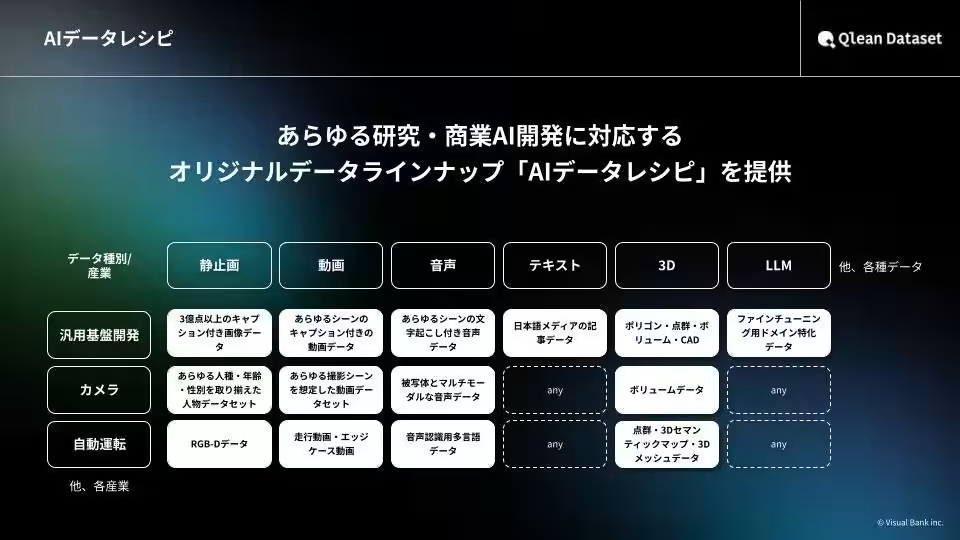
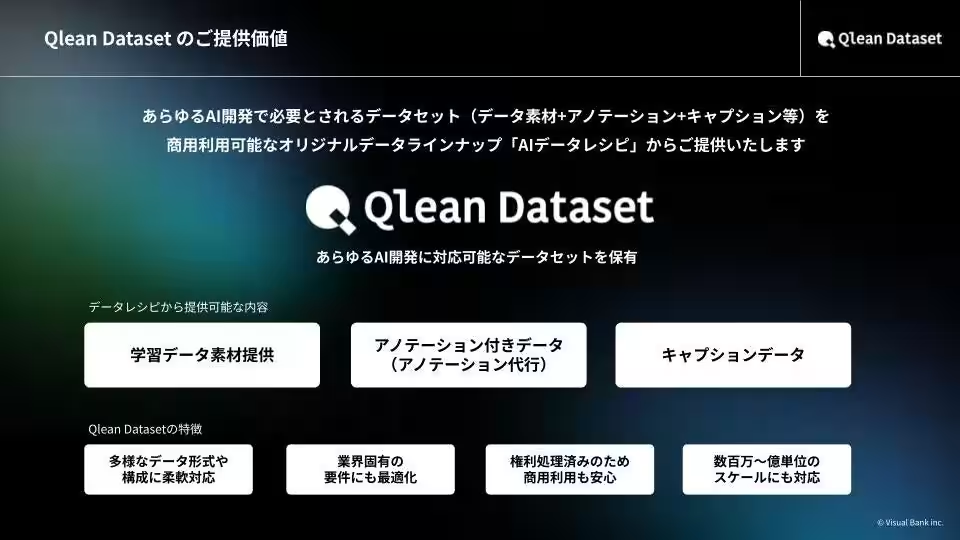
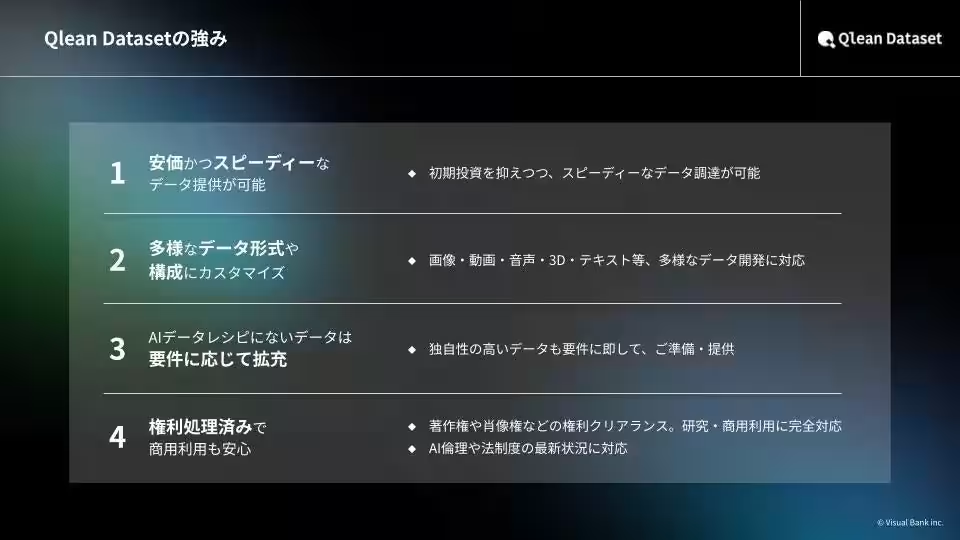
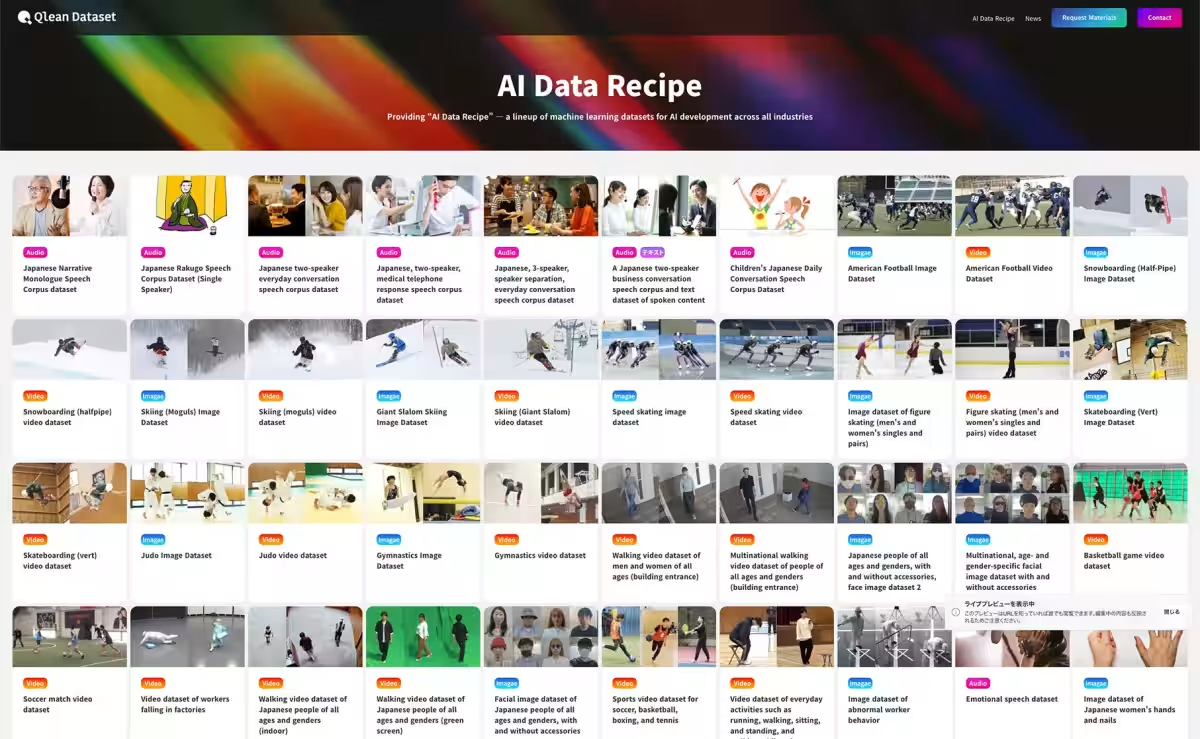
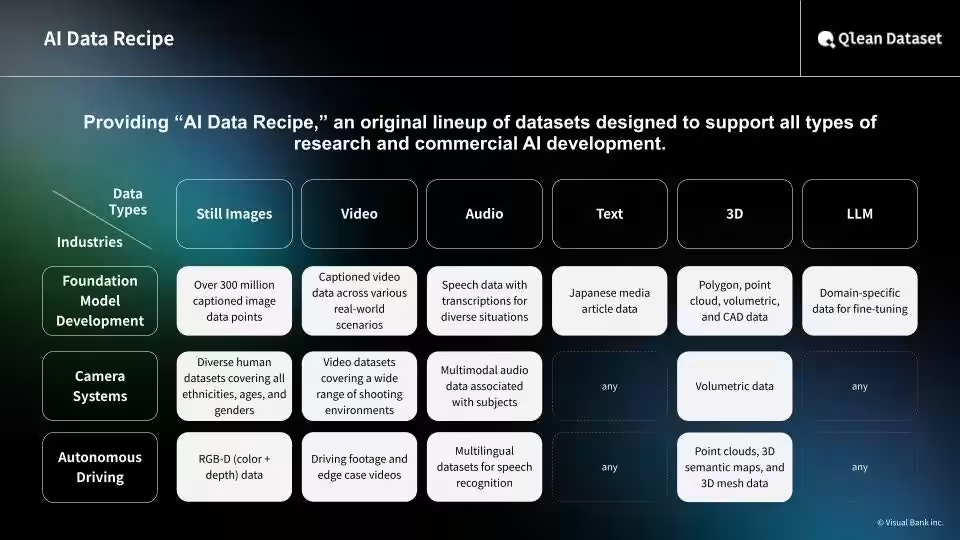
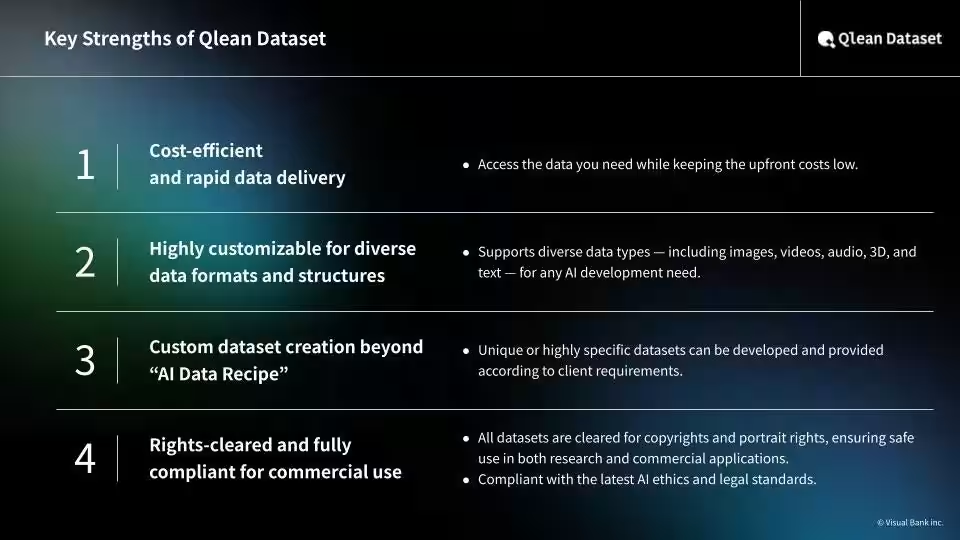
The Japanese Temple Image Dataset is part of Qlean Dataset, a comprehensive AI training data solution under the umbrella of amanaimages Inc. Qlean Dataset is designed to support a variety of media types, including images, videos, audio, and 3D models. Whether for research initiatives or commercial projects, the dataset ensures a legally secure environment for AI application, easing the burden of data collection and preparation.
Ongoing collaborations with key industry partners, such as Chiba Lotte Marines Co., Ltd. and Toyo Keizai Inc., further enhance the dataset's value, continuously expanding its lineup of specialized, industry-focused resources.
Conclusion
Visual Bank Inc. is committed to unlocking the potential of AI by providing high-quality training data tailored to the needs of developers. With the launch of the Japanese Temple Image Dataset, the company paves the way for more culturally informed AI applications while supporting the broader research community. The dataset exemplifies a powerful step toward bridging technological innovation with cultural heritage.
For more information about Qlean Dataset and additional resources, visit their official site at Qlean Dataset.

Topics Consumer Technology)
【About Using Articles】
You can freely use the title and article content by linking to the page where the article is posted.
※ Images cannot be used.
【About Links】
Links are free to use.