



Japan Tetra Pak Showcases Future of Resource Circulation at Osaka Expo
Japan Tetra Pak's Vision for the Future of Resource Circulation at Osaka Expo
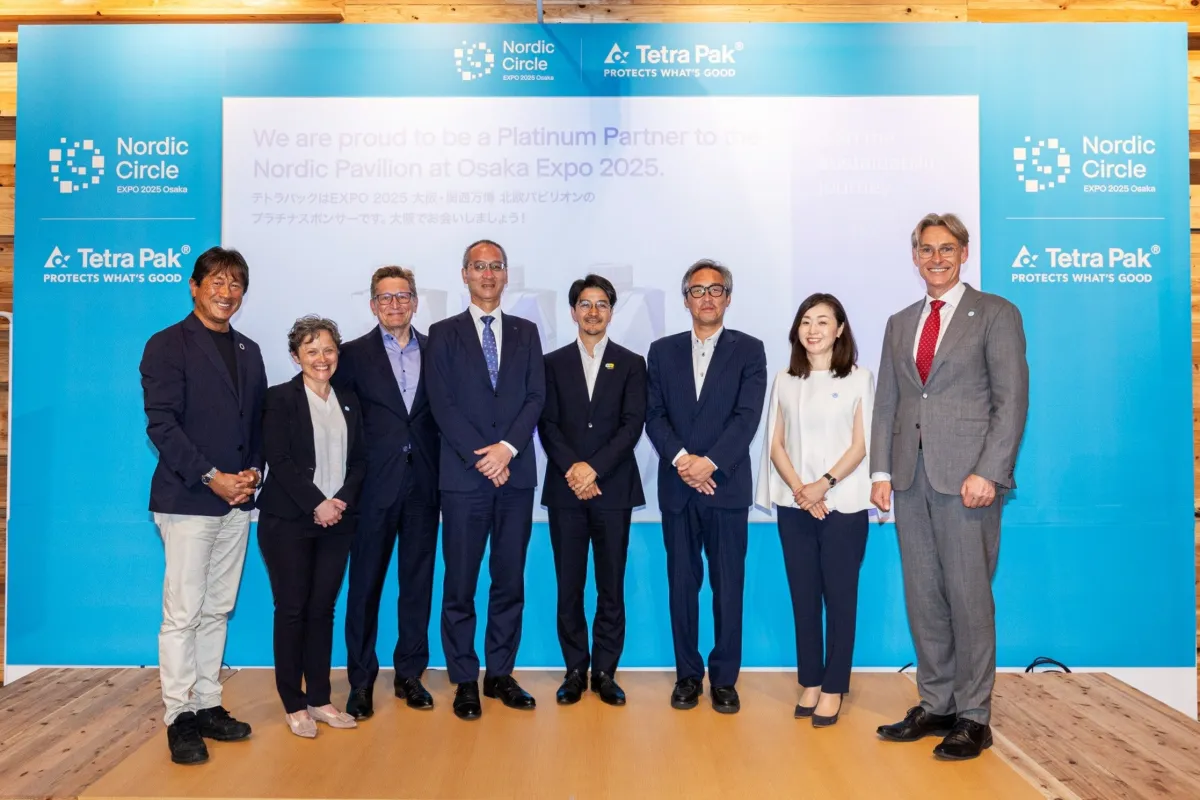
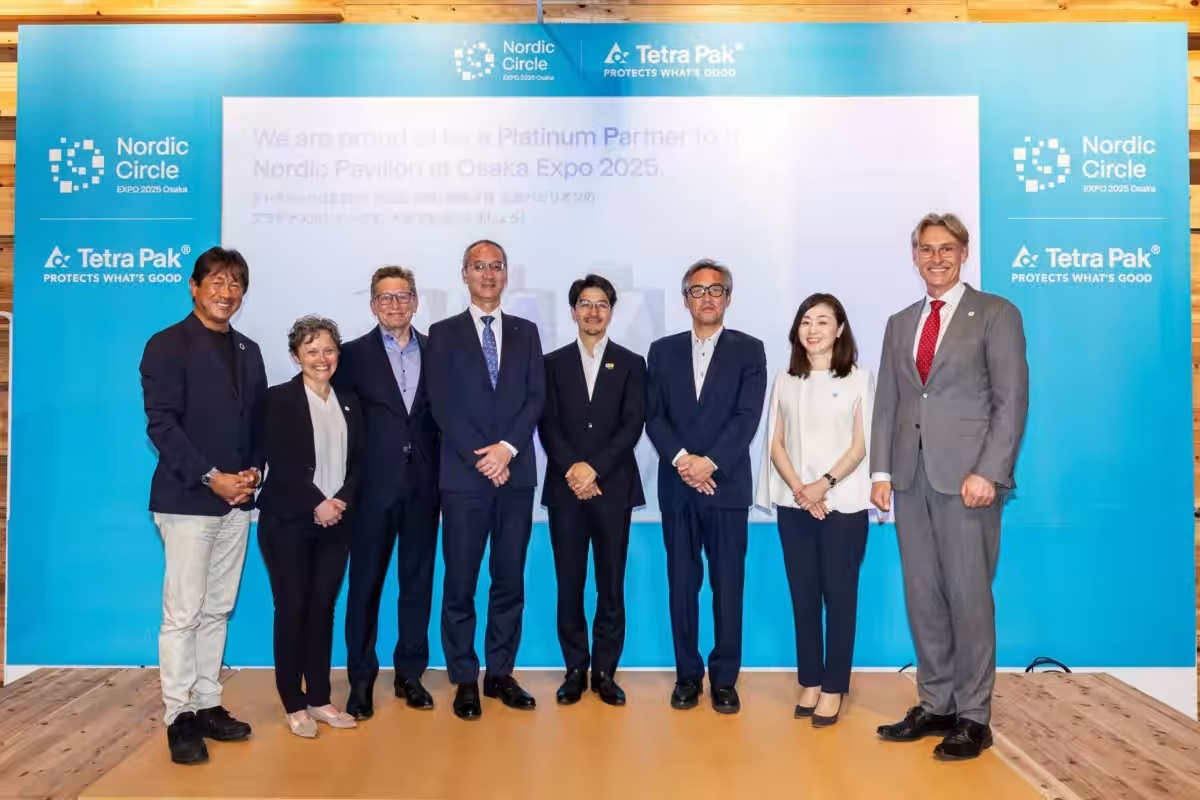
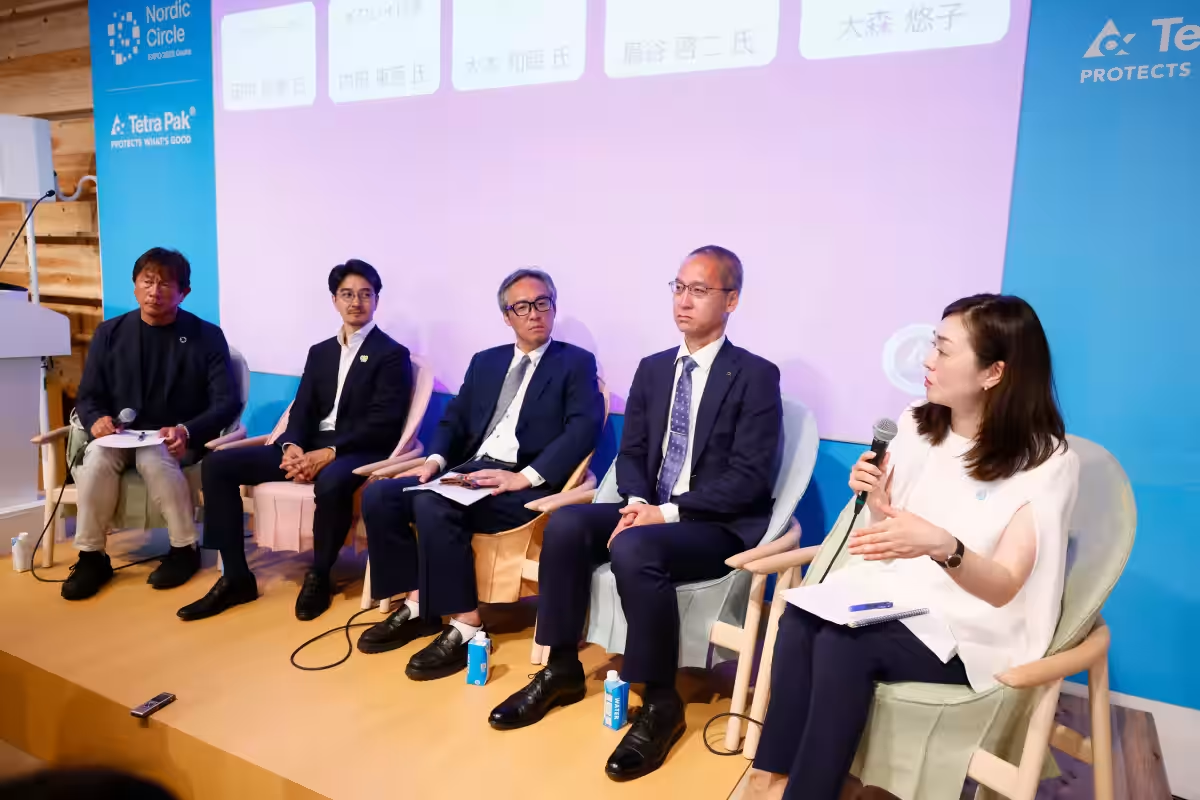
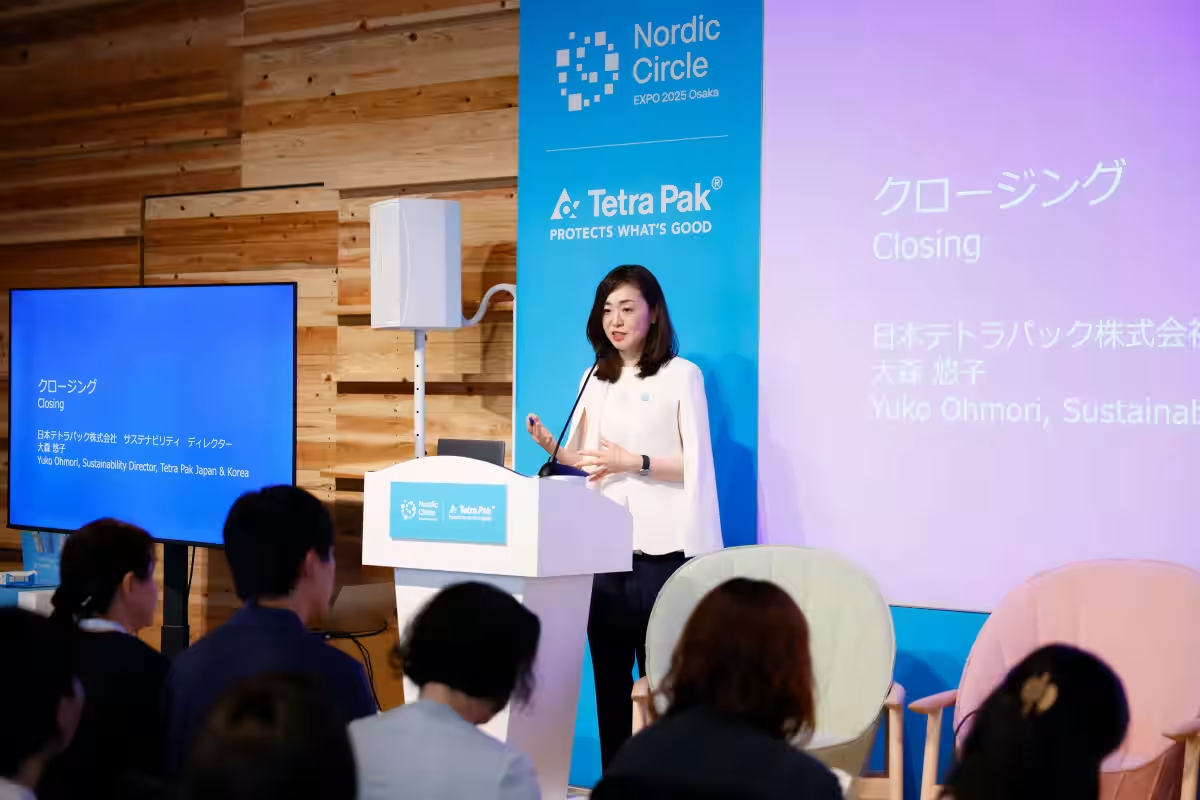
On June 17, 2025, Japan Tetra Pak Co., renowned for its food processing and packaging solutions, hosted a special event titled "The Future of Resource Circulation: New Values and Possibilities Through Co-creation" at the Nordic Pavilion of the Osaka Kansai Expo. The event brought together approximately 40 industry professionals engaged in the paper and resource circulation sectors.
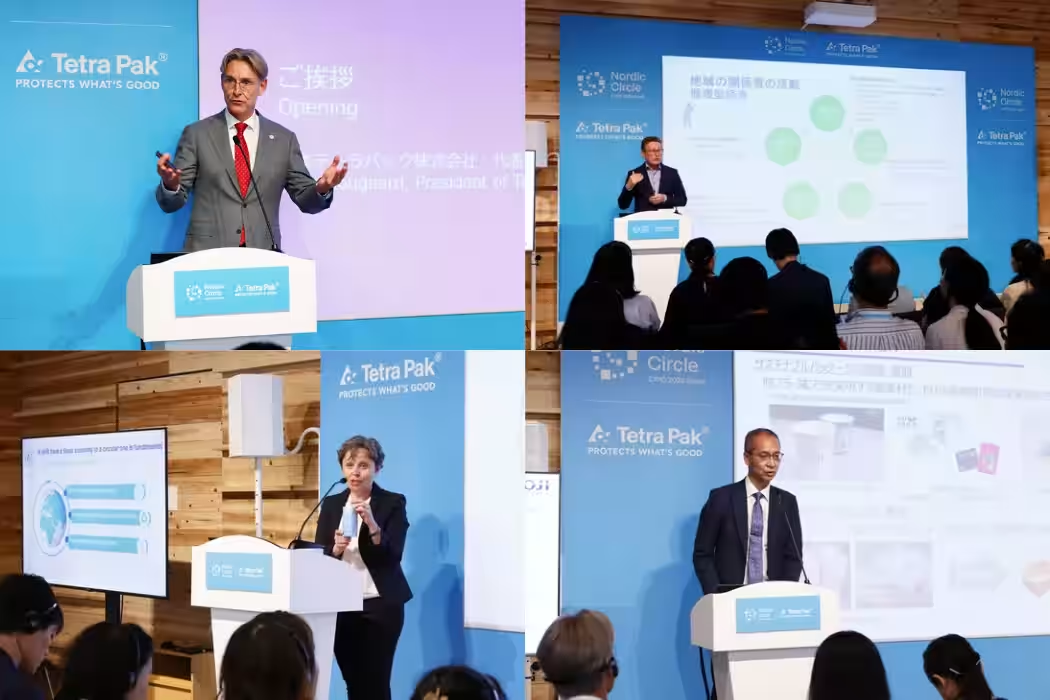
The event featured keynote speeches from prominent figures including Jori Ringman, Secretary General of the European Paper Industry Federation, Keiji Shimatani, Director of Recycling Promotion at Oji Holdings, and Kinga Szewc, Vice President of Sustainability at Tetra Pak. The discussions revolved around the sustainable advancement of paper recycling within a circular economy framework, focusing on collaborative solutions to the challenges facing the industry.
Opening Remarks: Exploring Collaboration Across Sectors
In his opening remarks, Nils Hoogho, President of Japan Tetra Pak, highlighted the necessity of promoting a circular economy as opposed to incineration, advocating for broad cooperation among industry, government, academia, and citizens. He emphasized the importance of leveraging European best practices and domestic prospects to explore co-creative possibilities for achieving carbon neutrality by 2050, as designated by the Japanese government.
Presenting Challenges and Collaborative Opportunities in Resource Circulation
The keynote session began with Jori Ringman's presentation, where he outlined successful initiatives in resource circulation across Europe, notably the activities of the industry coalition “4evergreen” and adherence to the EU Packaging and Packaging Waste Regulation (PPWR) aimed at achieving a 90% recycling rate for paper-based packaging by 2030. He argued that comprehensive collaboration from raw material producers to recycling operators is crucial for enhancing circularity, emphasizing that mutual concessions may sometimes be necessary to optimize the overall system.
Kinga Szewc focused on the food and beverage industry's significant contribution to greenhouse gas emissions, expected to rise by 70% by 2050. She advocated for transitioning to a circular economy in this sector, introducing concepts such as
Topics Other)
【About Using Articles】
You can freely use the title and article content by linking to the page where the article is posted.
※ Images cannot be used.
【About Links】
Links are free to use.