



Survey Reveals 15% of Restaurants Face Viable Operations Threat Due to Minimum Wage Adjustments by 2025
Recent Minimum Wage Survey: Restaurant Operations at Risk
In a recent survey conducted by Synchro Food, which operates the one-stop service platform for restaurants, "Inshokuten.com," it was revealed that nearly 15% of restaurant operators are worried about the sustainability of their businesses due to rising minimum wages expected by 2025. The survey aimed to gather insights from restaurant owners and operators on how these changes could impact their operations.
Overview of the Survey
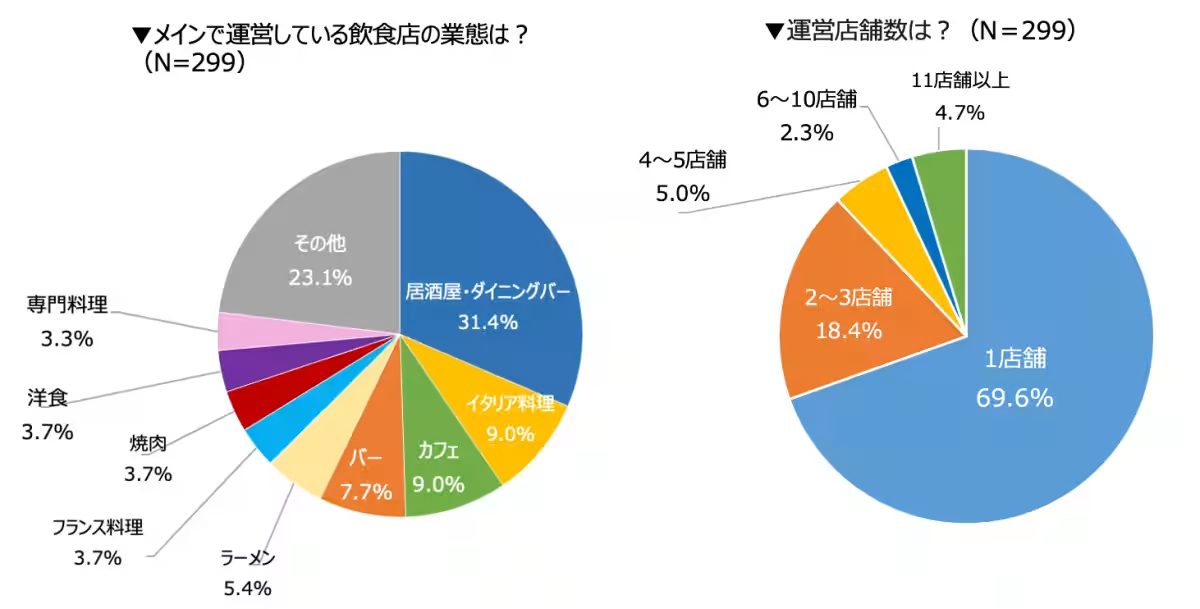
The survey was directed at members of Inshokuten.com and received responses from 299 participants. These participants included a diverse range of restaurant genres, with 69.6% managing a single outlet. Notably, 49.5% of the respondents were based in Tokyo, with the greater Tokyo area accounting for 66.6% of the total responses, indicating regional variances in experiences and expectations regarding minimum wage changes.
Key Findings of the Survey
Minimum Wage Increase Surprises
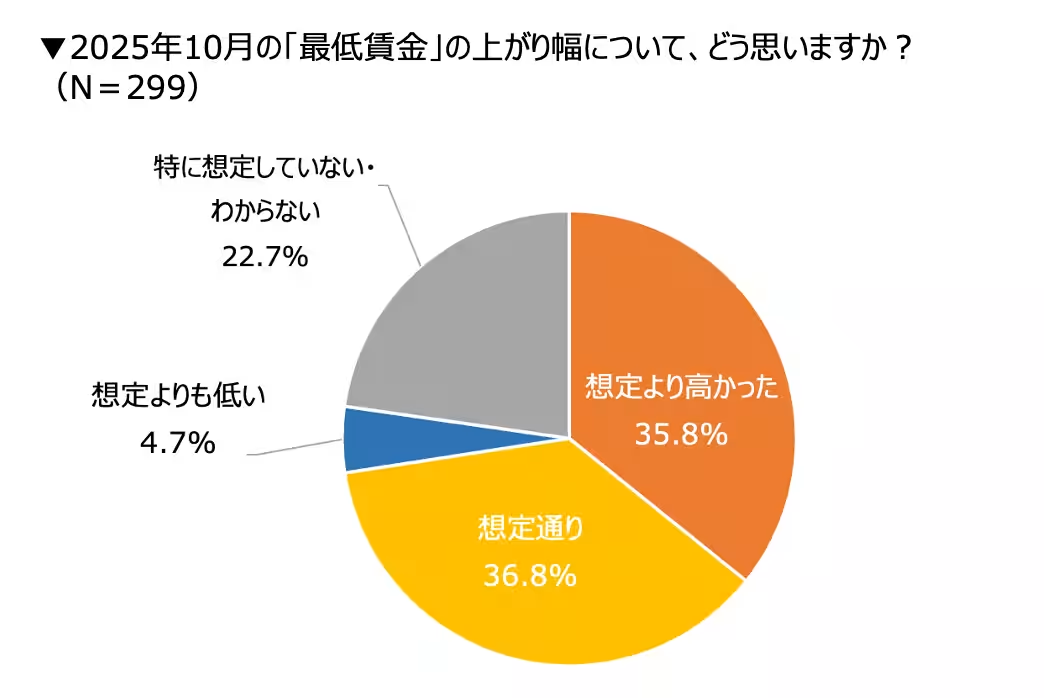
Approximately 36% of restaurant operators reported that the raised minimum wage for 2025 exceeded their initial expectations. Specifically, the nationwide average increase was pegged at an unprecedented ¥66. Given the uncertainty, the responses were diverse:
- - Higher than Expected: A café owner expressed surprise that the minimum wage surpassed ¥1200, indicating that prior industry trends had suggested milder increases.
- - As Expected: Others felt the increase was in line with expectations based on prior discussions with labor advisors and media reports.
- - Lower than Anticipated: A small fraction felt the increase wouldn't significantly change conditions, emphasizing the struggle for higher wages in the industry.
Impact on Restaurant Operations
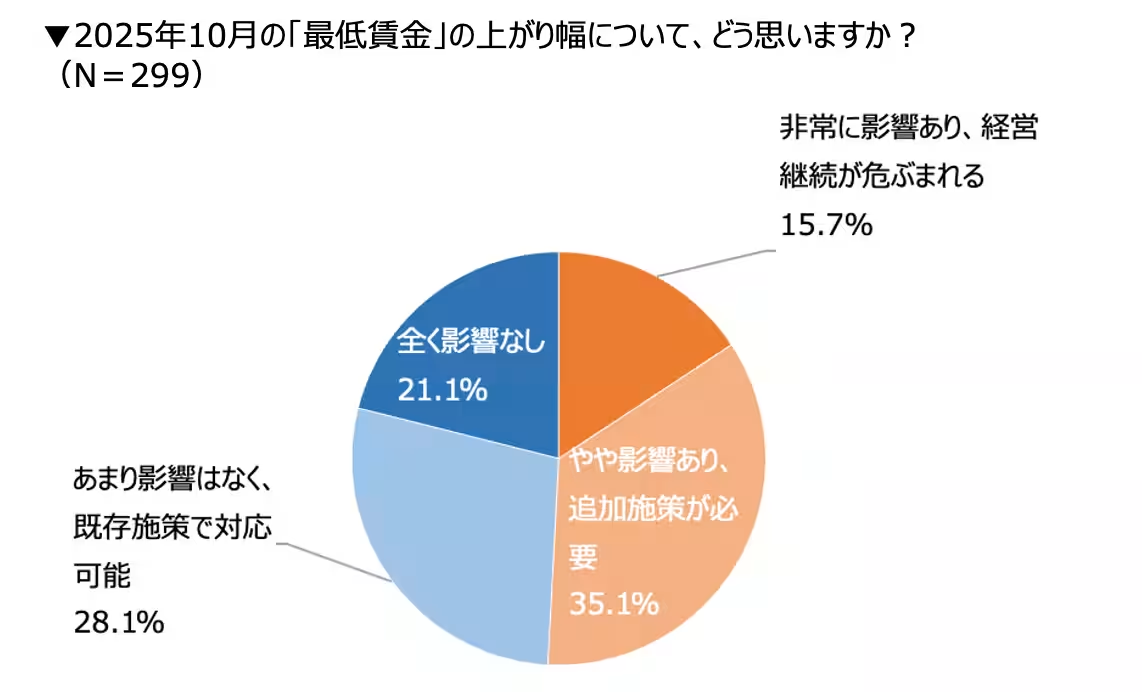
When asked about the implications of the minimum wage adjustments on their operational viability, 50.8% of respondents acknowledged potential impacts. Of these, 15.7% indicated that their business viability was at risk, while 35.1% anticipated adjustments would be necessary. Conversely, 49.2% responded that they would experience a minor impact or none at all. Common reasons cited included:
- - Severe Concerns: Concerns about cascading increases affecting overall labor costs were prevalent among operators who would need to raise wages further for experienced employees, thereby elevating labor costs.
- - Moderate Concerns: Some operators indicated they had anticipated part of the increase and could adjust their pricing or operational strategies accordingly. This reflects a nuanced understanding of the changes by some businesses.
- - Minimal Concerns: Those unaffected were typically operating above the minimum wage or functioning with minimal staffing, making them less vulnerable to these changes.
Time and Effort in Compliance
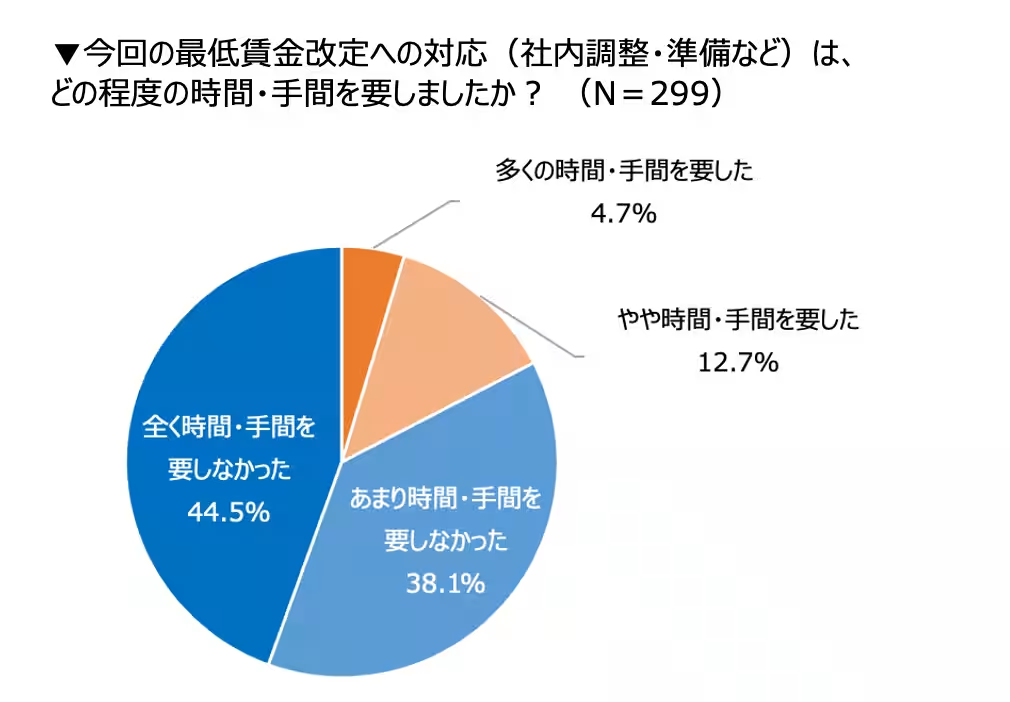
Interestingly, about 83% of respondents stated that the adjustments required minimal time and effort. While a minority faced challenges in recalibrating labor costs and adjusting pricing strategies, most found the process manageable. Typical adjustments involved internal re-structuring to accommodate new wage rates without significant disruption. Responses highlighted varying approaches to compliance based on business model and individual circumstances.
Future Projections
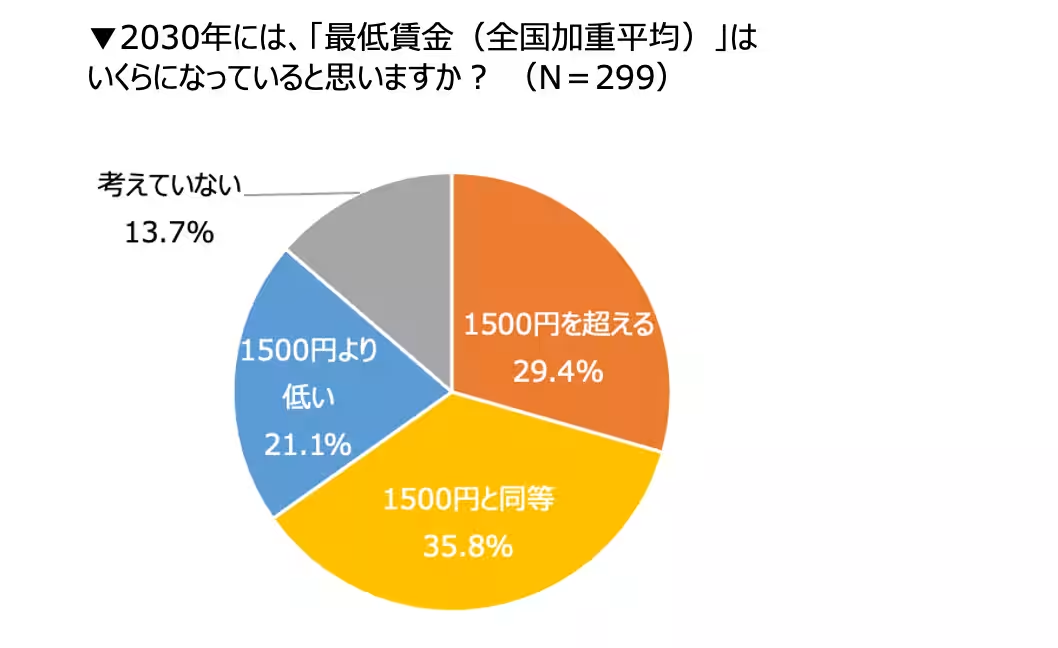
In terms of long-term expectations, nearly 65% of participants predicted that minimum wage would surpass ¥1500 by 2030. Main contributors to this projection included rising living costs and labor shortages, indicating a potential shift towards higher required salaries to maintain competitive employment standards.
Strategic Responses to Wage Increases
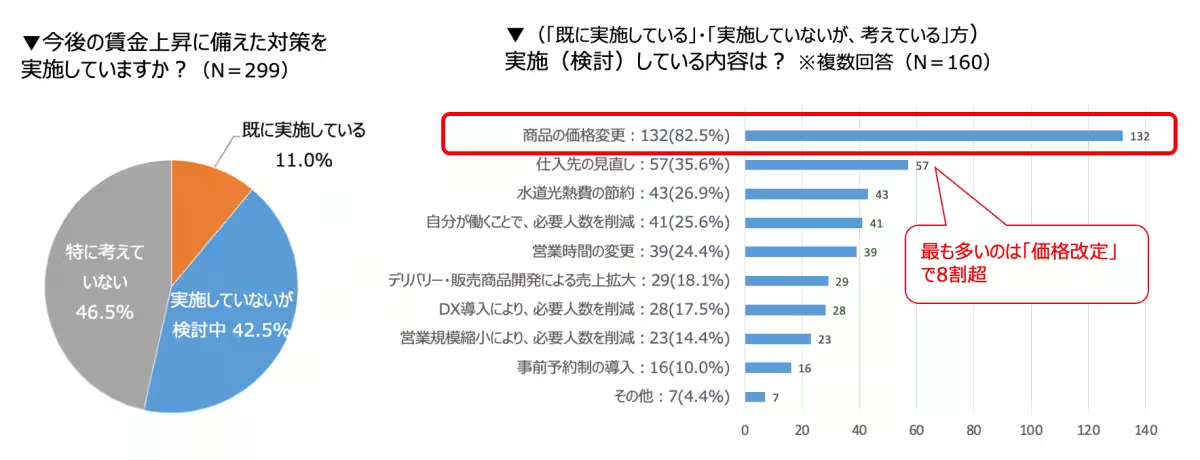
Finally, as restaurants brace for higher operational costs due to wage increases, the top strategy observed was raising menu prices (82.5%). Other responses encompassed reviewing supply chains and enhancing efficiency to mitigate the impacts of higher payroll. Some operators indicated they would personally take on more work to limit labor costs while considering adjustments to operating hours to address labor shortages.
Conclusion
This survey conducted by Synchro Food highlights the significant challenges facing the restaurant industry in light of upcoming wage increases. It illustrates a sector grappling with operational adjustments, strategic planning, and a complex interplay of market forces affecting sustainability and growth. For stakeholders in the food industry, this survey serves as a critical indicator of emerging trends and potential economic adaptations.
For further information and a complete report of the survey findings, please refer to Inshokuten’s official site or contact Synchro Food directly.
Topics Consumer Products & Retail)
【About Using Articles】
You can freely use the title and article content by linking to the page where the article is posted.
※ Images cannot be used.
【About Links】
Links are free to use.