



Discover the Role of Salt in Japanese Daily Life with New Video Release
The New Video: 1kg of Salt and Life in Japan
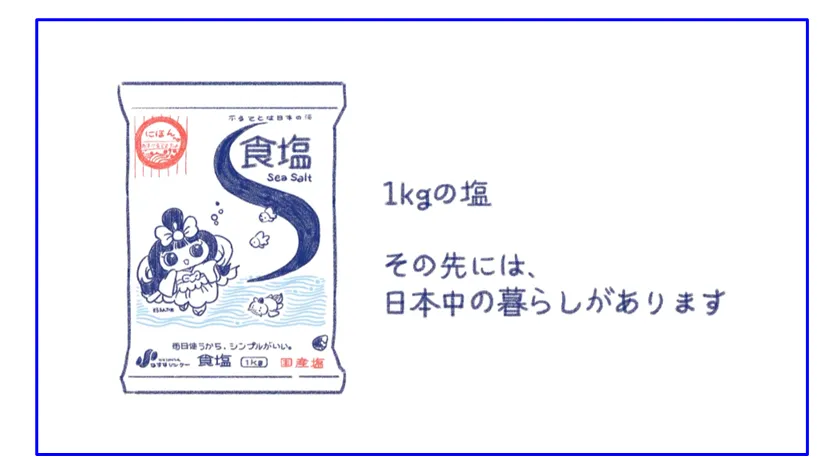
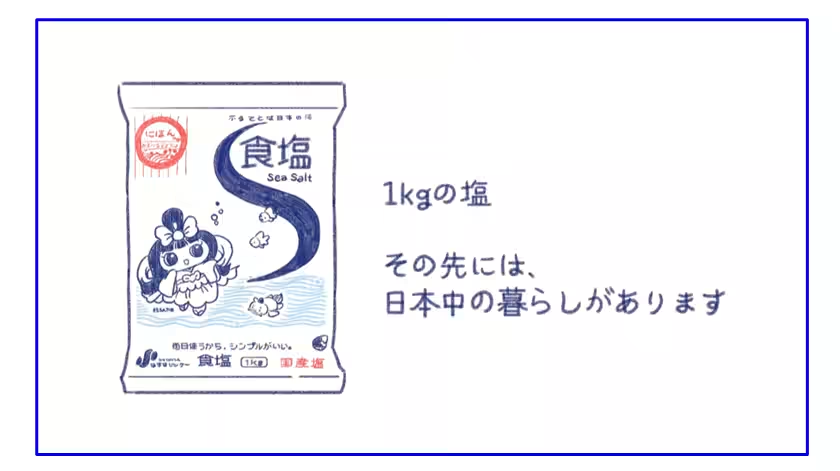
Recently, the Salt Industry Center, located in Shinagawa, Tokyo, unveiled an informative video titled "1kgの塩その先には、日本中の暮らしがあります" (Beyond 1kg of Salt, There’s Life Across Japan). This creative short video introduces the long-selling product, '1kg of Salt', which has been supporting Japan's kitchens since its launch in 1977.
A Heritage of Salt
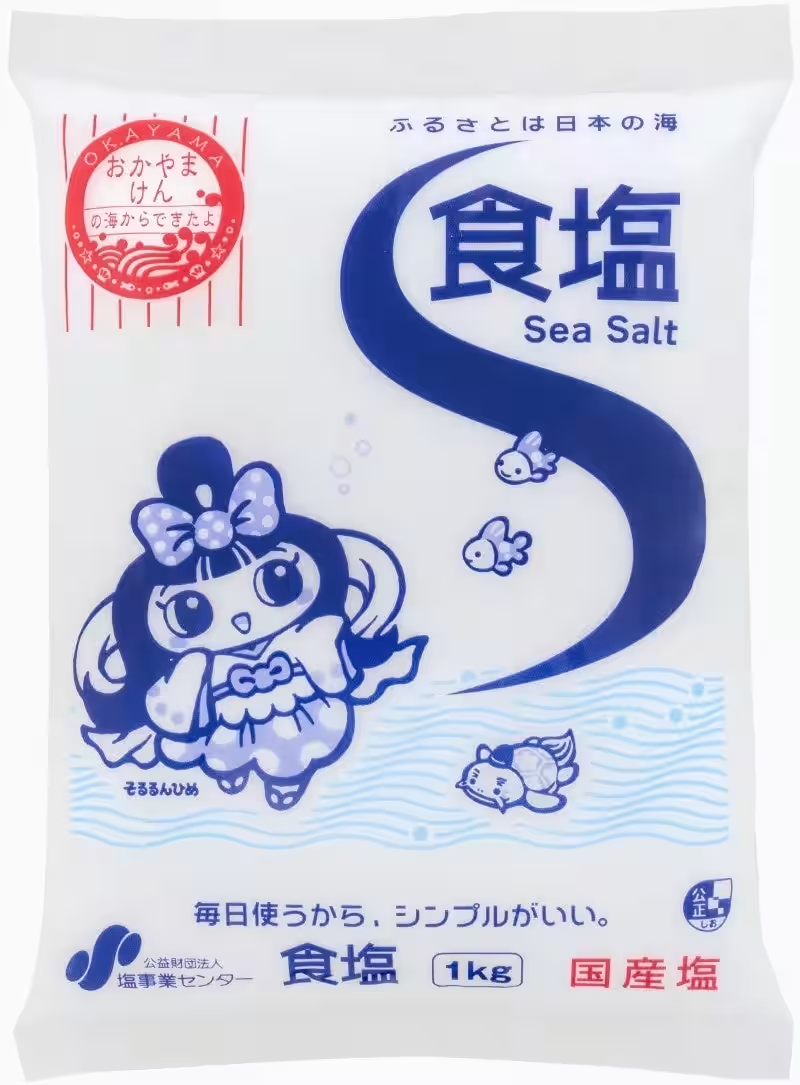
The '1kg Salt' product originated from Japanese seawater and has been a staple in households throughout the country. From its inception, it has played a crucial role in consistently supplying salt across various regions of Japan and is often stockpiled during emergencies, ensuring that families are prepared for unforeseen circumstances.
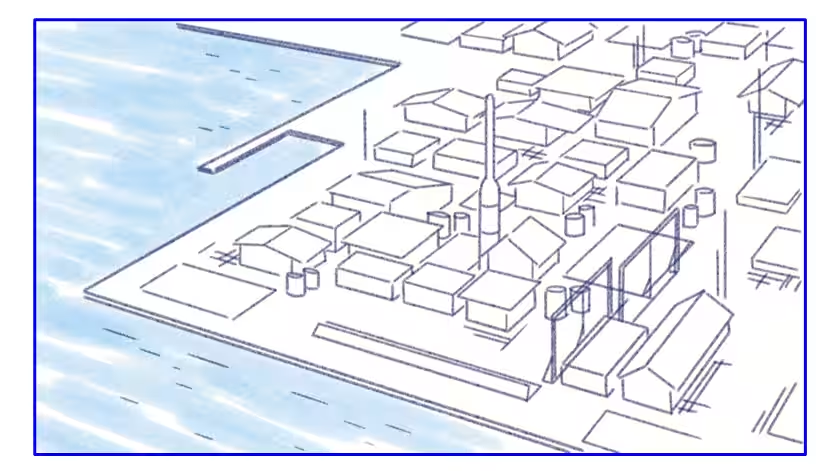
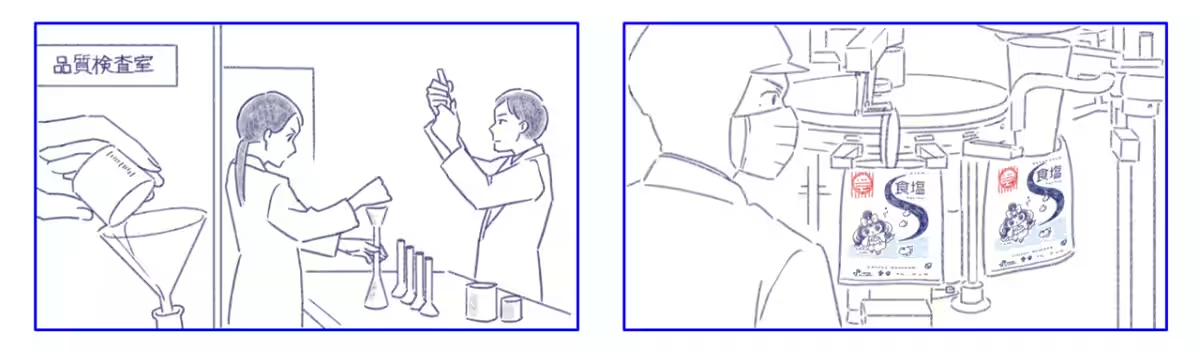
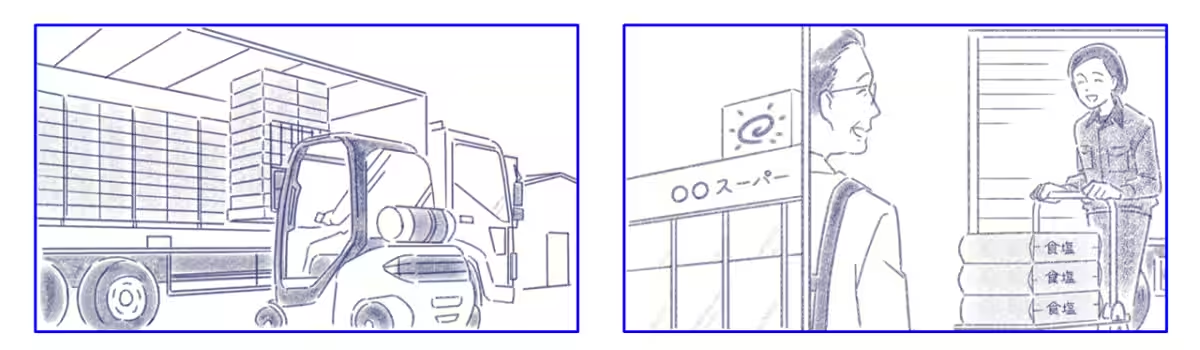
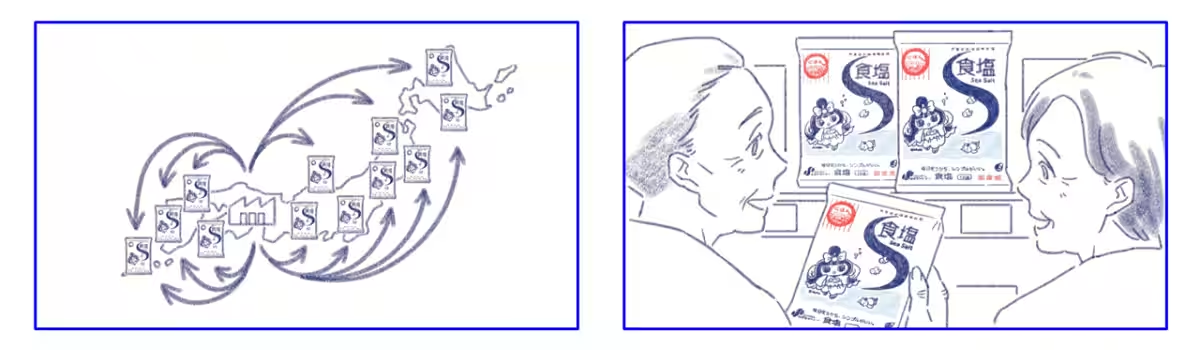
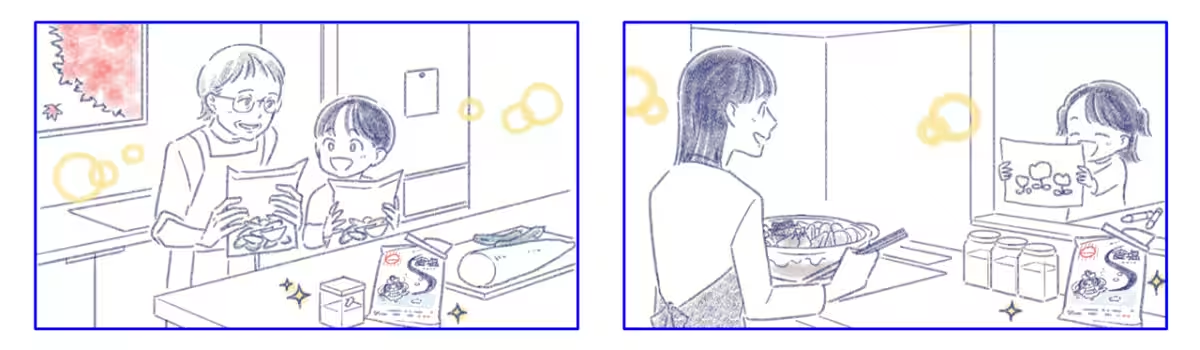
The Salt Industry Center sought to increase awareness about this important kitchen essential and the organization behind it, prompting the creation of this video that offers a glimpse into how salt is produced and used in our daily lives. The video is styled with hand-drawn pencil illustrations, which adds a nostalgic touch reminiscent of flipbook animations, making it engaging for viewers.
Content of the Video
The video highlights several key aspects:
- - Production Origins: The salt is made from Japanese seawater, ensuring quality through strict management.
- - Distribution: Thanks to the efforts of many individuals in the distribution chain, '1kg of Salt' reaches consumers effectively.
- - Culinary Uses: The video showcases various applications of salt in cooking and pickling, emphasizing its versatility in daily preparation.
Available on the Salt Industry Center's official YouTube channel, the video offers both a full version of about 90 seconds and a 30-second digest, providing accessible options for viewers.
Understanding '1kg Salt'
Since its initial launch by the Japan Monopoly Corporation, the '1kg Salt' has transitioned through various ownerships, from Japan Tobacco's salt division to its current management under the Salt Industry Center. Its popularity endures, highlighted by its recognizable character, Sōrurun Hime, introduced in 2013.
Notably, according to recent data, '1kg Salt' holds the number one market share in the 1kg packaging category of retail food products in Japan, demonstrating its status as a trusted household item.
Historical Context
The history of the '1kg Salt' and the broader salt series, which includes products like '5kg Salt' and '500g Salt', is well-documented on the Salt Industry Center’s website.
Product Details
- - Product Name: 1kg Salt
- - Ingredients: Sea Water (Japan)
- - Weight: 1kg
- - Manufacturing Methods: Ion membrane method, kettle processing, drying
- - Nutritional Information (per 100g): Energy: 0kcal, Protein: 0g, Fat: 0g, Carbohydrates: 0g, Salt Equivalent: 99.0g
- - Standard Price: 124 yen (excluding tax)
- - Launch Date: February 1977
- - Features: Made from domestic Japanese seawater, widely used for cooking preparation, seasoning, and pickling.
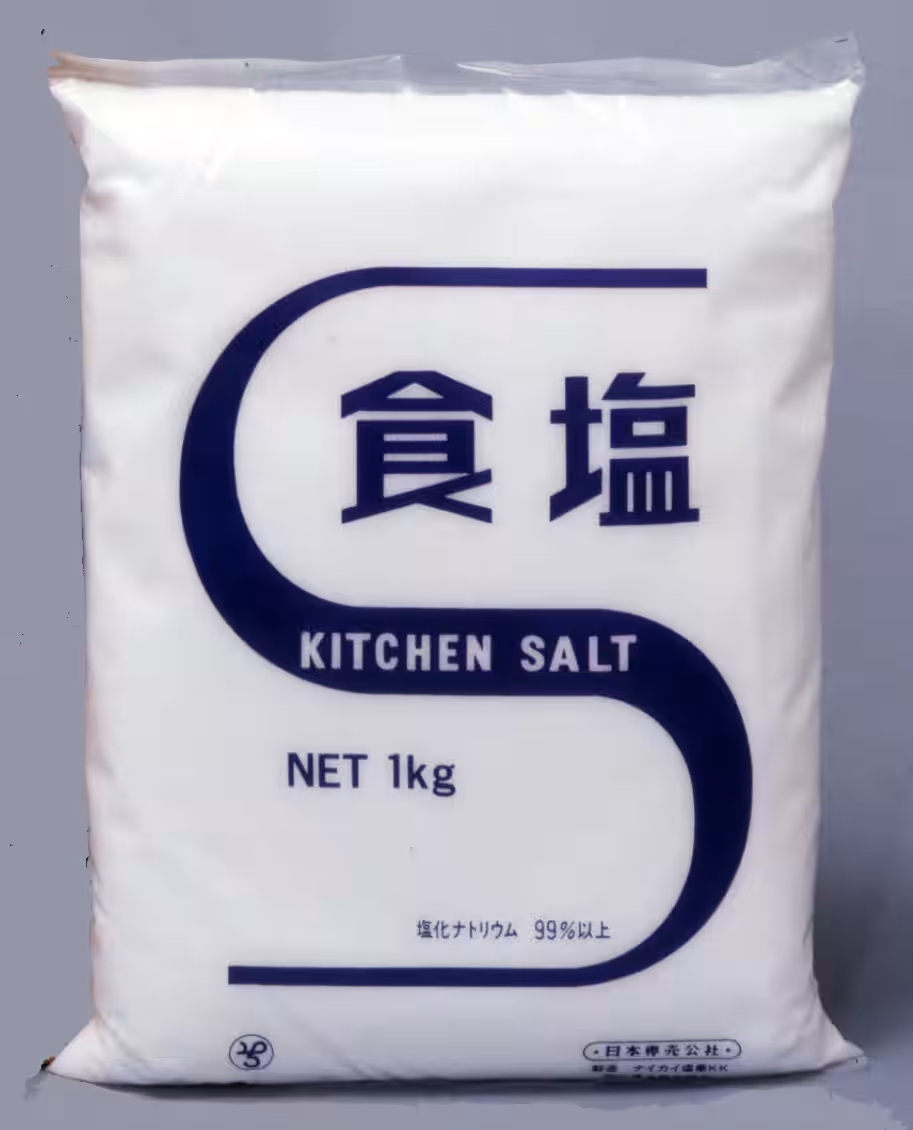
The product packaging has evolved over the years, and the latest design continues to represent its heritage while appealing to modern consumers.
For more information on the product, visit the official page of the Salt Industry Center.
About the Salt Industry Center
Located at 1-47-1 Ooi, Shinagawa, Tokyo, the Salt Industry Center was established on July 1, 1996. They engage in research and supply of culinary salt, playing a vital role in supporting the salt needs of daily life.
For inquiries, they can be reached at:
- - Phone: 03-5743-7711
- - Fax: 03-5743-7775
Explore their official website and follow them on social media for updates on products and initiatives:
Experience the journey of salt from the sea to your table and understand its significance in Japanese culture through this engaging new video.
Topics Consumer Products & Retail)
【About Using Articles】
You can freely use the title and article content by linking to the page where the article is posted.
※ Images cannot be used.
【About Links】
Links are free to use.