



Research Report on Japan's Prefabricated Construction Market Set for 2026 Release
Unveiling the Future of Japan's Prefabricated Construction Market
In a timely move, Marketing & Associates, based in Chiyoda, Tokyo, is gearing up to launch its extensive report titled "Prefabricated Construction Market 2026" on April 13, 2026. This study offers a detailed analysis of the current landscape and future outlook of Japan's prefabricated construction market, covering the period from 2021 to 2026. With methodologies based on interviews and publicly available data, this document is set to provide indispensable insights.
The Essence of Prefabricated Construction
Prefabricated construction refers to a building method that standardizes various components like steel structures, roofs, walls, and fittings. By streamlining the design, manufacturing, and construction processes, this approach aims to achieve reduced construction periods, cost efficiency, and consistent quality—elements that are becoming increasingly vital in the current construction market.
Evolving Investment Landscape
As the investment environment surrounding construction, logistics, and manufacturing transforms, the requirements for buildings—like factories, logistics facilities, hazardous material warehouses, and cold storage—are expanding. Stakeholders now face multiple challenges, including not only construction costs but also time to operational readiness, compliance with regulations, temperature control, business continuity planning (BCP), and decarbonization efforts. Given this backdrop, prefabricated construction is gaining traction beyond just a building method. It has emerged as a critical factor in supporting rapid business launch and stable operations.
Market Size and Forecast
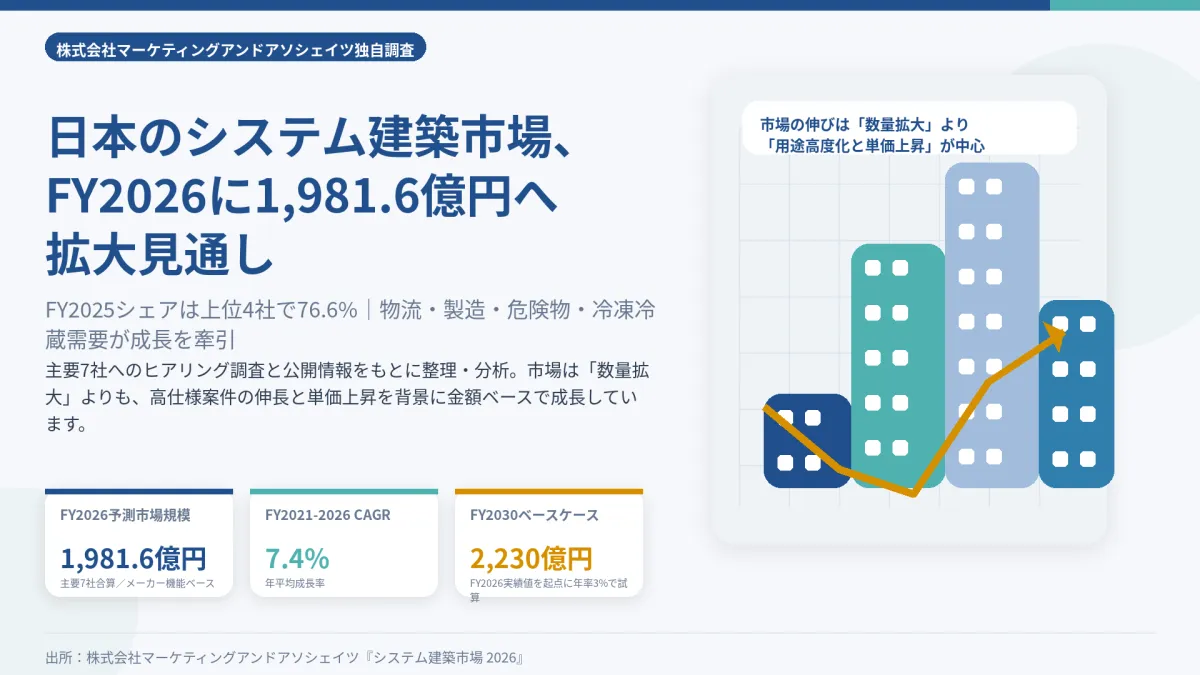
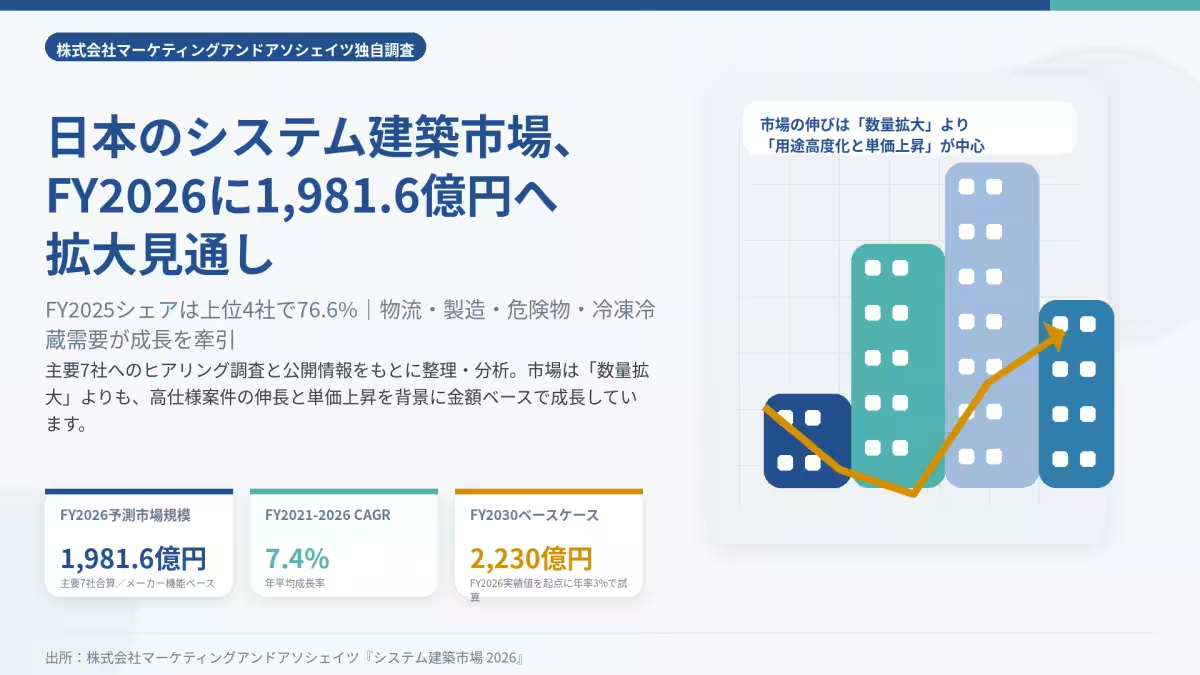
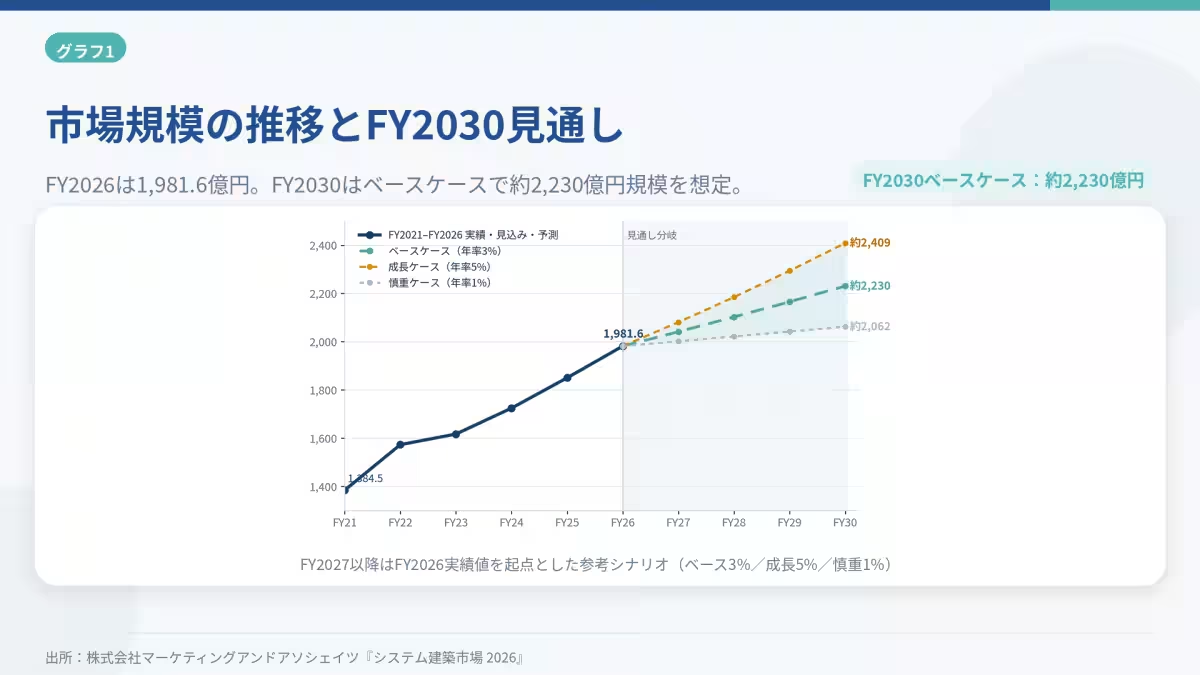
The upcoming research quantitatively organizes the Japanese prefabricated construction market based on manufacturer capabilities, excluding costs tied to basic structures, external works, and equipment. The forecast suggests a market expansion from 138.45 billion yen in fiscal year 2021 to 198.16 billion yen by fiscal year 2026, marking a compound annual growth rate (CAGR) of 7.4% during the period. This growth is fueled not just by an increase in the number of new constructions, but also by logistics reorganizations, rising manufacturing investments, and a surge in high-specification projects, such as warehouses for hazardous materials and cold storage. Additionally, rising material and labor costs contribute to an upward trend in unit pricing.
Major Players in the Market
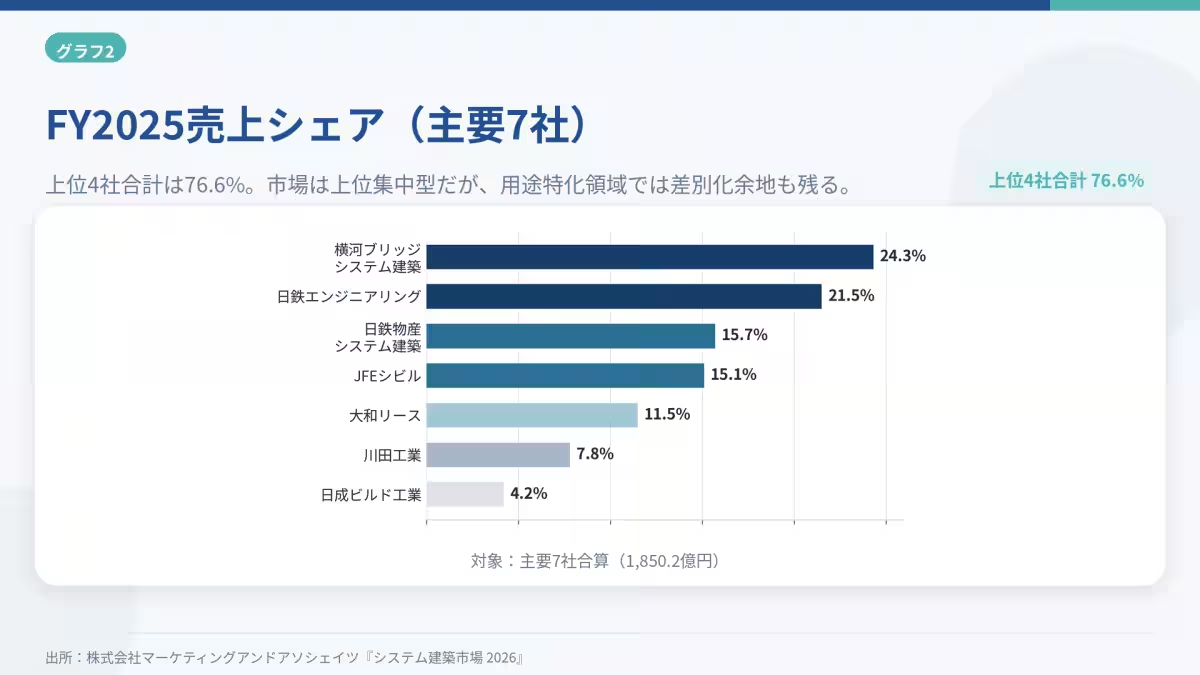
By fiscal year 2025, the market share of leading companies reveals a highly concentrated sector. Yokogawa Bridge, for instance, commands a significant 24.3% of the market, followed by Nippon Steel Engineering at 21.5% and Nippon Steel Trading at 15.7%. These top four entities collectively hold 76.6% of the market. Despite the dominance of these key players, areas such as hazardous material management, cold storage, and multi-layer logistics still present opportunities for competition, particularly in proposal capability and regulatory compliance.
Factors Driving Demand
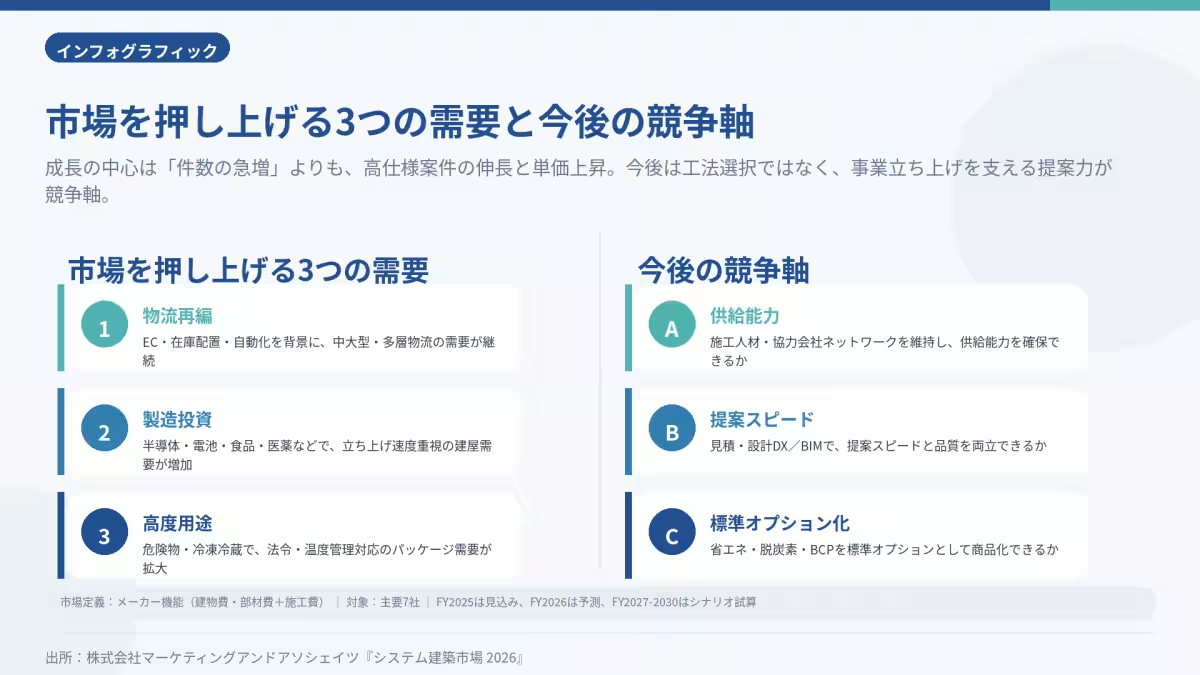
This robust demand for prefabricated construction in Japan can be attributed to three key trends:
1. E-commerce Expansion and Logistics Restructuring: Companies increasingly invest in automation and reevaluating inventory placement needs, which drives demand for mid to large logistics facilities.
2. Manufacturing Investment: Sectors including semiconductors, batteries, food, and pharmaceuticals are witnessing accelerated investment, where the speed up to operational readiness significantly impacts business plans.
3. High-Specification Applications: The demand for buildings addressing hazardous materials and cold storage requires construction proposals that meet complex regulations and temperature controls.
Looking Ahead
The projections indicate that by fiscal year 2030, the market could reach approximately 223.0 billion yen. As prefabricated construction evolves, the emphasis will shift from merely selecting a construction method to provideing comprehensive solutions for shortening project timelines. Factors such as ensuring supplier capabilities, enhancing proposal speed through digital transformations like DX and BIM, and standardizing energy-saving and decarbonization options will emerge as competitive axes among key players.
Summary and Accessibility
The accompanying media summary encapsulates pivotal insights such as the market shares of major players, projected growth up to FY2026, and underlying demand drivers, tailored for stakeholders in the construction, real estate, logistics, and manufacturing sectors. Media personnel keen on gaining a macro view of the prefabricated construction market are encouraged to visit the release page, where they can access both the summary and the detailed report for further examination.
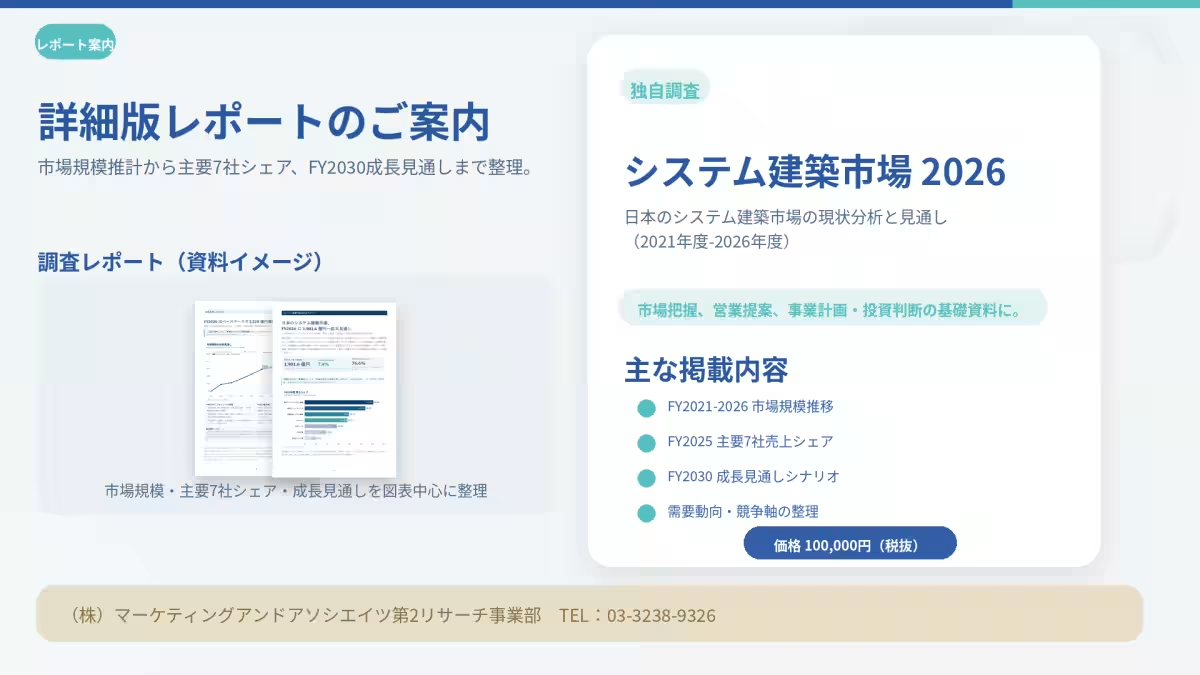
The detailed report—"Prefabricated Construction Market 2026"—is available for purchase at a base price of 100,000 yen (excluding tax) for those seeking in-depth market size estimates and analyses of major industry players. For more information, please reach out to:
Company Overview
- - Name: Marketing & Associates
- - Location: 9th Floor, Kudan North 325 Building, 3-2-5 Kudan-Kita, Chiyoda, Tokyo
For inquiries, contact Mr. Tateishi at 03-3238-9326.
Since its foundation in 1975, Marketing & Associates has established itself as a reputable market research firm, committed to thoughtful and passionate engagements in various research activities, including quantitative and qualitative studies.

Topics Other)
【About Using Articles】
You can freely use the title and article content by linking to the page where the article is posted.
※ Images cannot be used.
【About Links】
Links are free to use.