




Fractal Workout Launches Program to Visualize and Improve Presenteeism in the Workplace
Fractal Workout Launches Program to Combat Presenteeism
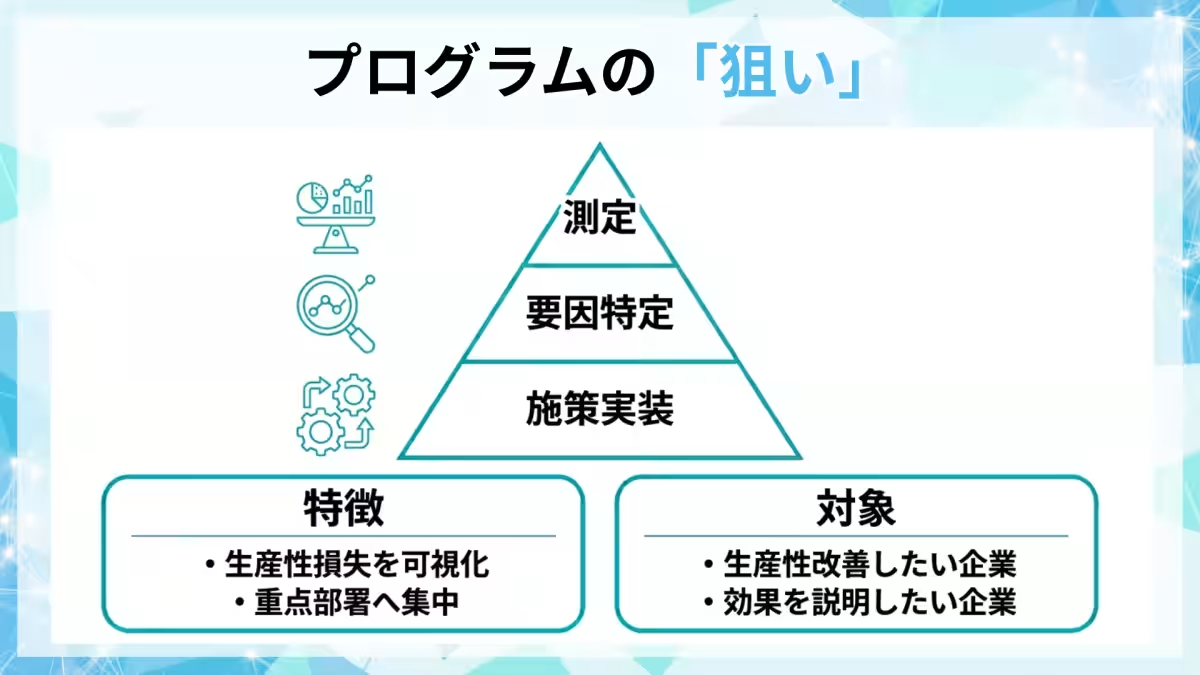
In a world where workplace efficiency is key to success, Fractal Workout Inc., based in Shibuya, Tokyo, has recently unveiled a groundbreaking program targeting the issue of presenteeism. This phenomenon, where employees attend work but are not fully productive due to health issues or general malaise, can significantly impact a company's performance and economic health. The new initiative encompasses everything from measurement to cause identification, implementation of targeted solutions, and finally, the verification of effectiveness.
Understanding Presenteeism
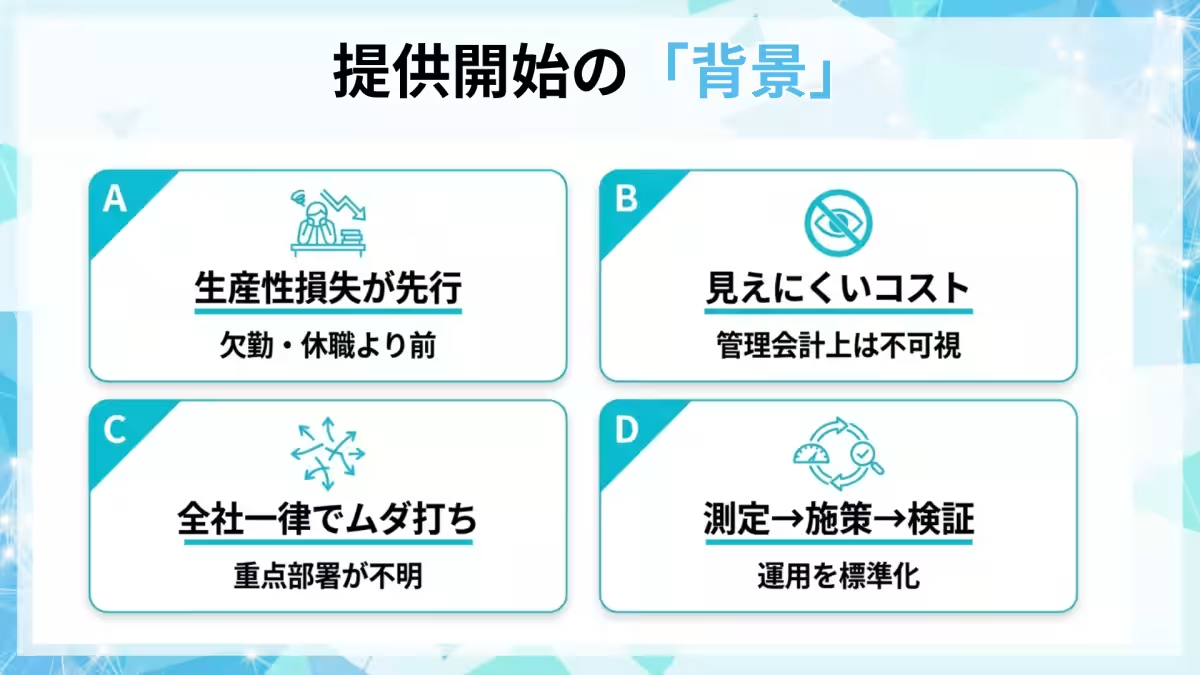
Presenteeism is often overlooked compared to absenteeism, even though it can lead to considerable losses in productivity. When employees work while not fully functional, their reduced output becomes a hidden cost for companies, making it hard to quantify or manage. Fractal Workout's program aims to illuminate this issue, providing organizations with the necessary tools to visualize and address productivity declines before they escalate into more severe problems like absenteeism or prolonged sick leave.
The Comprehensive Support Program
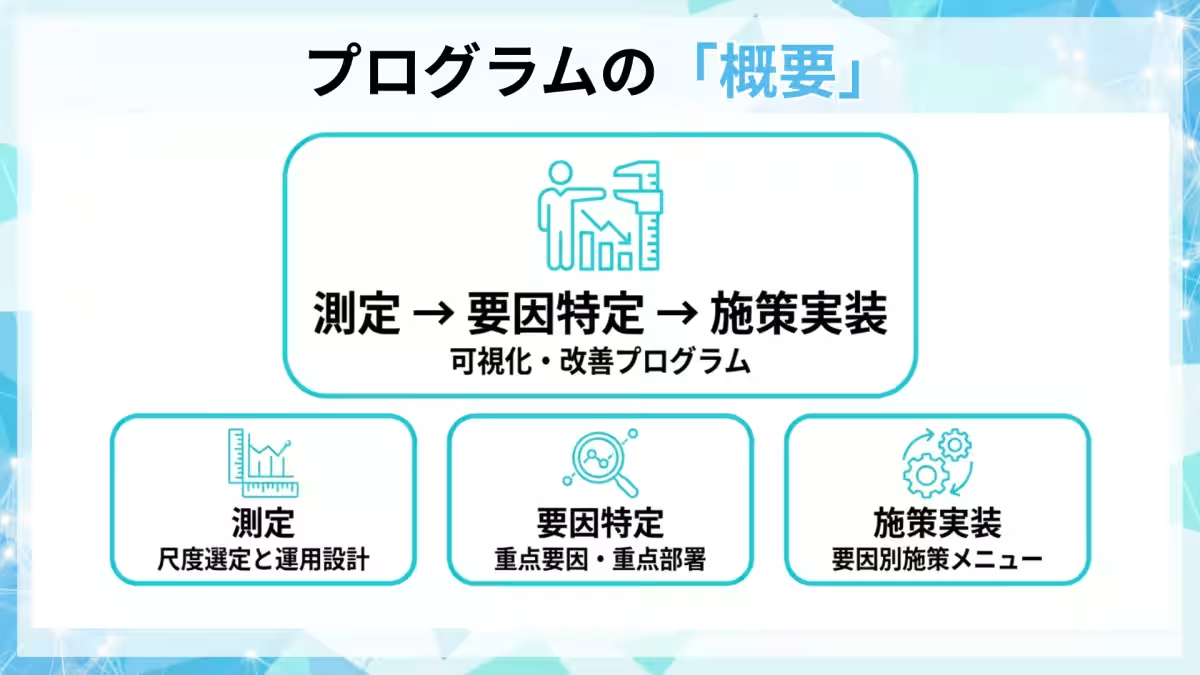
The newly launched program focuses on creating a standardized approach to manage presenteeism through the following steps:
1. Measurement: Customized metrics are developed to assess productivity levels, based on each organization’s specific goals such as improving productivity, reducing turnover, and measuring the return on health initiatives.
- The program designs measurement frameworks that allow for easy tracking over time. By aggregating data anonymously within the organization, it prioritizes insights without compromising individual privacy.
2. Cause Identification: Using data collected, organizations can identify key factors leading to presenteeism. This includes assessing differences in scores across departments and time frames, as well as understanding issues related to sleep, fatigue, physical discomfort, mental stress, and work-life balance.
- Instead of relying on a single metric, the program offers a composite view to establish prioritization based on multiple factors, enabling focused interventions on critical areas.
3. Implementation of Solutions: Following the identification of key issues, tailored interventions are designed that may include training programs, operational improvements, workplace adjustments, and wellness strategies.
- Rather than a one-off implementation, the program tracks participation rates and adjusts operations to ensure sustained engagement with these measures, enhancing the likelihood of success.
4. Verification of Effectiveness: The program lays out clear metrics for evaluating improvement, helping organizations see their progress through changes in productivity scores and other key indicators.
- This ongoing assessment creates an environment where businesses can pivot strategies as necessary based on data-driven results. Metrics such as loss hours and self-evaluation scores are organized to provide a comprehensive view of how interventions are impacting productivity.
Expected Business Impact
The implications of this program are significant for organizations adopting it:
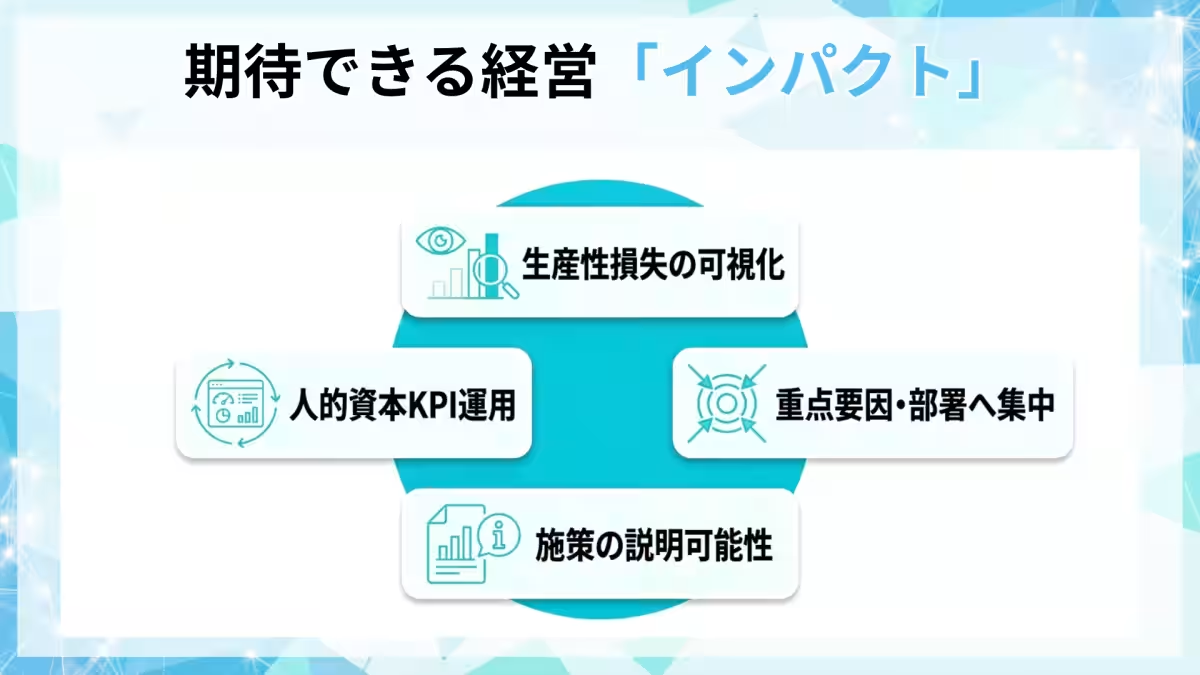
- - Visualization of Hidden Productivity Losses: By presenting data on lost hours and self-assessment trends, executives gain a better understanding of potential improvement areas.
- - Focused Investment in Key Factors: Instead of blanket solutions across the organization, efforts can be concentrated on high-impact areas, dramatically reducing unnecessary expenditures.
- - Increased Accountability for Solutions: With a structured reporting format, executives will be able to clearly articulate what interventions have been effective and where improvements have been seen, thus fostering a culture of accountability.
- - Integration with Human Capital KPIs: This program positions presenteeism as an essential metric for ongoing monitoring and improvement discussions regarding human capital management.
Implementation Steps
Launching the program involves several straightforward steps:
1. Current State Assessment: Assess the current situation concerning objectives, areas of focus, existing measures, and operational frameworks.
2. Designing Measurement Frameworks: Finalize metrics and frequency of operation to ensure comprehensive tracking.
3. Initiating Visualization: Commence the visualization stage by understanding department-specific trends.
4. Identifying Key Issues: Determine priority factors and departments needing immediate attention.
5. Designing and Implementing Solutions: Tailor interventions to fit identified issues, ensuring close monitoring of participation and effectiveness.
6. Evaluating Results: Analyze metrics post-implementation to assess improvement and recalibrate strategies as necessary.
Conclusion
Fractal Workout’s program represents a significant advancement in how organizations can confront presenteeism—a largely invisible but detrimental issue. By combining measurement, analysis, and targeted interventions, businesses can create a more productive environment while simultaneously enhancing employee well-being. Companies interested in exploring this comprehensive program are invited to connect with Fractal Workout for consultation and partnership opportunities slated towards fostering healthier workplace dynamics.



Topics Health)









【About Using Articles】
You can freely use the title and article content by linking to the page where the article is posted.
※ Images cannot be used.
【About Links】
Links are free to use.