



Climate Storytelling: Nature's Healing Power Relies on Our Commitment
Climate Storytelling: Nature's Healing Power Relies on Our Commitment
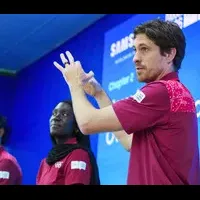
On November 12, 2026, the picturesque city of Antalya, Türkiye, became a hub for creativity and environmental advocacy as SmallRig hosted the Global Climate Film and Television Creators Exchange. This event fostered collaboration among filmmakers, photographers, and visual storytellers under the engaging theme, "THE WORLD WE SHOOT CLIMATE STORIES."
Among the highlights was a captivating presentation by Darryl MacDonald, an accomplished Canadian wildlife videographer. With over a decade of experience documenting fragile ecosystems, his insights resonated deeply with audiences. MacDonald shared compelling narratives from his work in remote habitats, particularly in South Georgia and Oman, which illustrated nature's incredible resilience when provided with the necessary patience and conservation efforts from humanity.
One poignant example that MacDonald emphasized was South Georgia, a location previously known as a major whaling center in the twentieth century. Once, 175,000 whales were processed at this site, but today it tells a different story. MacDonald, returning years later, witnessed a remarkable resurgence of wildlife, including penguins, seals, and whales, reclaiming spaces once devastated by human exploitation. This powerful narrative serves as a testament to nature's ability to recover when provided with time and care.
In discussing his documentary project, Wild Oman, MacDonald exposed the power of sincere storytelling, which does not necessarily rely on big budgets or high-end technology. Collaborating with a small crew and utilizing local knowledge, MacDonald’s team made groundbreaking discoveries of one of the largest aggregations of whale sharks in the world, rare behaviors of green turtles, and the critically endangered Arabian humpback whale. His experience demonstrated that engaging with local communities and respecting the ecosystems yield impactful stories that resonate with larger audiences.
The commitment to ethical filmmaking was another crucial aspect raised by MacDonald. When documenting wildlife and fragile ecosystems, he stressed the importance of ensuring that the filmmakers do not disturb or disrupt the natural environments they aim to protect. This ethical responsibility is essential in any visual storytelling endeavor, and it also aligns with the overarching mission of conservation.
In the current age of digital storytelling, MacDonald highlighted how creators now have ample opportunities to share their narratives and amplify essential environmental issues. He urged filmmakers and visual storytellers to collaborate, utilize online platforms for engagement, and seek untold stories that connect humanity back to nature. Emphasizing that this collaborative ecosystem can lead to broader public awareness, he implored creators to serve as catalysts for conservation through their work.
MacDonald’s words were a clarion call for all creators: “When we view ourselves as partners in the effort of environmental preservation, the impact of our work transcends the camera frame.” By using their storytelling skills effectively, visual creators can bridge the gap between people and nature, fostering a more profound appreciation for the delicate balance of our planet's ecosystems.
In conclusion, the Global Climate Film and Television Creators Exchange not only showcased incredible creativity but also served as a reminder of our crucial role in protecting the environment. With stories like those shared by MacDonald, we can inspire collective action towards a sustainable future. It's a compelling call to care for our world—one that filmmakers and audiences alike must heed.
Topics Entertainment & Media)




【About Using Articles】
You can freely use the title and article content by linking to the page where the article is posted.
※ Images cannot be used.
【About Links】
Links are free to use.