



Challenges Faced by Companies in Adapting to New Lease Accounting Standards
Adapting to New Lease Accounting Standards: Key Challenges Identified
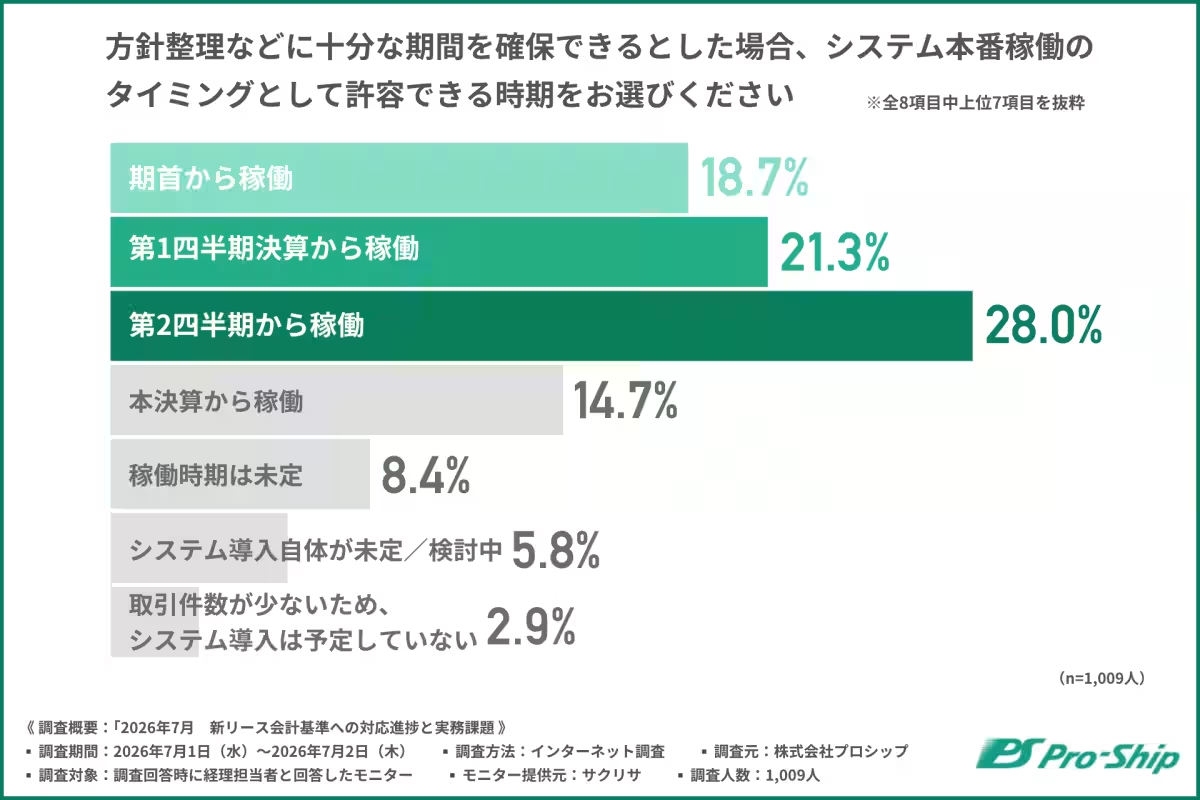
As the deadline for the implementation of the new lease accounting standards approaches in July 2026, many companies are struggling with the initial preparation phases, particularly regarding policy organization. A recent survey by Proship Inc., a Tokyo-based company specializing in asset management solutions, reveals that only 18.7% of firms plan to commence operations at the start of the fiscal year, indicating a widespread struggle with preparedness.
Understanding the Survey
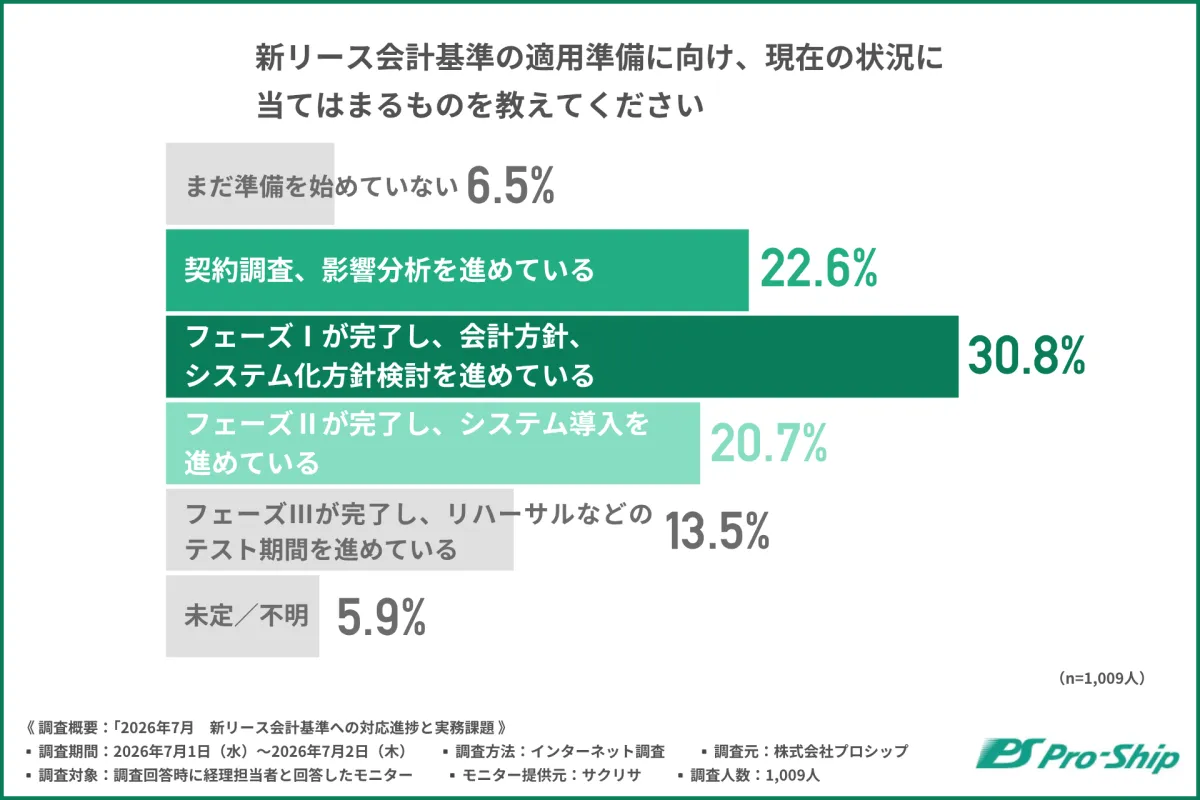
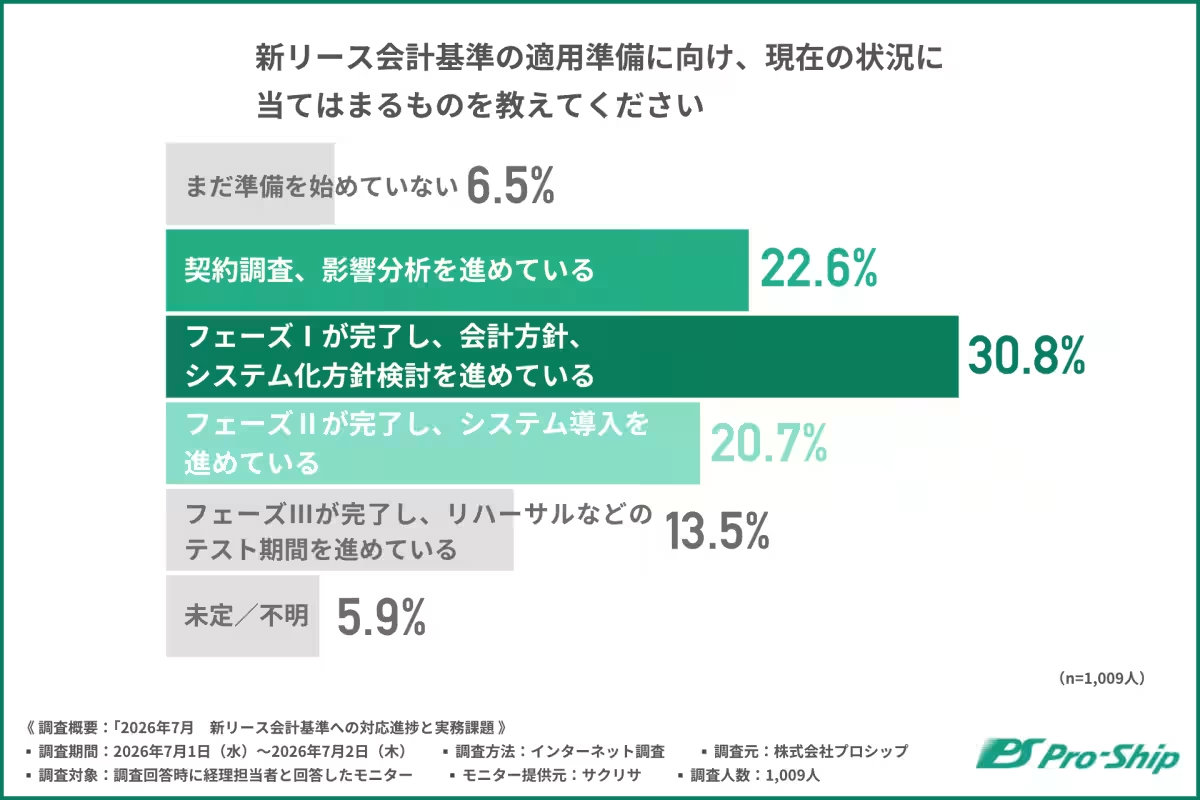
The survey conducted from July 1-2, 2026, aimed to gauge the progress and practical issues faced by accounting professionals as they align with the new regulations set to take effect in April 2027. Despite the approaching deadline, the transition phase, which ideally should include detailed system selection and implementation, shows that 53.4% of organizations remain in the initial stages of contract review and policy organization.
A Prolonged Preparation Process
Among the respondents, 30.8% of companies are still evaluating their accounting and system policies (Phase II). This is concerning given that nearly half have yet to move beyond early-stage preparations:
- - 6.5% have not started preparing
- - 22.6% are conducting contract reviews and impact assessments (Phase I)
- - 20.7% have completed Phase I and are progressing to Phase II
- - 13.5% are in Phase IV, testing the systems
This slow movement underscores that many firms are grappling with fundamental issues before even considering system implementation.
Key Factors Delaying Progress
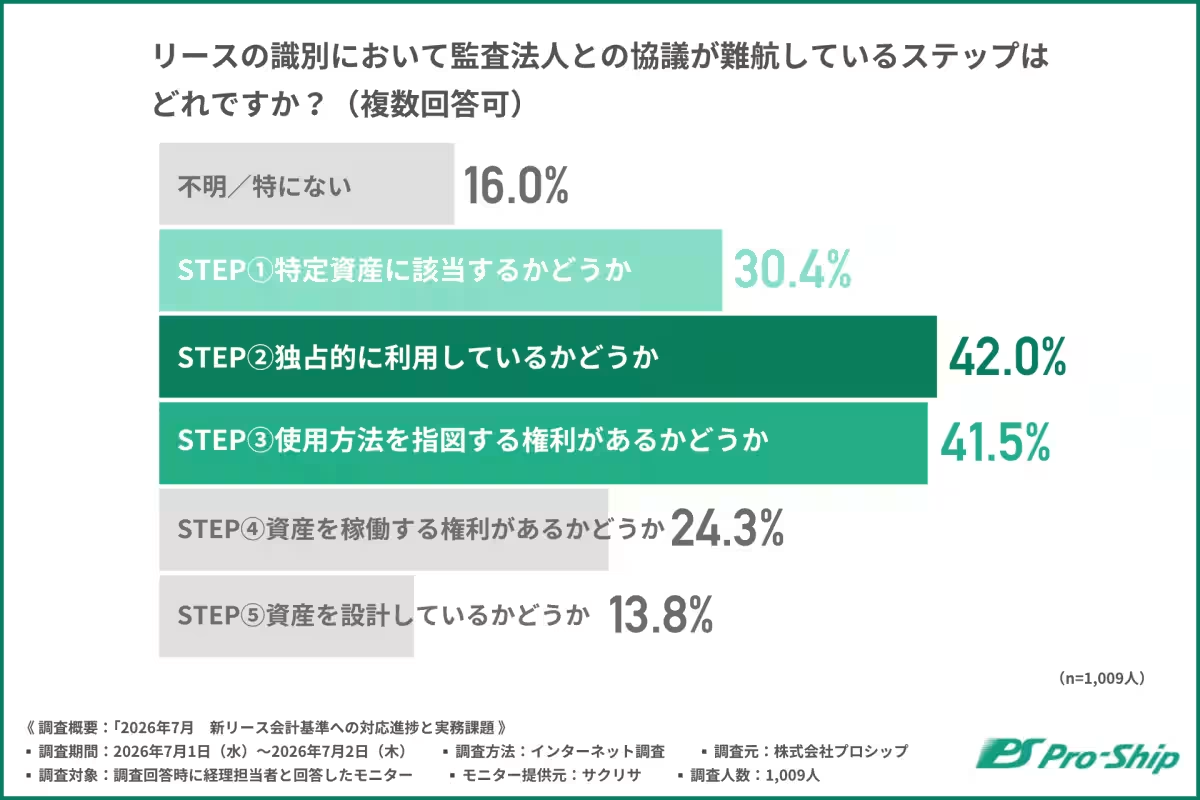
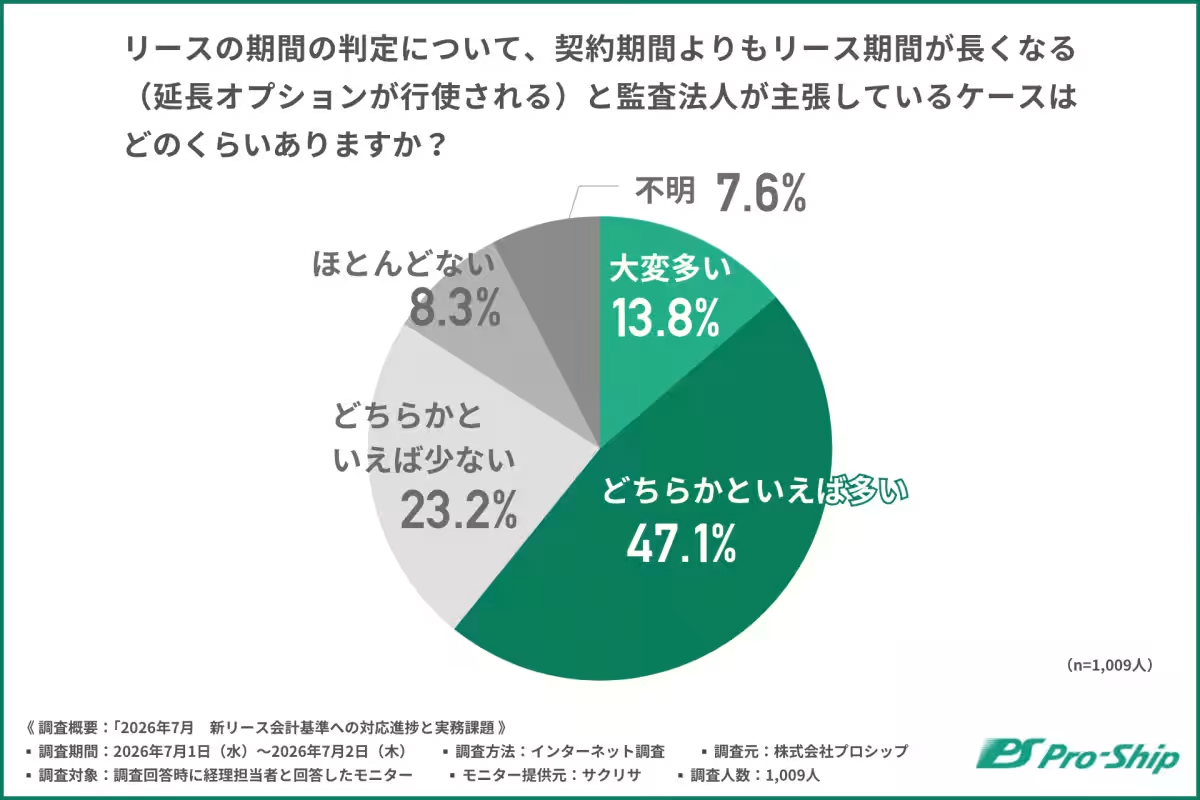
One significant barrier identified is the consultation with auditing firms, as the new standards require individual assessment on aspects such as lease identification and lease term determinations. For many businesses, the necessity to reconcile their internal policies with auditors leads to prolonged discussions that consume valuable time. The result is a bottleneck in the policy organization stage, which is crucial for successful system transition.
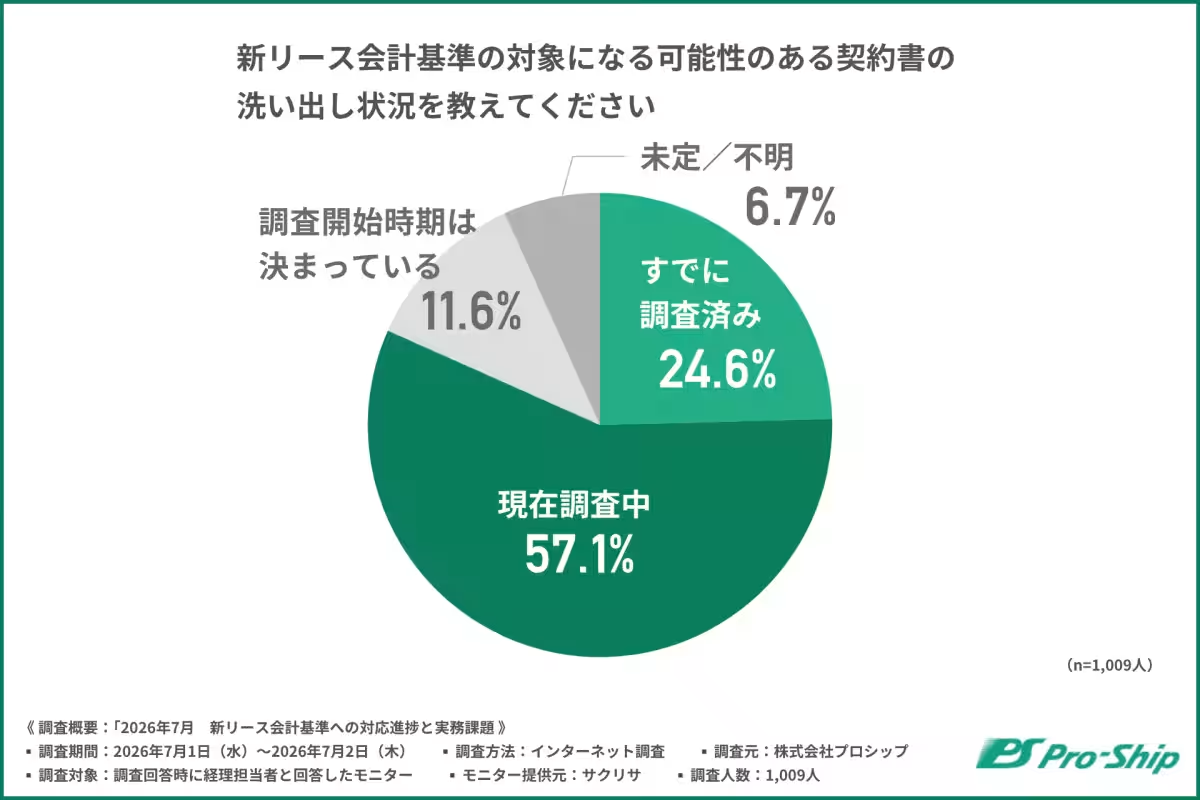
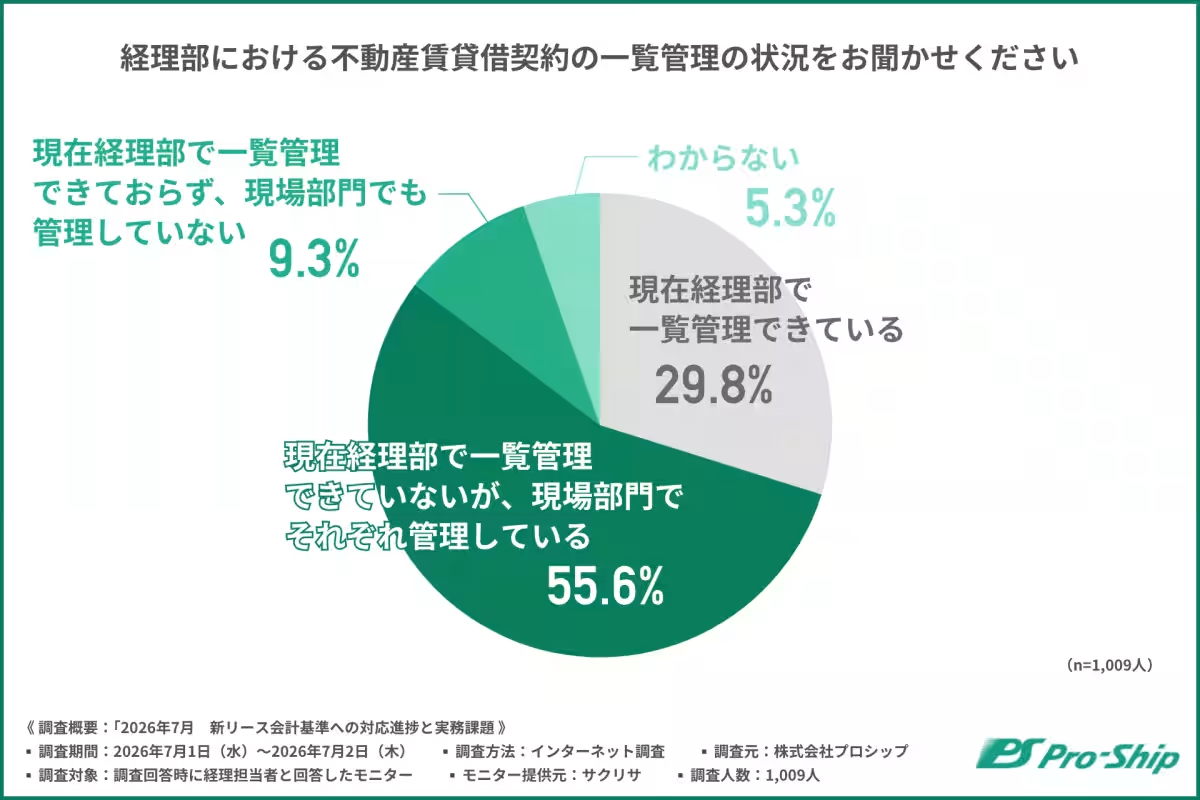
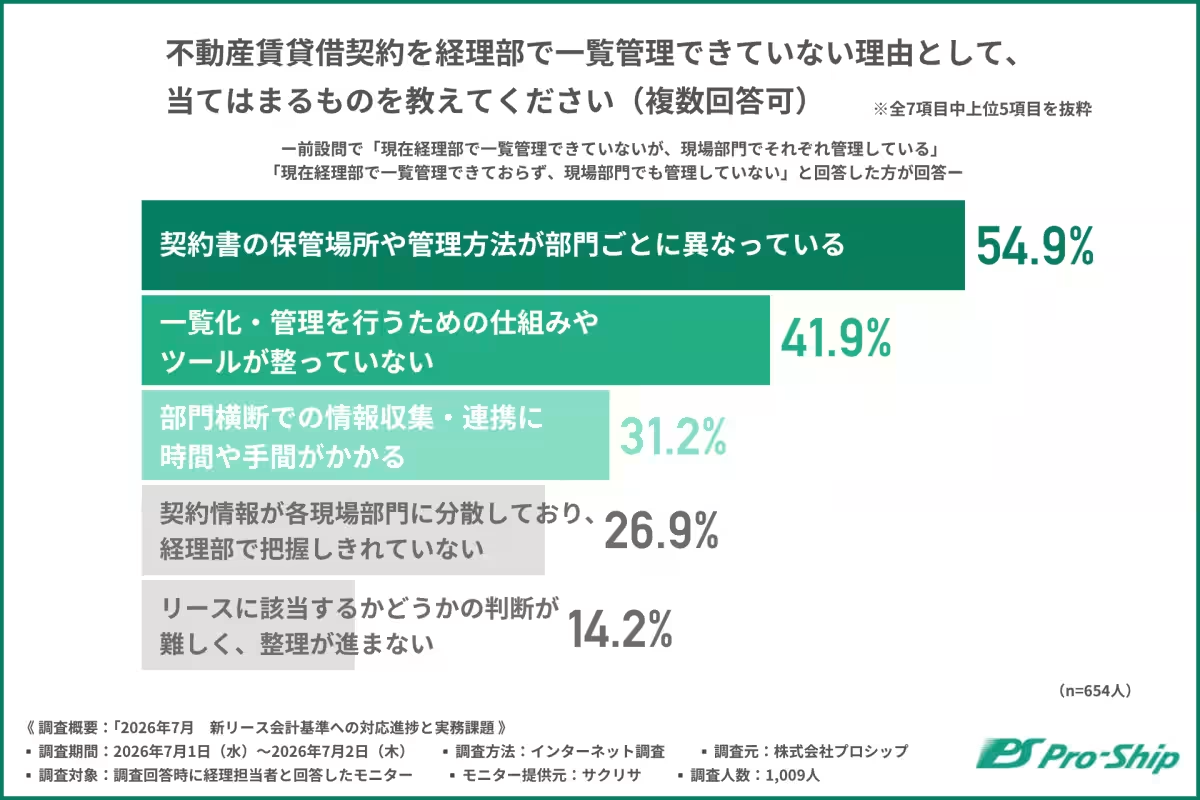
Additionally, a significant number of firms are still in the process of identifying contracts that may be subject to the new regulations. While 24.6% report they have completed this task, a staggering 57.1% are still in the review phase, emphasizing a common challenge for many companies: scattered contract information across departments. Such fragmentation complicates the collection process, making it difficult to classify leases and determine evaluation periods effectively.
The Impact of Fragmentation
The survey results indicate that about 70% of companies are unable to consolidate contract data efficiently. This hinders compliance with the new accounting standards, as managing contract details becomes overwhelmingly labor-intensive. Many organizations rely on manual processes or Excel for contract management, which are insufficient for the forthcoming demands of the new regulations.
Identifying Lease Components: Challenges Ahead
Navigating through the specifics of lease identification has proven complex. Companies often find themselves entangled in intricate discussions regarding how to assess whether they have exclusivity or controlling rights over assets leased. As fewer precedents exist within Japan for the new standards, audit negotiations require careful and time-consuming considerations. Moreover, ongoing assessments may reveal inconsistencies across firms regarding the handling of lease terms, as auditors frequently require a reevaluation of lease periods based on utilization and strategic importance.
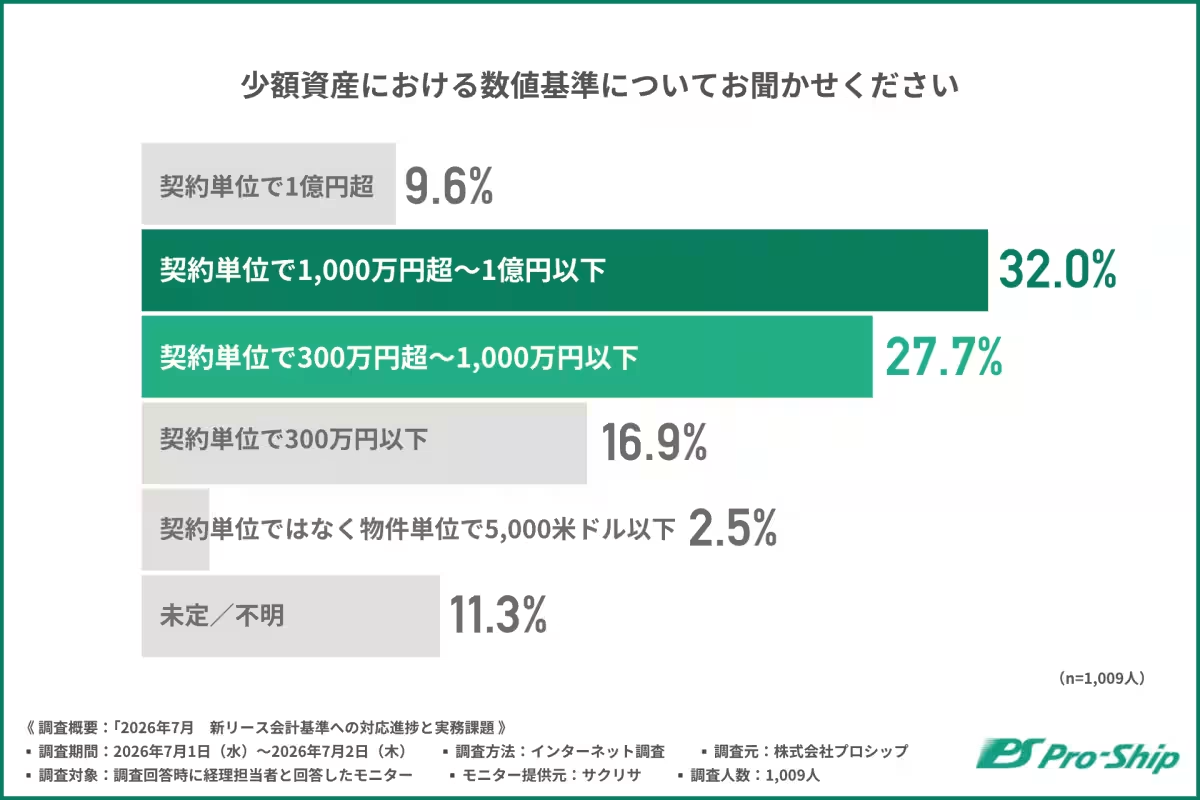
Another critical debate revolves around establishing the threshold for capitalizing minor assets. While most enterprises are contemplating moving away from the previous threshold set at 3 million yen, they aim to balance practical operational burdens against compliance with accounting practices.
Long-term Implications of Current Challenges
Ultimately, the findings illustrate the pressing need for more companies to prioritize policy organization over system selection. With only 18.7% aiming for operations to begin at the fiscal year's start, many are recognizing that it may be more prudent to ensure ample preparation time rather than rigidly adhering to an exact launch date.
As Proship puts it, addressing these foundational elements early on not only streamlines the transition to new standards but also alleviates future burdens related to ongoing compliance tasks – an essential takeaway for any organization facing these imminent changes to lease accounting.


Topics Business Technology)
【About Using Articles】
You can freely use the title and article content by linking to the page where the article is posted.
※ Images cannot be used.
【About Links】
Links are free to use.