



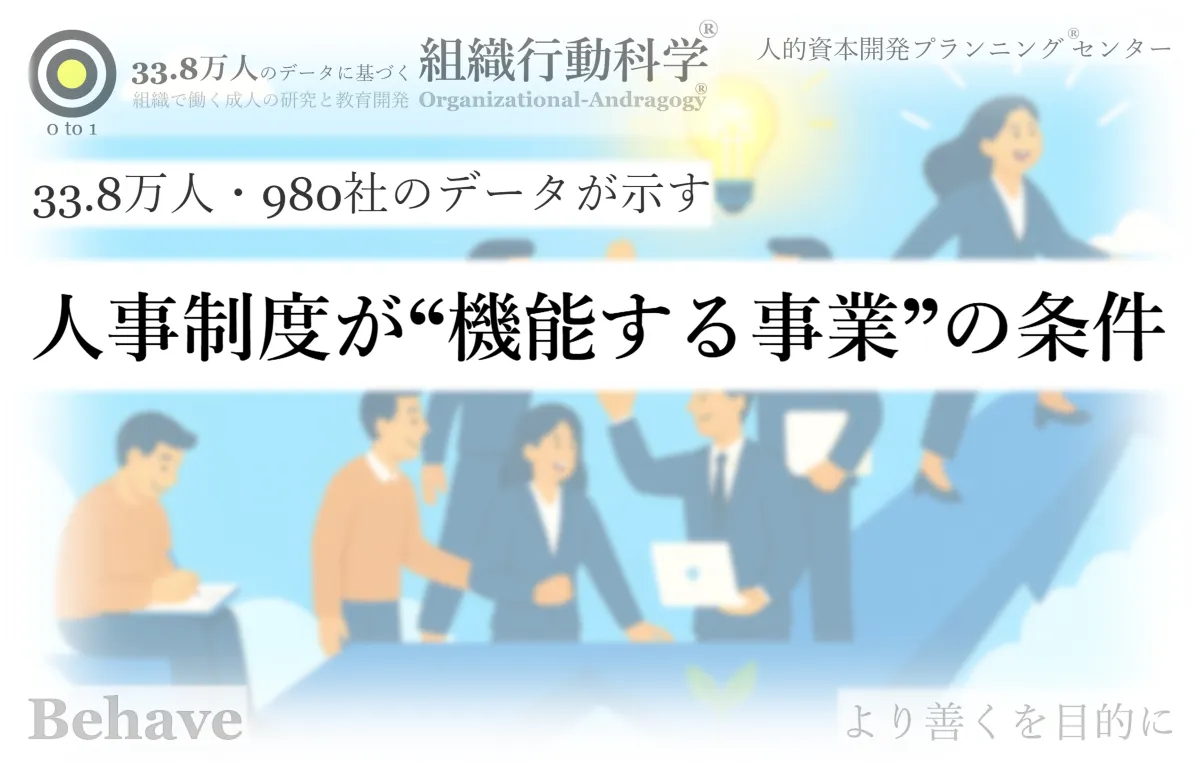
The Key Conditions that Separate Successful HR Systems from Unsuccessful Ones Revealed
Unlocking the Secrets of Effective HR Systems
In an extensive analysis involving 338,000 individuals and 980 companies, Request Inc., based in Shinjuku, Tokyo, has shed light on the crucial factors that differentiate effective HR systems from those that falter. The findings, compiled in the report titled 'Conditions of Successful HR Systems', highlight that the alignment of HR frameworks with value creation structures, rather than the quality of the systems themselves, plays a pivotal role in their functionality.
Background of the Report
As the concepts of human capital management, job-based roles, and strategic HR are becoming increasingly prevalent, companies are expressing concerns regarding the inability of their structured HR policies to translate into tangible business results. Common feedback from the industry includes:
- - Even with well-defined frameworks, there’s a disconnect between HR systems and operational performance.
- - Training programs might be comprehensive, but their impacts are often unclear.
- - Despite established KPIs, external factors can disproportionately influence outcomes.
This research concludes that these issues aren't merely operational hurdles, but stem from deeper structural challenges. In Japan, a significant number of industries—such as construction, housing equipment, materials, system integration, logistics, and maintenance—depend heavily on external collaboration, complicating the internal enactment of HR policies.
Key Insights from the Report
The report presents three principal insights:
1. HR Systems are Designed on Internal-Centric Models: The causative link between human resource investment, skills development, organizational capability, and performance measurement operates most effectively in environments where value creation occurs within the company's boundaries.
2. Predominance of External-Collaborative Models in Japanese Industries: Many critical sectors, including construction and housing equipment, rely on external parties for the final stages of value creation, making it more challenging for HR systems to demonstrate causation.
3. Need for Collaborative Design on a Different Layer: It is impossible to achieve outcomes solely through existing HR systems. A distinct layer of design focused on collaborative processes, expert skill development, and shared decision-making criteria is essential.
Download the Report for Free
Companies are now faced with the challenge of determining which business structures align with existing HR systems and where alternative mechanisms are necessary. This report offers valuable criteria for making such determinations.
In the current era, emphasis is shifting from whether HR systems are beneficial to understanding which business structures they best fit. Recognizing the synergy between structural frameworks and HR systems is the true starting point for effective human capital management.
Report Structure (Excerpt)
I. Structural Axes of Internal-Centric vs External-Collaborative
II. Causative Structures Underpinning HR Systems
III. Reasons for the Dominance of External Collaboration in Japanese Companies
IV. Conditions Under Which HR Systems Function or Fail
V. Designing Internal/External KPIs
VI. Practical Design of Collaborative Processes
VII. Conclusion: The Success of Systems Depends on Structural Compatibility
Contact Information
For more details about the report, feel free to reach out to OrgLogLab®.
- - Email: [email protected]
Request Inc., with a mission statement of 'striving for better', leverages insights from 338,000 working individuals to support 980 companies through the lens of Organizational Behavior Science. This field aims to clarify why certain thoughts and behaviors emerge and persist within organizations, utilizing five theoretical domains: behavioral control theory, motivation-reward theory, relationship-building theory, cognitive-thought theory, and habit-formation theory.
Company Overview
- - Name: Request Inc.
- - Address: 3-4-8, Shinjuku, Shinjuku-ku, Tokyo, 160-0022, Japan
- - Corporate Website: https://requestgroup.jp/
- - Profile: https://requestgroup.jp/profile
- - Company Brochure: https://requestgroup.jp/download

Topics Business Technology)
【About Using Articles】
You can freely use the title and article content by linking to the page where the article is posted.
※ Images cannot be used.
【About Links】
Links are free to use.