



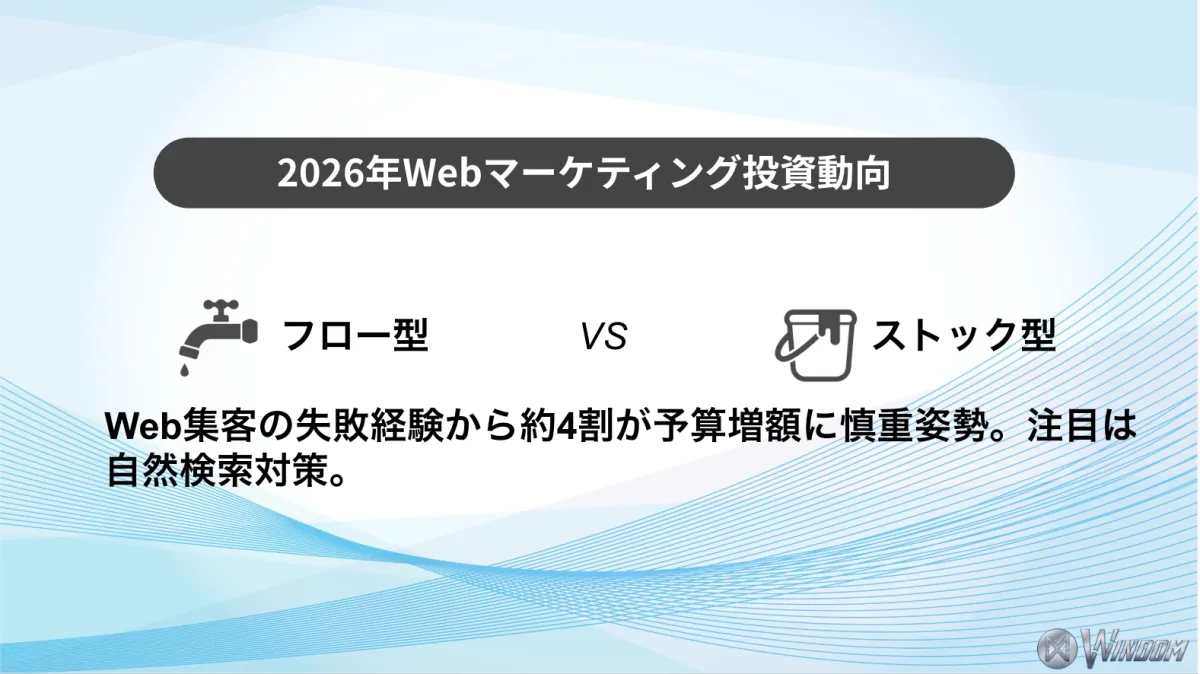
The Evolving Landscape of Web Marketing Investments for 2026
Understanding the 2026 Web Marketing Investment Trends
In a recent survey conducted by WINDOM Corporation, 739 web marketing professionals participated to share their insights on the shifting landscape of web marketing strategies. The findings highlighted a cautious approach to budget increases, with many professionals reflecting on past failures to guide their future investments.
Key Findings from the Survey
1. Search Advertising Under Scrutiny
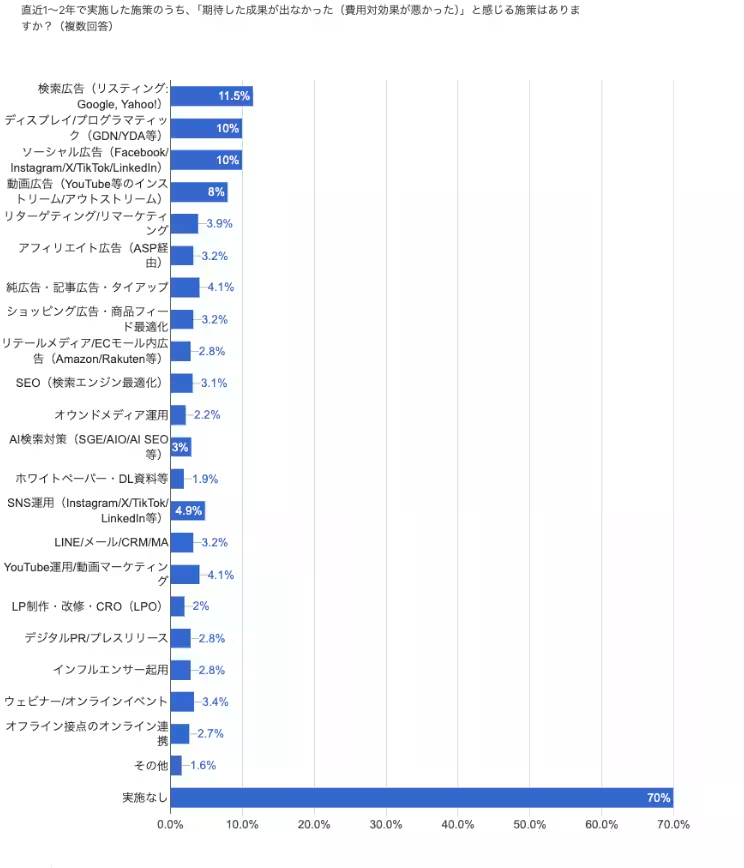
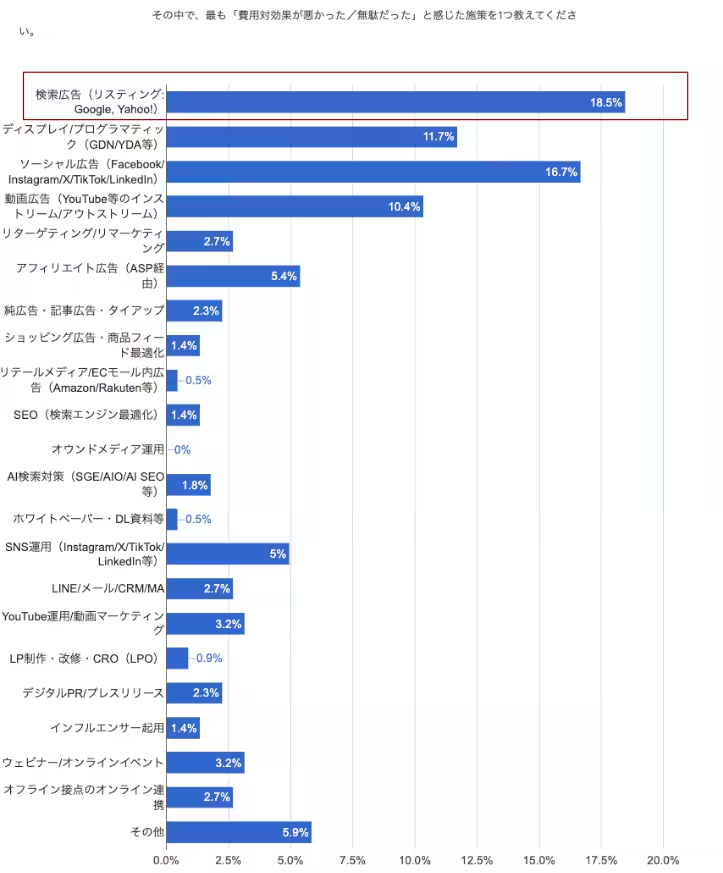
The survey revealed that 18.5% of the respondents considered search ads (listing advertisements) to have the worst return on investment over the past two years, outpacing social ads (16.7%). This stark realization suggests a significant re-evaluation of how companies allocate their marketing budgets, especially in light of the costly mistakes many have faced.
2. The Cost of Mistakes
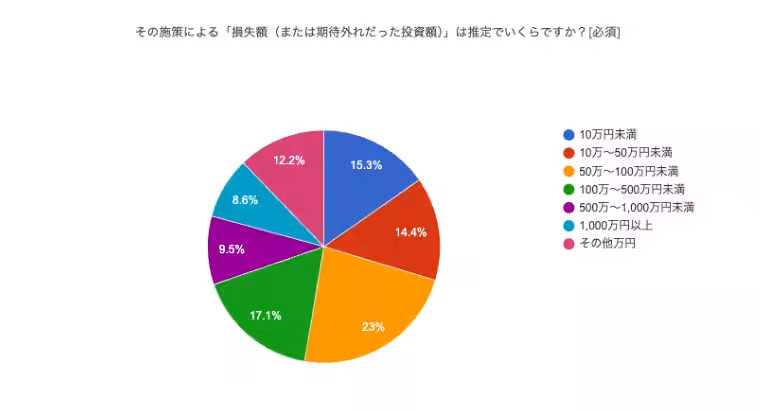
The implications of failed marketing initiatives are substantial, with an estimated 58% of respondents indicating losses of over 500,000 yen due to ineffective campaigns, and 8.6% reporting losses exceeding 10 million yen. This alarming data underscores the need for strategic refinement in marketing efforts.
3. Emerging Trends Toward Natural Search Investments
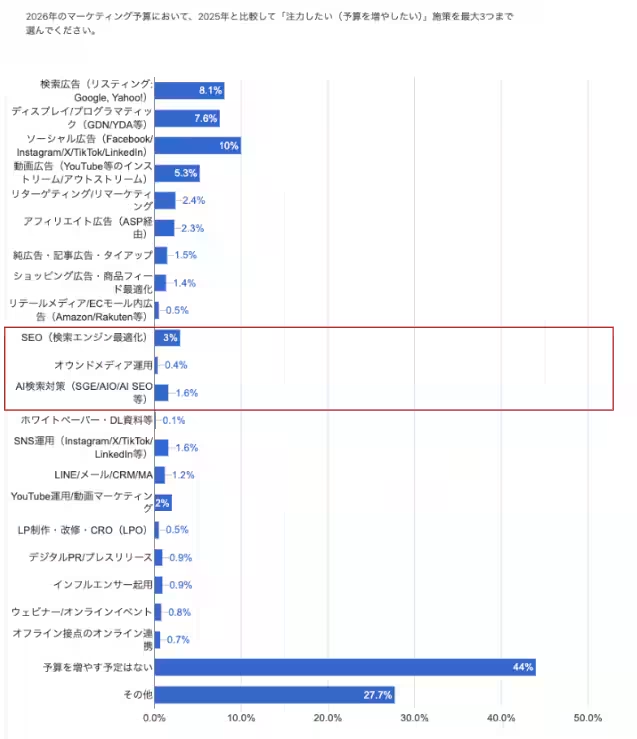
The survey highlighted a budding interest in natural search strategies, with SEO (3.0%) and AI search strategies (1.6%) emerging as key areas of focus for 2026. Together, these strategies show a promising trend towards optimizing search experience, reaching an investment interest of 4.6%. This emerging focus increasingly rivals traditional avenues such as video ads (5.3%).
Insights on Past Marketing Failures
Risk of Relying Solely on Listings
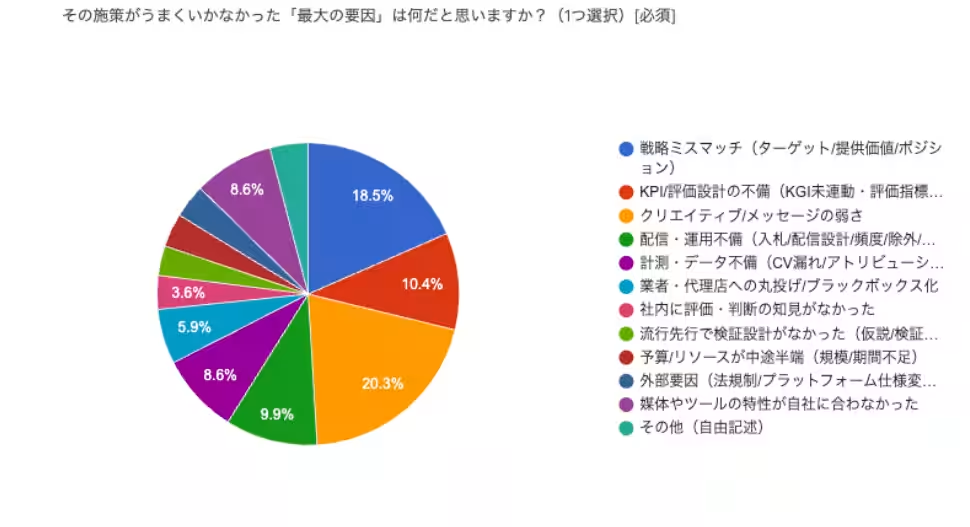
The survey's insights suggest that simply relying on search ads is a risky endeavor, with the primary reasons for failure linked to a lack of effective creatives (20.3%) and mismatched strategies (18.5%). As the market becomes more competitive, organizations must enhance their appeal through strong messaging and effective strategic alignment.
The Shift in Budget Priorities
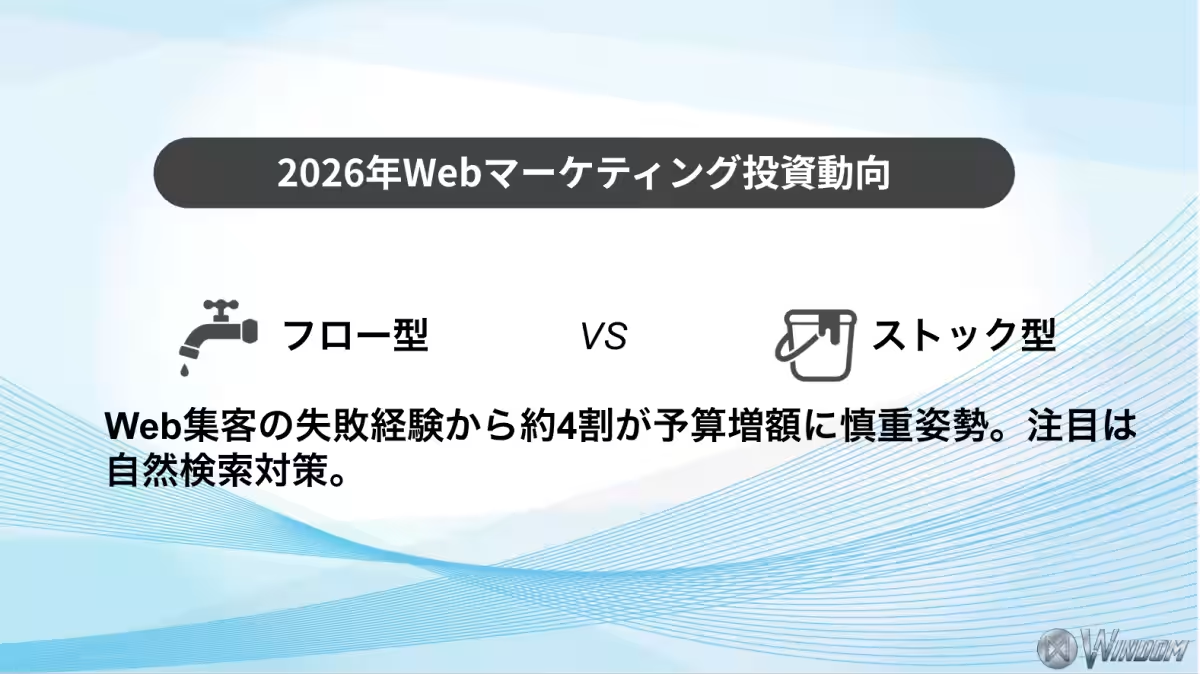
In terms of 2026 budget allocations, around 44% of respondents indicated that they would not increase their budgets, reflecting a cautious approach towards investment decisions. Nevertheless, new interests in SEO and AI-driven strategies indicate a notable shift from traditional flow-based marketing to more sustainable stock-based tactics—a movement towards ensuring organic growth through trustworthy content that accumulates over time.
The New Competitive Landscape of Search Marketing
The stark contrast in companies' investment appetite for search ads reveals an intriguing dichotomy in the market. While some organizations still see potential in search ads (8.1% investment intent), the wide gap between successful and unsuccessful marketers is becoming clearer. This gap largely stems from creatives, the presence of dedicated teams, and strategic designs that have showcased significant disparities in outcomes.
Furthermore, with the role of AI in search rises, companies must adapt to a new landscape where organic visibility and trustworthiness become pivotal to gaining market share not just through paid ads but also organic references.
The adequately aligned KPIs focusing on acquiring answers and overall search presence will likely become a new norm for many marketers aiming for success in 2026.
Survey Methodology
- - Survey Name: Web Marketing and In-House Customer Acquisition Project Survey
- - Period: December 15, 2025
- - Target Respondents: Corporate employees and executives involved in web marketing
- - Valid Responses: 739 (with 222 reporting past failures)
- - Method: Online survey
Conclusion
The results from this survey conducted by WINDOM Corporation reveal a shifting landscape in the web marketing sector, underscoring a trend toward greater caution and strategic alignment in marketing investments. As SEO and AI search strategies gain traction, companies must adapt to maintain pertinent and successful marketing practices in a rapidly evolving digital environment.
Topics Consumer Technology)
【About Using Articles】
You can freely use the title and article content by linking to the page where the article is posted.
※ Images cannot be used.
【About Links】
Links are free to use.