



Research on Surroundings When Purchasing Used Condominiums: Regrets and Reflections Revealed
The Importance of Surrounding Environment in Used Condominium Purchases
A recent survey conducted by MEMOCO in collaboration with Sumunara reveals significant insights into the factors influencing decisions when purchasing used condominiums. The survey, conducted over a period from January 29 to November 18, 2025, included responses from 105 individuals who had experience buying used condominiums.
Survey Overview
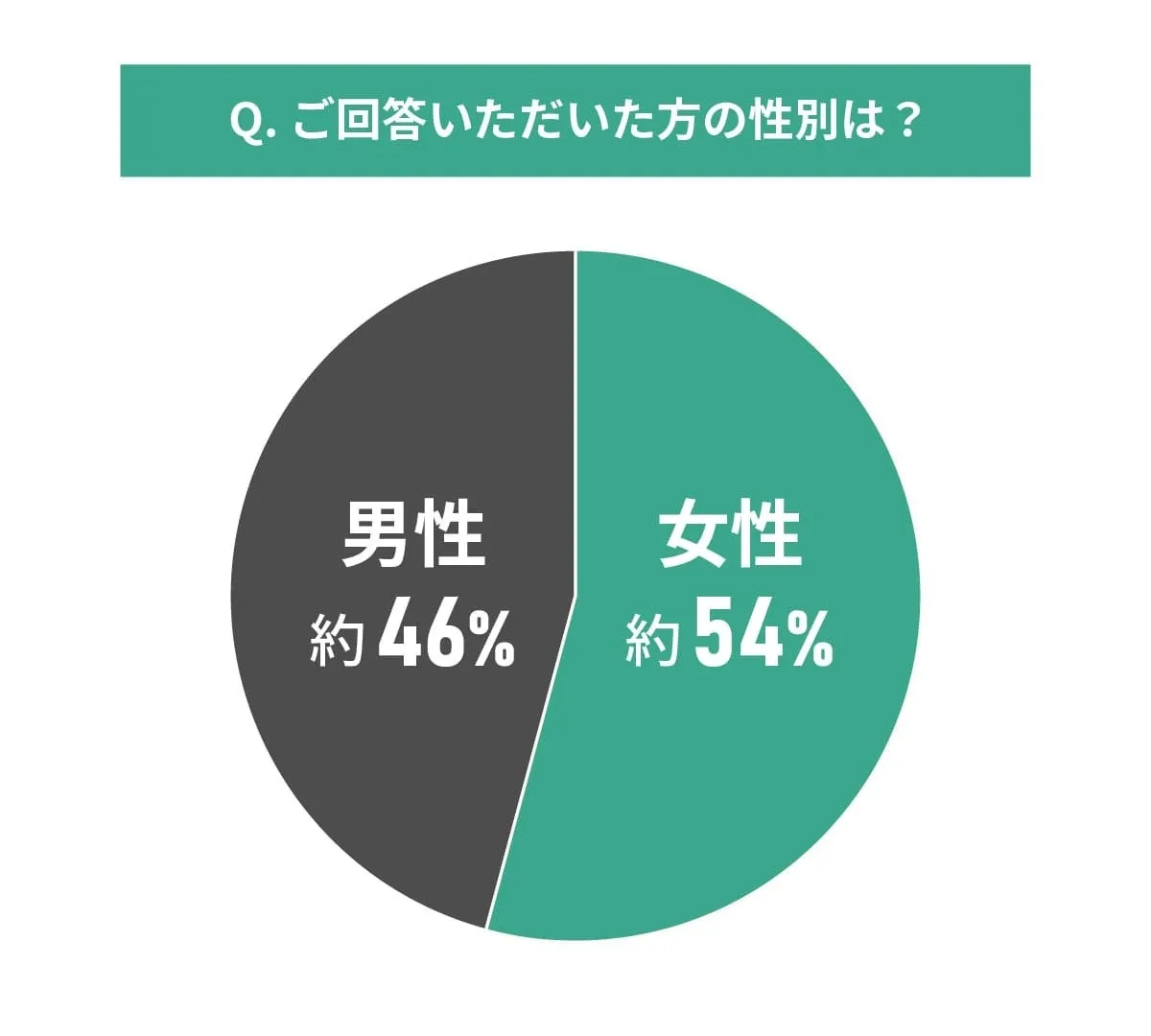
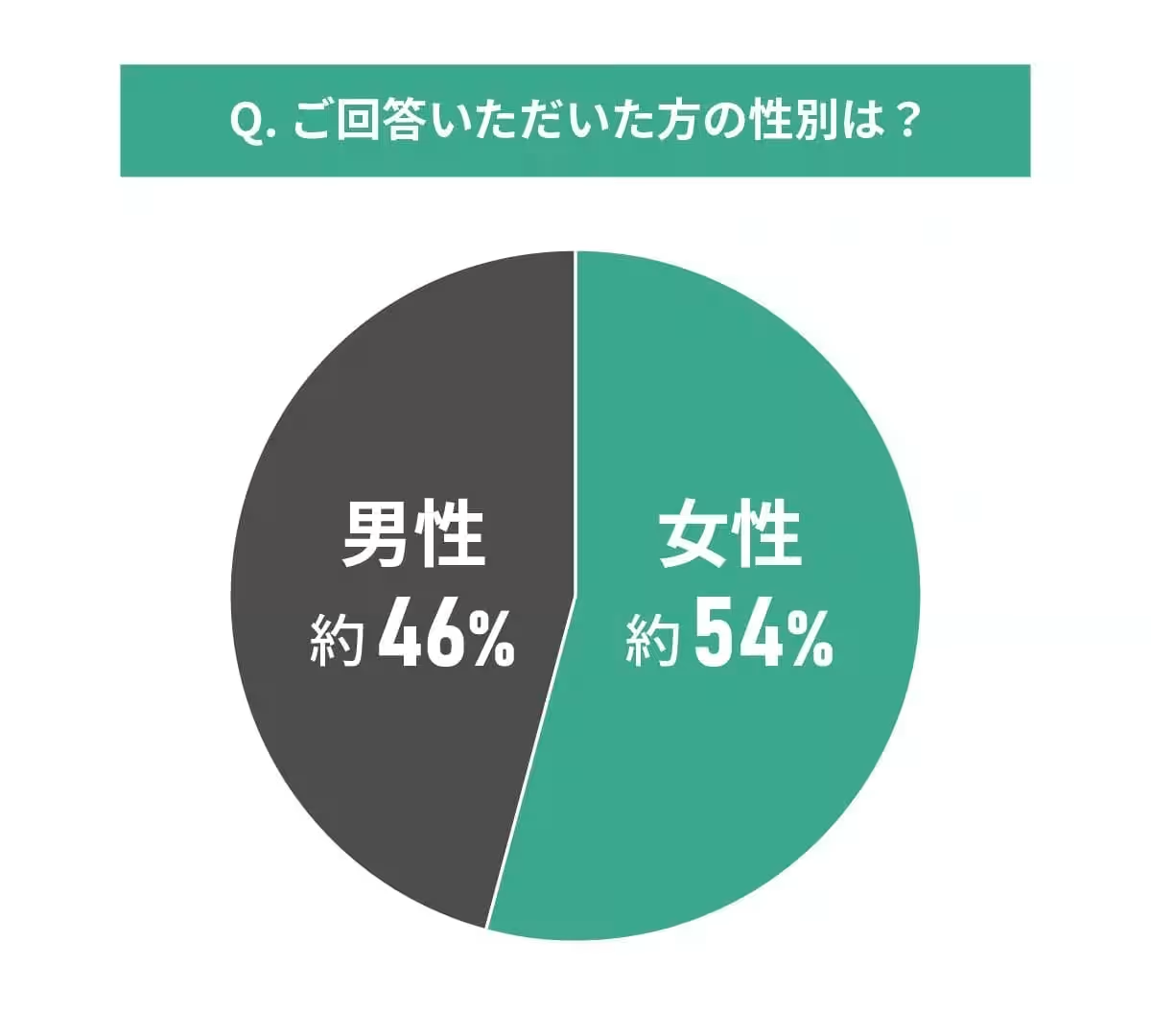
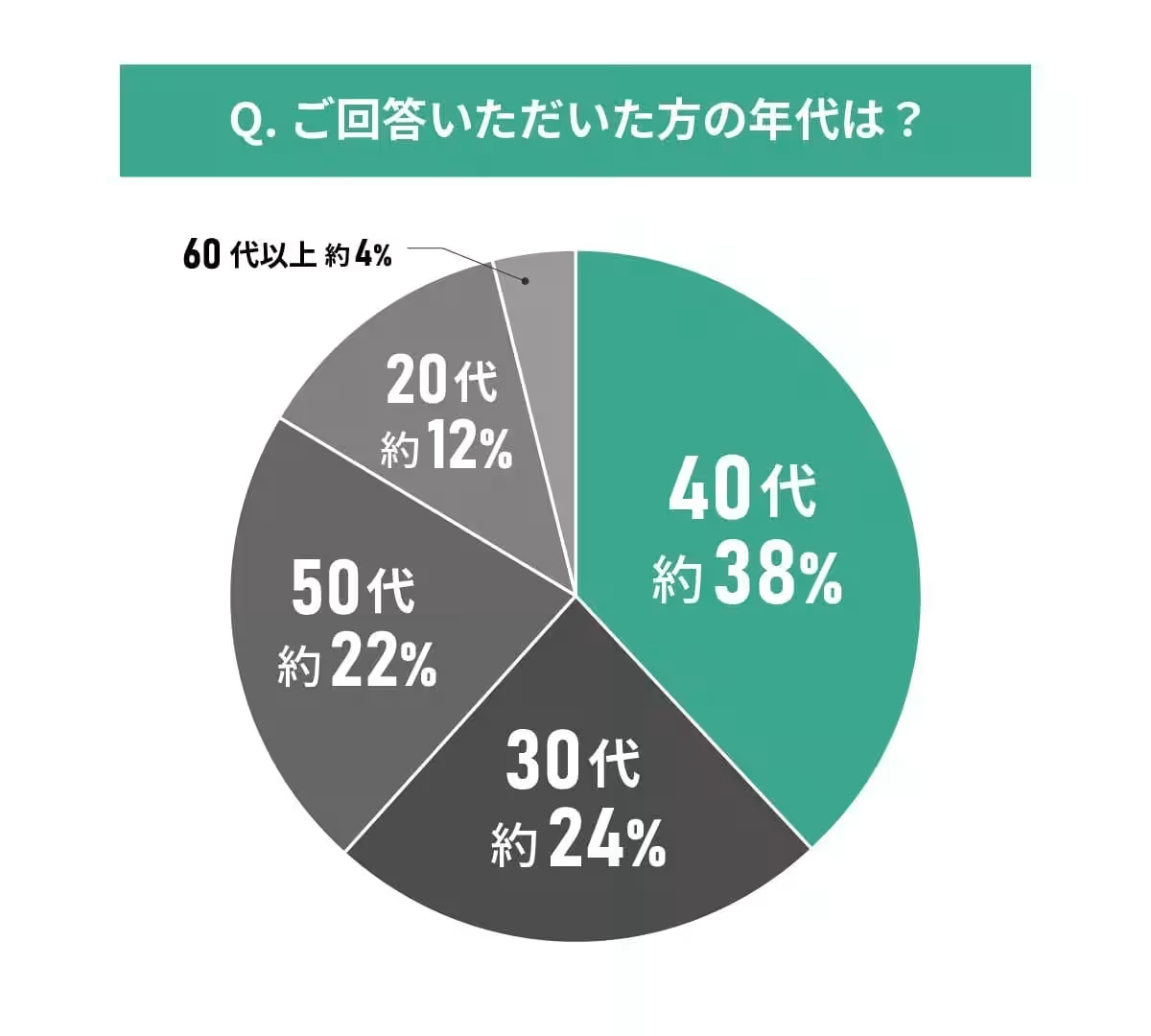
The demographic breakdown of the respondents was predominantly female (54%), with men making up 46%. Age distribution varied, with 12% in their 20s, 24% in their 30s, 38% in their 40s, 22% in their 50s, and 4% over 60.
Checking Surroundings Before Purchase
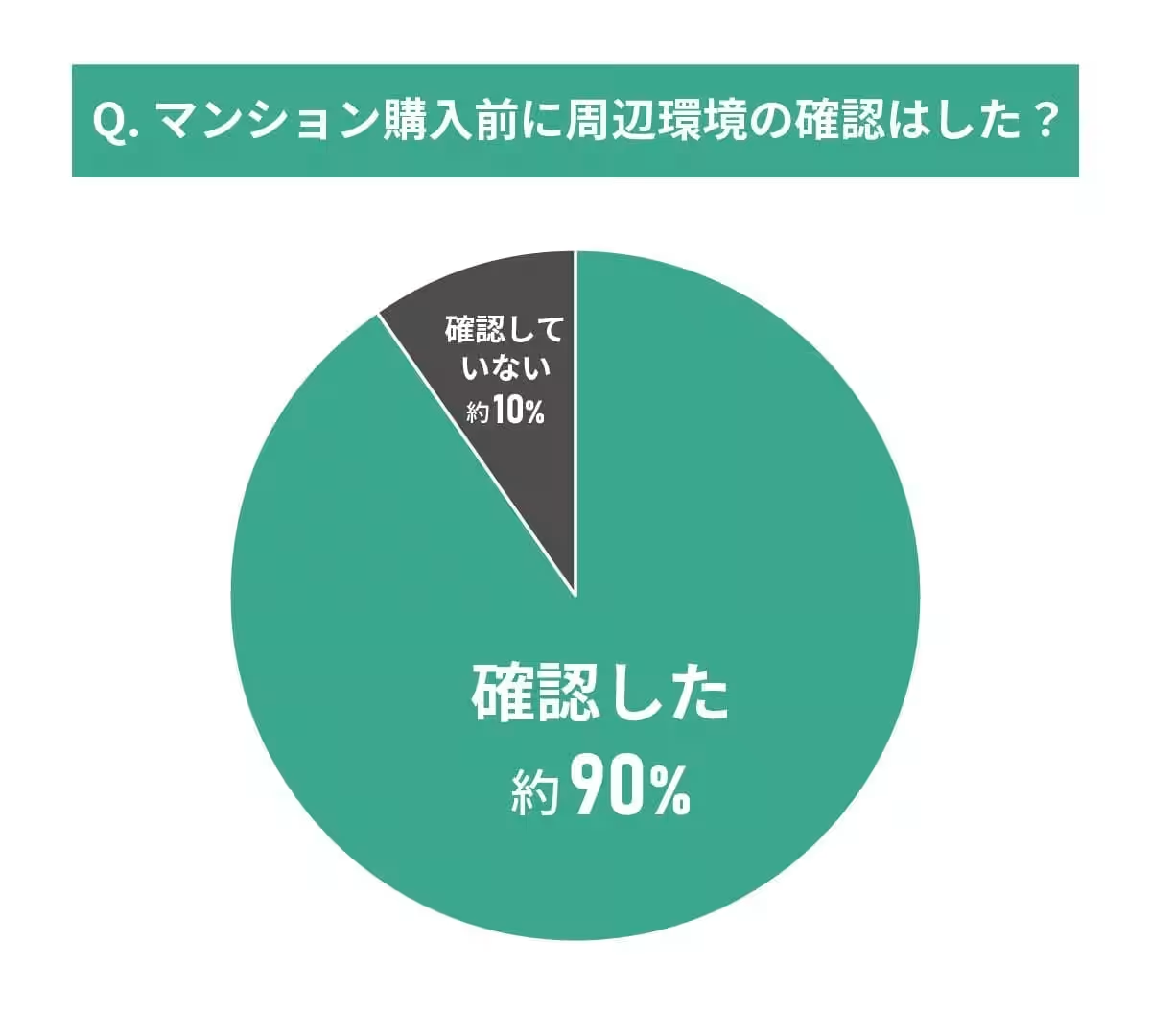
One of the pivotal questions asked in the survey was whether buyers checked the surrounding environment before making their purchase. A staggering 90% of respondents confirmed that they had thoroughly assessed the surroundings before finalizing the deal. This high percentage illustrates the critical nature of the surrounding environment in making informed buying decisions.
Reasons for Conducting Surroundings Checks
The survey emphasized a few key reasons why buyers prioritize this task:
- - Convenience for Daily Life: Easy access to supermarkets, convenience stores, and public transport is fundamental to long-term living satisfaction.
- - Preservation of Asset Value: Properties in favorable surroundings are often seen as investments that maintain their value better over time. Location is a fixed element, making it crucial for buyers to ensure favorable conditions.
Despite the positive findings, about 10% of the respondents admitted they did not check their surroundings, possibly due to familiarity with the area or prioritizing property features over environmental factors. However, as seen in the subsequent discussions about regrets, overlooking the surrounding environment can lead to dissatisfaction post-purchase.
Regrets and Reflections Post-Purchase
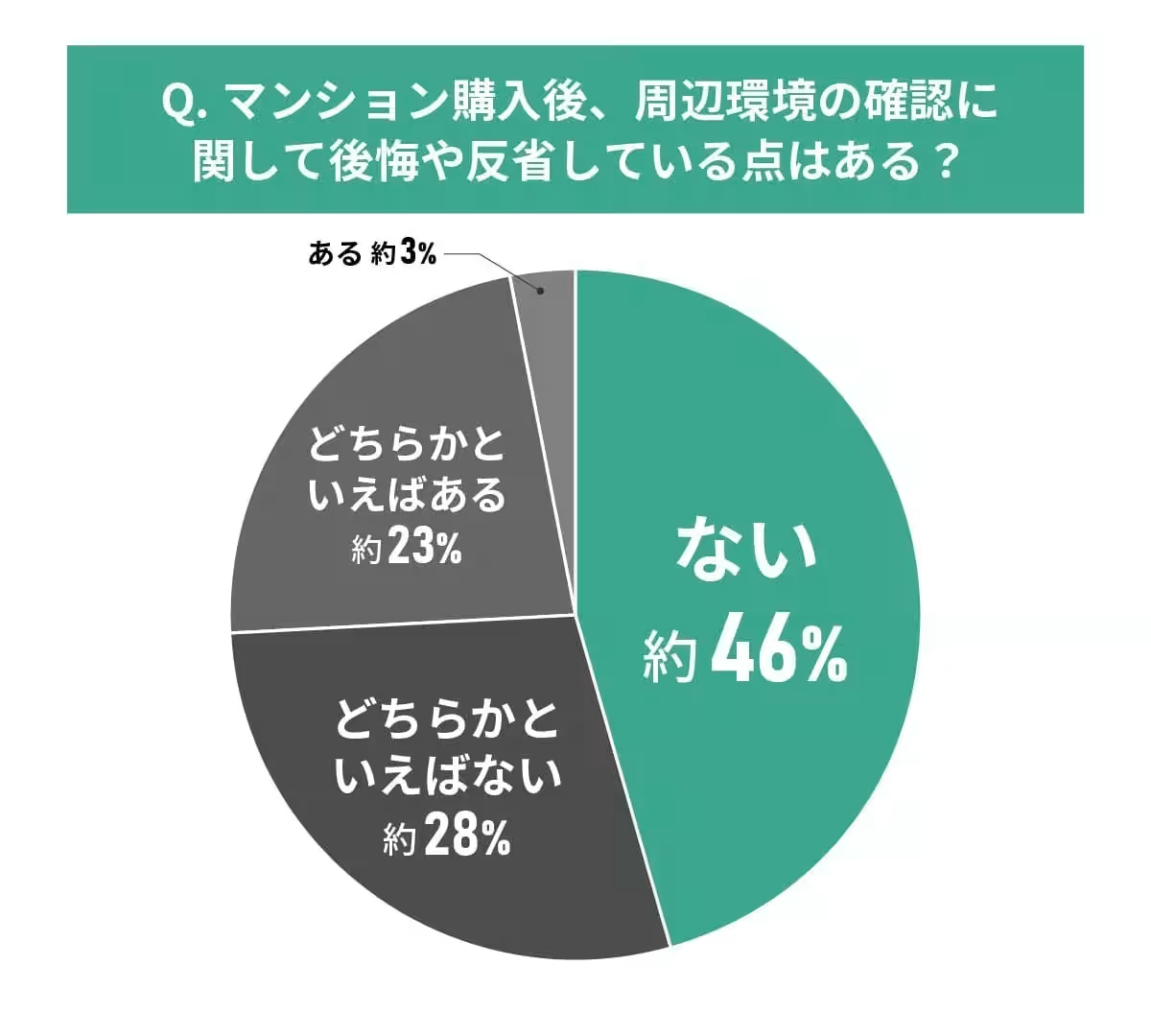
When asked if they had any regrets or reflections regarding their check of the surrounding environment, approximately 46% stated they had no regrets, while 28% felt neutral about their satisfaction. However, around 26% of respondents confessed to having some regrets. This indicates that while many buyers were satisfied, a significant proportion faced challenges related to their purchase decisions.
Positive Responses and Trends
Participants indicating satisfaction often mentioned taking extra time to ensure they understood the area, highlighting several key behaviors:
- - Thorough Preparations: Many respondents emphasized that repeated visits at various times of day were essential to ascertain noise levels and neighborhood activity variations.
- - Local Knowledge: Buyers familiar with their locality tended to have a higher feeling of assurance during their purchases.
- - Comprehensive Assessments: A combined approach of evaluating transportation efficacy, shopping facilities, noise levels, and safety contributed to greater satisfaction.
Negative Feedback and Common Complaints
Of particular concern were the users who reported substantial dissatisfaction after their purchases. Common regrets from this group included the following:
- - Insufficient Verification: Many highlighted their shortcomings in verifying details about their surroundings prior to buying. Commenting on the importance of considering local amenities alongside pricing and transport links resonated with numerous respondents.
- - Unforeseen Living Conditions: The sentiment that many realities only become apparent once living in a place was shared by several participants. For example, they noted that weekend and weekday noise levels varied significantly, and some issues like seasonal changes in the neighborhood were not immediately evident.
- - Specific Practical Concerns: Some respondents regretted aspects like poor shopping access, transportation burdens, or surrounding noise and traffic issues. Issues concerning nearby commercial activities and their impact on quality of life, such as noise pollution from roads, were frequently mentioned.
Key Takeaways for Future Buyers
From this survey, some actionable insights emerged about the importance of thoroughly checking the surrounding environment when considering purchasing a used condominium:
1. Frequent Visits at Different Times: Checking the surroundings on various days and at multiple times is essential for a comprehensive understanding of the environment.
2. Practical Walkthroughs: Try walking the routes to crucial amenities rather than relying solely on maps to identify potential issues like steep trails or poorly maintained walkways.
3. Checking Daily Necessities: Ensure essential services like grocery stores, hospitals, and public transportation are within reachable distances, especially for families with children.
4. Noise and Traffic Assessments: Contemplate the noise levels at different times to truly gauge the environment’s comfort in daily living.
5. Understanding Community Dynamics: Engage actively with the local area to get a feel for the culture and conditions pertinent to the lifestyle you desire.
6. Seeking Expert Information: Utilize available municipal data regarding hazards, crime rates, and even future development plans to make informed decisions.
Conclusion
The survey results illustrate that approximately 90% of buyers prioritize checking their surrounding environment prior to purchasing a used condominium, with about 75% expressing satisfaction afterward. However, there remains a notable segment of buyers who harbor regrets about their purchase decisions, often stemming from oversight in evaluating the surroundings thoroughly. It is crucial for potential buyers to realize that careful and detailed scrutiny of the environment can preempt future dissatisfaction and enhance living quality.
Taking the time to understand the broader context surrounding a potential home is essential for making a fulfilled life choice. As you navigate this significant decision, use these insights to engage comprehensively in your environment checks and ensure a more satisfied and informed purchase.
Topics Consumer Products & Retail)
【About Using Articles】
You can freely use the title and article content by linking to the page where the article is posted.
※ Images cannot be used.
【About Links】
Links are free to use.