



Survey Reveals Trends in Winter Bonus Payments for SMEs in 2025
Recent Survey Highlights on Winter Bonuses for SMEs
In a recent survey conducted by Freeway Japan, the responses from 308 individuals, including employees, joint business owners, and company representatives, provided insightful data about the expectations and trends surrounding winter bonus payments for small and medium-sized enterprises (SMEs) in 2025. The survey took place from October 30 to November 5, 2025, and sheds light on various aspects of bonus payments for this fiscal year.
Survey Overview
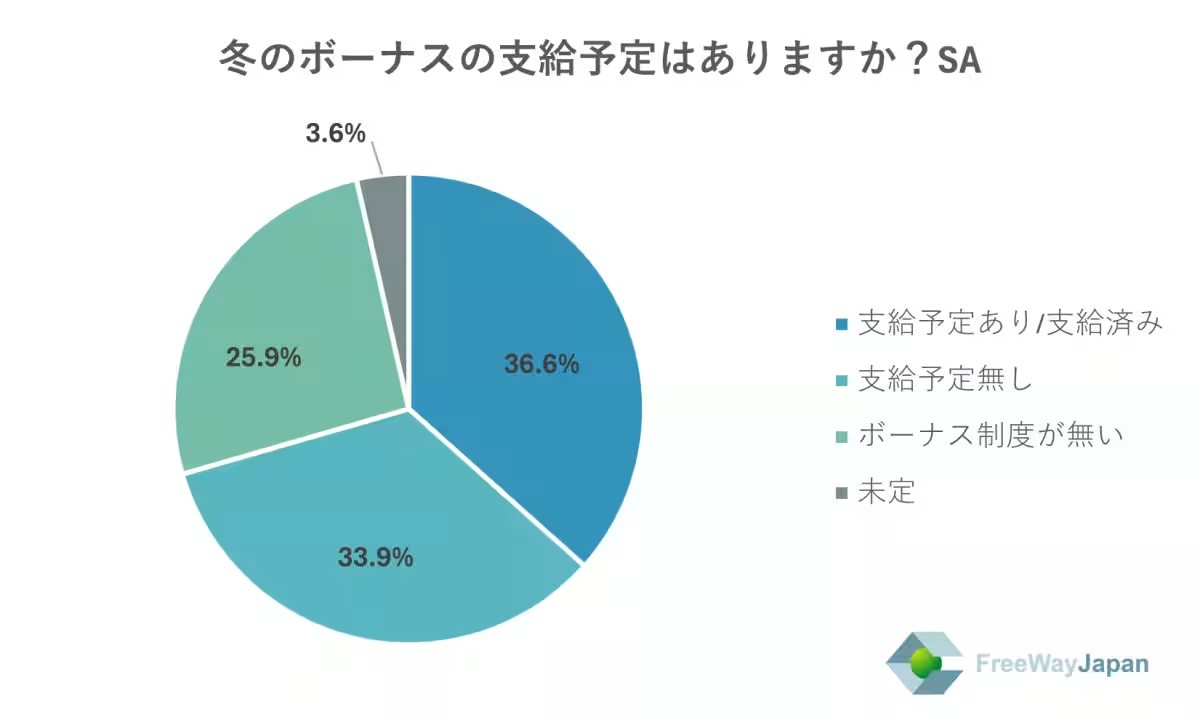
The survey titled "2025 Winter Bonus Survey" highlighted a slight increase in the likelihood of winter bonuses this year. Among company representatives, 36.6% confirmed plans to allocate winter bonuses, which marks a modest 2.4 points from the previous year. When looking at employees and business owners, 31.1% indicated they have received or are expected to receive a winter bonus, representing a 4.6-point increase compared to the same period in 2024.
Key Findings
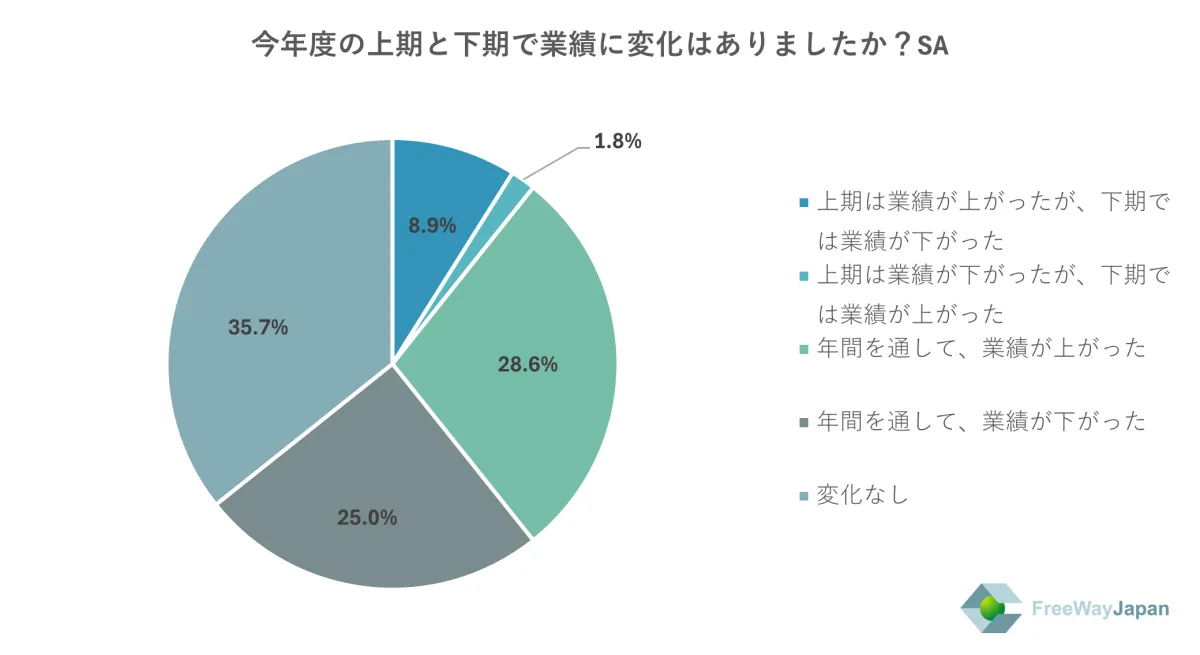
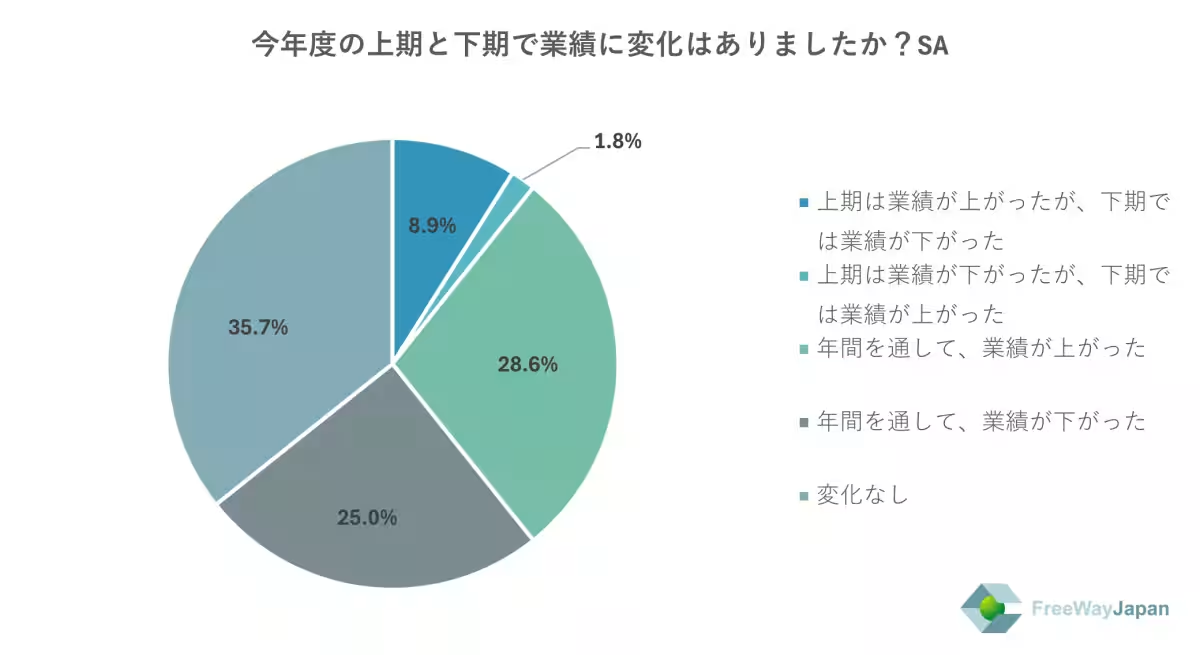
- - Corporate Performance Impact: Among the company representatives surveyed, 35.7% noted no change in the business performance between the first and second half of the fiscal year. Interestingly, 28.6% reported an overall improvement in performance, while 25.0% indicated a decline in performance.
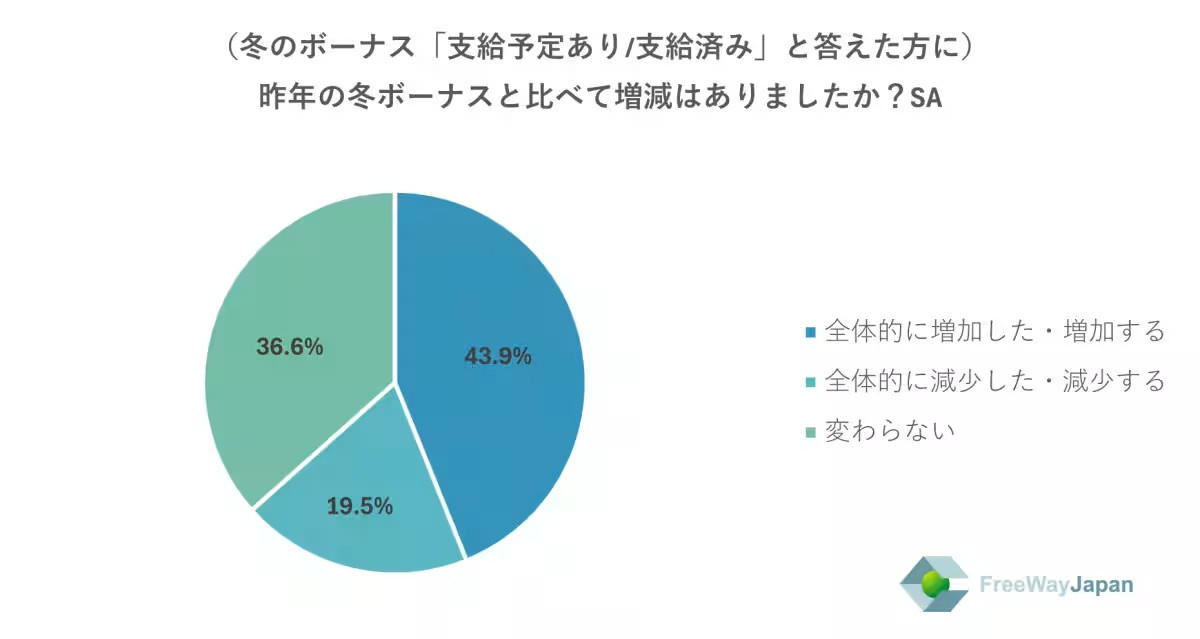
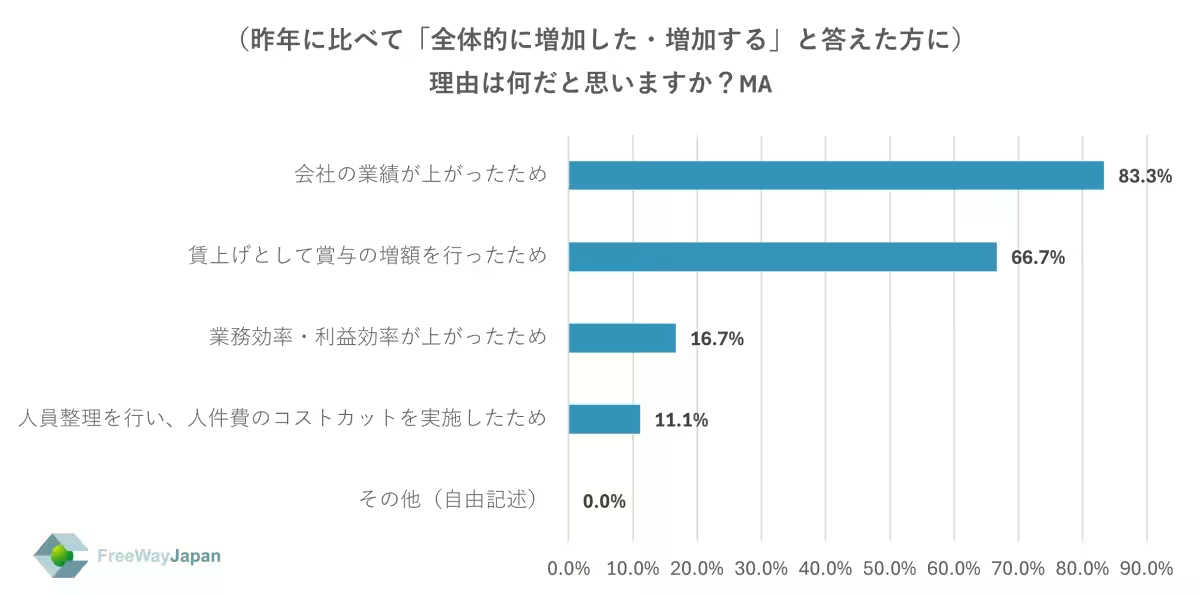
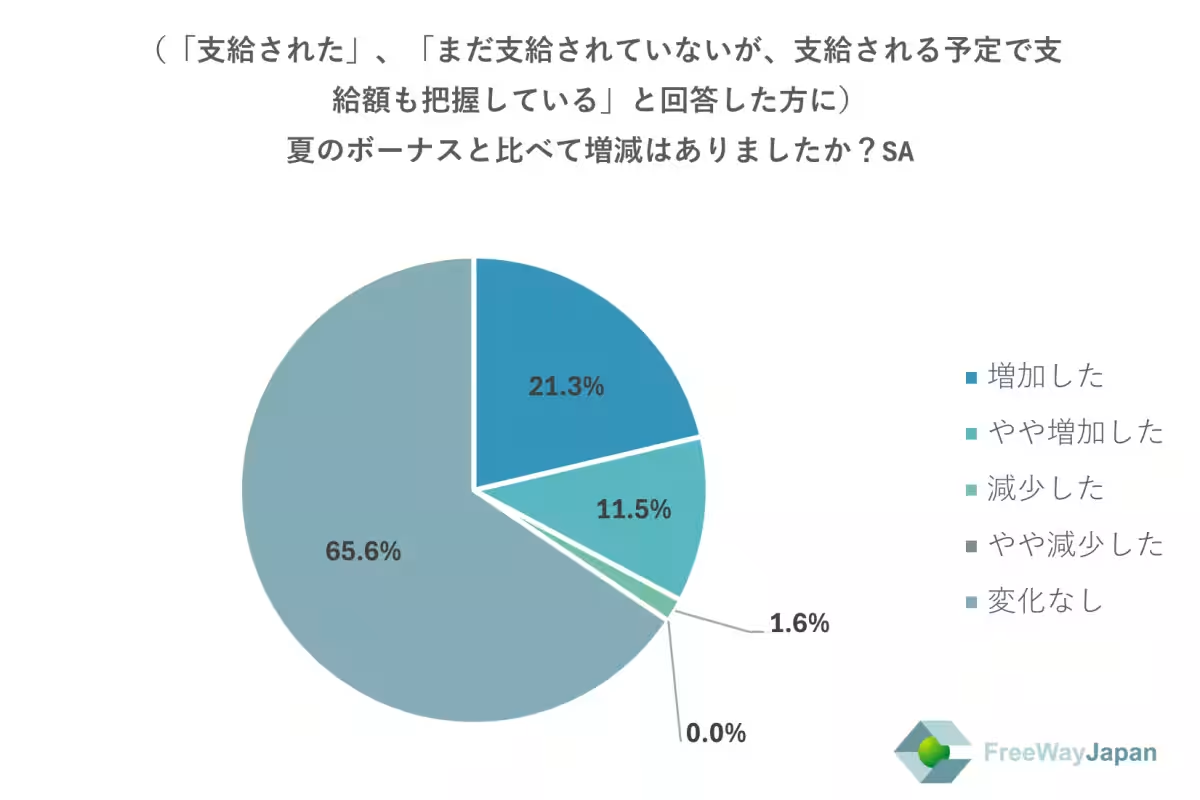
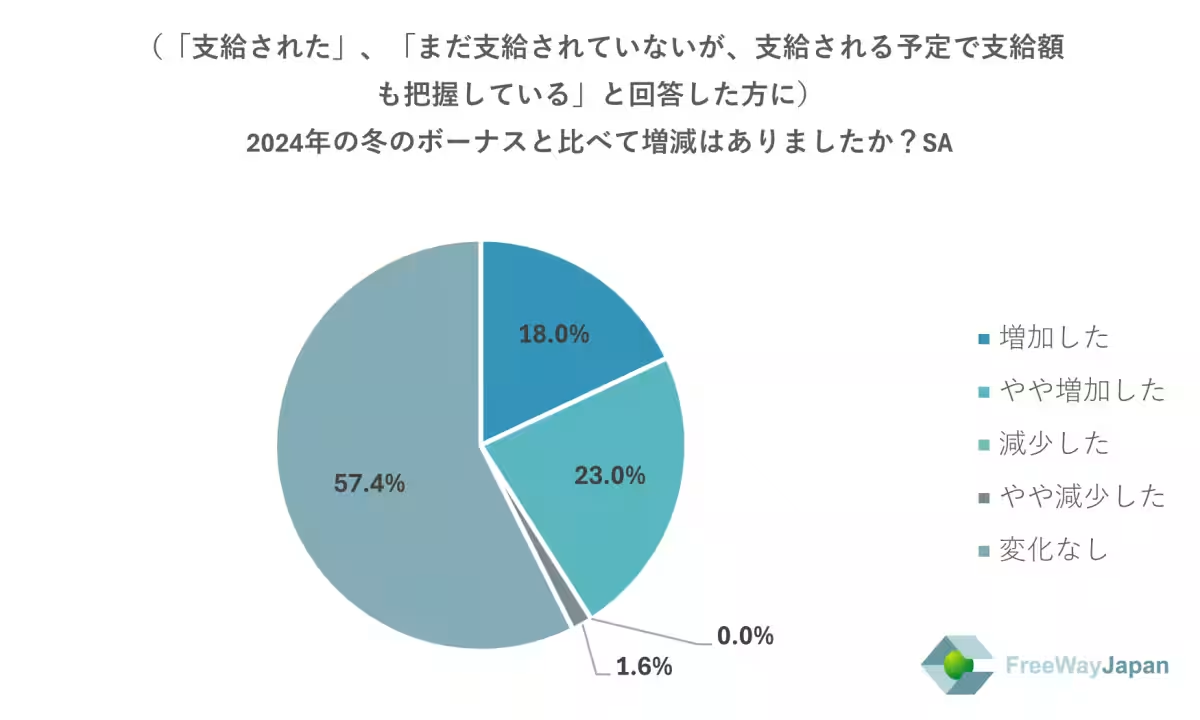
- - Bonus Amounts: For those who confirmed a winter bonus, 43.9% reported that their bonus amount has increased compared to last year, attributable to a rise in company performance, according to 83.3% of respondents.
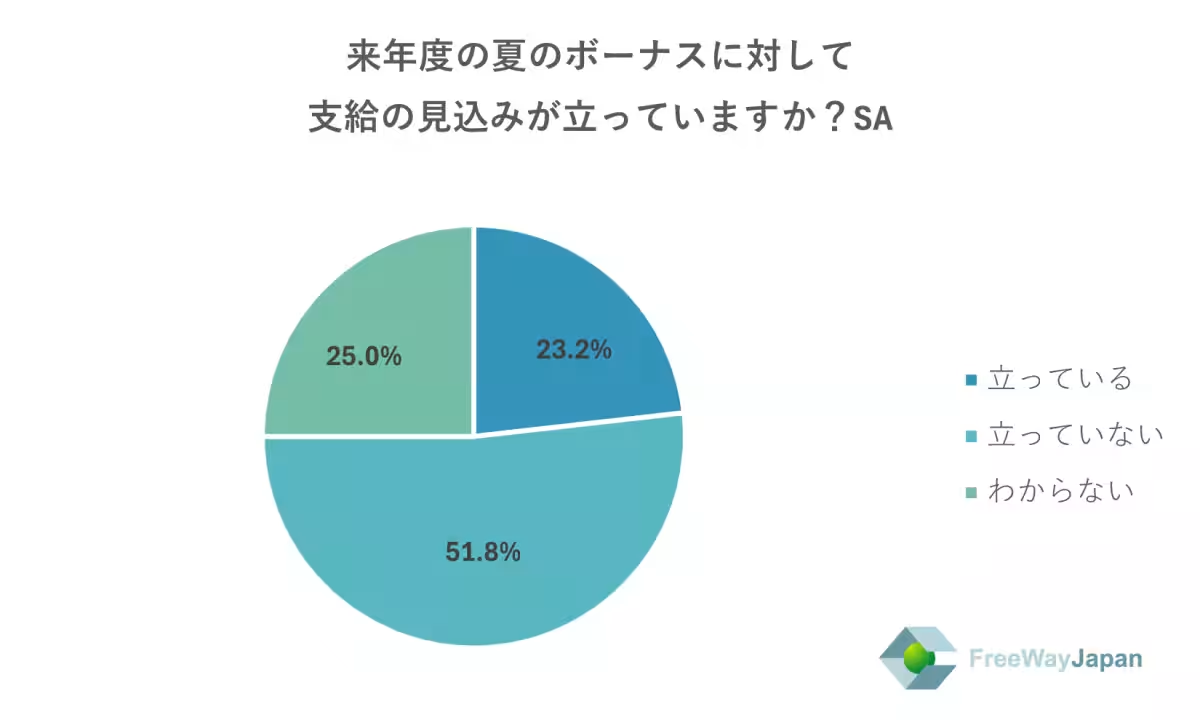
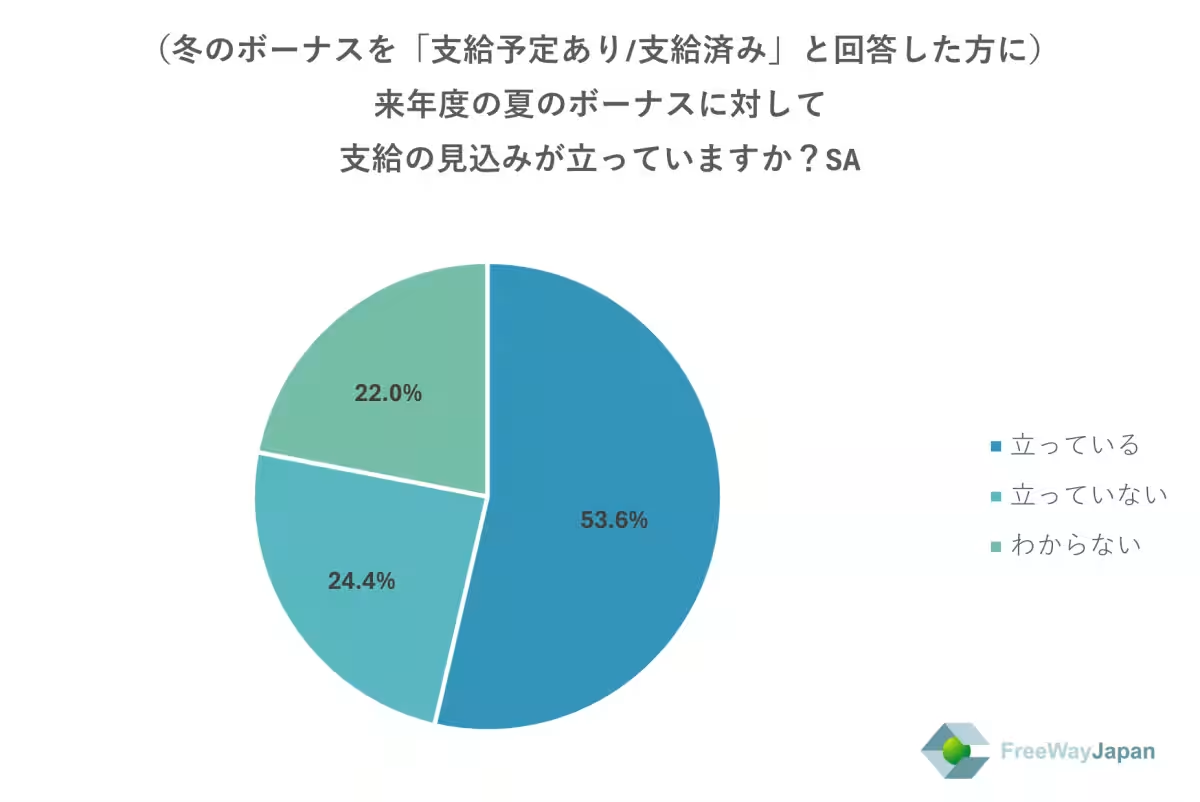
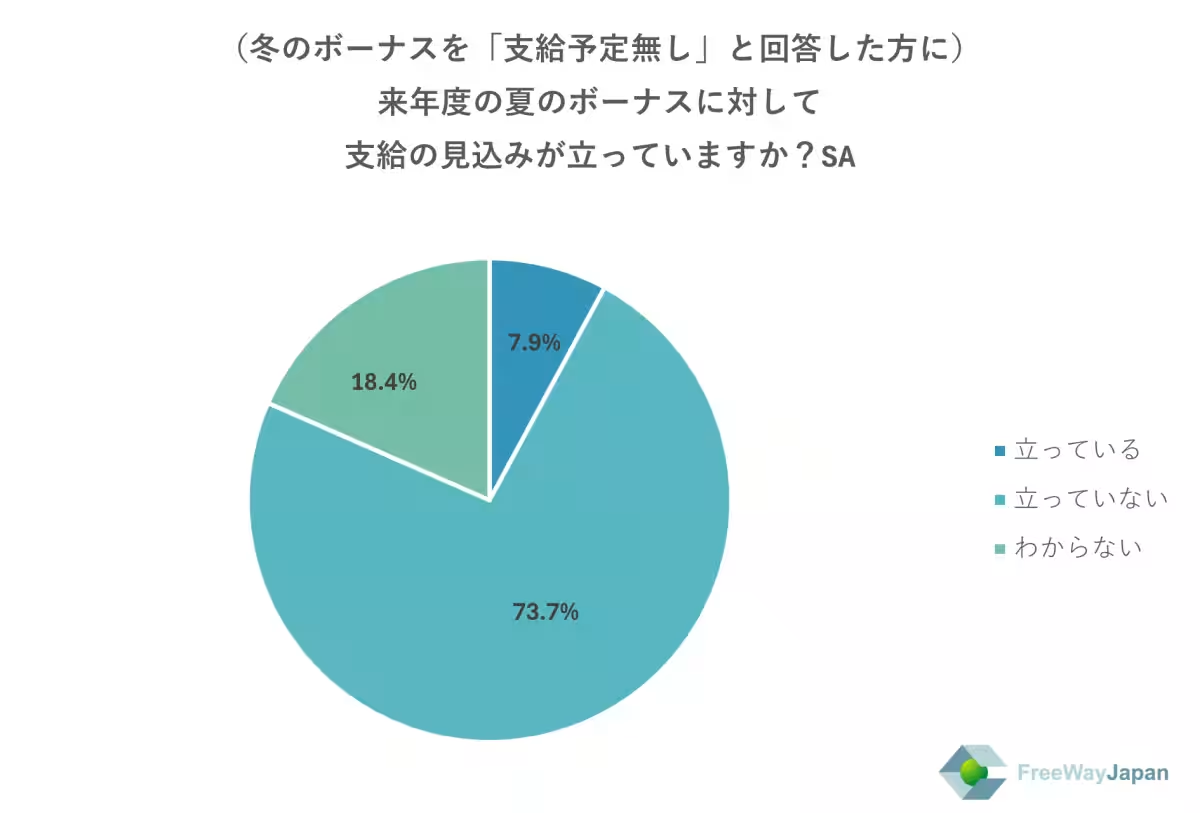
- - Expectations for the Upcoming Summer Bonus: Looking ahead to summer bonuses, 51.8% of representatives indicated that they do not foresee a bonus allocation.
Employee Perspectives
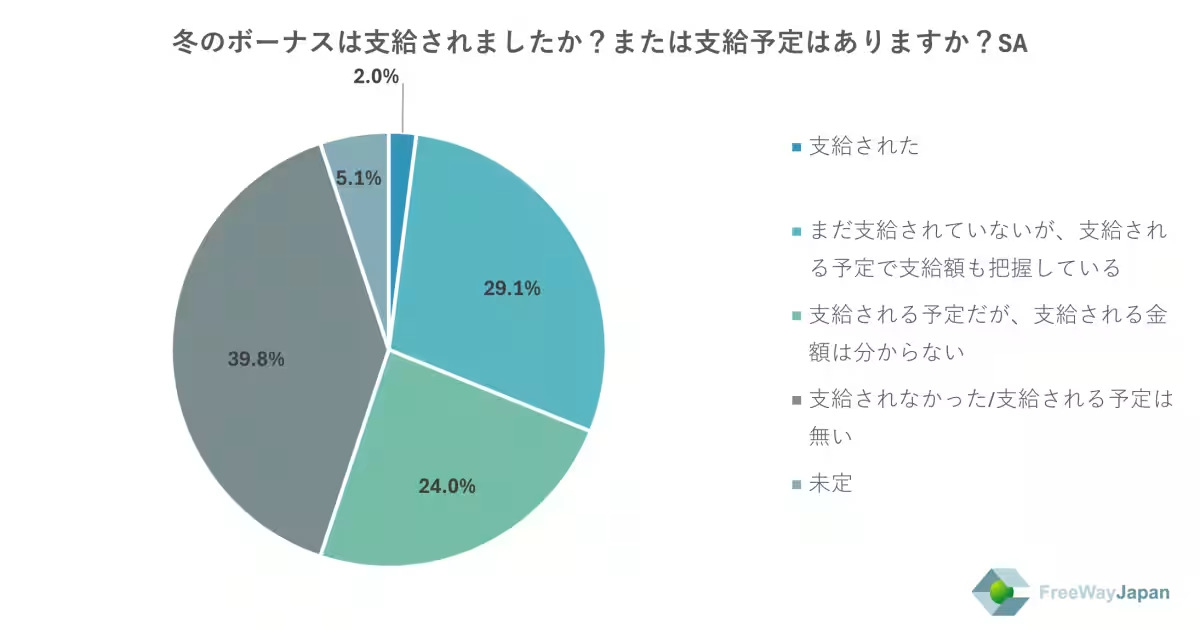
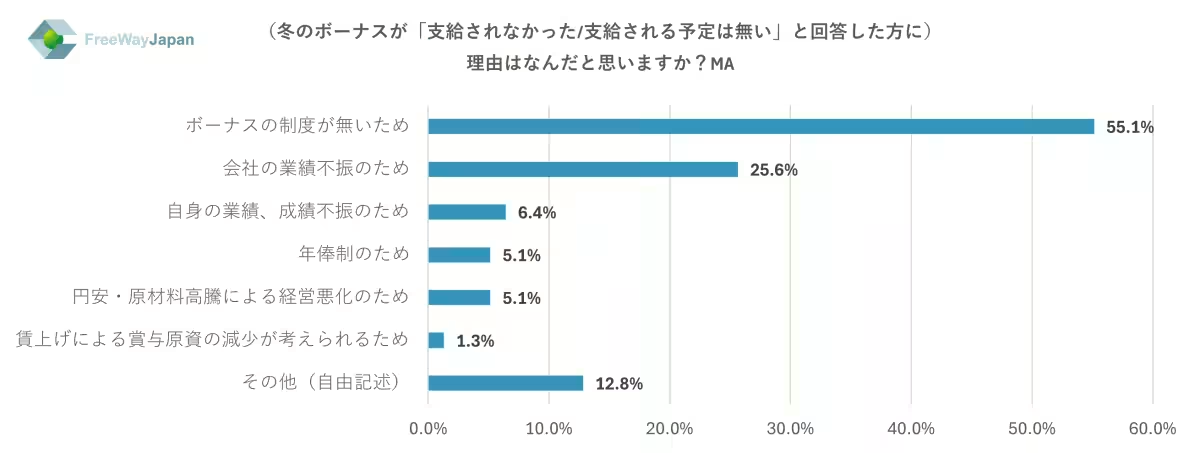
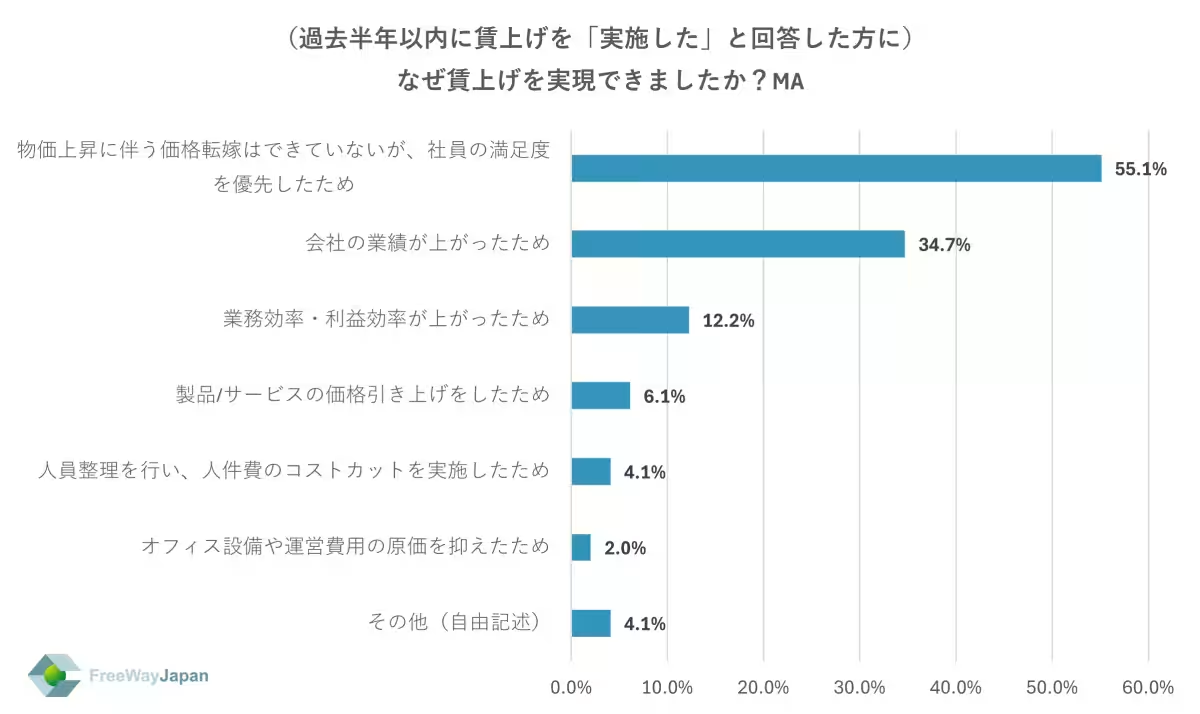
For employees and self-employed individuals, the survey revealed varied expectations regarding winter bonuses. A total of 39.8% reported that they did not receive a bonus or anticipate one in the current cycle, with the most common reason being the absence of a bonus system (55.1%).
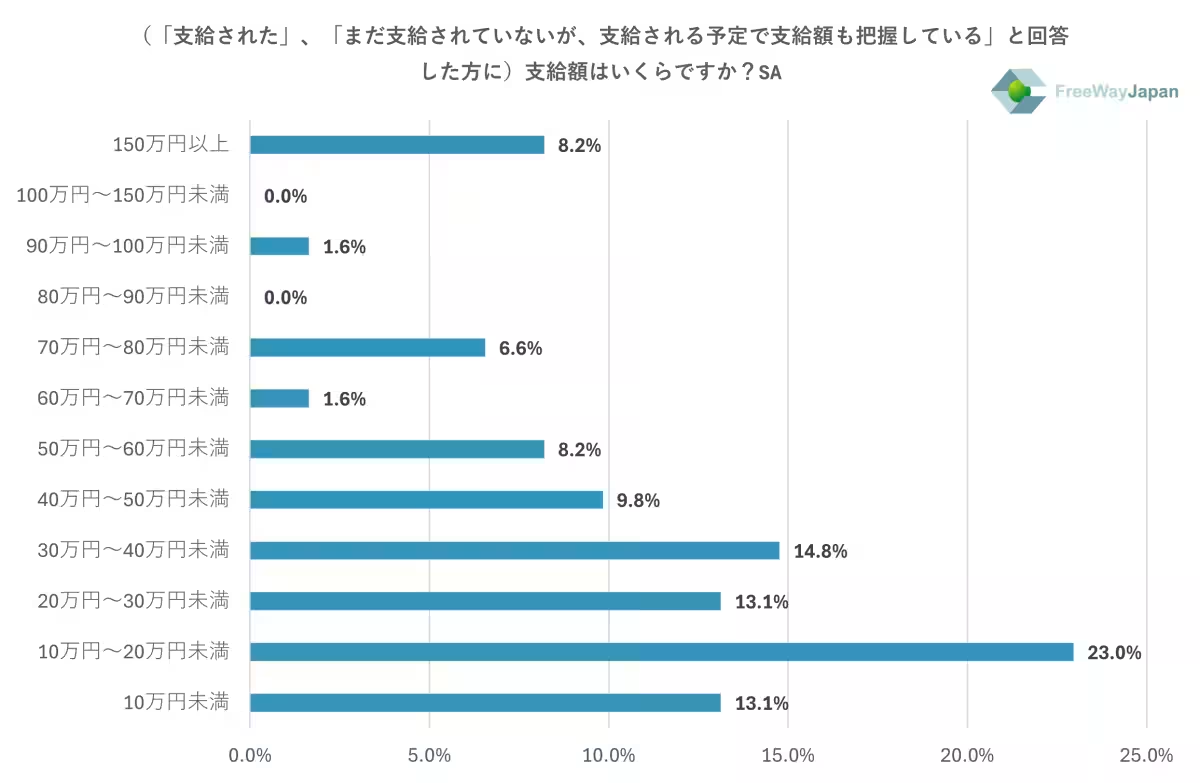
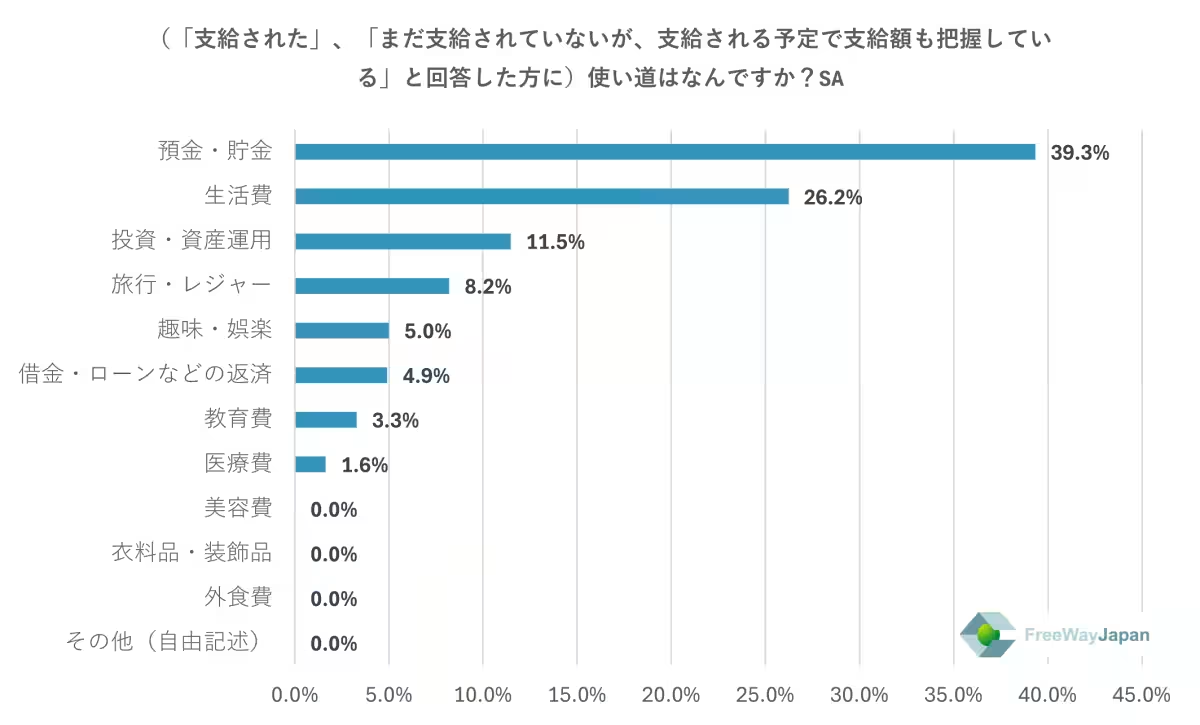
The survey indicated that the average bonus amount for those expecting payment is around 41.3 million yen, down approximately 100,000 yen from the 2024 average. These findings align with expectations of financial understanding about available bonuses, as participants emphasized using these funds for savings, living expenses, or investments.
Assessment of Bonus Amounts
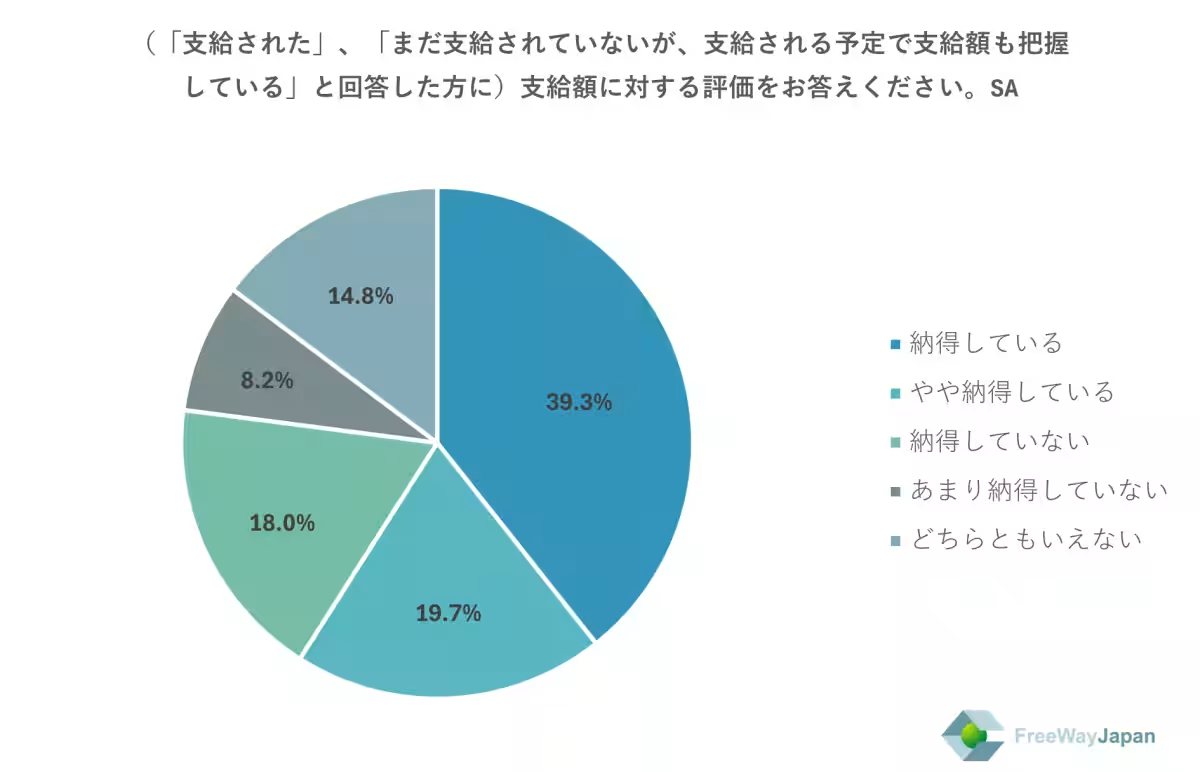
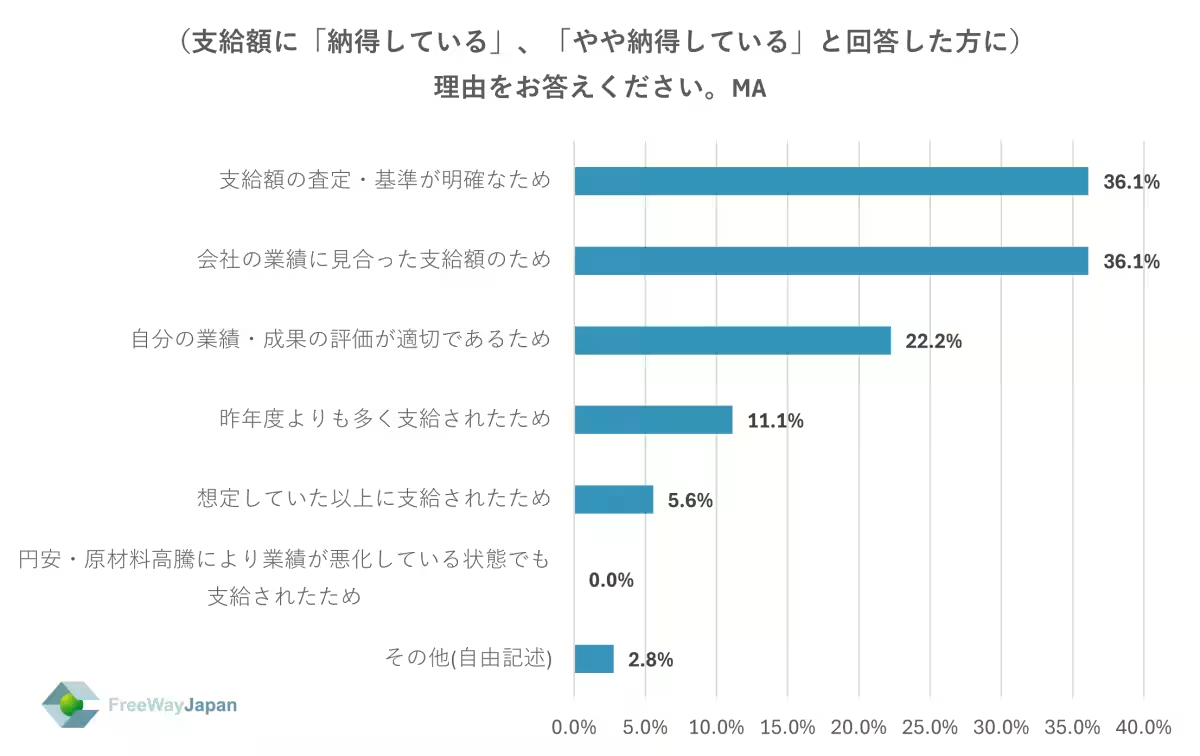
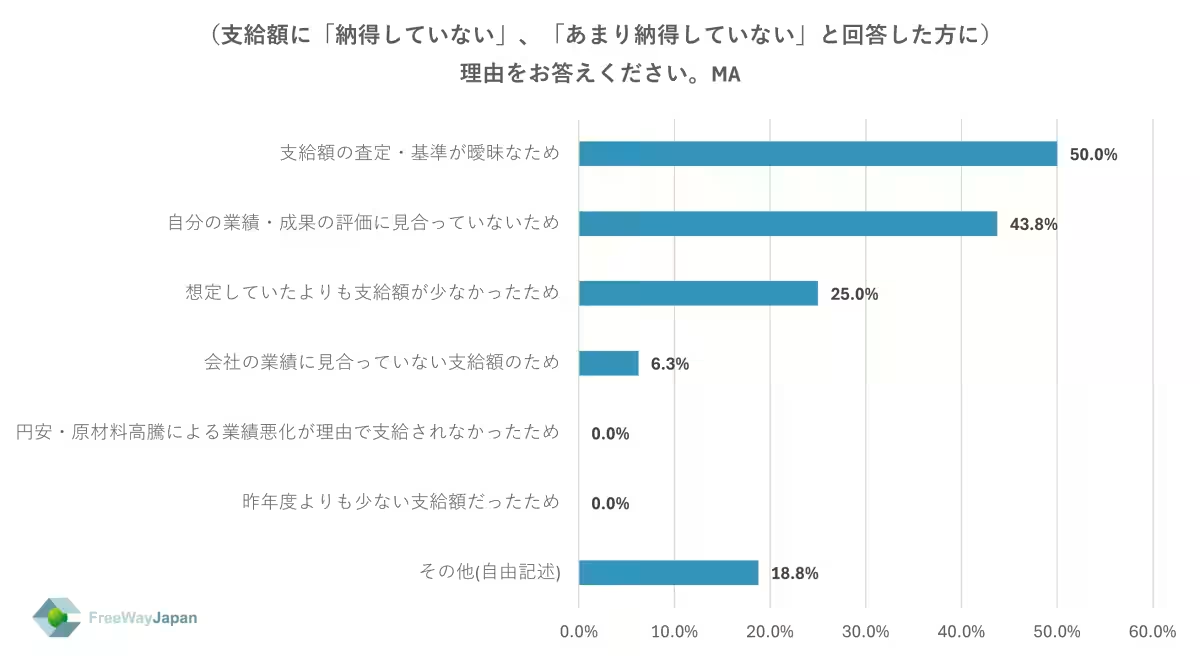
While about 59.0% of employees expressed satisfaction with their bonus amounts, notably citing that the amounts reflected corporate performance, 26.2% felt that their bonuses were insufficient based on performance evaluations.
Implications for Future Bonuses
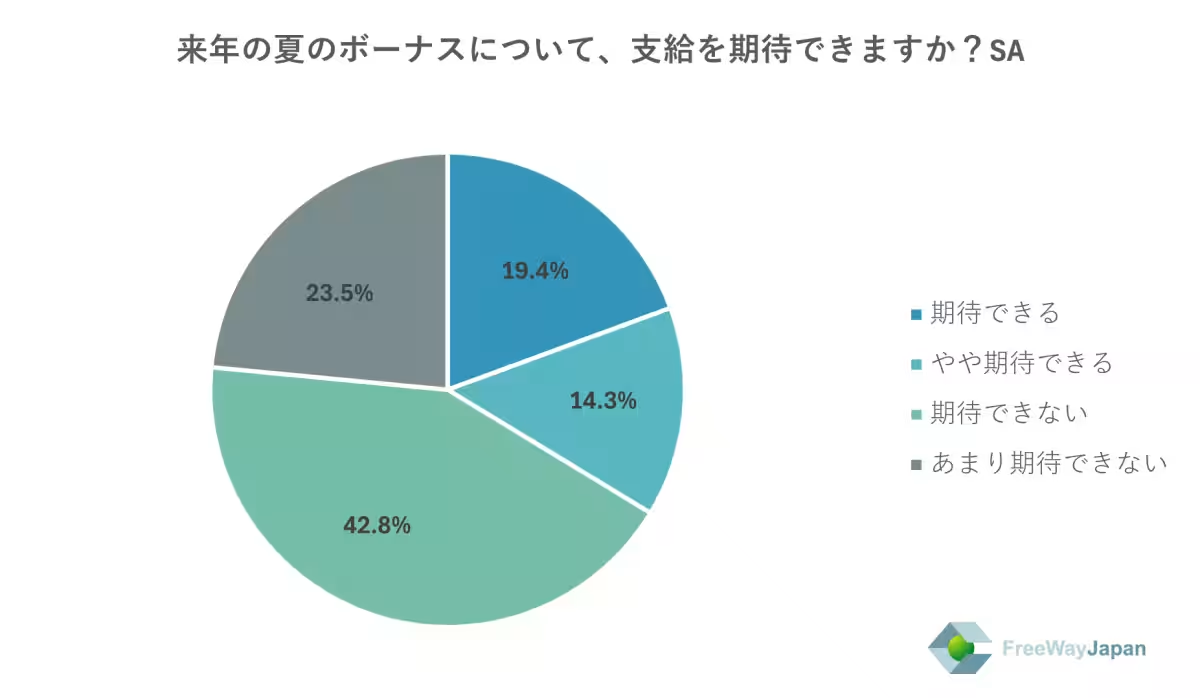
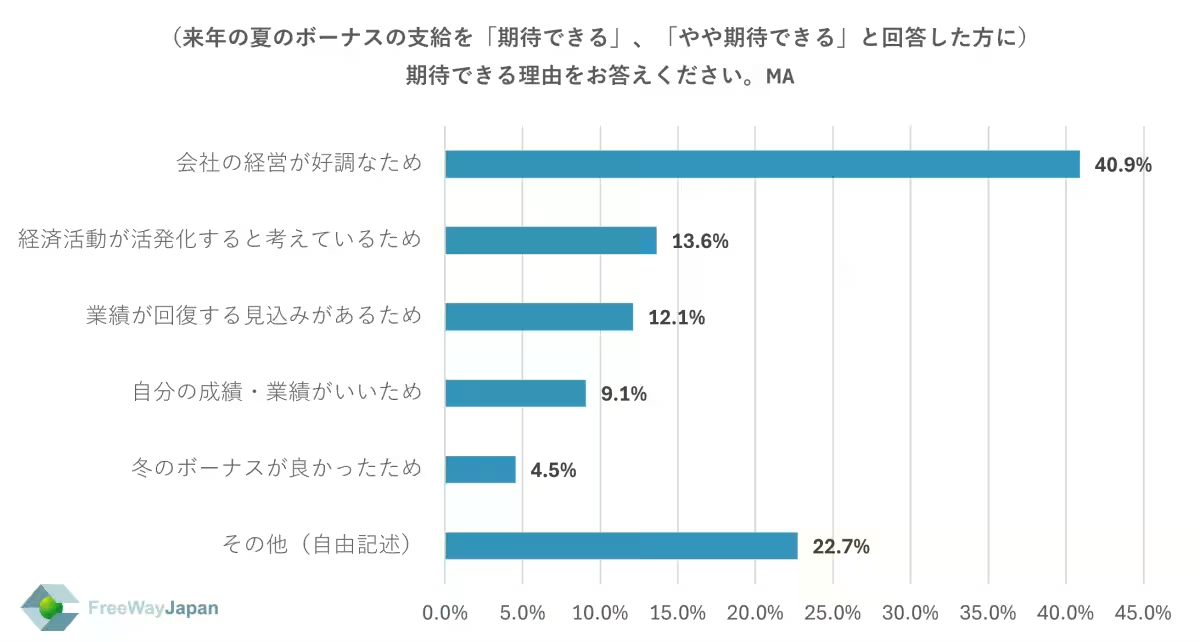
A significant finding from the survey was the outlook for the summer bonuses in 2026. Many employees (42.8%) expressed skepticism regarding bonuses, attributed primarily to ongoing company struggles or poor economic conditions. Encouragingly, those who remain optimistic often point to currently favorable company economic health as reasons for their positivity.
Conclusion
The results from Freeway Japan provide vital insights into the evolving dynamics between small and medium-sized enterprises, their performance, and how such factors directly influence employee compensation in the context of winter bonuses. As businesses navigate through economic uncertainties, these insights will be pivotal for understanding compensation trends and formulating future financial strategies within SMEs.
In summary, while some companies showed more readiness to allocate bonuses compared to last year, the continuing debate about compensation structures and performance standards will affect employee sentiment and retention in the broader business landscape. The upcoming summer will be a critical period to observe how these findings translate into tangible outcomes for employees and companies alike.



Topics Business Technology)
【About Using Articles】
You can freely use the title and article content by linking to the page where the article is posted.
※ Images cannot be used.
【About Links】
Links are free to use.