



Revolutionary Oral Reverse Aging Project Challenges Conventional Approaches to Well-Being
Pioneering Oral Reverse Aging: A New Era in Preventive Healthcare
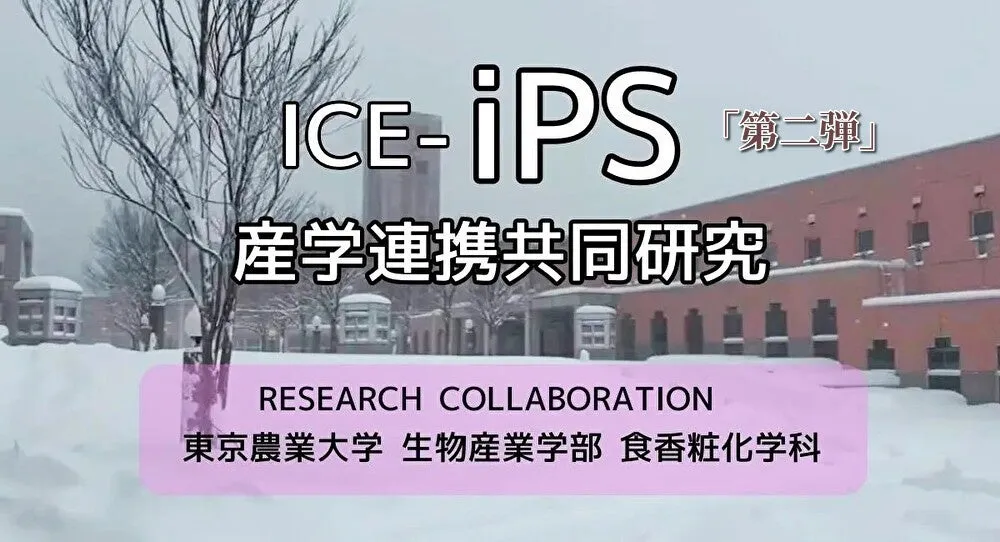
In an innovative collaboration, ICE Co., Ltd., based in Shinjuku, Tokyo, has embarked on a second phase of joint research with the Faculty of Biological Resources, Department of Food, Fragrance, and Cosmetics at Tokyo University of Agriculture, located in Abashiri, Hokkaido. This project aims to explore the concept of "Oral Reverse Aging," which focuses on rejuvenating the oral environment and enhancing taste sensitivity using cutting-edge iPS technology combined with a unique approach to flavor enhancement, currently under patent application.
The Importance of Flavor Sensitivity in Aging
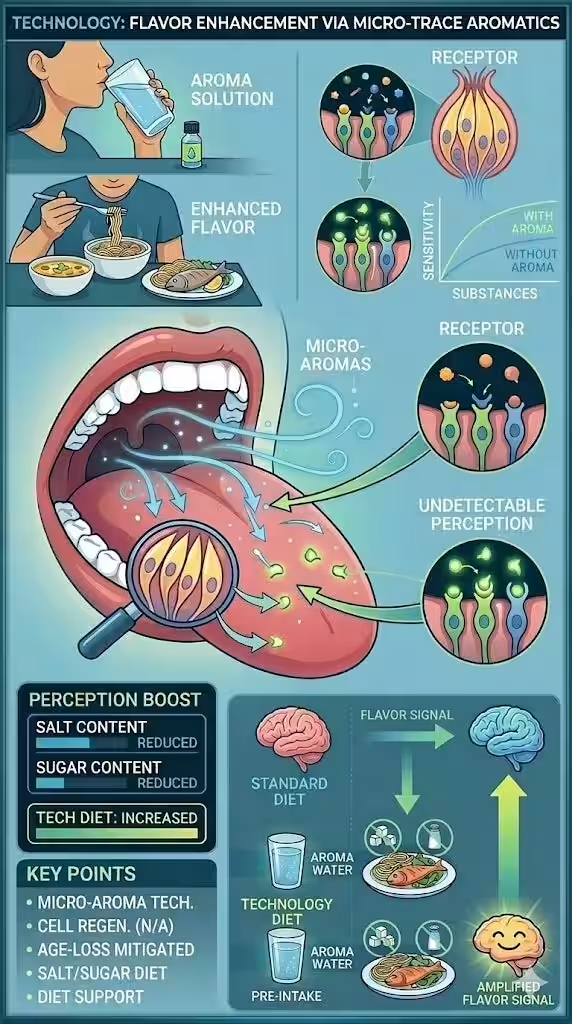
As individuals age, they often lose the ability to perceive certain tastes, particularly salty and rich flavors, leading to an unintended increase in salt and sugar intake. This shift can significantly contribute to the development of health issues, including lifestyle-related diseases. The research at hand utilizes the university's patented technology to amplify taste receptors. While it cannot directly prevent the degeneration of taste cells, enhancing flavor may facilitate a gradual reduction in salt and sugar consumption, ultimately fostering healthier eating habits.
Flavor Enhancement Technology from Tokyo University
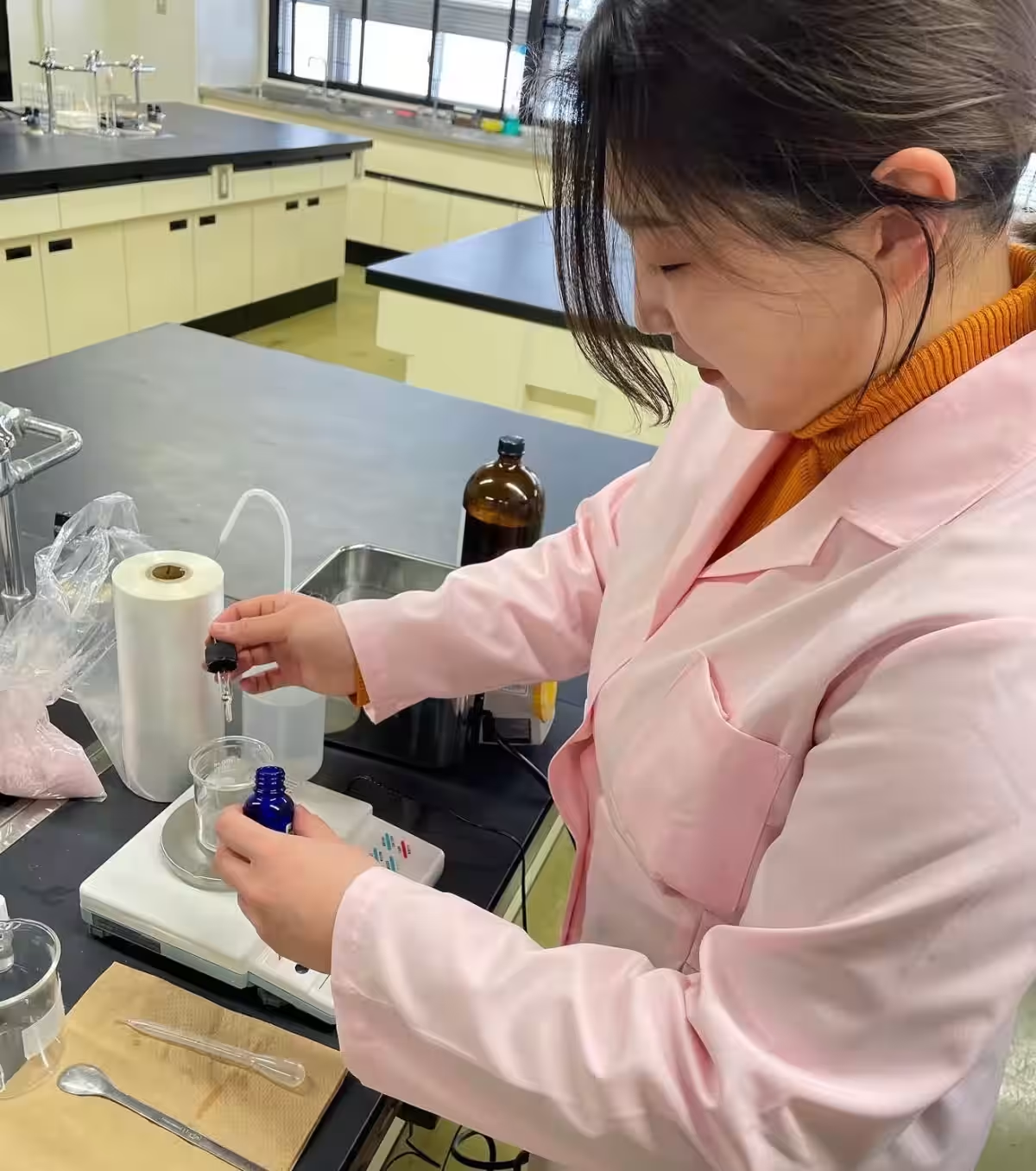
The novel approach developed by Tokyo University involves using trace amounts of aromatic compounds before a meal to enhance the overall dining experience. These compounds, such as pyrazine, can be taken without altering the taste or smell of food. Trials with reduced-sodium miso soup have shown that the simple act of swishing or consuming these aromas can significantly enhance flavor, allowing individuals with dietary restrictions or age-related taste decline to enjoy their meals more fully.
Developing Hybrid Ingredients Through iPS Technology
One of the most promising aspects of this research is the application of iPS technology, which has demonstrated remarkable properties in wound healing and anti-inflammatory responses. This study aspires to create a hybrid material that can improve both oral mucosal health and taste sensitivity by combining ICE's iPS-related technologies with the university's flavor enhancement methods. The anticipated benefits include:
- - Gum Health Improvement: Enhancing gum tissue regeneration and reducing inflammation with a wealth of cytokines and growth factors.
- - Rapid Wound Healing: Using exosomes to accelerate cellular repair signals, resulting in quicker healing of oral injuries.
- - Moisture Retention: Cultivating a healthy environment in the oral mucosa to prevent dry mouth and inhibit the growth of harmful bacteria.
Extending Benefits from Humans to Pets
The implications of this research extend far beyond human health. With the increasing age of pets, particularly dogs and cats, the technology aims to address oral health issues they face as well. This initiative integrates local resources with cutting-edge science, promoting community-driven revitalization alongside improved health outcomes.
About the Faculty of Biological Resources, Tokyo University
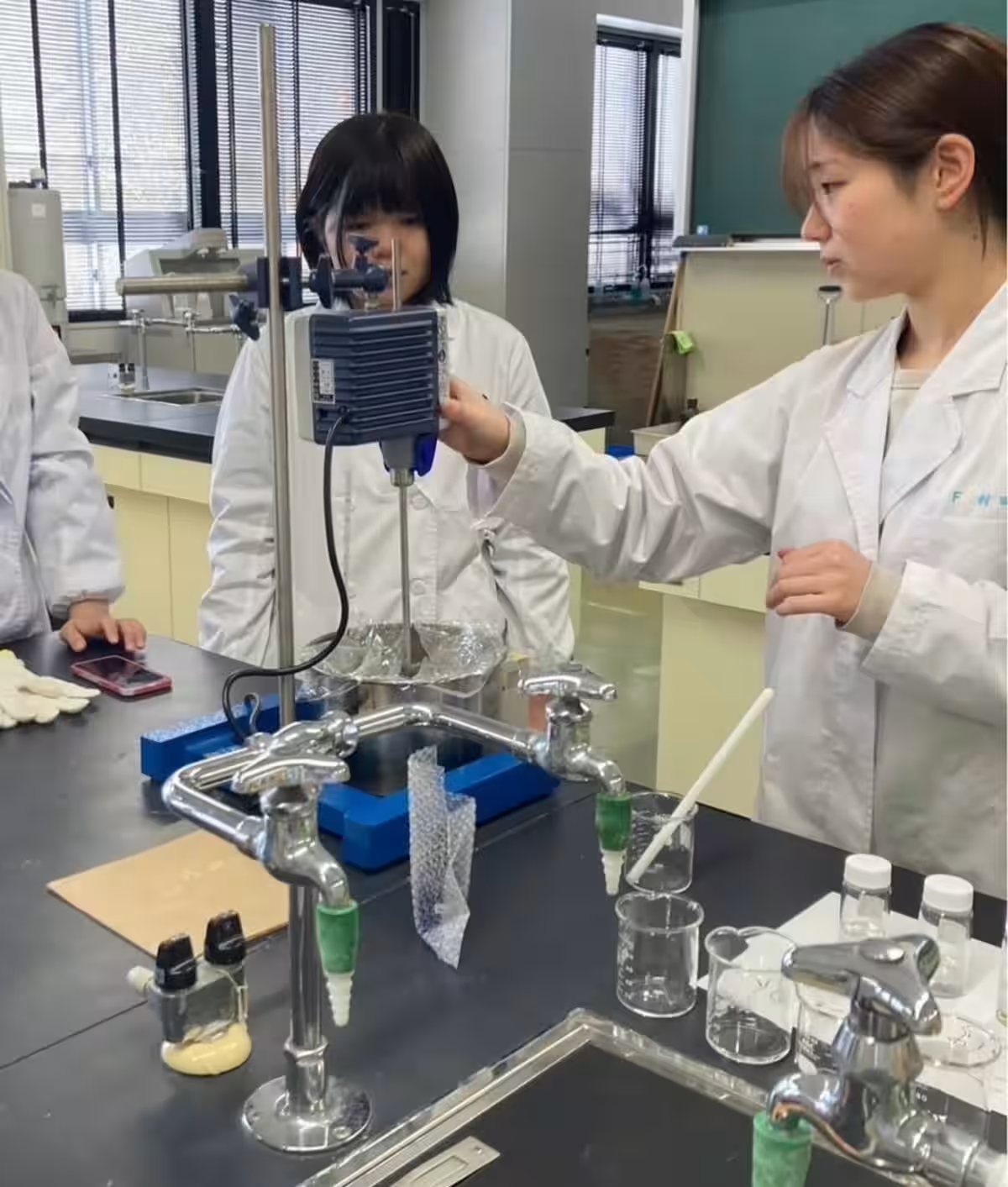
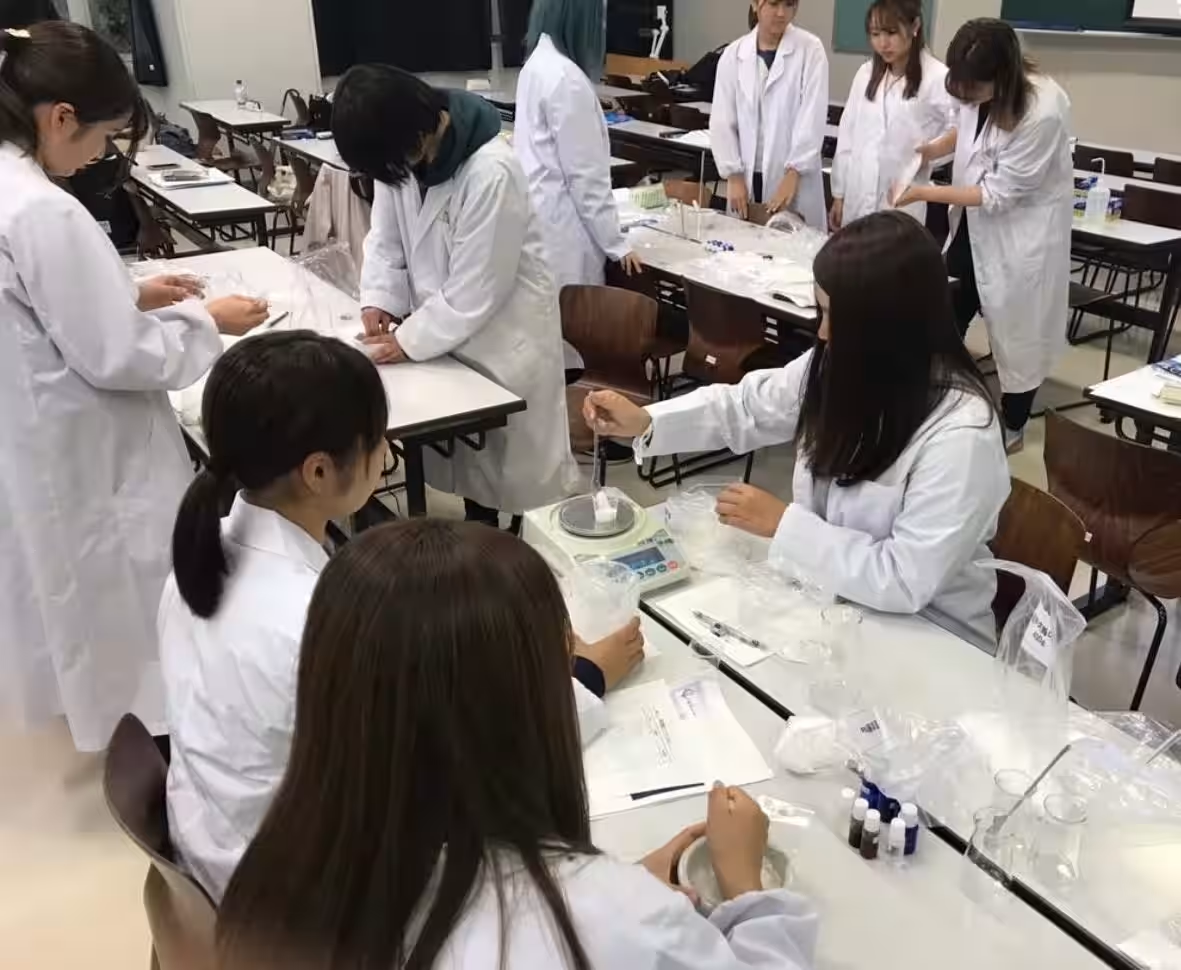
Tokyo University of Agriculture's Faculty of Biological Resources stands as a pioneer in integrating food science, fragrance creation, and cosmetics production. Situated in the rich natural surroundings of Abashiri, its curriculum reflects a unique opportunity for students to learn hands-on, directly connecting them to real-world business practices. The innovative curriculum emphasizes three interconnected domains: food science, fragrance, and cosmetics, equipping students with cross-disciplinary skills.
Key strengths of the program include:
1. Unique Triple Integration Curriculum: Students learn how to apply antioxidant properties from food science into anti-aging products.
2. Natural Resources: The program capitalizes on the functional properties of plants that thrive in Hokkaido’s harsh climate.
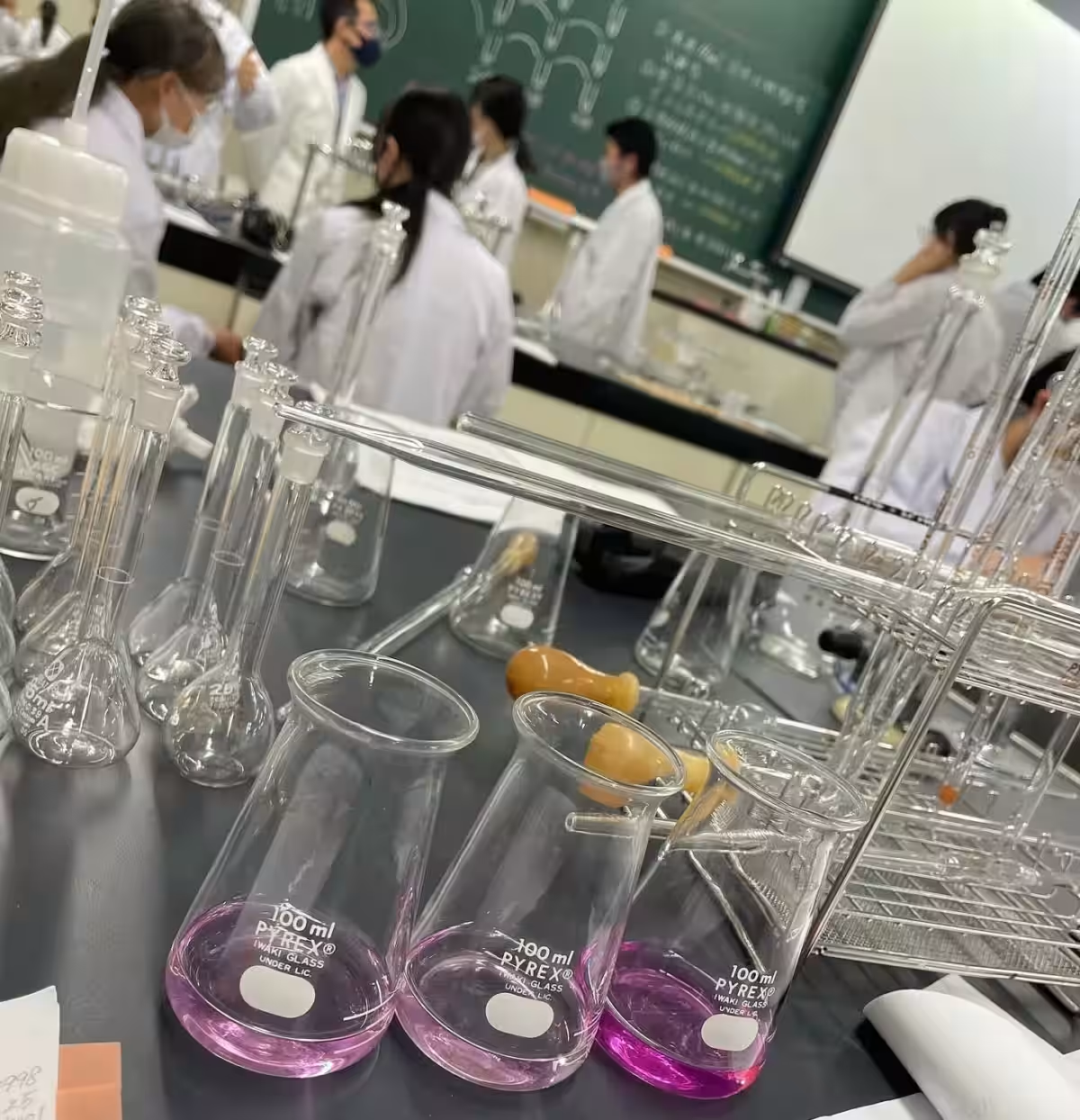
3. Advanced Research Facilities: Equipped with bio-laboratories, precision instruments for sensory analysis, and practical skills training, students are prepared for careers in research and development.
Student-Driven Projects and Local Impact
Included in this initiative is the Student Cosmetics® and Student Aroma® projects, which aim to harness the vitality of the local region by transforming underutilized resources into beauty products. This socially impactful program covers three main scales,
- - Discover: Identifying active beauty components from local agricultural waste.
- - Prove: Validating the effectiveness of ingredients through scientific analysis.
- - Deliver: Students lead the entire process from research to market, emphasizing sustainable beauty.
ICE's Commitment to Education and Innovation
ICE’s CEO, Kinya Sakamoto, brings extensive experience and a history of collaboration with Tokyo University, thus enriching students' involvement in advanced iPS-related projects. ICE’s commitment lies in bridging the gap between cutting-edge scientific discoveries and everyday wellness, fostering the next generation of innovators in the health and beauty sectors.
As ICE moves forward with this groundbreaking research, the potential to revolutionize preventive healthcare and improve quality of life through enhanced sensory experiences shines brightly on the horizon.

Topics Consumer Products & Retail)
【About Using Articles】
You can freely use the title and article content by linking to the page where the article is posted.
※ Images cannot be used.
【About Links】
Links are free to use.