



Cashless Trends: Youngsters Embrace Digital Payments Earlier Than Ever
Cashless Trends: Youngsters Embrace Digital Payments Earlier Than Ever
A recent survey conducted by Nudge Inc., based in Tokyo, explored the cashless payment habits of users aged 18 and older, revealing noteworthy trends. The research involved 2,850 participants and revealed that the age at which younger generations begin using cashless payments has decreased significantly compared to earlier generations.
Early Adoption of Cashless Payments
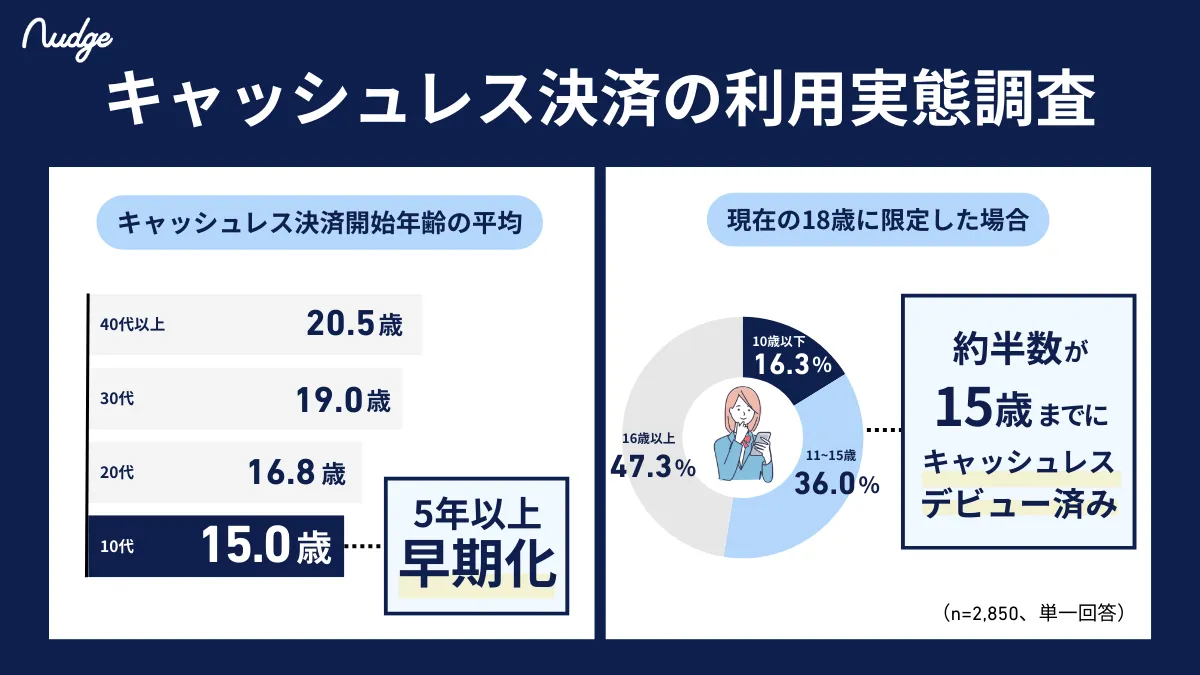
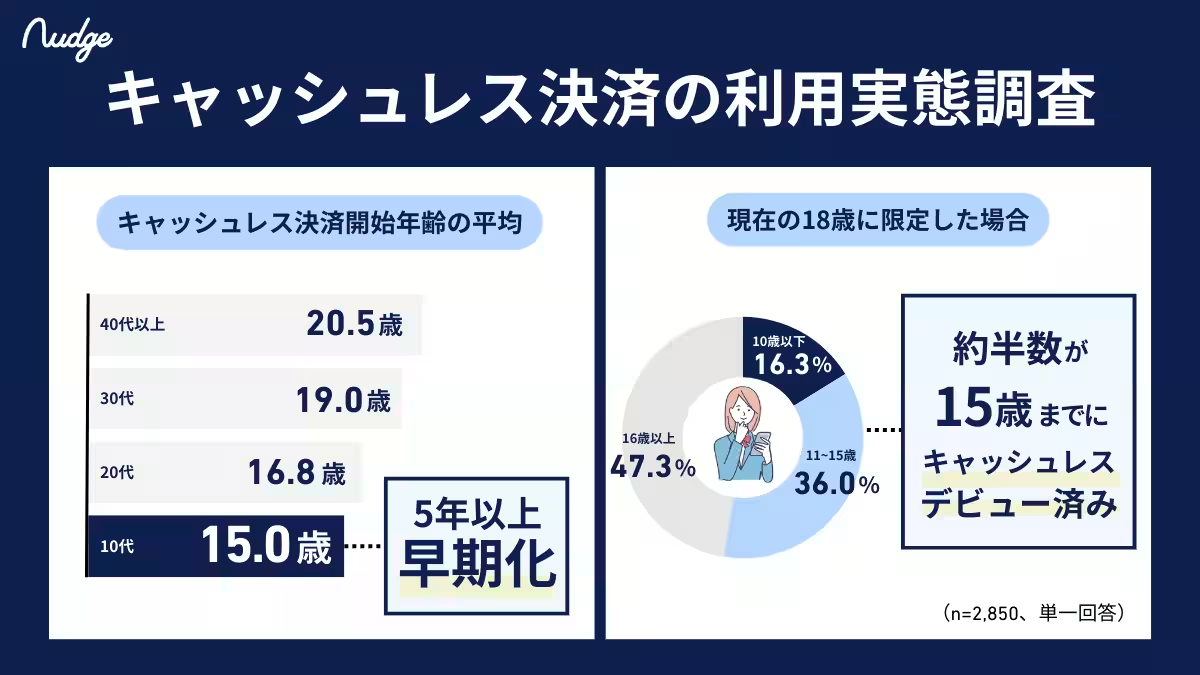
The survey indicated that the average age for starting to use cashless payments among teenagers, specifically those aged 18 and 19, is about 15 years. This is a significant drop from the average age of 20.5 years for those aged 40 and above, marking a shift of over five years. Remarkably, about 52.3% of 18-year-olds had already adopted cashless payment methods before reaching high school.
Benefits and Concerns Regarding Credit Cards
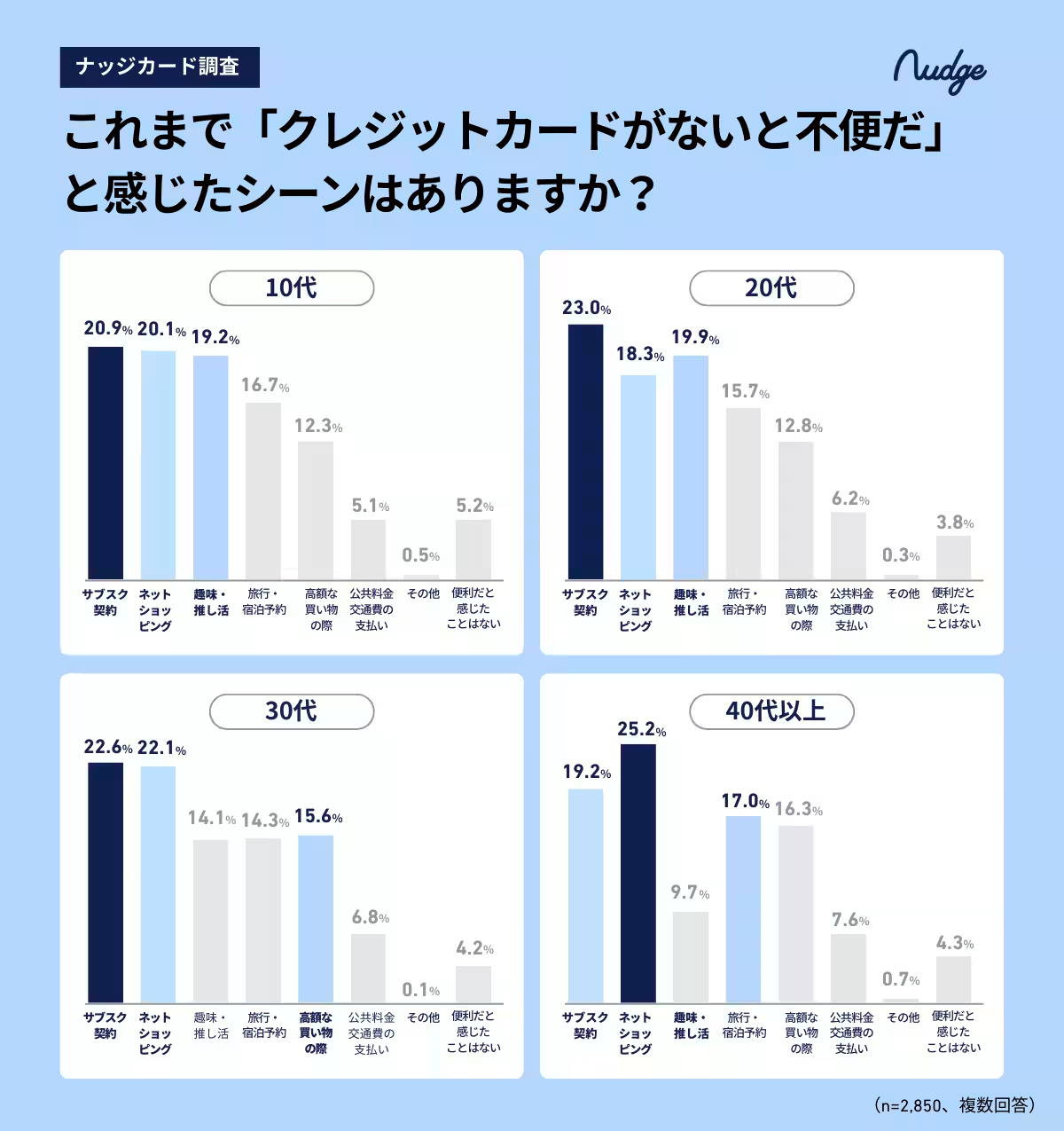
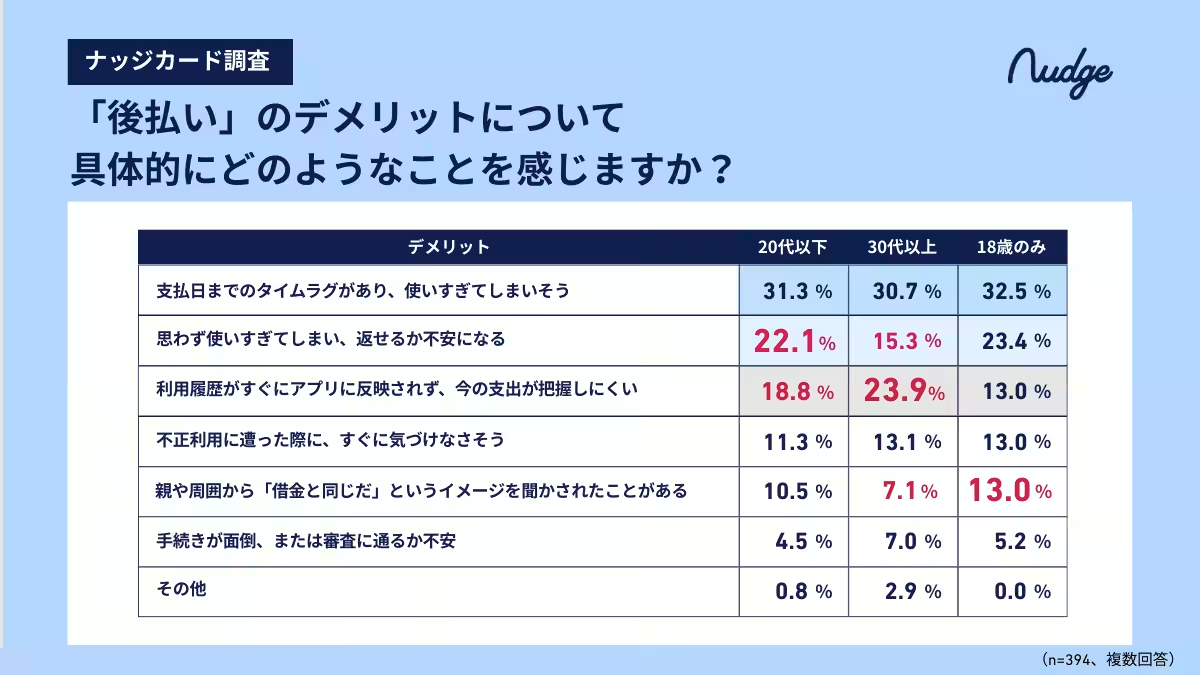
While a significant 95.7% of respondents noted the inconvenience of not having a credit card, the survey also highlighted specific concerns among younger users. Compared to individuals in their 30s and older, younger respondents exhibited approximately 1.5 times more anxiety regarding their repayment capabilities, with many expressing feeling overwhelmed by potential debt due to the allure of spending—an insight that revealed the dual-edged nature of cashless transactions. Additionally, many reported hearing that using a credit card equates to accruing debt, this sentiment resonated particularly among 18-year-olds, who were about twice as likely to report such influences compared to those in their 30s or older.
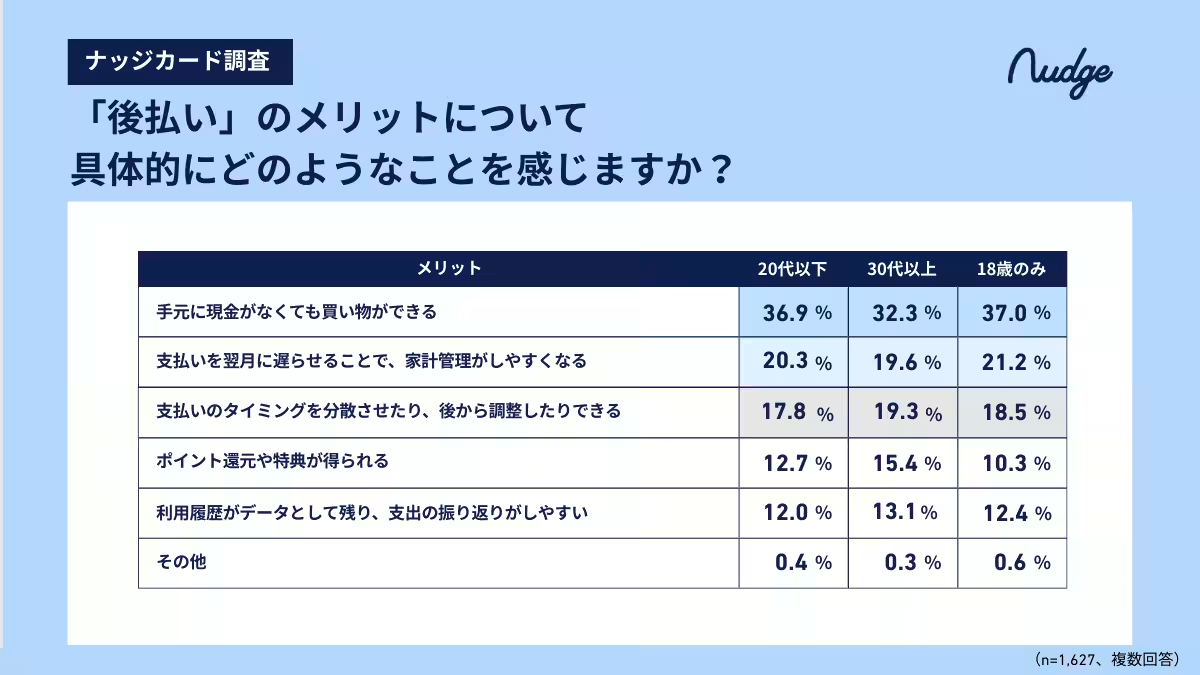
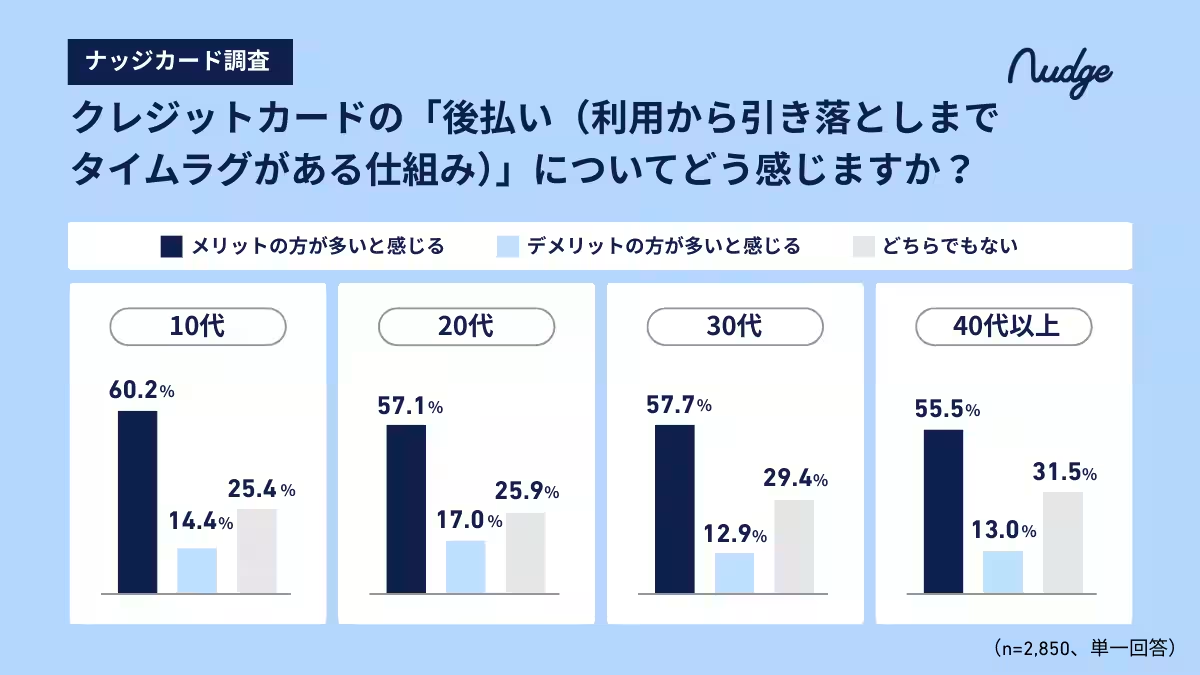
Interestingly, despite the fears regarding debt management, approximately 60% across all age groups felt that the benefits of using credit cards outweigh the drawbacks. This hints at a burgeoning acceptance among younger generations of the conveniences offered by such financial tools.
Credit Cards as Essential Tools for Youth
A staggering 95.7% of all surveyed stressed the necessity of credit cards in their daily life, especially among youth who find them indispensable for hobbies and entertainment purchases—activities that include concert tickets, fan club memberships, and related merchandise. This reliance positions credit cards as integral to the lifestyle of today’s younger generations.
Prioritizing Ease of Use Over Rewards
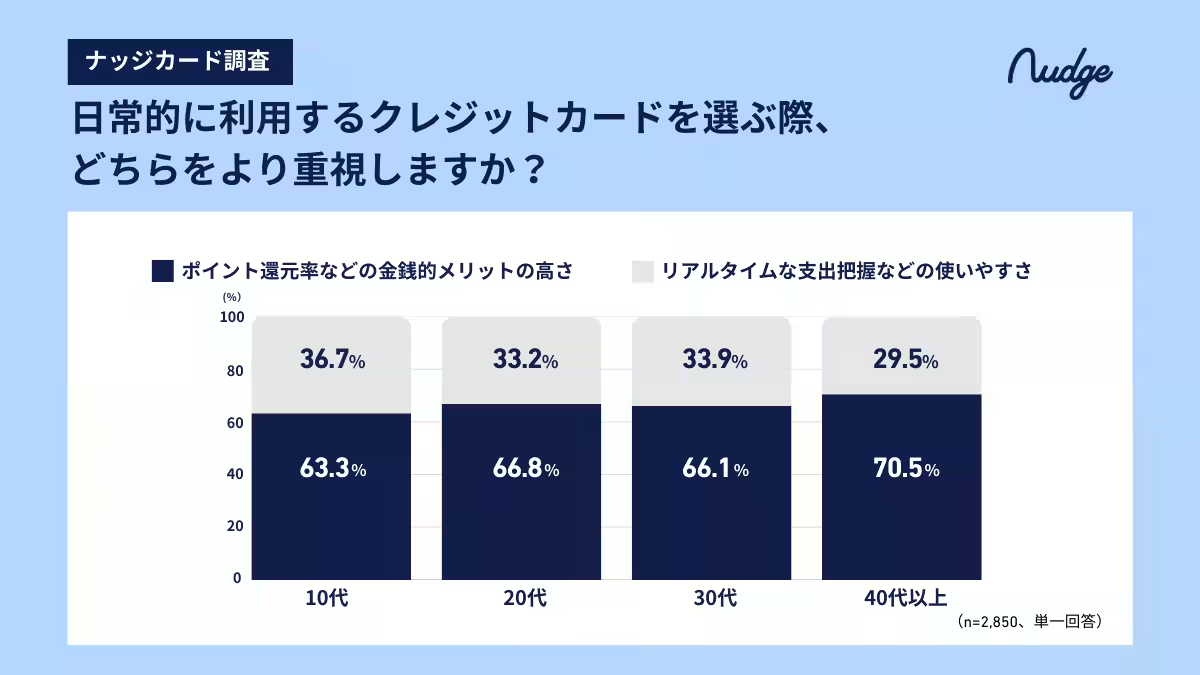
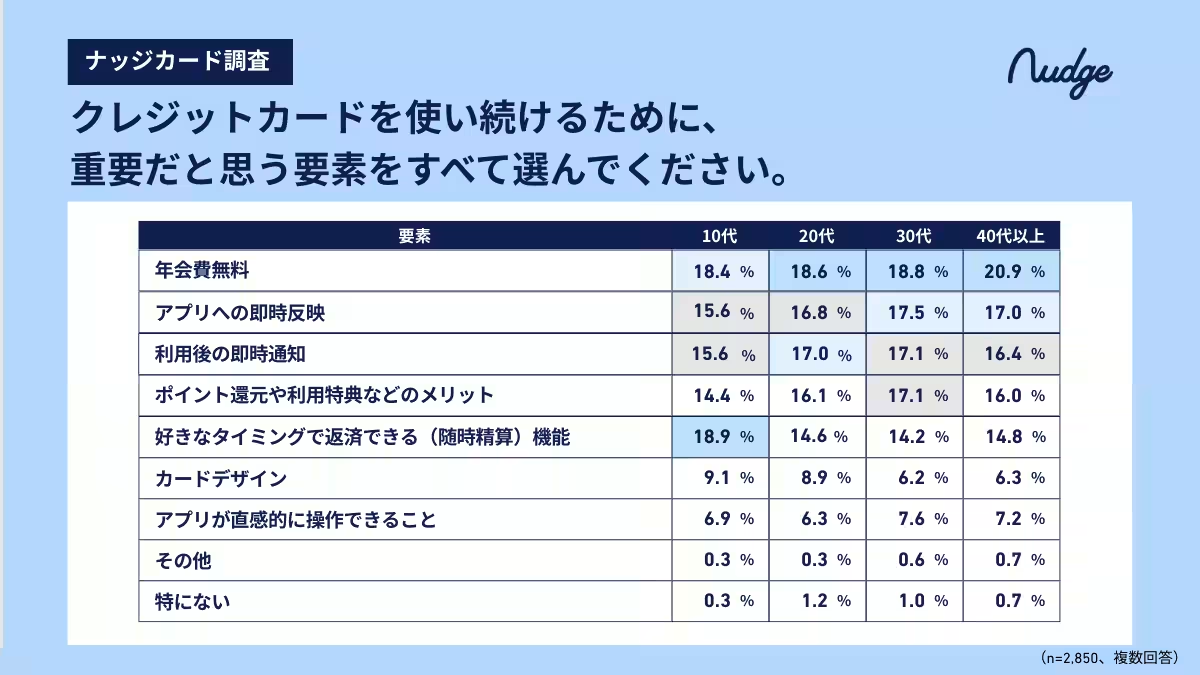
In terms of card selection, a third of respondents favored usability—real-time expense tracking—over reward points that credit cards offer. Among teenagers, this preference for an easy-to-use financial tool reaches up to 36.7%. Such preferences suggest a growing inclination to prioritize immediate financial visibility over long-term incentives, marking a fundamental evolution in their approach to personal finance.
Why Nudge Card Appeals to Youth
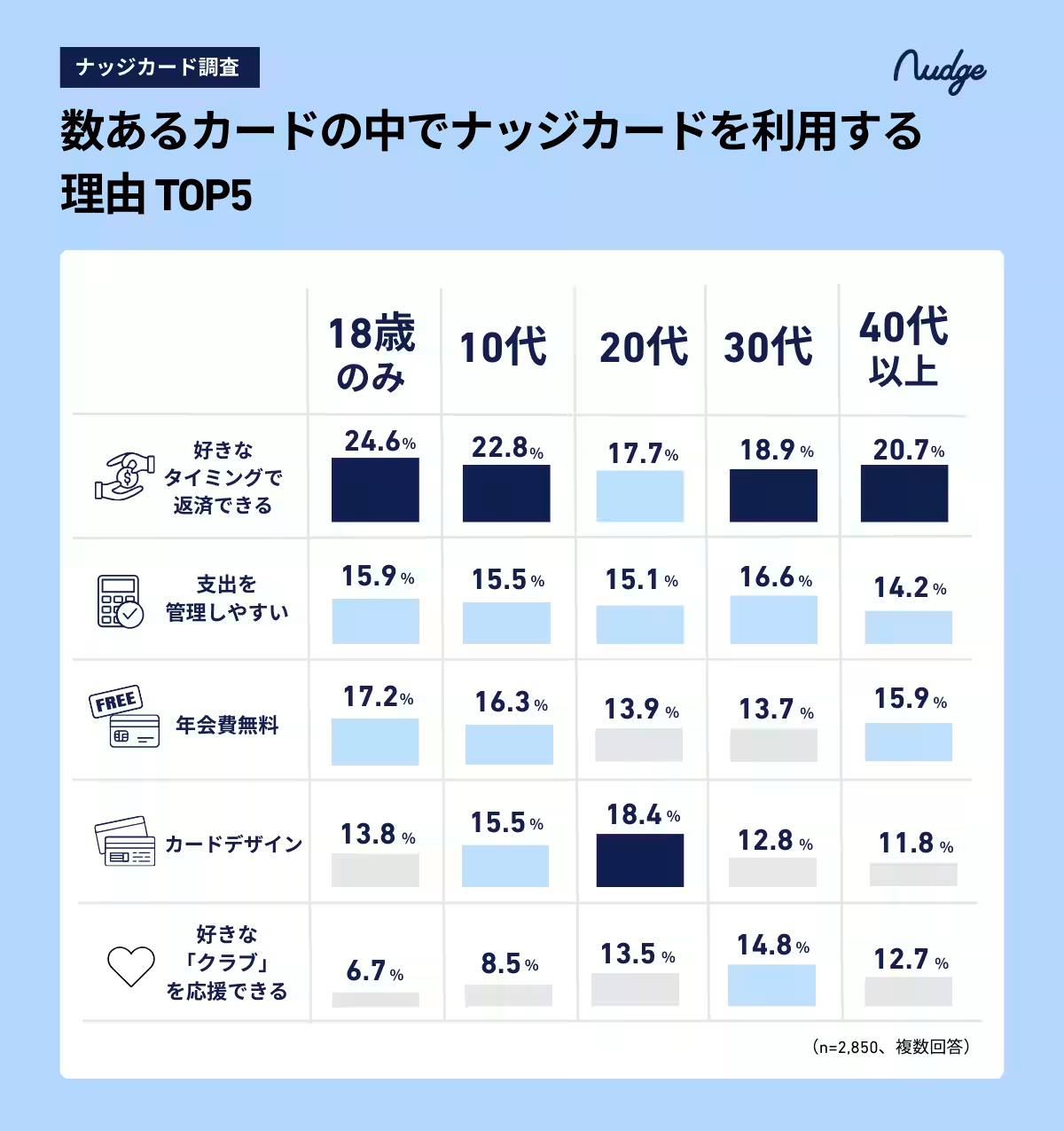
The Nudge Card, marketed as a flexible product, stood out in the survey, capturing the attention of around 24.6% of 18-year-olds who appreciate the ability to repay at their convenience and have their credit lines reset immediately after payment—an appealing feature for first-time credit card users. Unlike traditional billing cycles, which typically require monthly payments, the flexibility inherent in managing expenses allows younger users to feel more in control of their finances.
Conclusion
In an era where cashless payments are becoming increasingly normal, our research shines a light on the specific experiences and preferences of younger generations. As their comfort with digital payments continues to rise, financial institutions must adapt to meet their needs while also addressing the psychological barriers that these youths face.
Further Insights
For media inquiries or more detailed data regarding this survey, please contact our press relations team. The complete report includes various demographics and further analysis of the changing attitudes toward cashless transactions and credit card usage among different generations.
About Nudge Inc.
Nudge Inc. launched in 2020, with a mission to innovate financial experiences through individual actions. Our offerings cater especially to young users, ensuring that their entry into financial tools is as seamless and secure as possible, paving the way for a comprehensive understanding of their financial health and spending habits.
Topics Consumer Products & Retail)







【About Using Articles】
You can freely use the title and article content by linking to the page where the article is posted.
※ Images cannot be used.
【About Links】
Links are free to use.