



Over 90% of End Users Prioritize Security Equipment in Real Estate, Yet Adoption Rates Differ
Security Equipment in Real Estate: Insights from Recent Survey
In a recent survey conducted by Ielove Group, a company specializing in digital transformation support for the real estate industry, it was revealed that more than 90% of end users prioritize security equipment when selecting their homes. The survey included responses from 141 real estate professionals and 944 end users, providing a comprehensive view of current trends in home security.
Survey Overview
The survey aimed to shed light on the heightened security awareness in our society, particularly concerning home environments. Respondents expressed that both the risk of crime and the need for a safe living environment now significantly influence their housing decisions.
Key Findings:
1. Approximately 70% of end users are concerned about burglary and neighborhood disputes.
2. Despite a high demand for security features, only around half of real estate companies have adopted these measures.
3. Many end users not only desire thorough security equipment but also request detailed safety explanations from real estate companies.
Security Concerns Among End Users
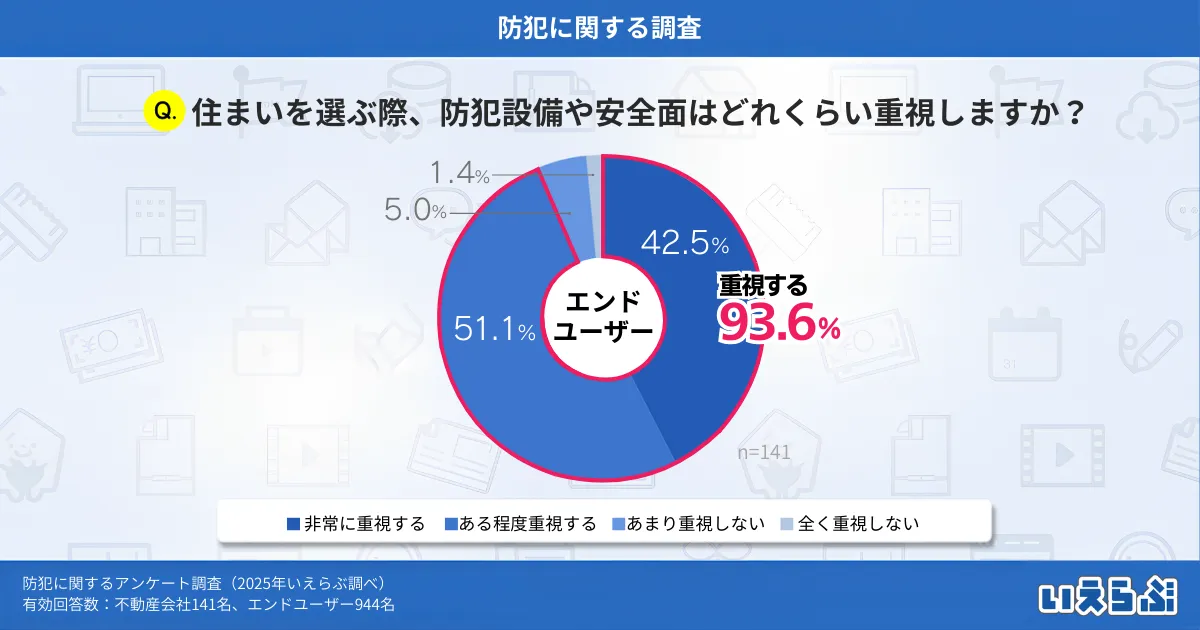
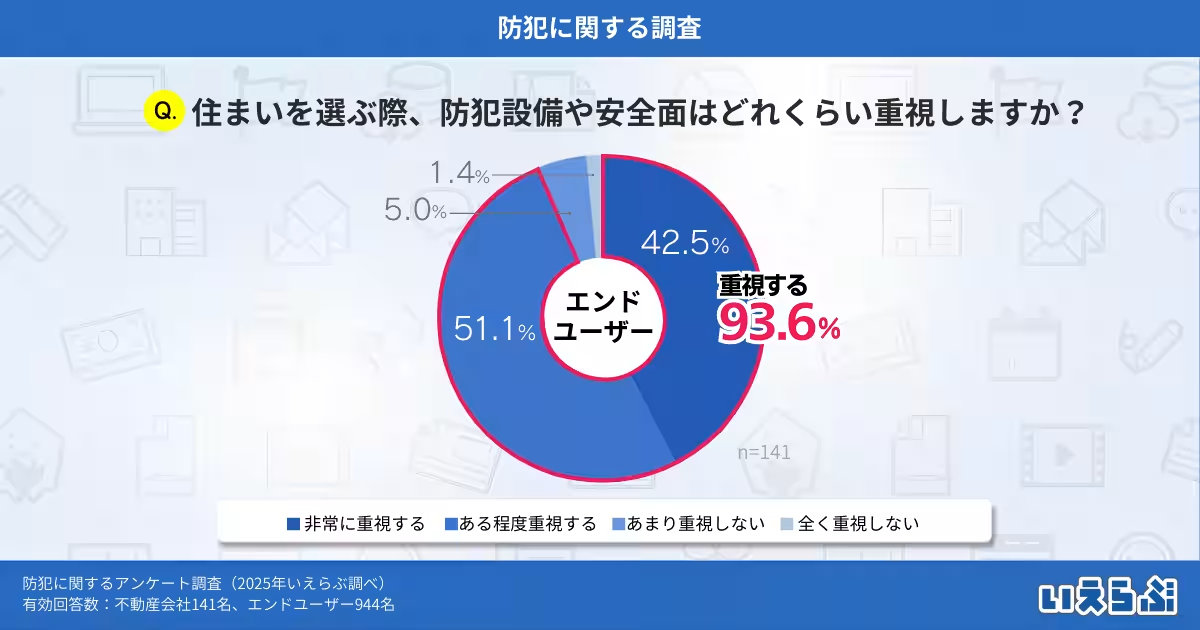
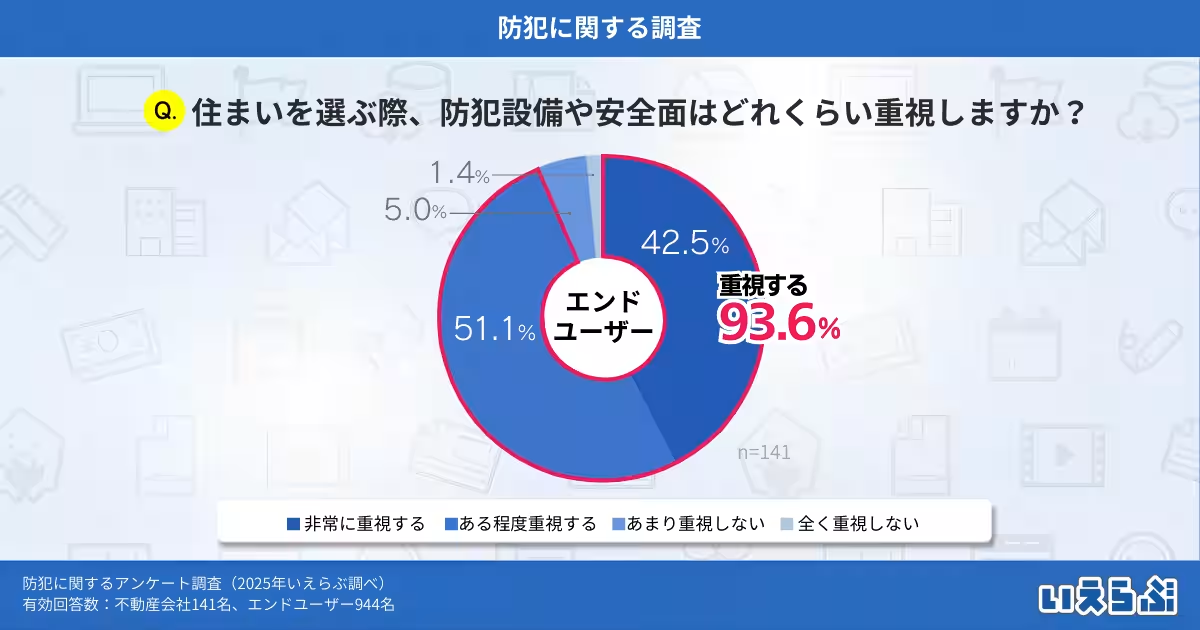
When asked about the importance of security features during their home selection process, responses revealed that 42.5% of end users rated them as very important, while 51.1% considered them somewhat important. Only a small percentage, 5.0%, did not prioritize security at all.
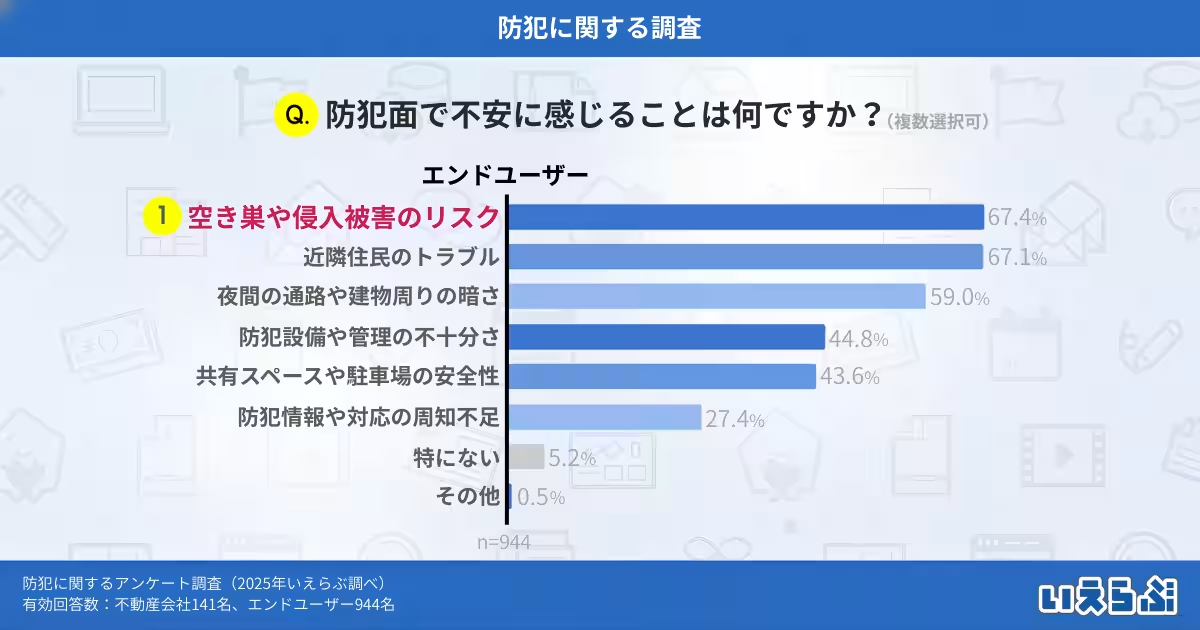
End users expressed primary concerns regarding security threats, highlighting risks of burglary (67.4%) and disputes with neighbors (67.1%). Additionally, 59.0% of respondents cited worries about inadequate lighting around their homes at night. This shows that concerns not only pertain to the existence of security devices but also to the overall safety and comfort of their living environment.
Demand for Security Features vs. Adoption by Companies
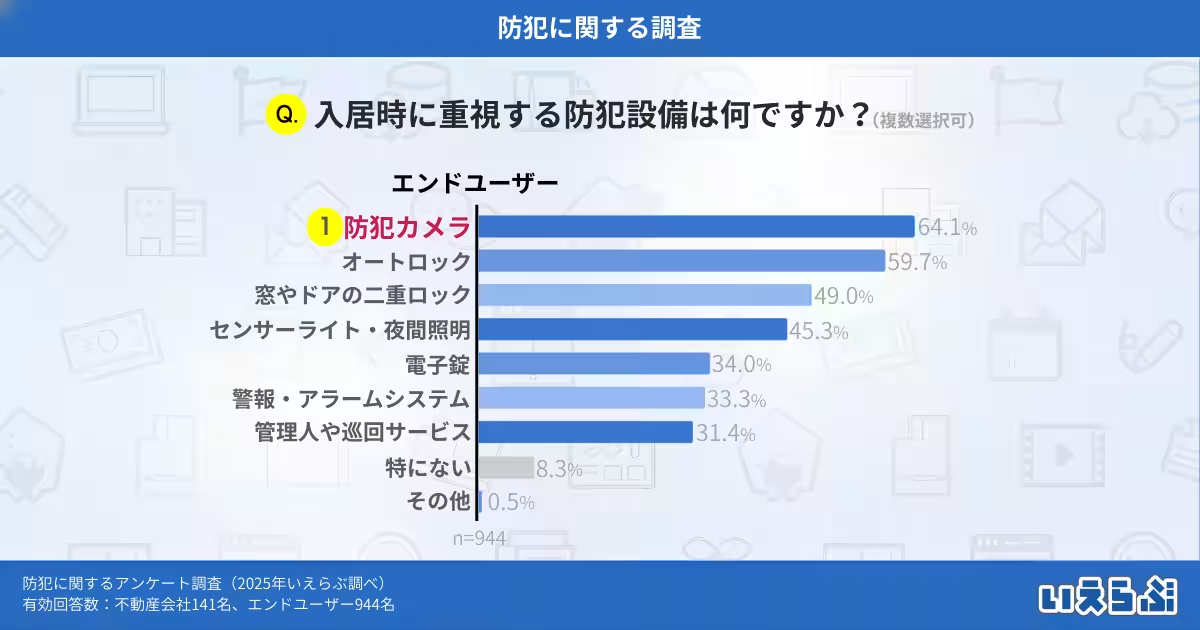
Further inquiries about which specific security features end users consider essential revealed that 64.1% prioritized security cameras, followed by 59.7% opting for auto-lock systems, and 49.0% preferring double locks on windows and doors. These figures indicate a strong and diverse demand for various security installations.
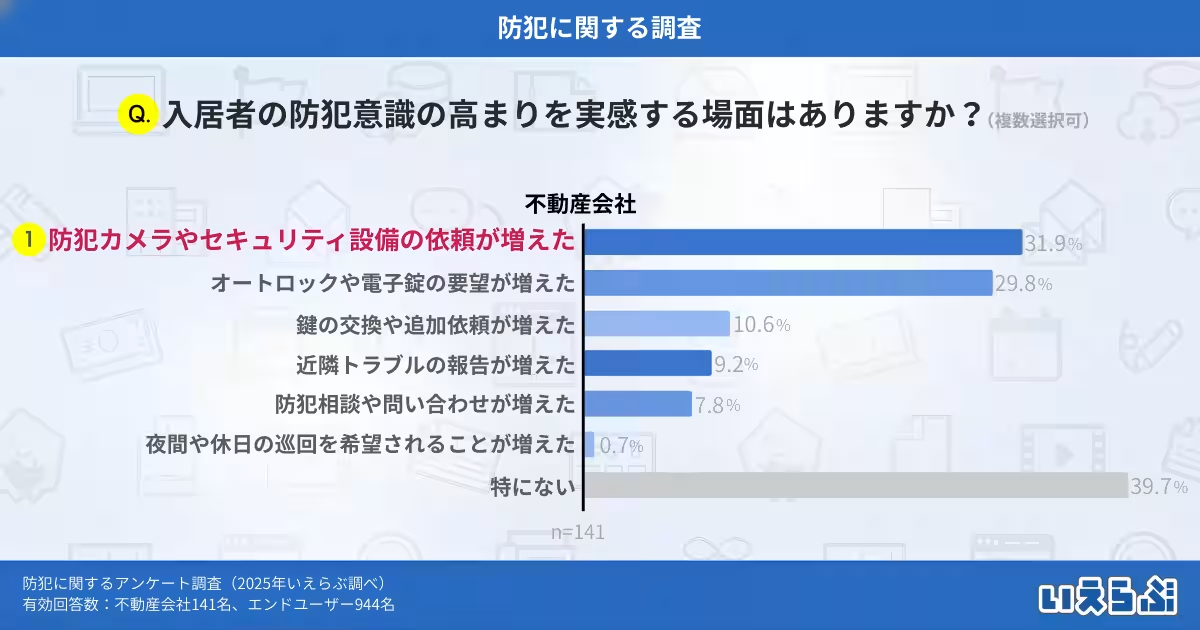
Interestingly, when real estate professionals were asked about their perceptions of increasing security awareness among tenants, nearly 40% stated they had not observed any changes. However, for those who did notice a shift, requests for security cameras and other security installations have notably increased, aligning with the preferences revealed by end users.
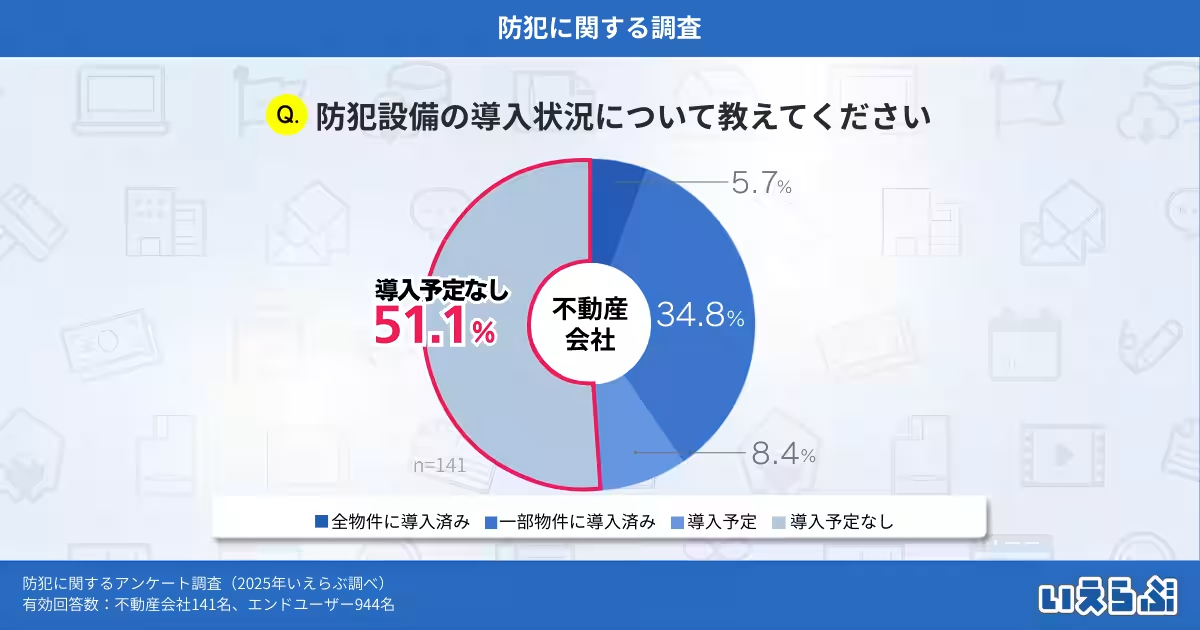
Despite the evident demand for security features, the implementation rates among real estate firms show variability. Only 5.7% of the surveyed companies reported having installed security features in all their properties, while 34.8% had done so in some. About 51.1% had no plans to implement any security measures, despite evident customer demand.
User Expectations and Engagement
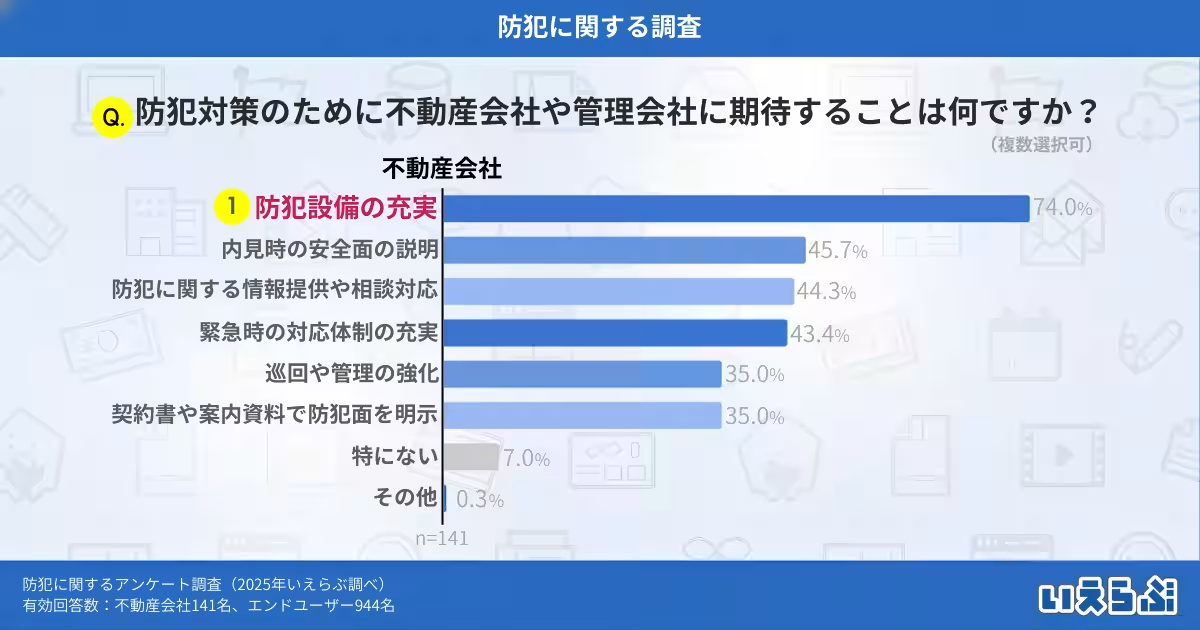
When questioned about what they expect from real estate agencies regarding security measures, 74.0% of end users indicated that they seek robust security features. This was followed by requests for explanations about safety features during property viewings (45.7%) and the provision of security-related information and consultation services (44.3%). This highlights the crucial need for real estate companies to not only enhance their security offerings but also to communicate effectively with potential tenants about their safety measures.
Conclusion
The results of this survey underscore the necessity for real estate companies to integrate and communicate advanced security measures to meet the rising expectations of tenants. As security concerns become increasingly paramount in housing decisions, those companies that proactively address these needs may significantly enhance their appeal to prospective clients. Kenichi Niwayama, a director at Ielove Group, emphasized the growing emphasis on safety and comfort in housing decisions, noting that the future of housing will depend on recognizing and responding to these broad needs of consumers.
- ---

Topics Consumer Products & Retail)


【About Using Articles】
You can freely use the title and article content by linking to the page where the article is posted.
※ Images cannot be used.
【About Links】
Links are free to use.