



Economic Impact of 2025 Osaka Expo: Unraveling Consumer Trends and Cashless Spending Surge
Economic Impact of the 2025 Osaka Expo
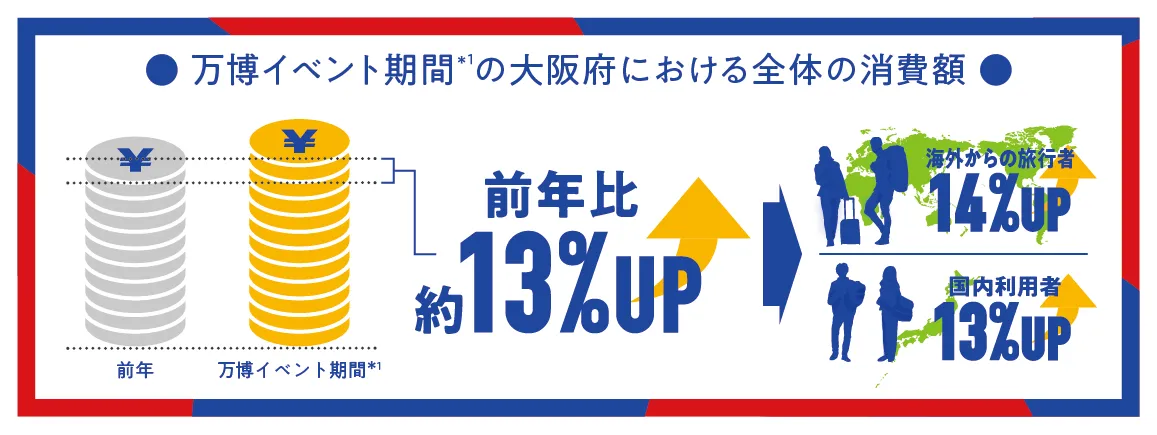
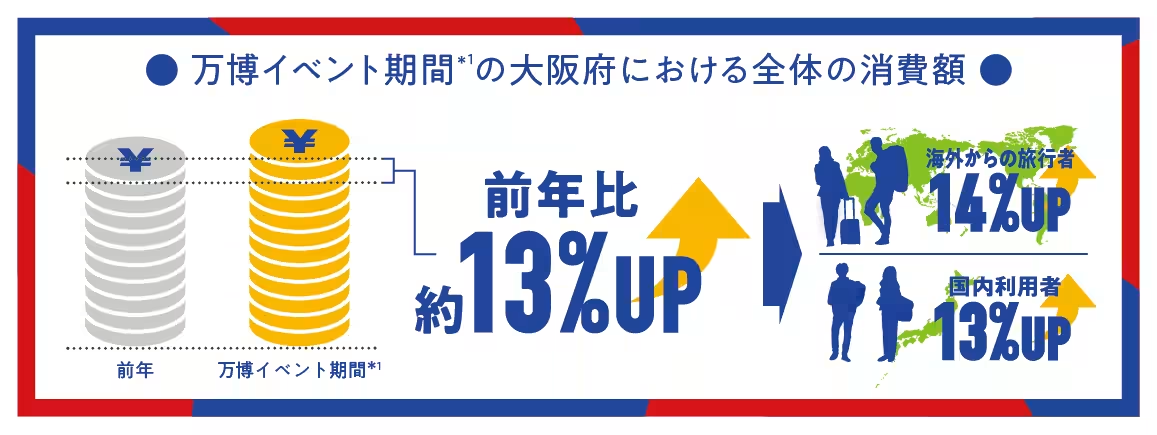
The upcoming 2025 Osaka-Kansai Expo is poised to have a remarkable impact on the local and regional economy, as revealed by Visa's analysis of VisaNet data. During the event, Osaka is expected to draw a large number of travelers from across the globe, contributing significantly to the revitalization of regional culture and commerce. Notably, overall consumer spending in Osaka is projected to surge by approximately 13% compared to the previous year, driven by both domestic and international visitors.
Consumer Spending Trends
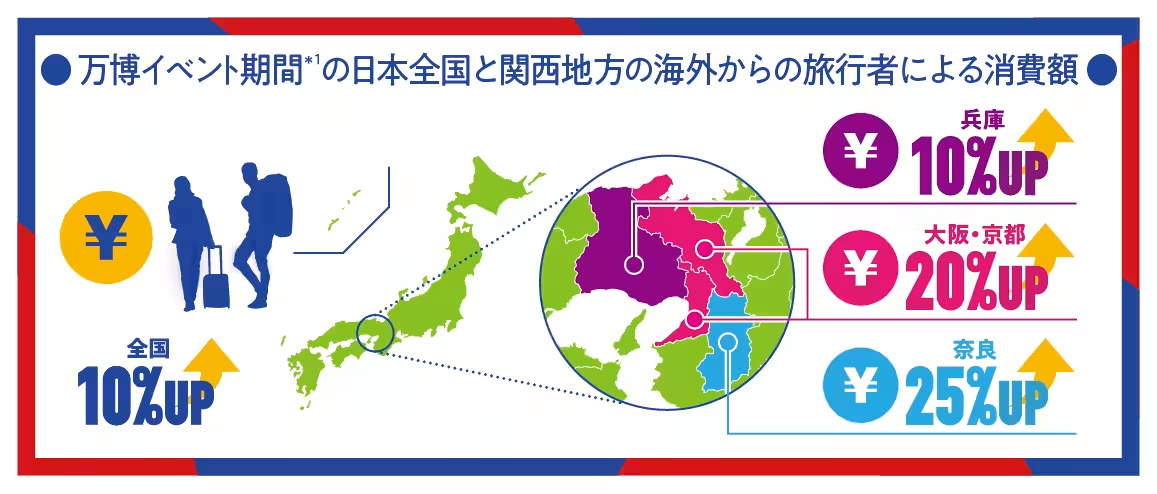
Domestic consumer spending is expected to increase by 13%, while spending by overseas travelers is projected to rise by 14%. The economic benefits of the Expo will extend throughout the Kansai region, with spending by international tourists increasing by 20% in Osaka and Kyoto, 25% in Nara, and 10% in Hyogo. This indicates that the Expo will act as a catalyst for tourism and commerce in the Kansai area, surpassing the national average increase of 10% for overseas traveler spending.
Among international travelers, those from the United States, Taiwan, and mainland China are expected to lead in spending. Travelers from France and Germany, in particular, are forecasted to boost their expenditures in Osaka by about 75%, underscoring the Expo's global allure. Numerous international pavilion staff and associates are also expected to visit, making a substantial contribution to the local economy.
Restaurants and retail stores are notably expected to experience significant sales increases, reflecting the enthusiastic participation of overseas visitors in the regional economy. Specifically, spending by affluent cardholders has been forecasted to increase by 15%, outpacing the 10% increase observed among the general population. A closer inspection of the spending among wealthy overseas cardholders reveals a growth rate of 20%, compared to a 10% increase for domestic affluent cardholders, indicating their robust spending across various sectors including transportation, dining, and department stores.
The Surge of Cashless Payments
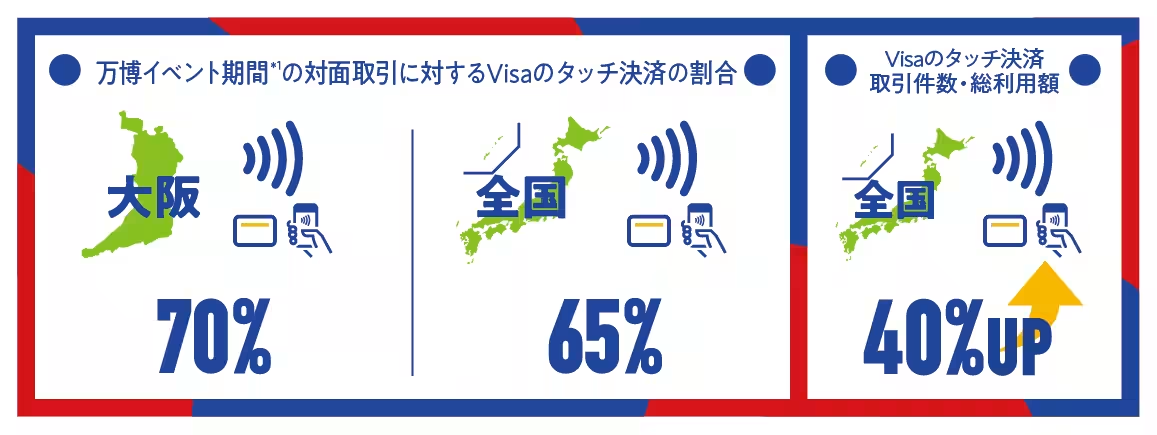
During the Expo, approximately 70% of face-to-face transactions in Osaka are expected to utilize contactless payment methods, surpassing the national average of 65%. Notably, in Kyoto, expenditures through contactless payments are projected to rise by 50%, and in Hyogo by 55%. Overall, both the volume and value of contactless transactions in Osaka are expected to exceed the national average increase of 40%.
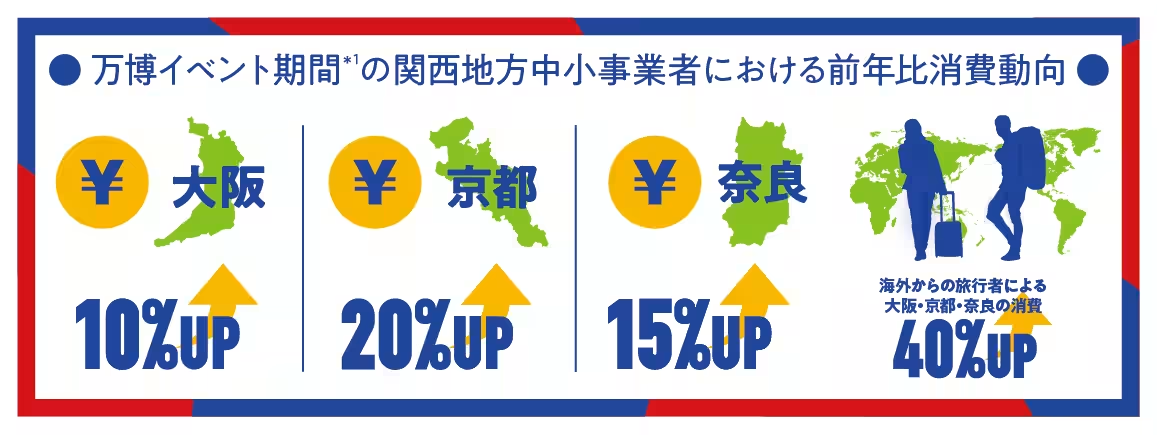
Furthermore, the economic advantages extend not only to major corporations but also to small and medium-sized enterprises (SMEs) within the region. In Osaka, spending by SMEs has been anticipated to grow by 10% compared to the previous year, while neighboring cities like Kyoto and Nara are expected to see increases of about 20% and 15%, respectively. The impact of foreign tourists is significant, with spending in Osaka, Kyoto, and Nara projected to rise by 40%, indicative of the Expo's wide-reaching influences across the region. Additionally, SMEs that accept contactless payments are expected to see a 25% increase in spending, while those that do not might face a decrease of 10%. This highlights the importance of adopting cashless payment solutions for success in the tourism economy.
A Broader Economic Enablement
Many overseas visitors attending the Expo are likely to explore regions beyond Kansai, indulging in meals, shopping, and accommodations, which will further enhance the economic effects. The event is not merely a significant occasion but also serves as a prime opportunity to showcase Japan's diverse attractions to the world. The rise in international visitors, expanding consumption, the proliferation of cashless transactions, and tangible economic benefits for SMEs reveal new possibilities for Japan's tourism industry.
Visa is committed to contributing to the optimization of business strategies and enhancing customer services through data-driven insights, ensuring that the economic opportunities spurred by events like the Osaka Expo are fully realized.
- ---
Overseas travelers refer to individuals using cards issued outside Japan for in-person transactions within Japan.
Topics Consumer Products & Retail)
【About Using Articles】
You can freely use the title and article content by linking to the page where the article is posted.
※ Images cannot be used.
【About Links】
Links are free to use.