



Examining the Value of Eggs in Times of Rising Food Costs and Trends Toward Simplified Cooking
The Significance of Eggs in 2025
Kewpie Corporation, headquartered in Shibuya, Tokyo, has unveiled its latest research, the 'Egg White Paper 2025', in collaboration with its subsidiary Kewpie Egg Co., Ltd. This announcement coincides with 'Good Egg Day' on November 5, a day established to celebrate the nutritional value of eggs by the Japan Poultry Association.
The 'Egg White Paper' series, now in its ninth edition, analyzes public attitudes, consumption trends, and cooking practices surrounding eggs. With food prices on the rise, this report underscores how eggs continue to hold a special place in Japanese diets.
Key Findings from the Egg White Paper 2025
Sustained Popularity Despite Rising Prices
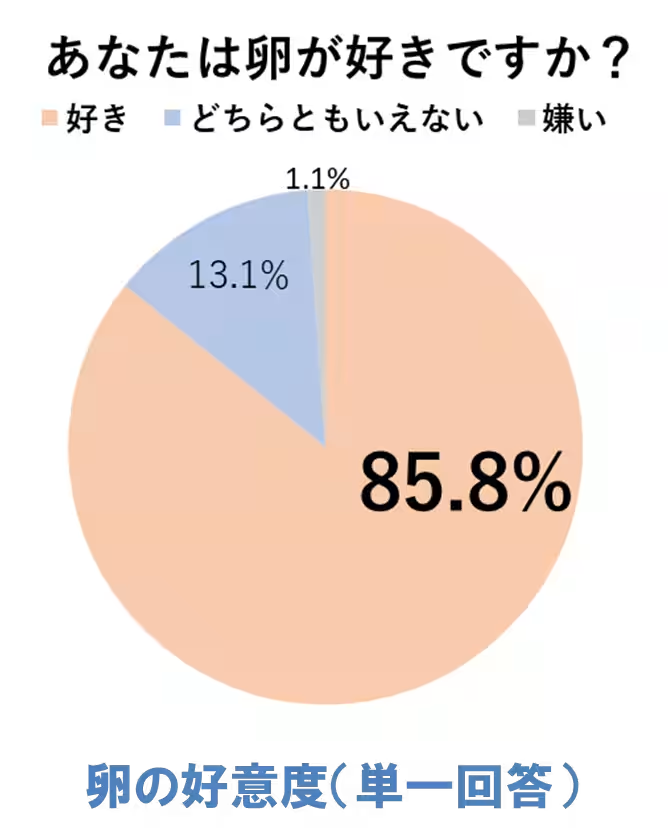
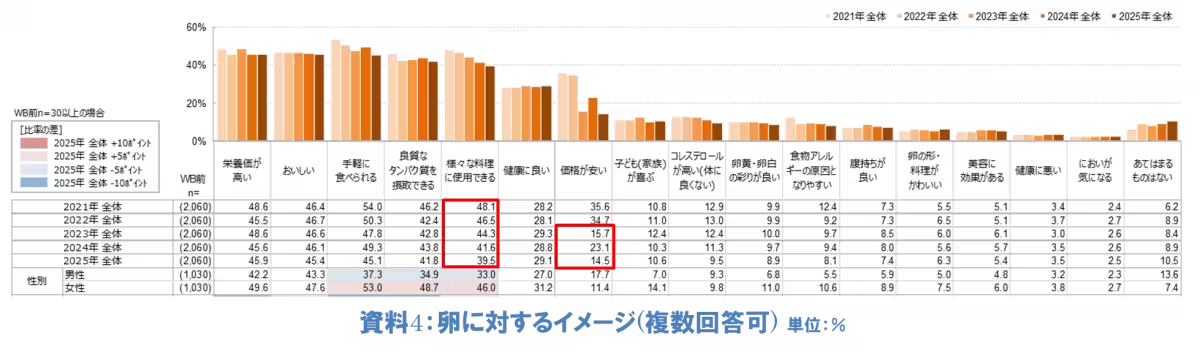
According to the survey, 85.8% of respondents expressed a favorable opinion towards eggs, with 50% rating them as 'very favorable'. While inflation and pandemic effects have posed challenges to poultry farming and egg production, the consumption rate in Japan remains robust, placing it fourth in the world for egg consumption per capita at 327 eggs annually. This represents a slight recovery from the previous impact of avian influenza, indicating that Japanese consumers still regard eggs as an essential and cherished food source.
Comfort Foods: The Continued Love for Fried Eggs
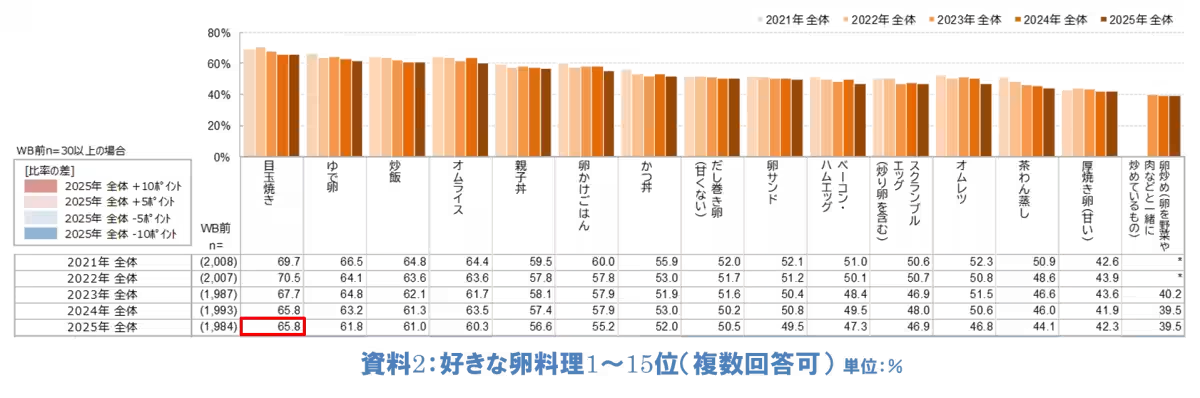
In a deep dive into egg-based dishes, the survey found that 'fried eggs' topped the list of favorite ways to enjoy eggs for the seventh consecutive year, with 65.8% engaged with this dish. Fried eggs are not simply a favorite but also a staple for many households, seen frequently on breakfast tables.
Regional Differences in Egg Dish Preferences
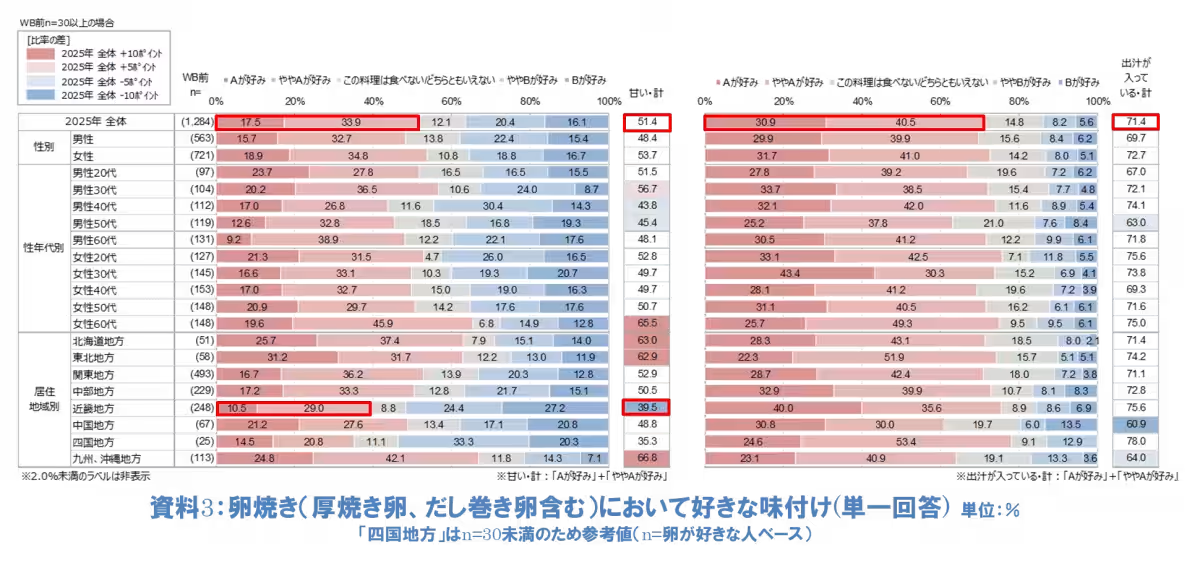
The survey also explored regional preferences in egg dishes, particularly focusing on the traditional Japanese egg dish, 'tamagoyaki' (Japanese omelet). The survey revealed a notable trend: over 51% of respondents prefer a sweeter version of tamagoyaki. Regions such as Kyushu and Hokkaido showed a particularly strong inclination towards sweet flavors, while the Kinki region exhibited a more balanced preference between sweet and savory versions.
Changing Cooking Styles Among Younger Generations
Recent trends indicate that younger generations are shifting away from traditional cooking methods. Many individuals in their 20s and 30s are opting not to have gas stoves in their homes, preferring convenience and less complicated cooking techniques. This transformation reflects a broader societal shift toward demand for simpler cooking solutions, including rising popularity of microwave methods. Prevalence in preparing dishes like chawanmushi (savory egg custard) using a microwave highlights the evolving cooking culture.
This transition emphasizes that even amid rising egg prices, consumption patterns remain relatively stable, demonstrating the ingrained cultural significance of eggs in Japan.
Conclusion
The 'Egg White Paper 2025' findings reaffirm that eggs are a beloved food in Japan, with a strong affinity rate of 85.8%. Despite facing challenges from rising costs related to feed and avian influenza, the perception of eggs as a valuable food source persists. The data shows a trend toward more careful consideration of food budgets, with a notable shift in the upper threshold of what consumers deem acceptable for egg prices.
As lifestyle and food preferences continue to evolve, Kewpie emphasizes its commitment to promoting healthy eating, especially through adequate protein intake via egg consumption. The focus remains on educating the public about the importance of eggs, innovating product offerings, and catering to diverse consumer needs in an ever-changing food landscape.
Research Methodology Overview
- - Survey Method: Web-based questionnaire
- - Survey Dates: August 1-2, 2025
- - Participants: 2,060 men and women aged 20-69 across Japan
- Age groups: 20s to 60s, balanced representation based on population structure.
This thorough examination of egg consumption highlights the resilience and adaptability of a staple food in Japan's culinary culture.


Topics Consumer Products & Retail)
【About Using Articles】
You can freely use the title and article content by linking to the page where the article is posted.
※ Images cannot be used.
【About Links】
Links are free to use.