


The 2026 Survey Results on Crisis Management and Cyber Incident Response Reveal Key Trends
Overview of Crisis Management and Cyber Incident Response 2026
In August 2026, Dentsu PR Consulting conducted a comprehensive investigation into the state of crisis management communication capabilities and response mechanisms for cyber incidents among large companies in Japan. The survey targeted 500 individuals linked to compliance and risk management within businesses employing over 1,000 people. The results highlight both progress and areas needing improvement in addressing cybersecurity risks.
Key Findings
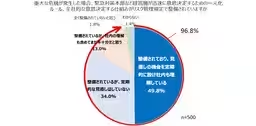
1. Crisis Decision-Making Framework: An impressive 80% of respondents indicated that their organizations have established a crisis management decision-making framework. However, only about 50% of these frameworks are reviewed regularly and understood throughout the organization, indicating a gap in practical effectiveness.
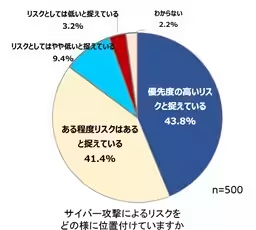
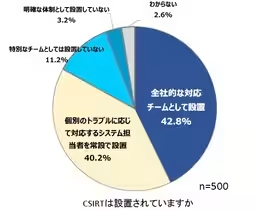
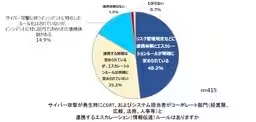
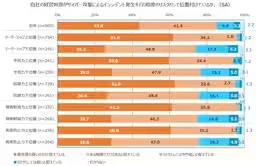
2. Cyber Risk Awareness: A significant 85.2% of respondents recognized cyber attacks as a critical risk to their businesses. Correspondingly, 83% have established response frameworks, including Computer Security Incident Response Teams (CSIRTs) or dedicated systems personnel. Nonetheless, a mere 40% reported having clearly defined escalation rules that integrate corporate divisions like leadership, public relations, legal, and human resources.
3. Emerging Risks: Companies are increasingly prioritizing new risks, particularly the dangers posed by generative AI technologies, as evident from survey results showing these risks at the forefront of crisis management strategies. Respondents emphasized the necessity for organizations to shift their focus from traditional crises to modern threats, such as AI misuse and reputational damages stemming from cyber attacks.
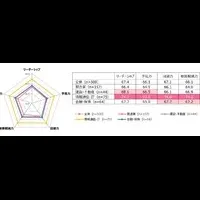
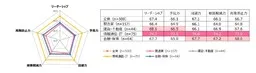
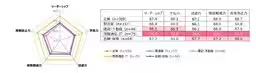
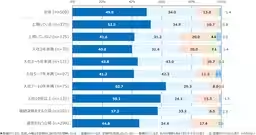
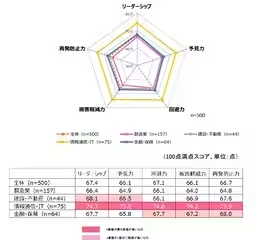
4. Sectoral Insights: A breakdown of crisis management strengths by industry revealed that the Information and Communication sector ranked highest, followed by Financial Services and Real Estate. This suggests varying levels of preparedness and response strategies across different sectors.
5. Leadership Awareness and Engagement: The analysis showed a substantial disparity between top-tier and lower-tier leadership awareness of cyber risks. In organizations where crisis management strengths were deemed high, 96.1% of executives acknowledged the risk posed by cyber incidents compared to just 74% in organizations with lower strengths. It underscored the significance of embracing cybersecurity as a top management priority rather than relegating it solely to IT departments.
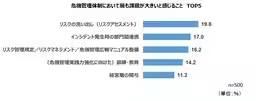
6. Challenges Identified: The survey highlighted key challenges in the crisis management framework. The most prominent issues included the identification of risks, inter-departmental collaboration, and the establishment of regulatory guidelines and manuals. Furthermore, the necessity for continuous training and the engagement of upper management were also acknowledged as critical areas needing development.
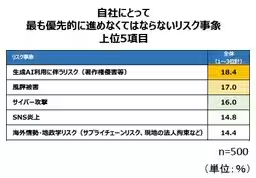
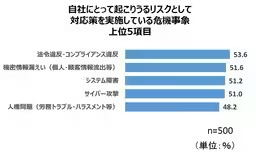
7. Priority Risks for Companies: When asked to identify risks that require urgent attention, organizations cited generative AI risks as the highest priority, followed by reputational damage and cyber attacks. Alarmingly, only 51% of businesses have active measures in place to combat these cyber threats.
Conclusion
The findings from Dentsu PR Consulting's 2026 survey paint a mixed picture. While many large businesses exhibit robust systems for managing cyber risk, significant gaps remain concerning the integration and operational clarity of these frameworks. Companies must enhance their crisis communication capabilities and adapt to new risks to ensure both resilience and responsiveness in an increasingly connected world.
The results underscore the essential need for organizations to view cyber risks within the broader scope of corporate governance, emphasizing that crisis management is not solely an IT concern, but a fundamental business imperative.
- ---
Topics Business Technology)

【About Using Articles】
You can freely use the title and article content by linking to the page where the article is posted.
※ Images cannot be used.
【About Links】
Links are free to use.