



Exploring the Work Conditions and Compensation of Architects in Japan
Work Conditions and Pay of Architects in Japan
A recent study conducted by Kenchiku Ichiba Co., Ltd. has revealed some striking insights into the work conditions and compensation of architects in Japan. The survey involved 103 architects working in the Tokyo metropolitan area and sought to understand their perspectives on their remuneration and the overall dynamics of the construction industry.
Current Compensation Perceptions
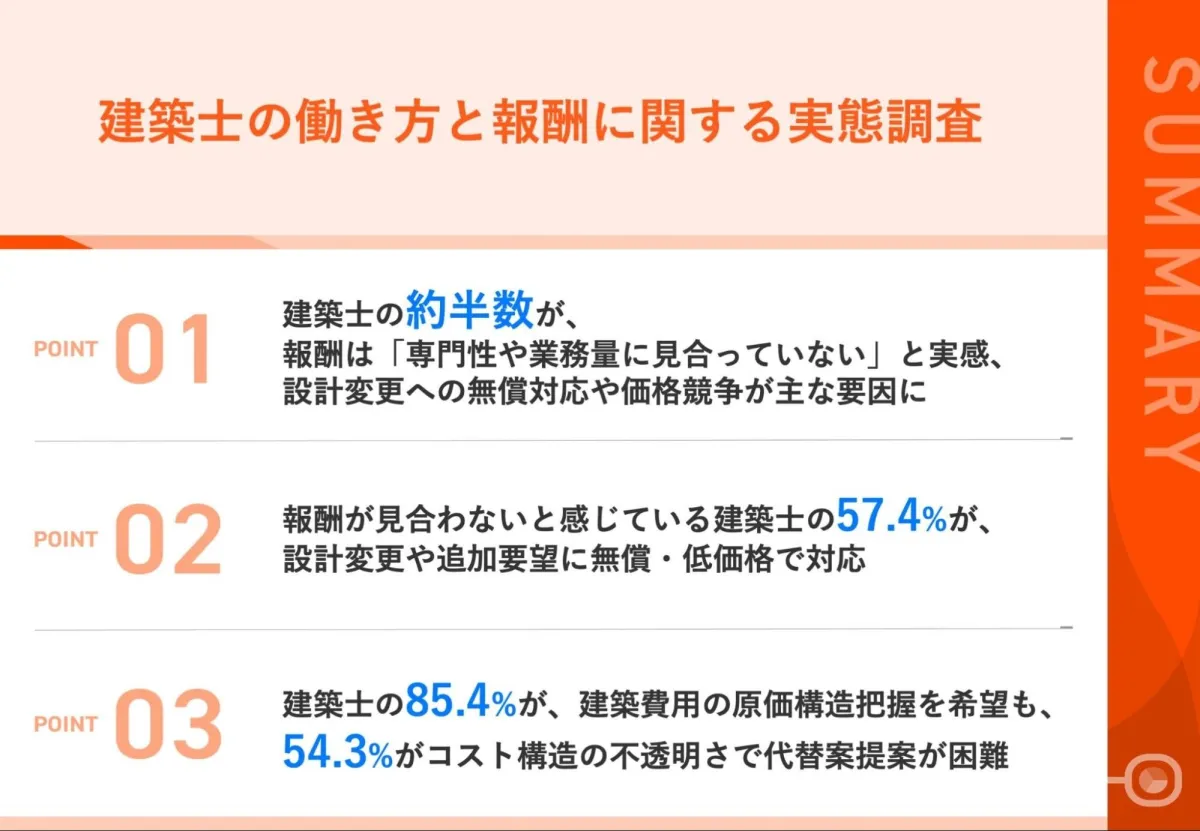
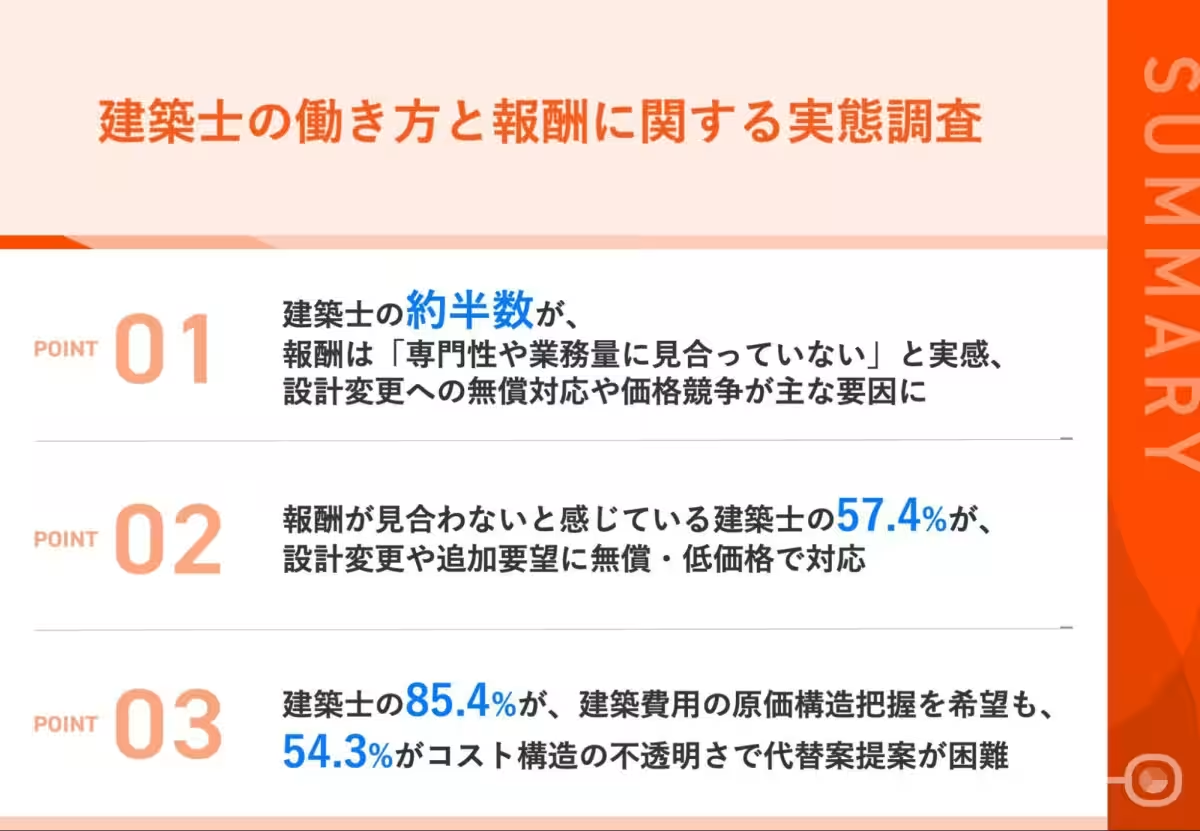
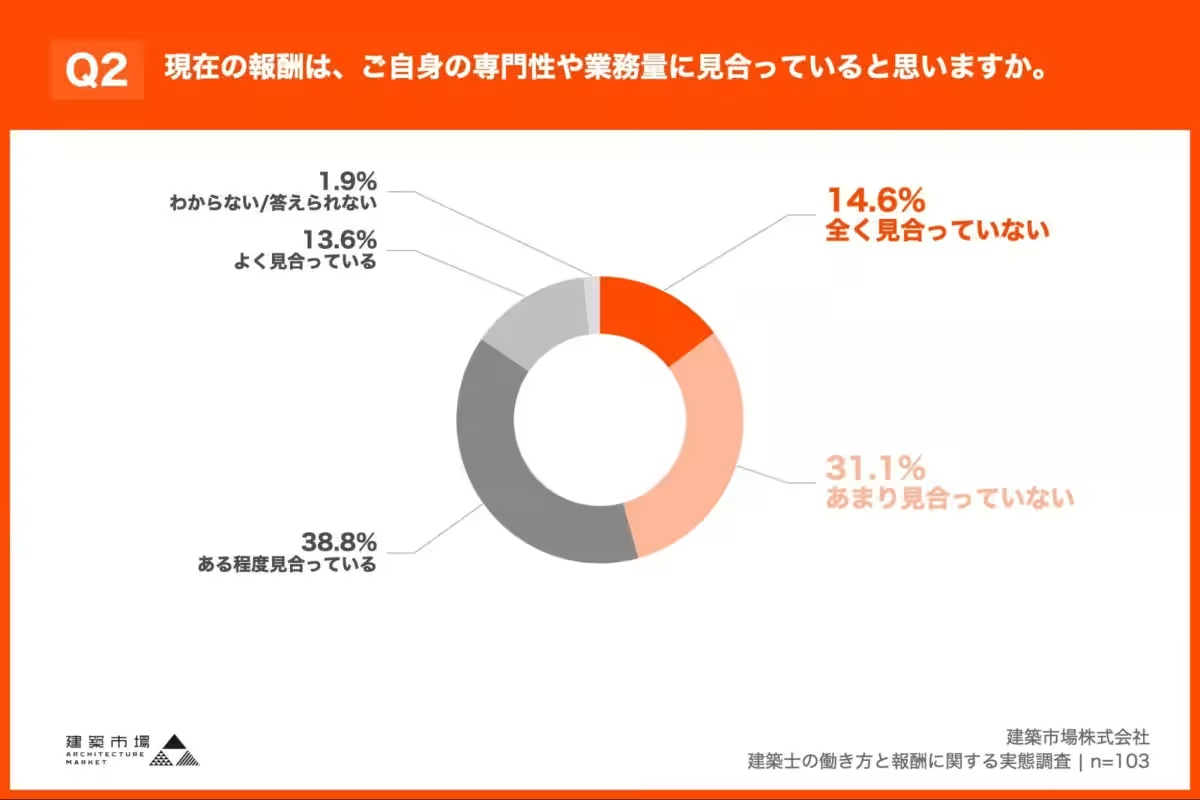
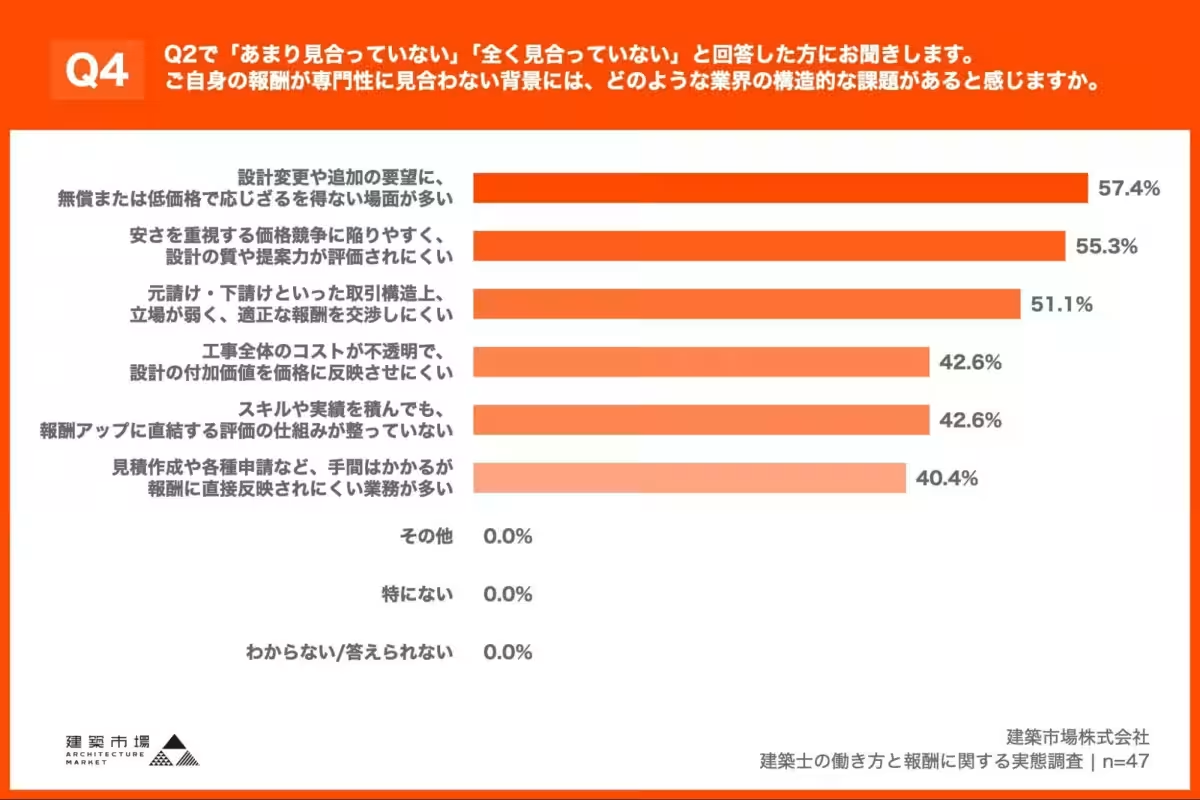
In the survey, nearly half of the participating architects claimed their compensation did not align with their expertise or workload. Specifically, 45.7% of respondents expressed dissatisfaction with their pay, stating it doesn't reflect their specialization and amount of work. This dissatisfaction is compounded by frequent demands for unpaid redesigns or low-cost enhancements, as reported by 57.4% of architects.
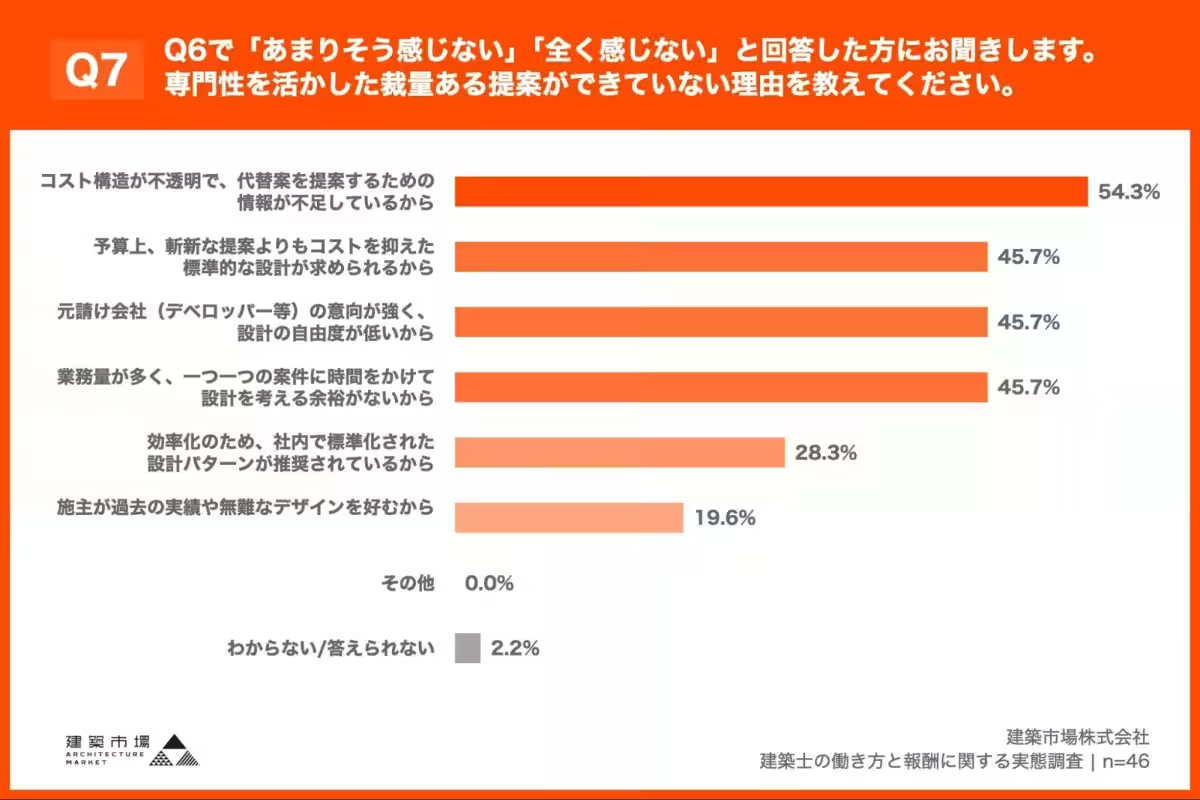
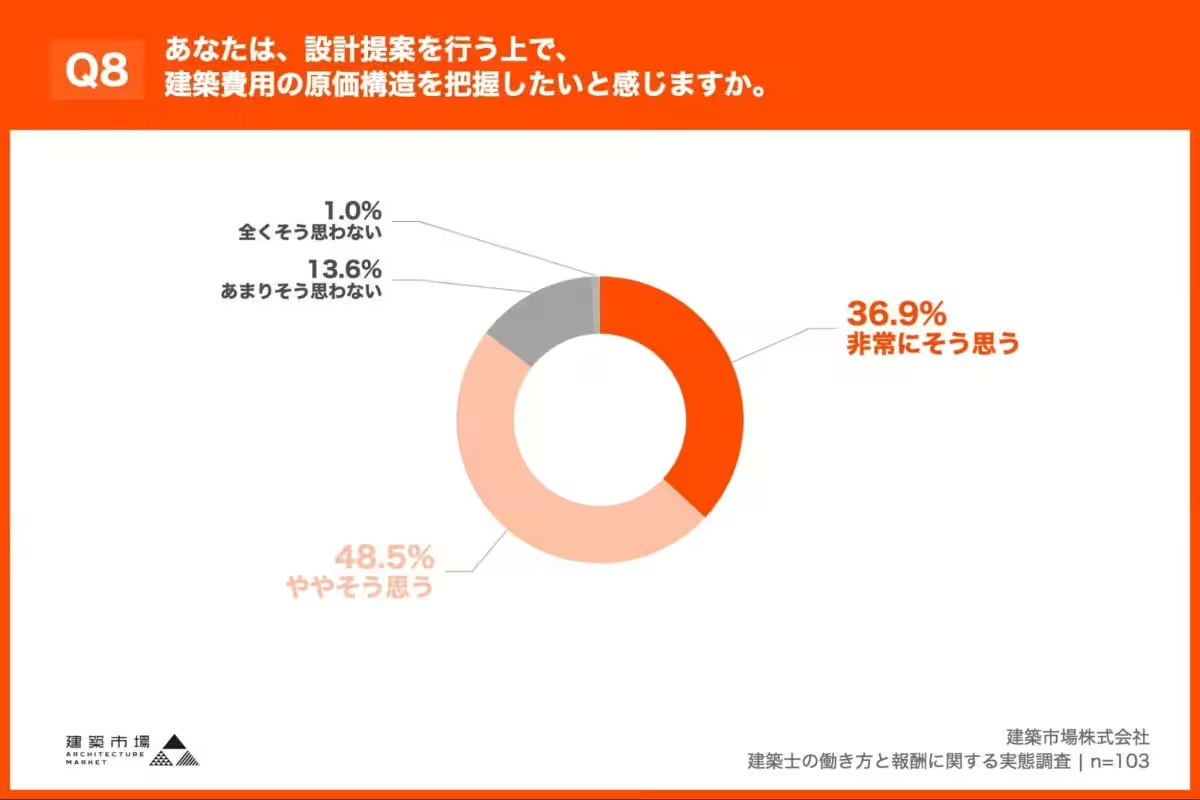
Moreover, 85.4% of architects expressed a strong desire to understand the cost structure of building expenses. However, 54.3% admitted that the obscurity surrounding cost structures makes it challenging to propose alternative solutions.
Trends in Direct Contracting
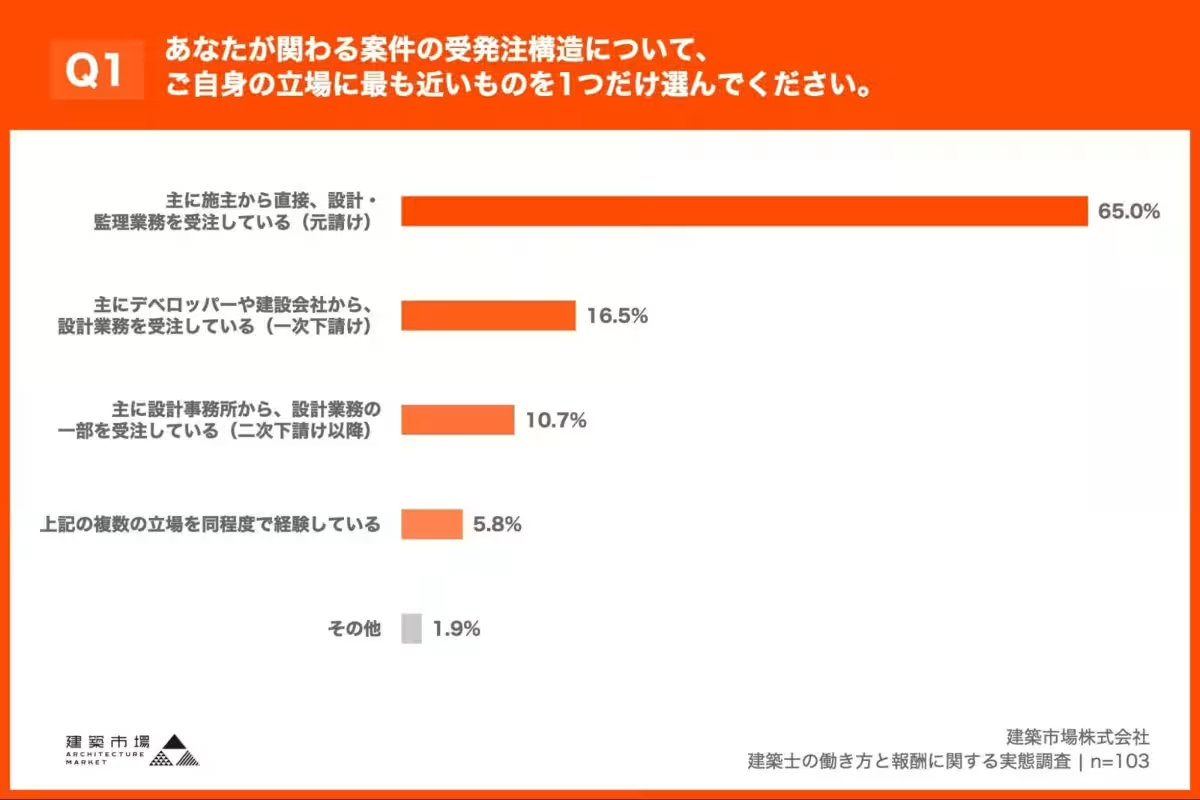
The survey also indicated that a significant number of architects—65%—primarily receive contracts directly from clients (owners), while a smaller percentage—16.5%—work as primary contractors for developers or construction companies. This trend towards direct contracts suggests a shift in how architects engage with clients, potentially leading to better relationships and clearer communication.
Compensation Practices
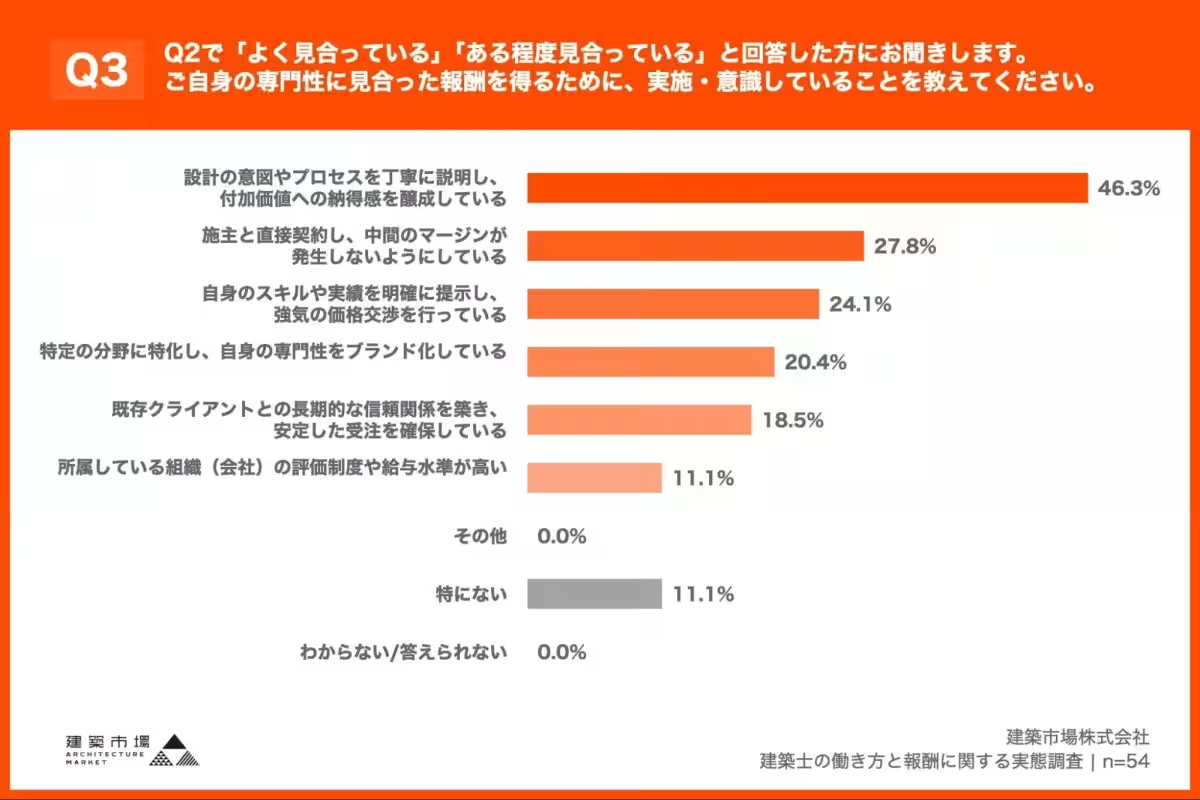
When asked about strategies employed to secure fair compensation, 46.3% of architects mentioned providing thorough explanations of their design intent, thereby building a convincing case for the value they bring. Another 27.8% of architects reported that establishing direct contracts with clients helps avoid the added costs associated with intermediaries. In contrast, 24.1% asserted that clearly communicating their skills and experience allows them to negotiate better prices.
Industry Pressures
However, many architects also identified structural challenges impeding their ability to secure appropriate compensation. Over half—55.3%—believed that fierce price competition detracts from the quality of design, while 51.1% felt their bargaining power is weakened by the intricate relationships within the supply chain of contractors and subcontractors.
Lack of Proposal Autonomy
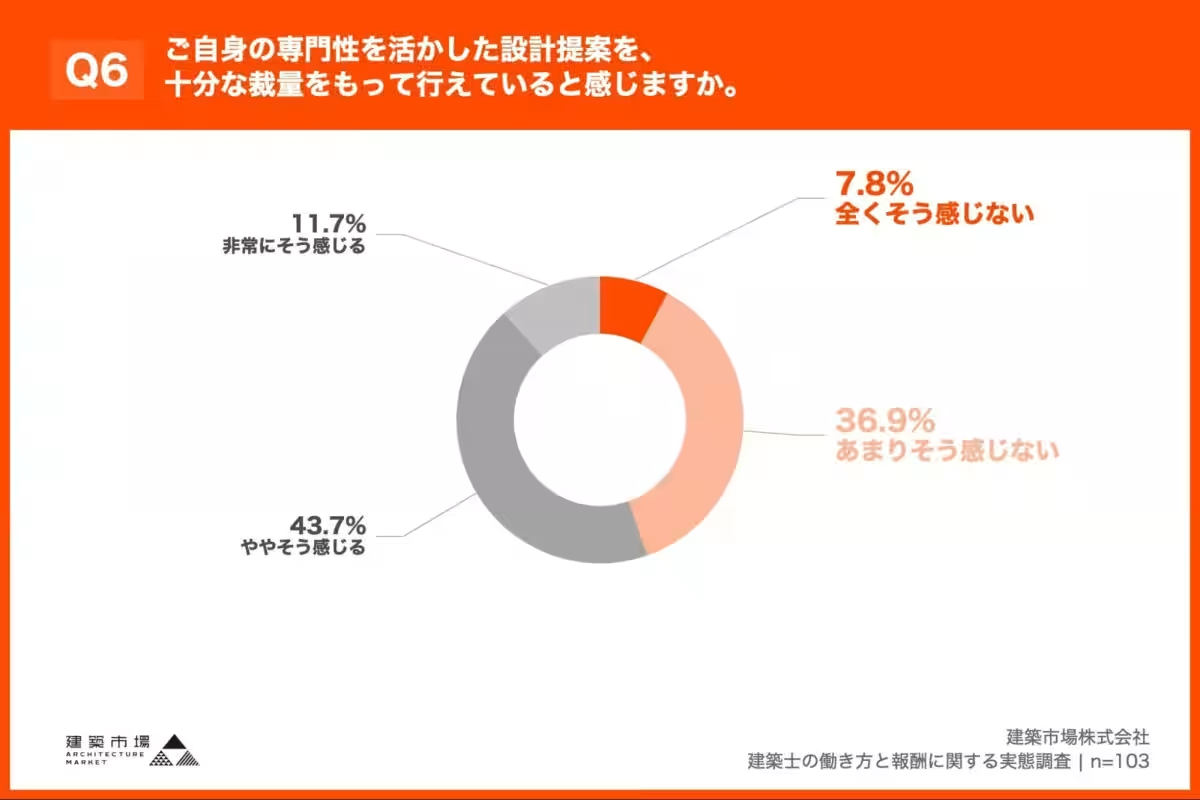
The report shows that nearly 44.7% of architects feel limited in their ability to make design proposals that leverage their full expertise. Many cite the lack of transparency around cost structures and design freedom dictated by owners or main contractors as significant constraints. The survey found that 54.3% linked this limitation to an unclear understanding of the cost structure, signifying an urgent need for more transparent processes.
Calls for Transparency
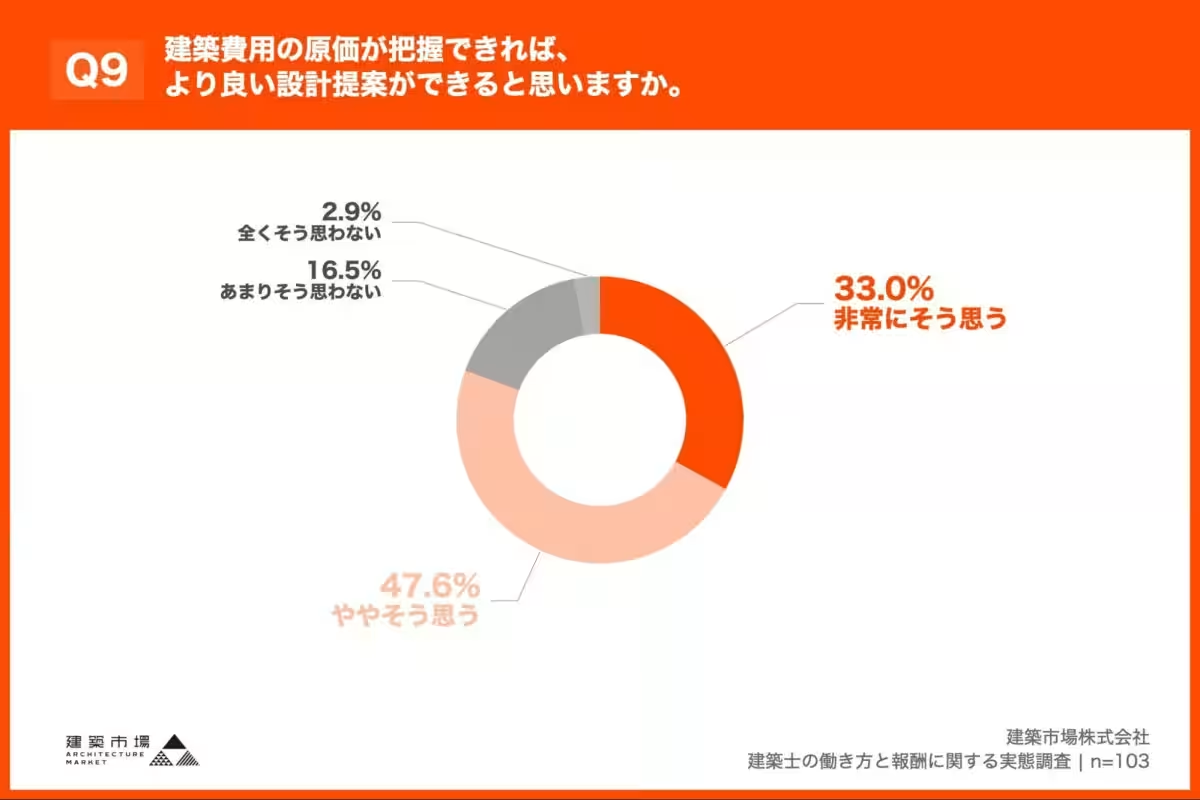
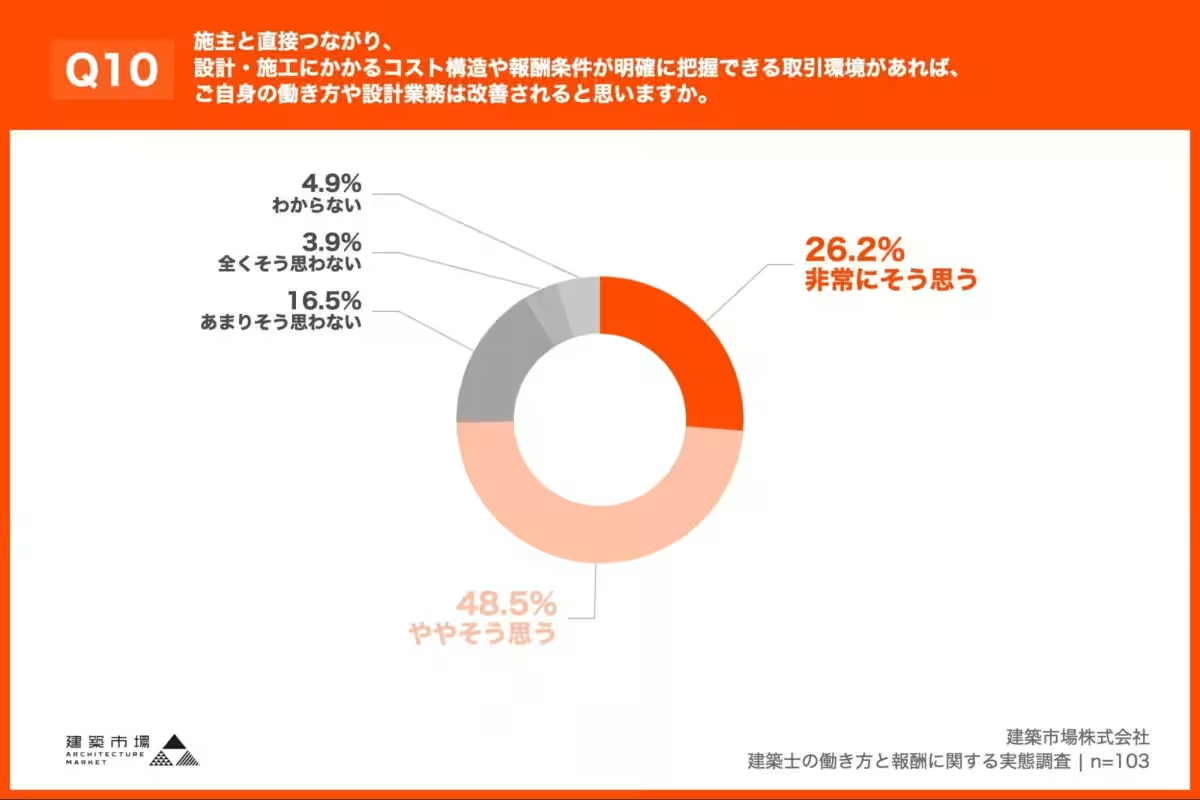
The data reveals a significant demand among architects for better insight into cost structures, with 74.7% indicating that improved transparency could enhance their design processes and working conditions. Furthermore, 80.6% believe that acquiring a better understanding of cost breakdowns would enable them to deliver higher-quality design proposals.
Conclusion
This survey establishes a narrative around the frustration experienced by architects concerning their pay and working conditions. The challenges tied to pricing competition and the lack of clarity in the cost structures often result in undervalued work. As the industry faces these structural complexities, the demand for transparency and improved contractor-client relationships becomes vital.
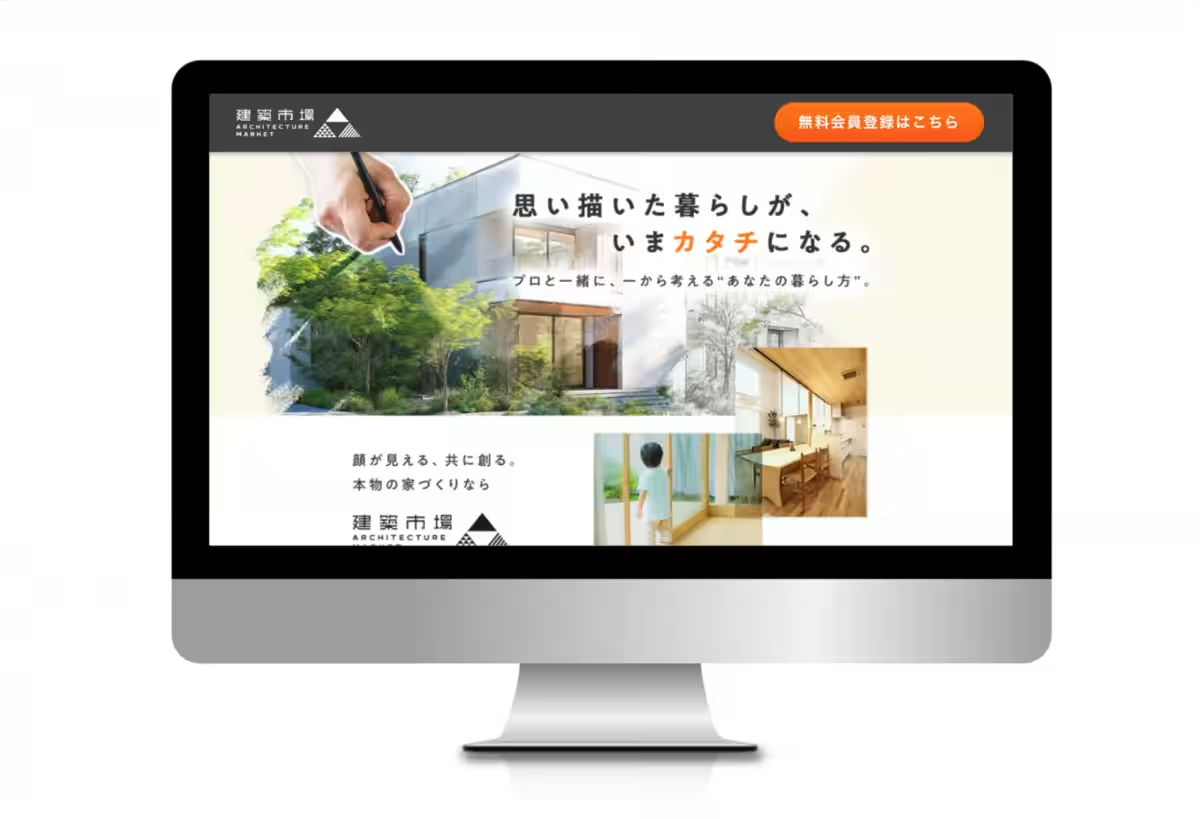
In response, platforms such as Kenchiku Ichiba are emerging to facilitate direct connections between clients and architects, aiming to create a more accessible and fair construction process for custom homes.
For more information on how Kenchiku Ichiba can assist with your architectural needs, visit Kenchiku Ichiba.
Topics Business Technology)
【About Using Articles】
You can freely use the title and article content by linking to the page where the article is posted.
※ Images cannot be used.
【About Links】
Links are free to use.