



ItoKii, Hitachi, and Tokuyama Collaborate to Upcycle Solar Panel Glass into Office Furniture
Upcycling Solar Panel Glass into Office Furniture
In a significant step towards sustainability, ItoKii, Hitachi, and Tokuyama have collaborated to transform discarded solar panel glass into office furniture components. This project aims to establish a resource-circulating society by addressing the waste generated by expired solar panels, which is projected to reach 500,000 tons annually in Japan by the 2030s.
To achieve their goal, Tokuyama utilizes a specialized low-temperature pyrolysis method to recover high-quality plate glass. This technology enables the extraction and reuse of materials in an efficient manner. Additionally, Hitachi has developed a non-destructive strength estimation technology that assesses glass degradation factors such as cracks and alkali leaching, allowing for the safe reuse of the glass.
Innovative Prototypes Created
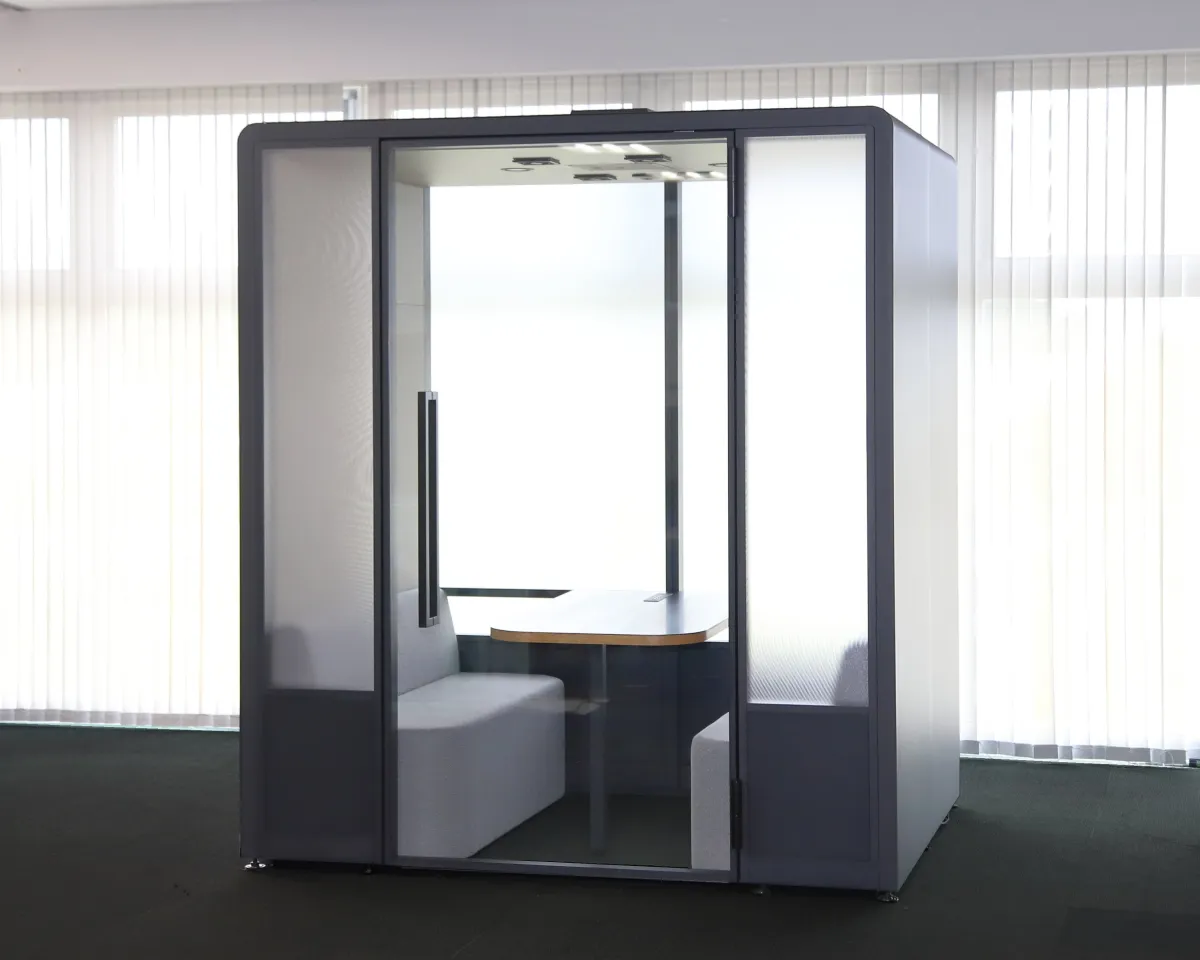
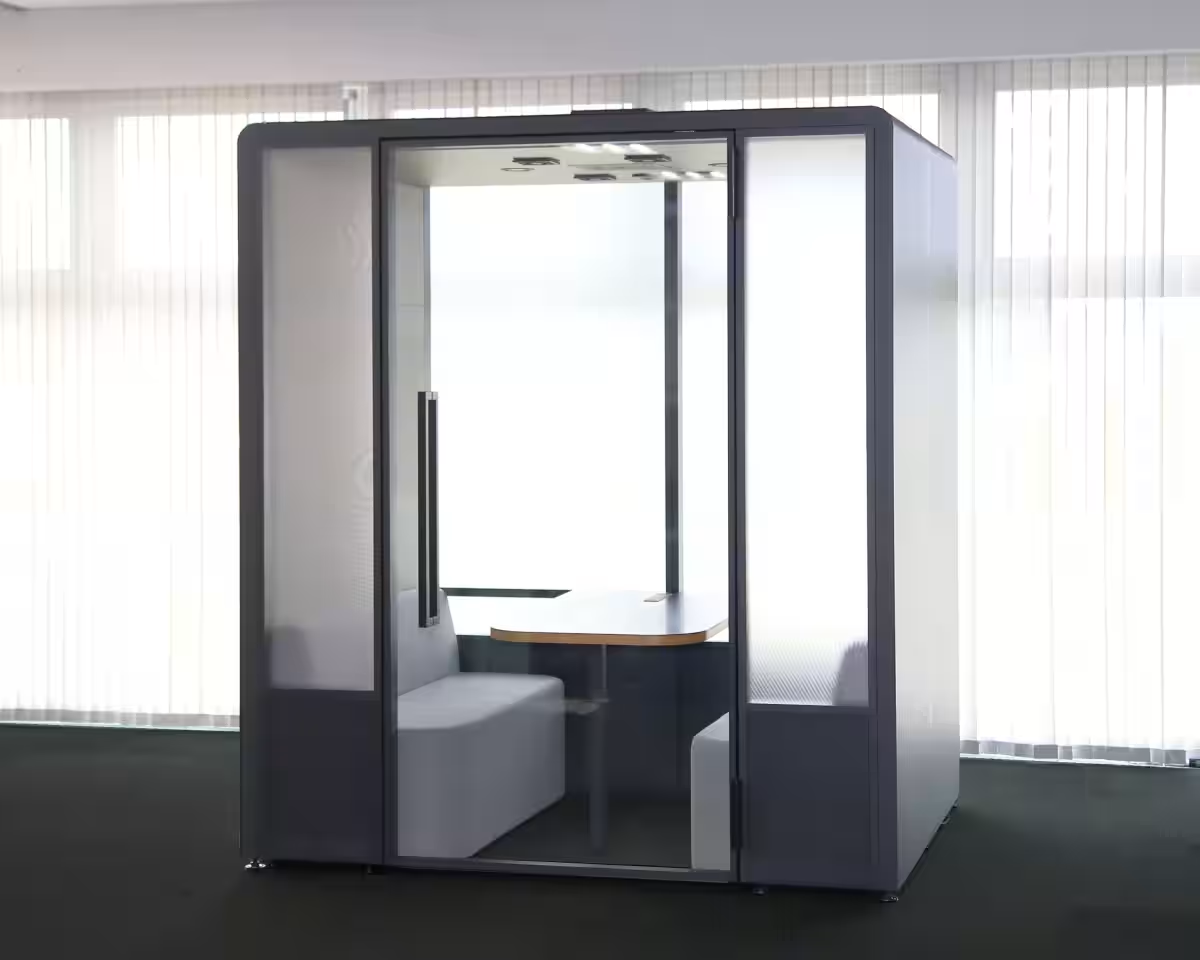
As part of the project, ItoKii has successfully created prototype meeting booths utilizing the unique characteristics of the recovered glass. These booths not only cater to aesthetic needs but also promote a sustainable environment, marrying environmental awareness with beauty. Users of these spaces can enjoy a dual value experience that combines design elegance with social contribution.
The project stands as the first-ever initiative to reuse solar panel glass in its original form without crushing it, drastically reducing waste while also cutting CO₂ emissions by up to 50% compared to new glass production. This is achieved through a comprehensive analysis of potential emissions involved with the production process, highlighting the innovative potential of upcycling.
Comprehensive Research and Development
Initiated in September 2024, this joint research aims to smooth the pathway to practical applications in various sectors, including office furniture and construction materials. The three companies are focused on establishing a robust supply chain while exploring new business models and standardizing quality verification techniques. The aim is to foster a sustainable, decarbonized, and resource-circulating society.
Addressing Major Industry Challenges
Currently, the industry faces significant challenges related to the high volume of solar panels reaching the end of their lifecycle. With approximately 60% of a solar panel's weight comprising glass, maximizing its reuse is pivotal to improving overall recycling rates. While traditional recycling methods have focused on crushing the glass for use in base materials or glass manufacturing, this new project emphasizes the direct reuse of glass as durable furniture components.
Ensuring Safety and Quality
An essential element of the research includes evaluating the safety and durability of upcycled materials. Hitachi's development of image processing technology for identifying degradation signs enables a comprehensive understanding of the recovered glass's integrity. This assurance further promotes the feasibility of upcycling in various applications.
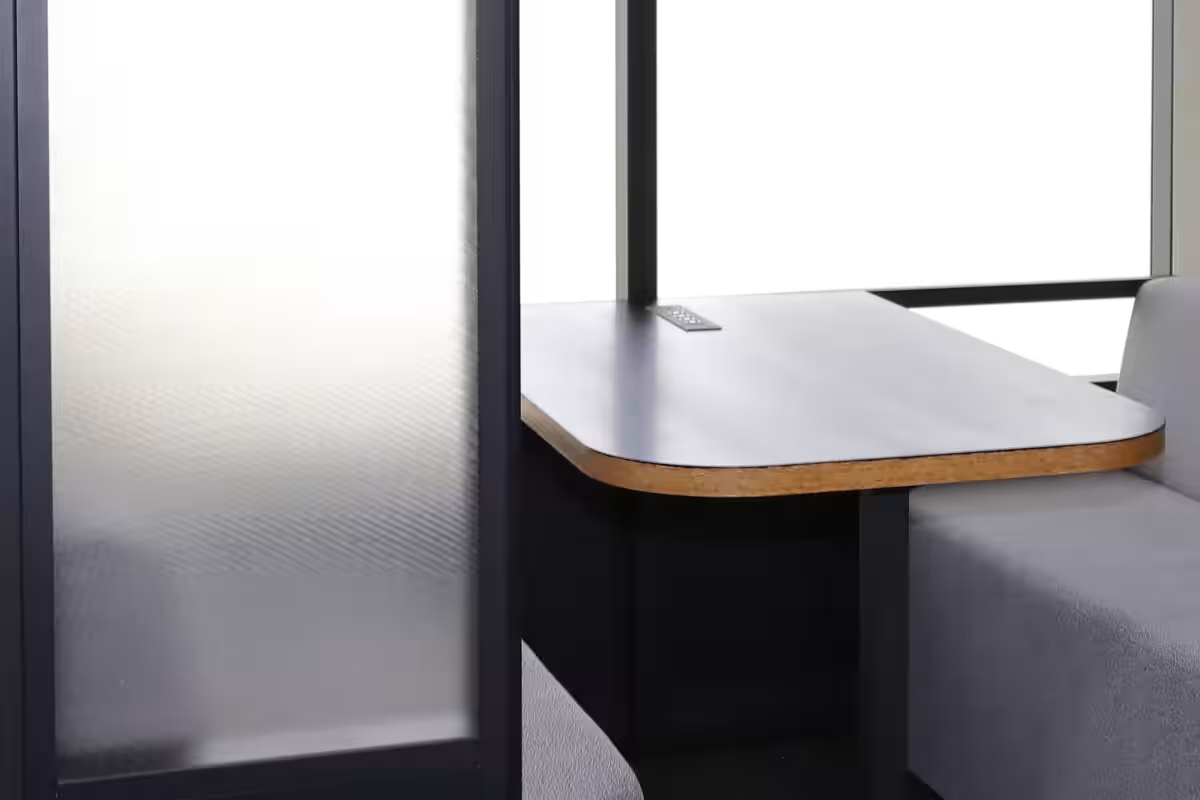
The prototypes made by ItoKii exemplify innovative furniture solutions that incorporate reclaimed glass's unique aesthetics while ensuring structural safety through glass lamination and a mixed material panel approach.
Looking Forward
As the initiative progresses, ItoKii, Hitachi, and Tokuyama plan to broaden their partnerships across multiple industries to meet growing demands for sustainable products. They seek to accelerate the implementation of recycling practices to support environmental goals, aiming for the realization of the United Nations Sustainable Development Goals (SDGs).
Plans are underway to present these findings at the 2025 Joint Fall Conference of Resource and Material-Related Scientific Societies, scheduled from September 2 to 4 at Hokkaido University, which will further highlight their innovative contributions to sustainability efforts.
About ItoKii, Hitachi, and Tokuyama
ItoKii, founded in 1890, focuses on office furniture design and sustainable development. Hitachi, a key player in digital and engineering solutions, contributes toward a balanced society through innovative applications. Tokuyama, established in 1918, is committed to recycling technologies and environmental stewardship, solidifying their role in shaping a resource-conscious future. Through these collaborative efforts, these companies strive to not only enhance their product offerings but also to contribute positively to society and the environment.
Topics Consumer Products & Retail)
【About Using Articles】
You can freely use the title and article content by linking to the page where the article is posted.
※ Images cannot be used.
【About Links】
Links are free to use.