



A Comprehensive Look at DX In-House Development Initiatives in Large Corporations
Exploring DX In-House Development in Large Enterprises
In a world where digital transformation (DX) is crucial for strengthening competitive business advantage, a recent survey conducted by Dream Arts, a leader in cloud services for large enterprises, has shed light on the current state of DX development within major corporations in Japan. This analysis is based on a comprehensive study involving 650 employees from firms with over 1,000 employees, focusing specifically on their perspectives regarding in-house DX initiatives.
Key Findings of the Survey
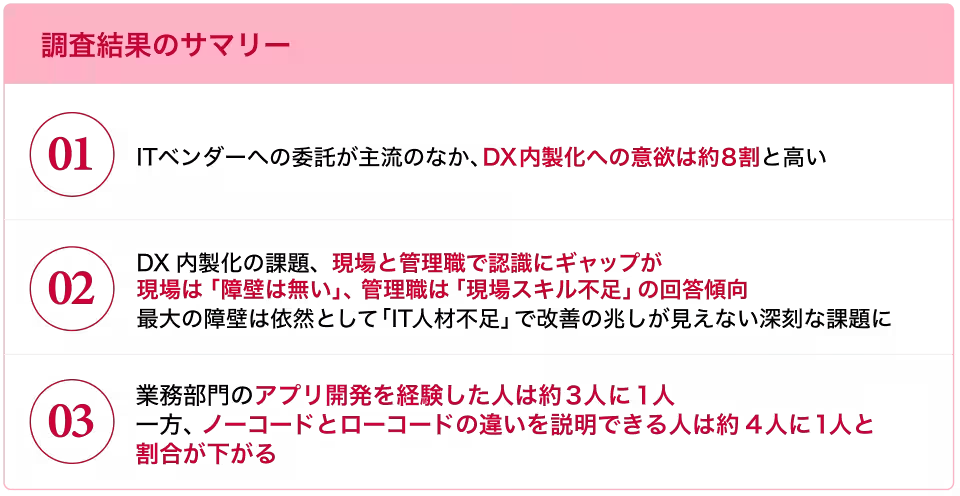
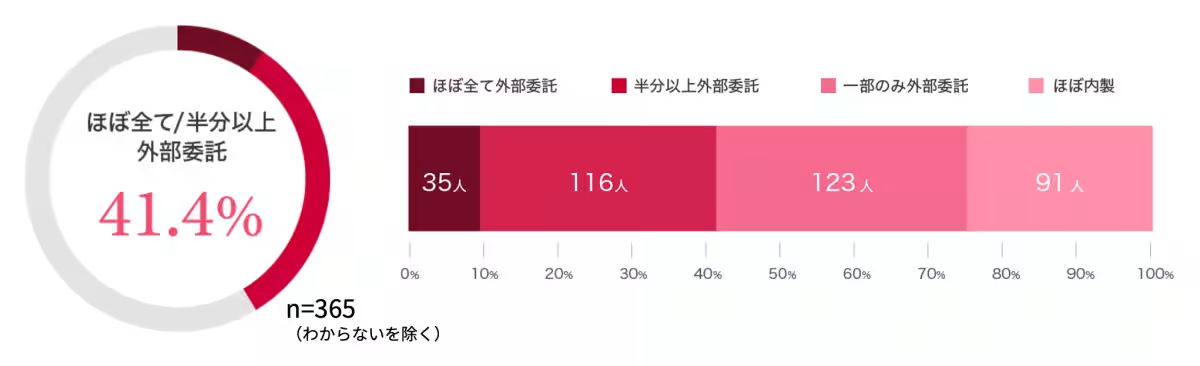
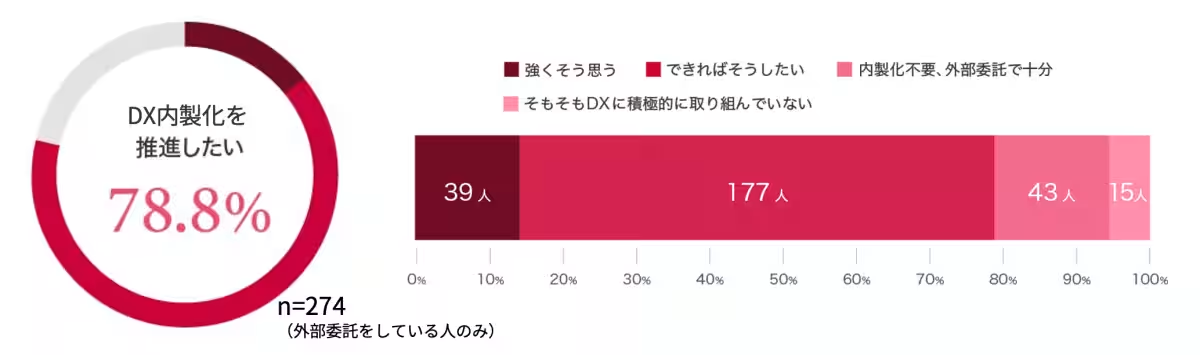
The survey unveiled that approximately 41.4% of large businesses predominantly outsource their DX efforts, indicating a significant reliance on external IT vendors. In contrast, a staggering 78.8% expressed a strong inclination towards in-house DX development, indicating a growing awareness of its potential benefits and advantages. This suggests a significant gap between current outsourcing practices and the desire for internal capability development.
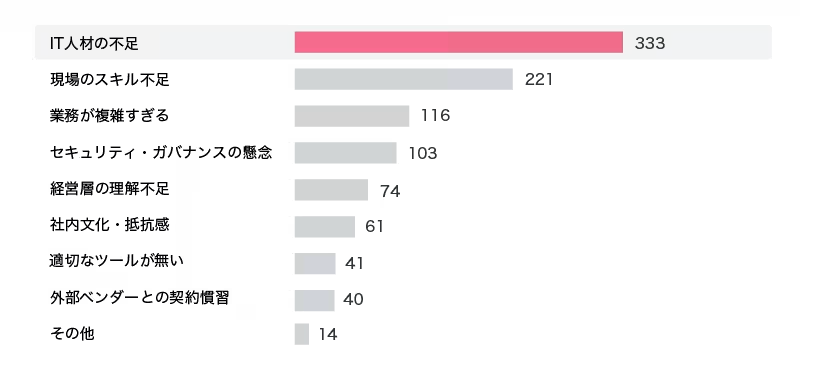
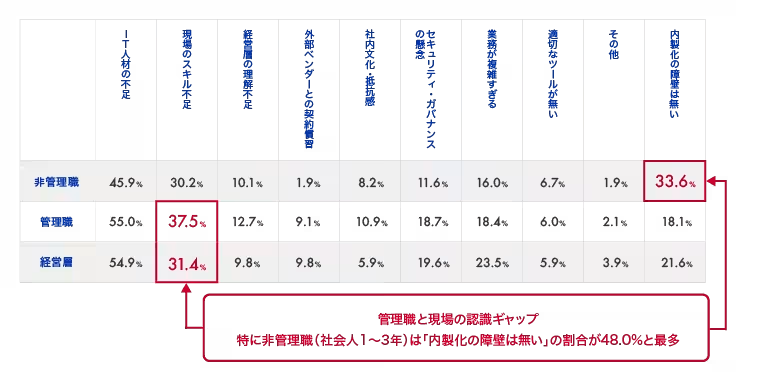
One of the primary barriers to achieving in-house DX development is the prevalent shortage of IT talent. This shortage has been a persistent issue that continues to challenge many organizations. Notably, the data reveals a discrepancy in perceptions regarding barriers across different roles within corporations. While non-managerial staff often claim that they face no significant obstacles (33.6%), managerial and executive classifications frequently cite a lack of skills within their teams (37.5% for management, and 31.4% for executives) as a significant impediment.
Motivation for In-House DX Development
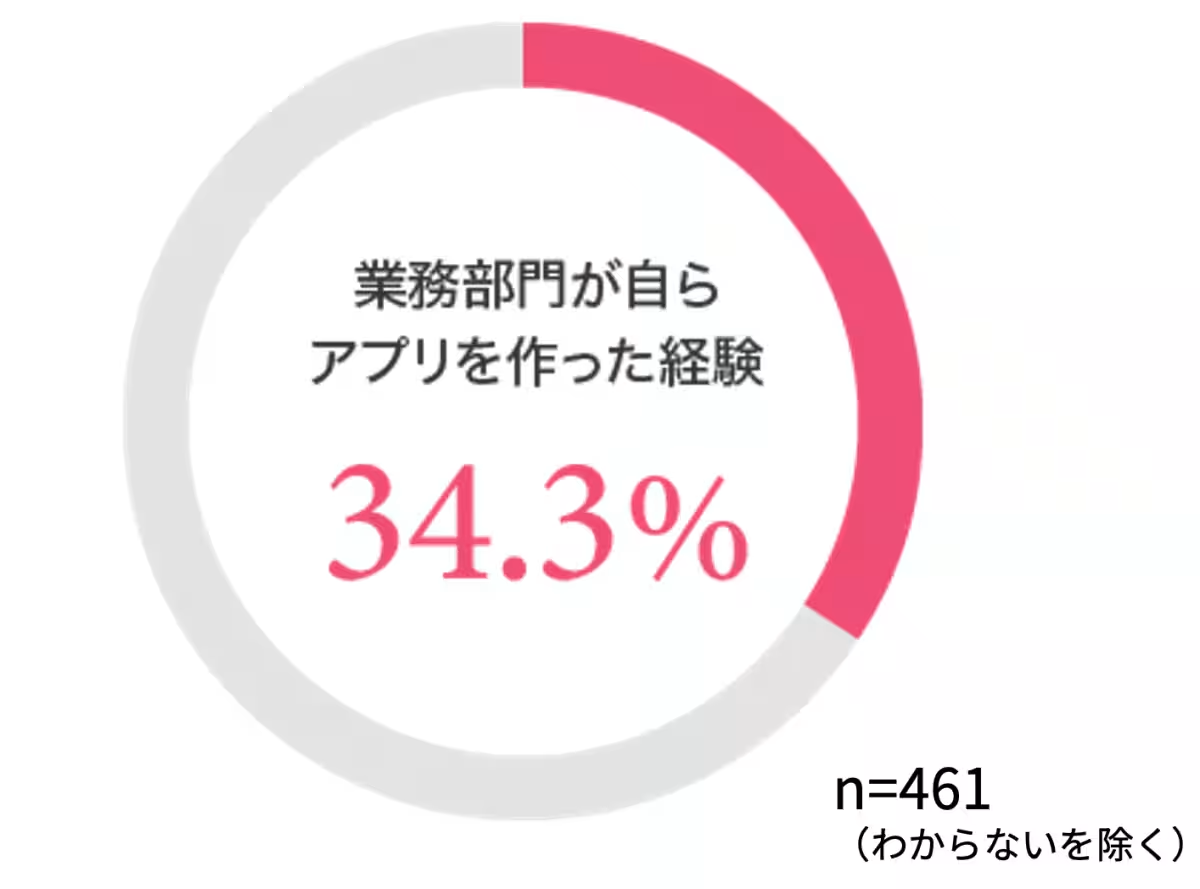
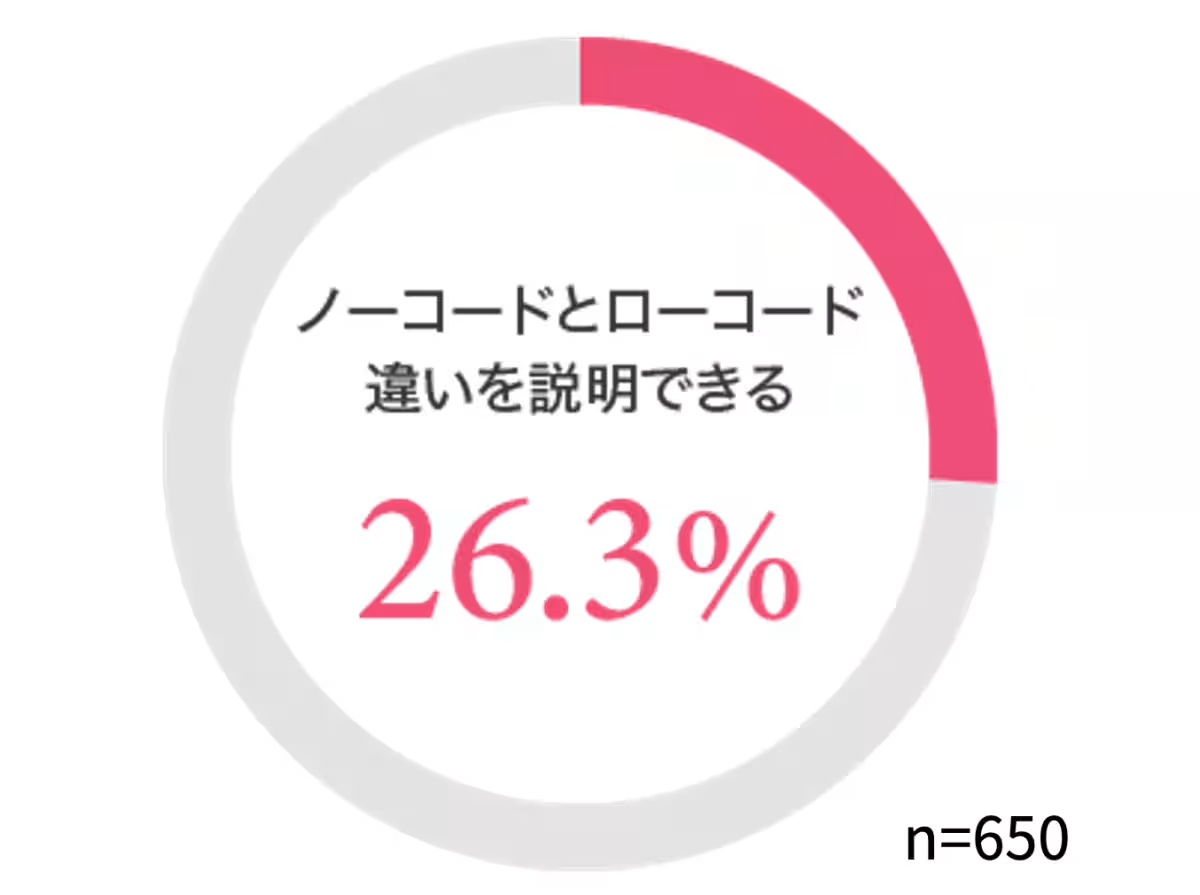
The strong enthusiasm for internal development can be linked to several factors. The technological evolution, particularly the rise of no-code and low-code platforms, has made it increasingly feasible for non-technical personnel to engage in application development. The survey found that 34.3% of respondents had direct experience in creating applications within their business areas, highlighting the democratization of digital skills. However, only 26.3% could clearly articulate the distinctions between no-code and low-code, suggesting that while the tools are accessible, understanding their optimizations is still lacking.
The Role of Management and Skill Discrepancies
Dream Arts' research indicates inherent conflicts when it comes to the perceptions of obstacles to in-house DX initiatives. This misalignment reveals a need for greater dialogue about the challenges team members face on the ground versus those recognized by upper management. This gap may undermine overall DX strategies unless addressed promptly.
The Path Forward for Businesses
To bridge this gap and enhance the effectiveness of in-house DX initiatives, companies must reevaluate how they allocate resources and opportunities for skill development. Providing more autonomy and encouraging team members to leverage no-code solutions will bolster both the speed and quality of development processes while simultaneously cultivating much-needed talent.
Conclusion
Ultimately, the drive towards in-house DX development reflects a monumental shift in corporate strategy, highlighting a collective desire to harness technology within organizations. However, without adequate IT talent and a clear understanding of digital tools, efforts may continue to falter. Companies must be proactive in fostering skills that align with industry transformations to ensure sustainability and competitive edge.
For those interested in exploring Dream Arts’ findings further, detailed reports regarding their survey results can be accessed via their website. These insights are invaluable for understanding the dynamics at play in today’s digital landscape.
For more details, visit: Dream Arts

Topics Business Technology)
【About Using Articles】
You can freely use the title and article content by linking to the page where the article is posted.
※ Images cannot be used.
【About Links】
Links are free to use.