



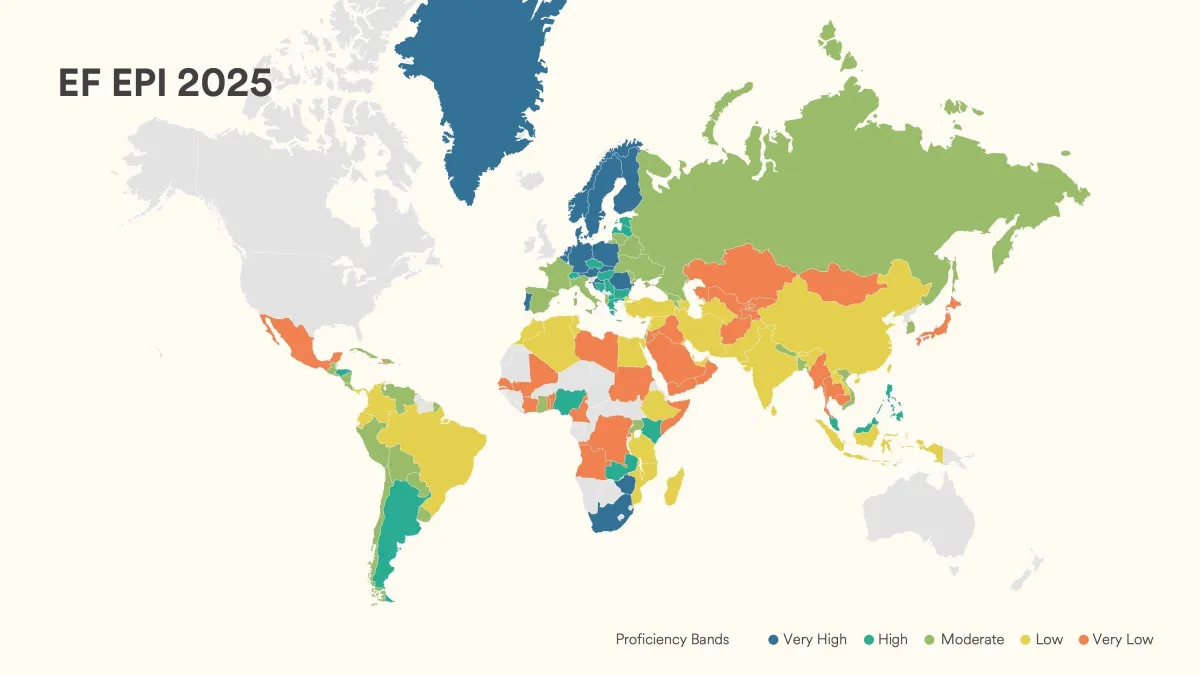
Japan Ranks 96th in Global English Proficiency Ranking: Key Issues Identified
Japan's English Proficiency Index 2025
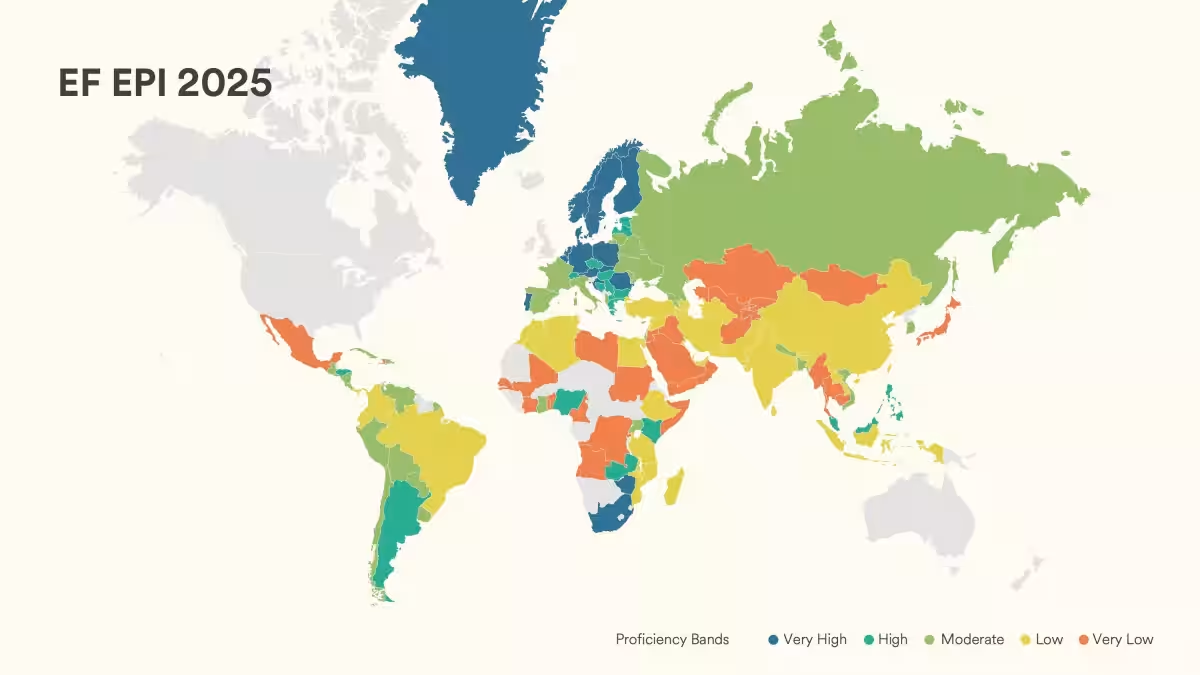
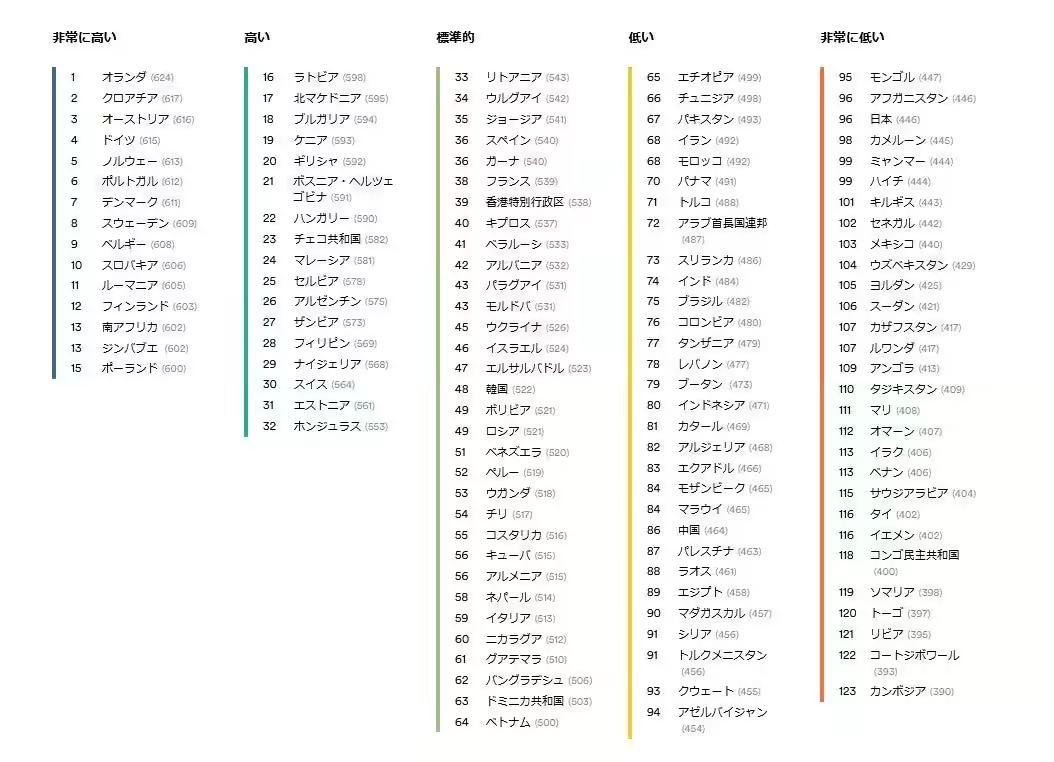
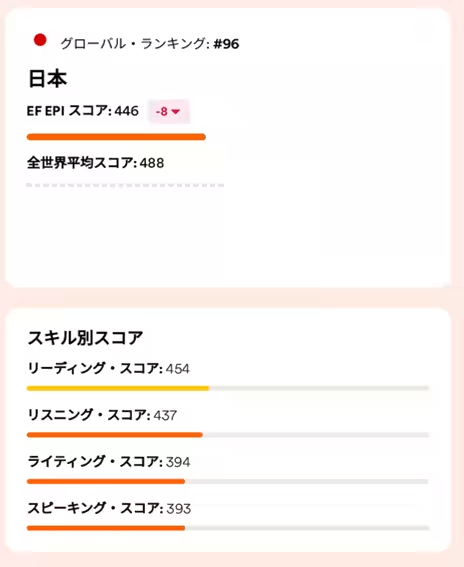
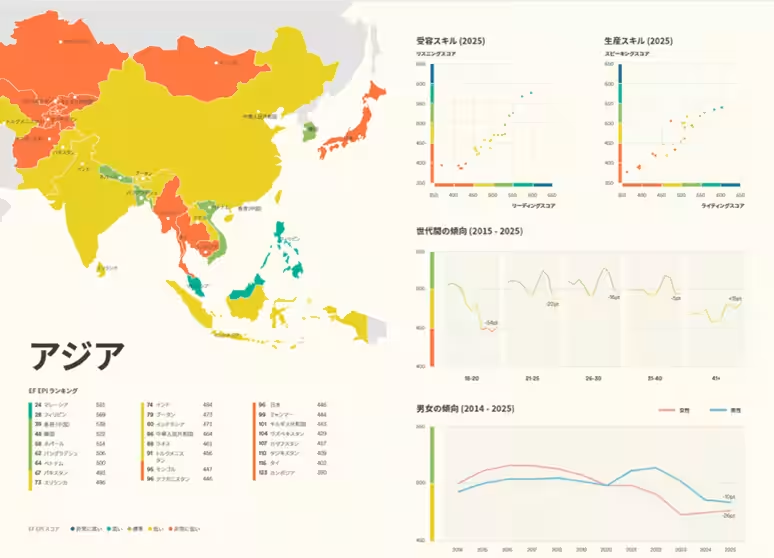
The release of the 2025 EF English Proficiency Index (EF EPI) has positioned Japan at 96th globally, with a score of 446, which is below the Asian average of 477 and the world average of 488. This marks a continued trend of stagnation in Japan's English skills, particularly in speaking and writing. The report underscores a critical observation: while Japanese individuals may understand English, they struggle to use it effectively in conversation and writing.
Key Findings
1. Understanding vs. Usage: The primary challenge highlighted in the report is that while many Japanese can read and understand English, they find it difficult to speak or write in the language. This skill gap was sharply illustrated with the introduction of AI assessments this year, which enhanced the accuracy of evaluations related to pronunciation and structure.
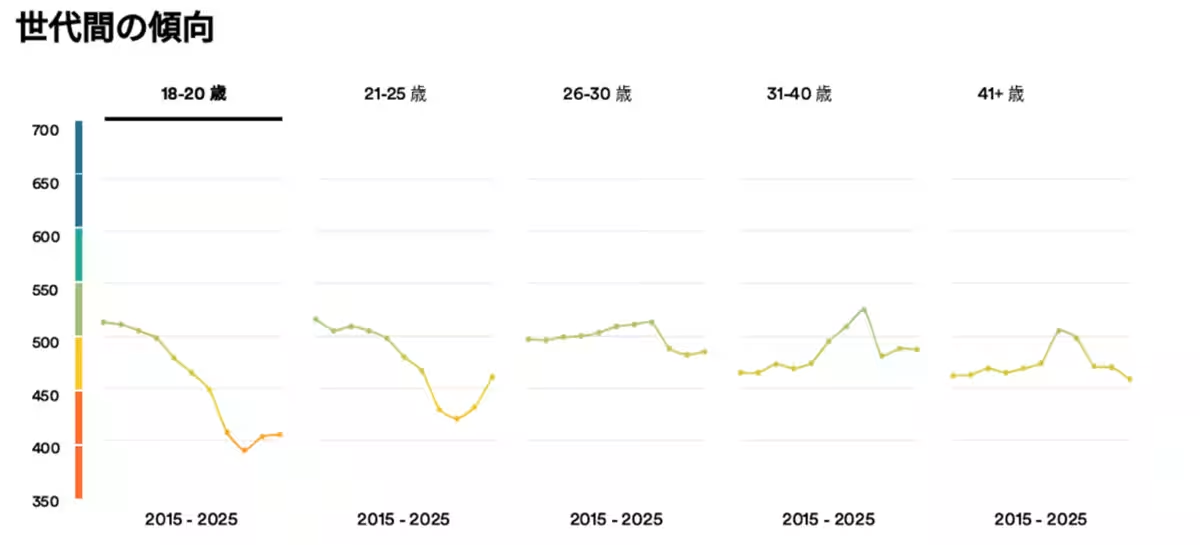
2. Regional Disparities: The findings reveal a stark divide between English proficiency in urban versus rural areas. Kanto, which includes Tokyo, scored the highest at 478, while the Chugoku region lagged behind at 436. This substantial gap of over 40 points shows that access to learning opportunities varies widely across different regions. Even more striking is the trend among the youth aged 18 to 25, who recorded the lowest scores across all age groups. It raises concerns about the effectiveness of current educational approaches in engaging this generation with practical English use.
3. Global Speaking Skills Shortfall: A significant number of countries revealed through AI analytics that speaking remains the weakest skill among learners globally—a trend also seen in Japan. Countries with high English proficiency, such as the Netherlands and Austria, incorporate integrated learning techniques that teach subjects in English, highlighting a broader approach to language education.
Implications of AI in Language Testing
The incorporation of AI in the EPI has facilitated a detailed analysis of speaking and writing skills, previously hard to evaluate. This technology has made glaring real-time disparities evident and points toward educational methodologies needing reforms. CEFR benchmarks categorize performance from 1 to 800, with Japan falling short at only 446.
Kate Bell, the EF EPI analysis team leader, emphasizes that the consistent imbalance between reading/listening and speaking/writing capabilities must be addressed to foster well-rounded English learners in Japan. The stagnation of Japan's overall English skills resonates as a universal challenge, yet the pathway toward improvement lies firmly within achieving a balance across all four core skills: reading, listening, speaking, and writing.
Conclusion
The results of the EF EPI serve not only as a reflection of Japan's current English proficiency but also as a call to action for educational reform. By adopting innovative teaching strategies and leveraging AI tools, there's optimism that Japan can transform from merely understanding English to actively utilizing it. To explore detailed data and insights from the EF EPI's findings, interested readers can visit EF Japan's website.
Topics Other)
【About Using Articles】
You can freely use the title and article content by linking to the page where the article is posted.
※ Images cannot be used.
【About Links】
Links are free to use.