


The Growing Trend of Housekeeping Services: Public Insights and Frequency of Use
The Increasing Popularity of Housekeeping Services in Japan
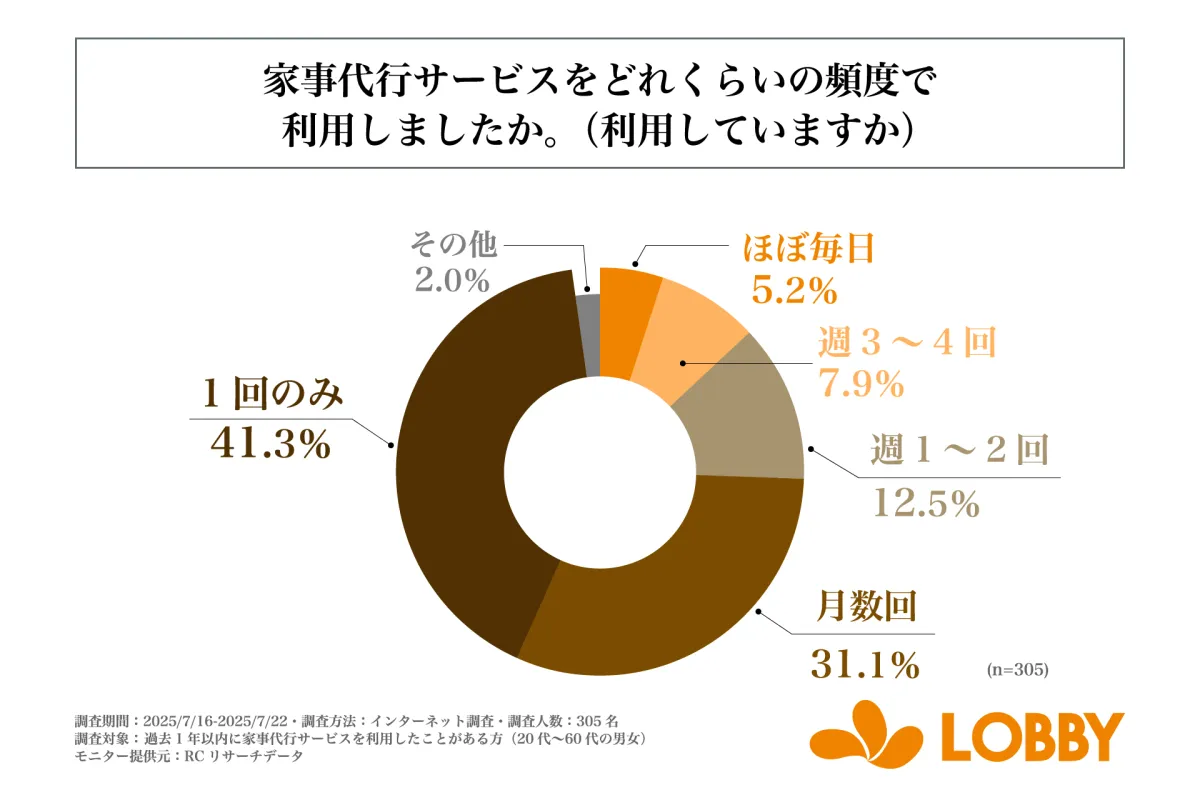
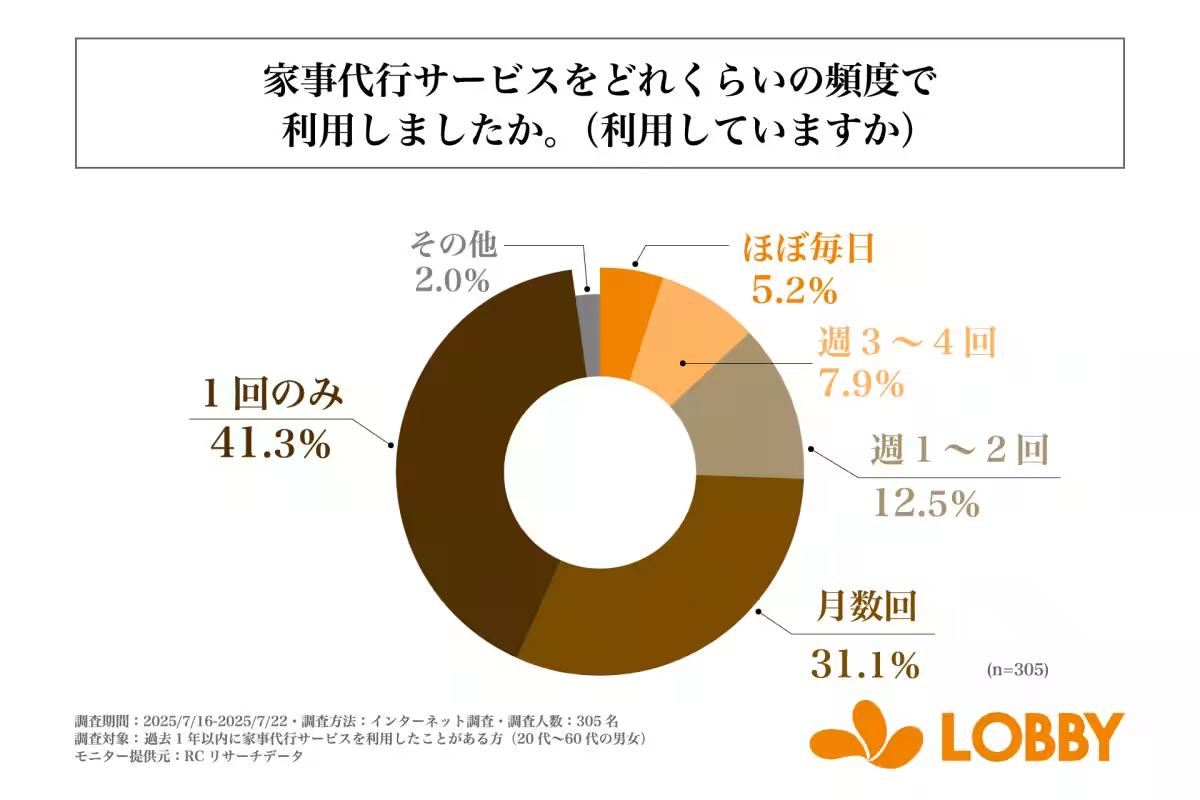
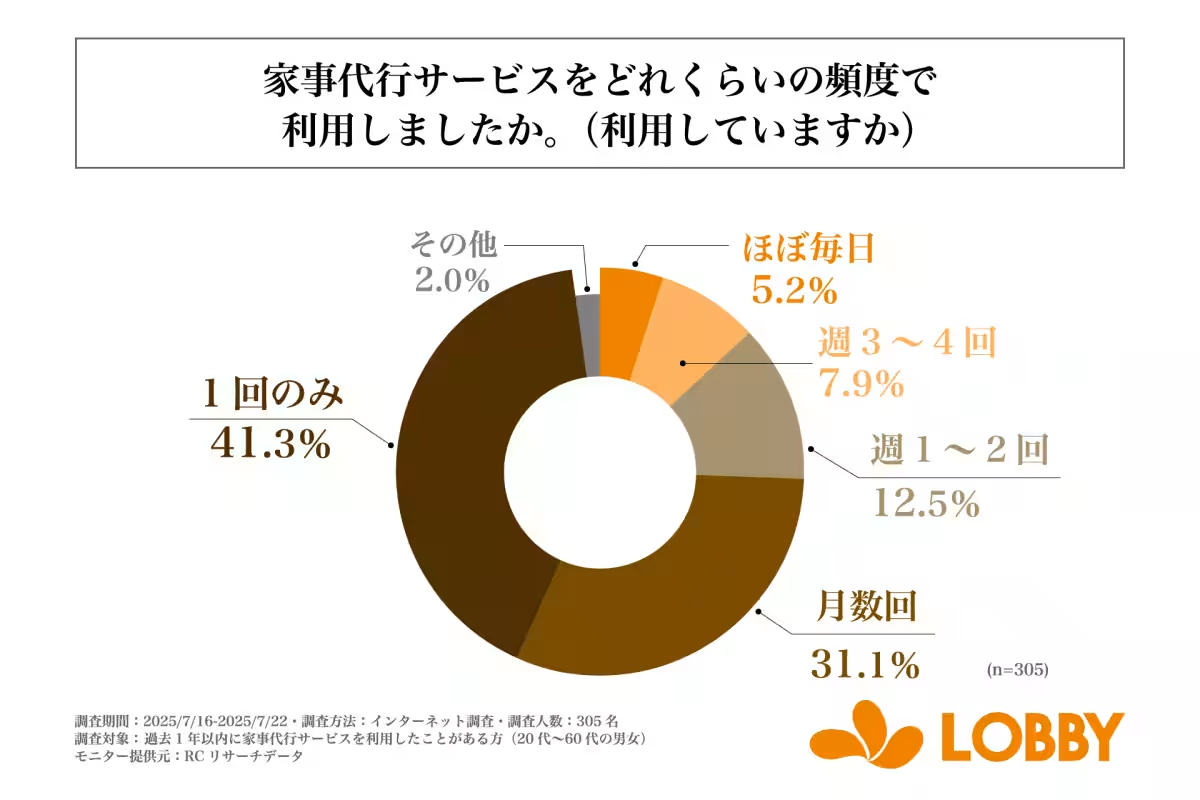
In Japan, the notion of using housekeeping services has traditionally been viewed as a luxury. However, recent trends indicate a shifting mindset. A survey conducted by LOBBY, a housekeeping service provider, highlights the increasing frequency of usage among consumers. Approximately 25% of individuals who used these services in the last year employed them on a weekly basis.
Background
The backdrop to this growing acceptance lies in the rise of women in the workforce and the increase in dual-income households. Society is gradually shifting towards outsourcing household chores, yet the stigma associated with hiring help for domestic tasks persists.
Survey Insights
LOBBY's survey targeted individuals aged 20 to 60 who had used housekeeping services within the past year. The findings reveal significant insights about user behavior:
1. Frequency of Use: Out of those surveyed, around 40% reported using housekeeping services only once, while 25% indicated a frequency of once a week or more. The survey data showed that 41.3% used the services just once, and 12.5% utilized them weekly or almost daily.
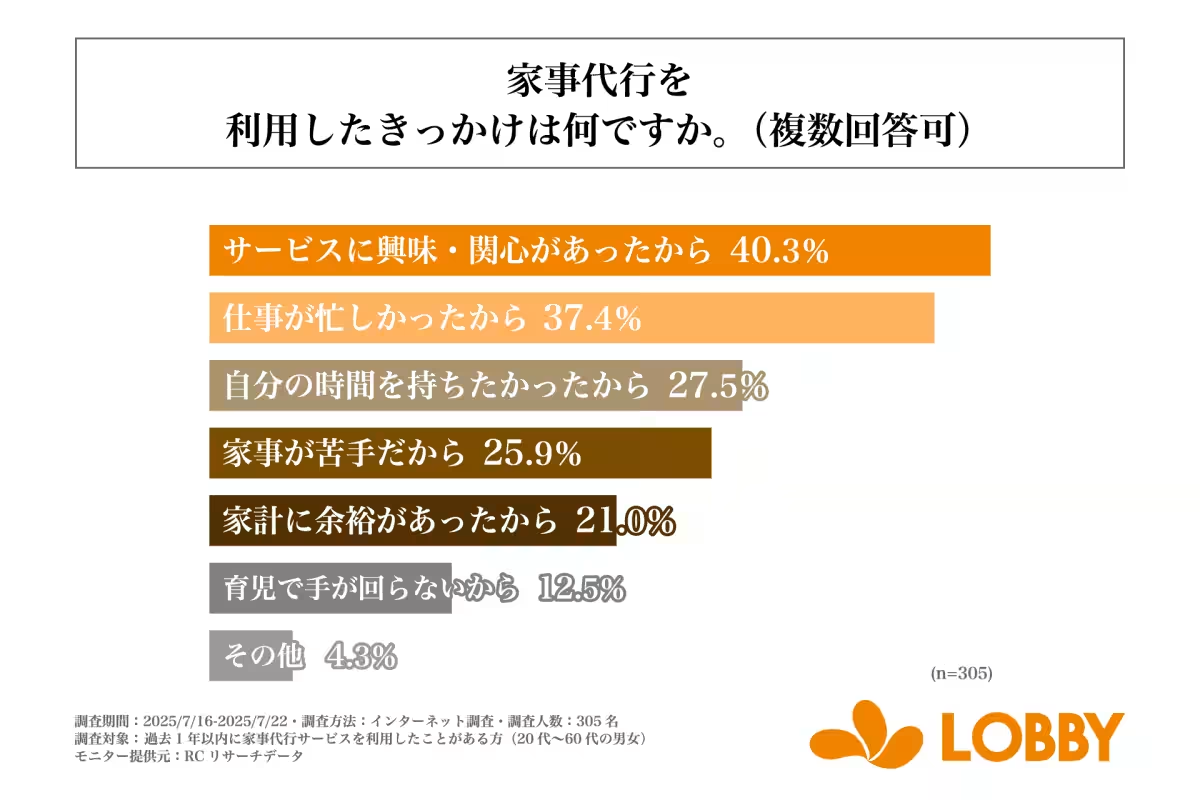
2. Reasons for Utilizing Services: The primary reasons for opting for housekeeping services were interest in the service itself (40.3%) and a busy work schedule (37.4%). Additionally, 27.5% expressed a desire to reclaim personal time.
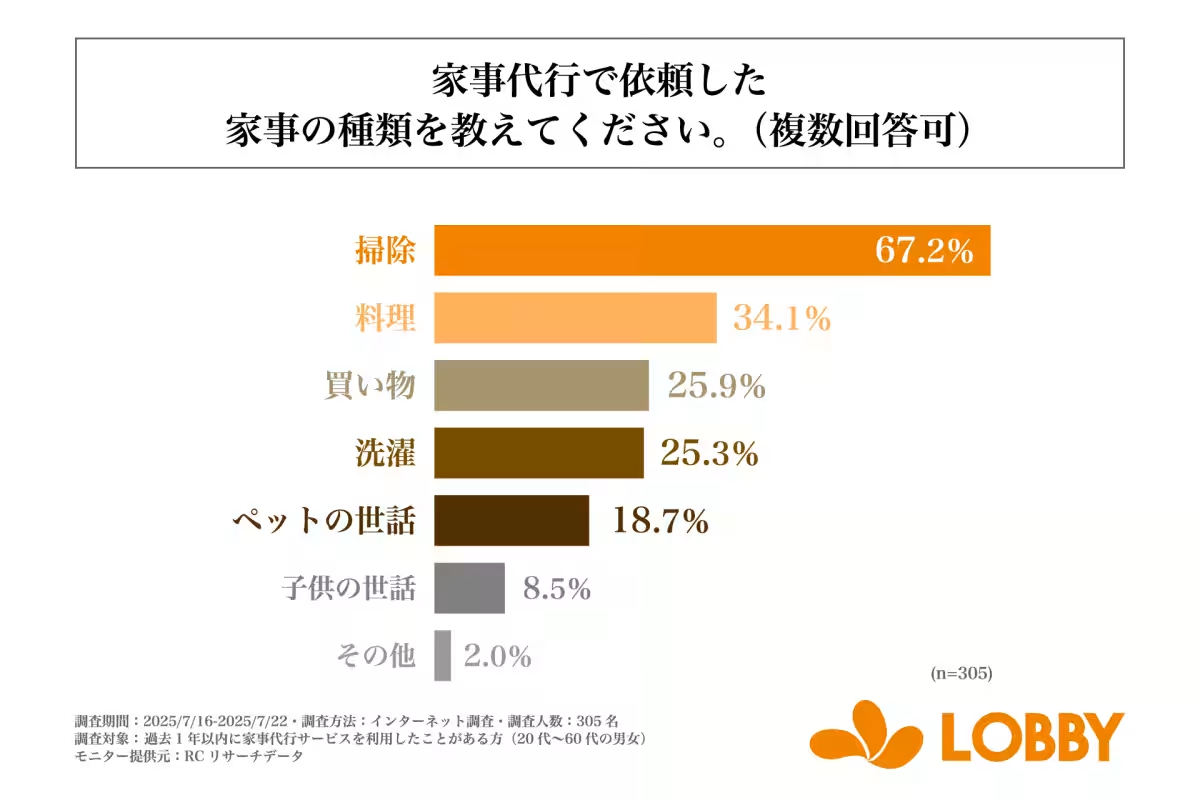
3. Types of Tasks Requested: The most frequently requested tasks included cleaning (67.2%), cooking (34.1%), and shopping (25.9%). It paints a clear picture of what clients prioritize when outsourcing domestic responsibilities.
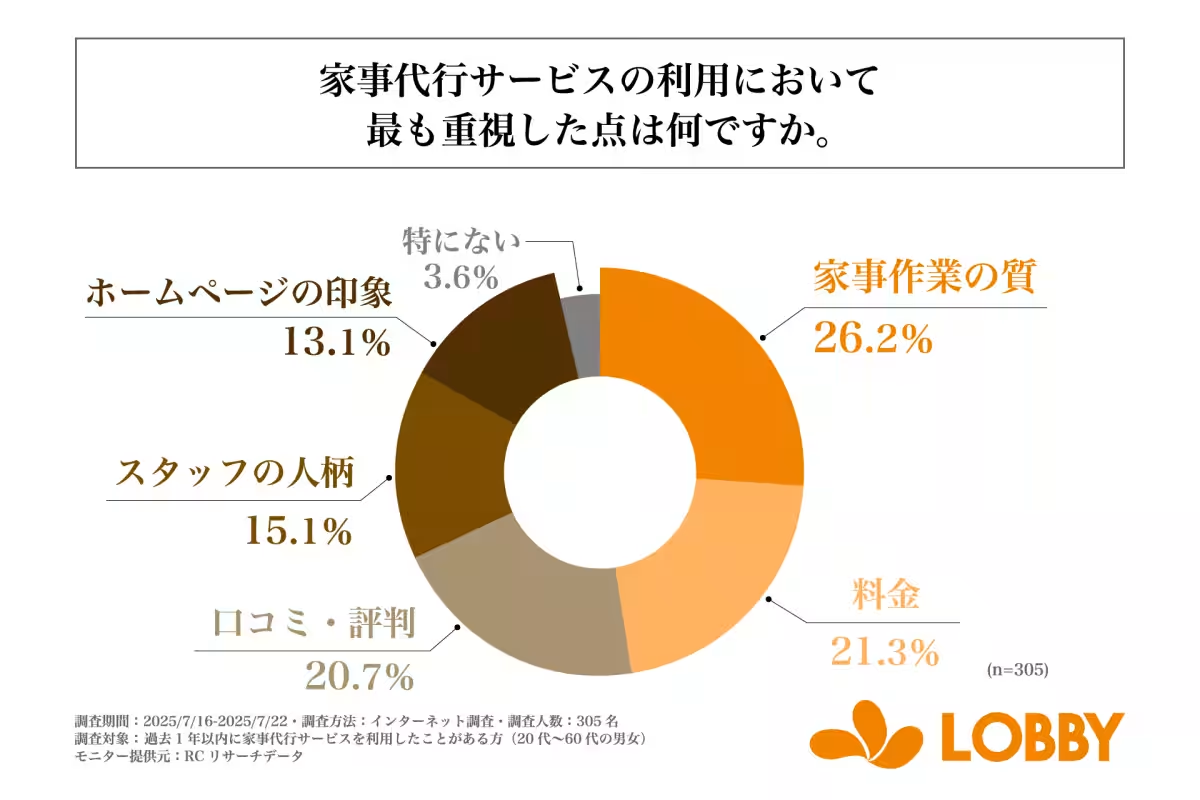
4. Quality of Service: When asked what mattered most in the use of housekeeping services, the respondents emphasized the quality of the service (26.2%), followed closely by pricing concerns (21.3%) and online reviews (20.7%). This indicates that clients are particularly vigilant about the standard of the work being performed in their homes.
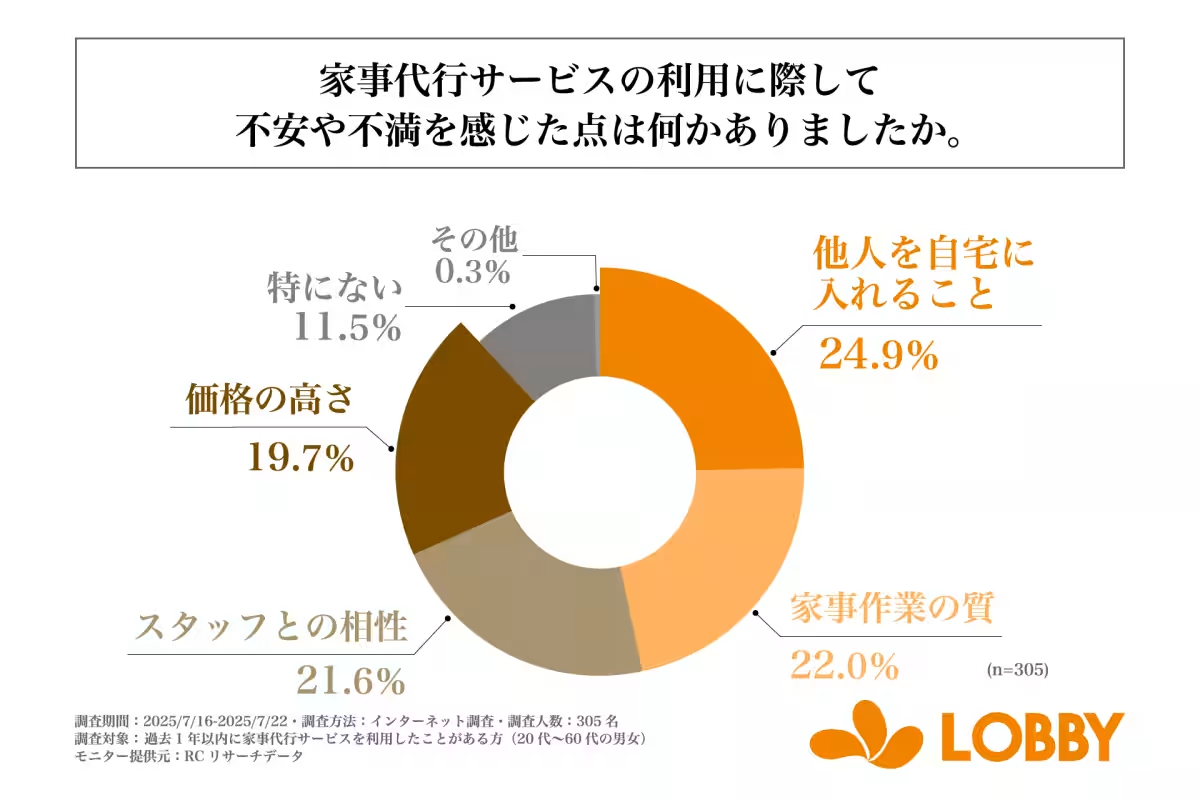
5. Concerns and Insecurities: The survey also highlighted common concerns that customers experienced, such as allowing a stranger into their home (24.9%) and worries over the quality of house cleaning (22.0%).
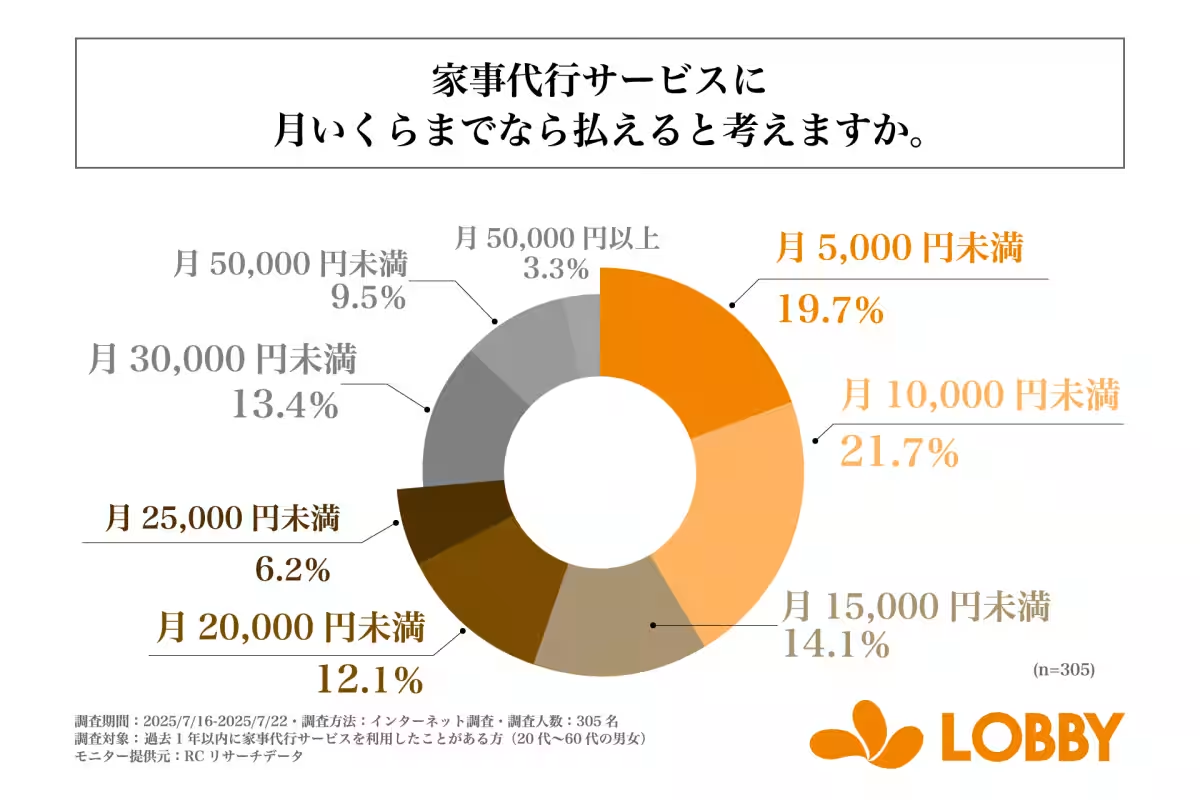
6. Willingness to Pay: In terms of financial commitment, 21.7% of respondents were comfortable with costs under 10,000 yen per month, while more than 30% were willing to pay over 20,000 yen monthly. This variability shows different economic capabilities and priorities among users.
Conclusion
The survey results reveal a notable shift in Japan regarding housekeeping services. Nearly 40% used the services only once, whereas about 25% demonstrated a higher commitment by utilizing them weekly. With key motivations like interest in the service and busy lifestyles, the types of requested tasks focus predominantly on cleaning, cooking, and shopping. Notably, the emphasis on service quality suggests that businesses must prioritize the training and standards of their staff to meet consumer expectations.
LOBBY, for instance, prides itself on having a staff selection process with a mere 5% acceptance rate, ensuring high-quality services tailored to individual lifestyles. Their offerings facilitate a balanced life, allowing clients to reclaim their time from household chores.
About LOBBY
LOBY operates its housekeeping services in major metropolitan areas, providing flexible scheduling from two hours a week or more. Their website offers further details about the range of services they provide. For more information, you can visit LOBBY's official website. LOBBY aims to cater to each client's specific needs, from cleaning and laundry to cooking, aligning with their detailed standards and requests.

Topics Consumer Products & Retail)



【About Using Articles】
You can freely use the title and article content by linking to the page where the article is posted.
※ Images cannot be used.
【About Links】
Links are free to use.